Mastering Landscape App Design in 2026
While landscape app design feels like a recent phenomenon, it's really the latest chapter in a story that began thousands of years ago. This field blends timeless artistic principles with today's incredible technology, giving anyone the power to reimagine their outdoor spaces with surprising ease and creativity.
From Ancient Gardens to AI-Powered Landscapes
The impulse to shape our natural surroundings is deeply human. The very first examples of landscape design weren't just about planting pretty flowers; they were impressive feats of engineering and art that combined practical function with powerful symbolism. Looking back at this long history helps us understand why modern landscape app design is such a significant step forward.
This journey from ancient ingenuity to artificial intelligence reveals a clear pattern: we've always used the best tools at our disposal to create beautiful, useful outdoor spaces.
The Dawn of Structured Landscapes
The practice of shaping the land goes back millennia. Around 3000 BCE, early civilizations in Egypt, Persia, and China were the first to create deliberately planned outdoor spaces for their temples and palaces. These weren't just gardens—they were systems. In Egypt, complex irrigation networks diverted the Nile's floodwaters to sustain lush oases in the middle of the desert. This was an early form of the water-wise techniques we now call xeriscaping, proving that landscape design has always been a marriage of art and science. You can explore more about the rich history of landscape design and its evolution over time.
A major turning point arrived in 18th-century England with the English Landscape Movement. Designers like Lancelot 'Capability' Brown rebelled against the stiff, formal gardens of the past. Instead, he designed sweeping, romantic landscapes that mimicked idealized nature. He famously redesigned over 170 estates with his signature rolling hills and serpentine lakes—a style that directly inspired Frederick Law Olmsted’s design for the iconic Central Park in New York City.
These historical moments weren't just about making things look nice; they were about solving real-world problems with the technology available. Whether it was channeling water in the desert or creating naturalistic parks for dense cities, designers have always been innovators.
The Digital Leap Forward
The invention of the transistor in 1948 paved the way for the next great shift: moving from the drafting table to the computer. By the 1960s and 70s, pioneers in Geographic Information Systems (GIS) and even the US Forest Service were using early computers and satellite data to analyze and visualize huge areas of land. This was the beginning of the move from hand-drawn plans to data-driven models. By the 1980s, GIS software gave landscape architects powerful tools for geospatial analysis, allowing them to work with complex terrain instead of just simple rectangles.
That long road of innovation leads directly to the AI-powered tools we have now. Modern landscape app design, as seen in platforms like Curb Appeal AI, represents the current peak of this historical journey.
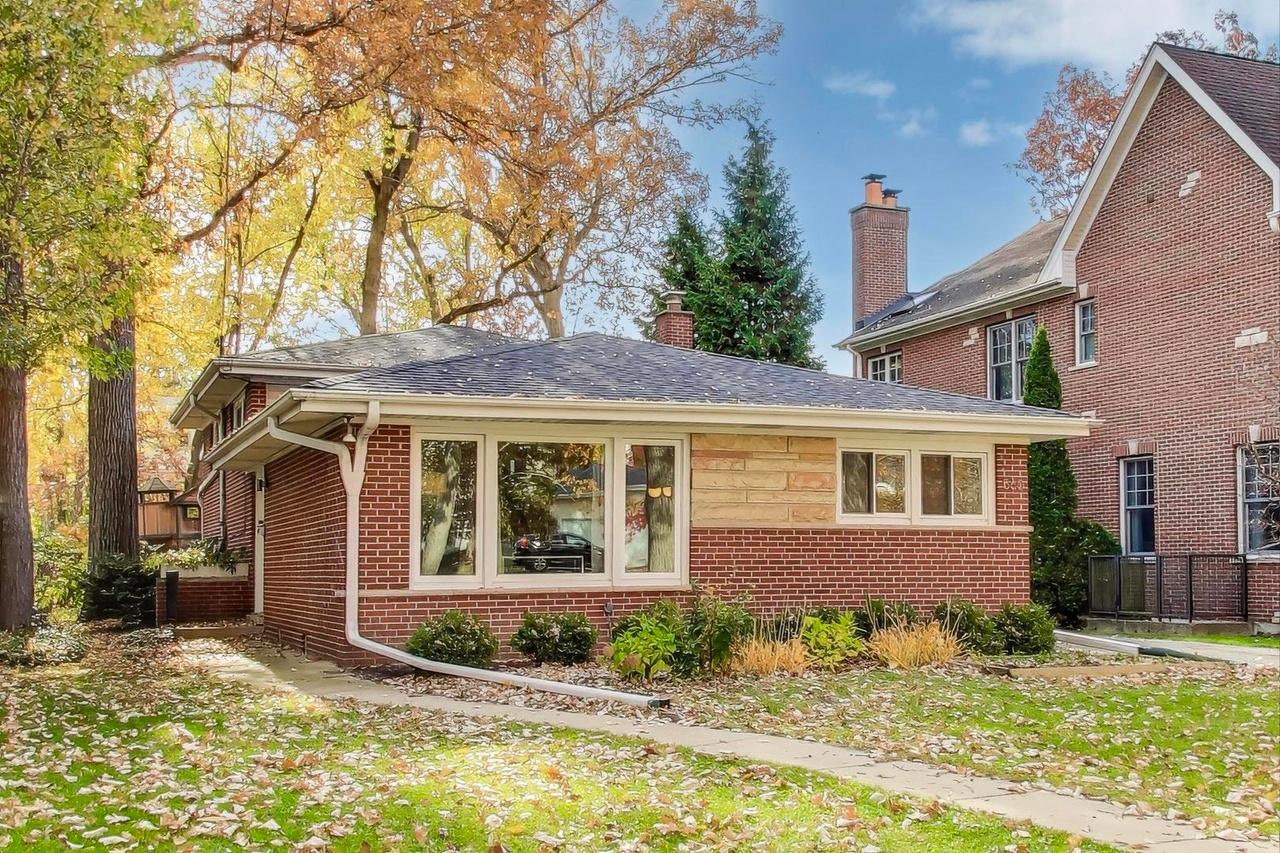
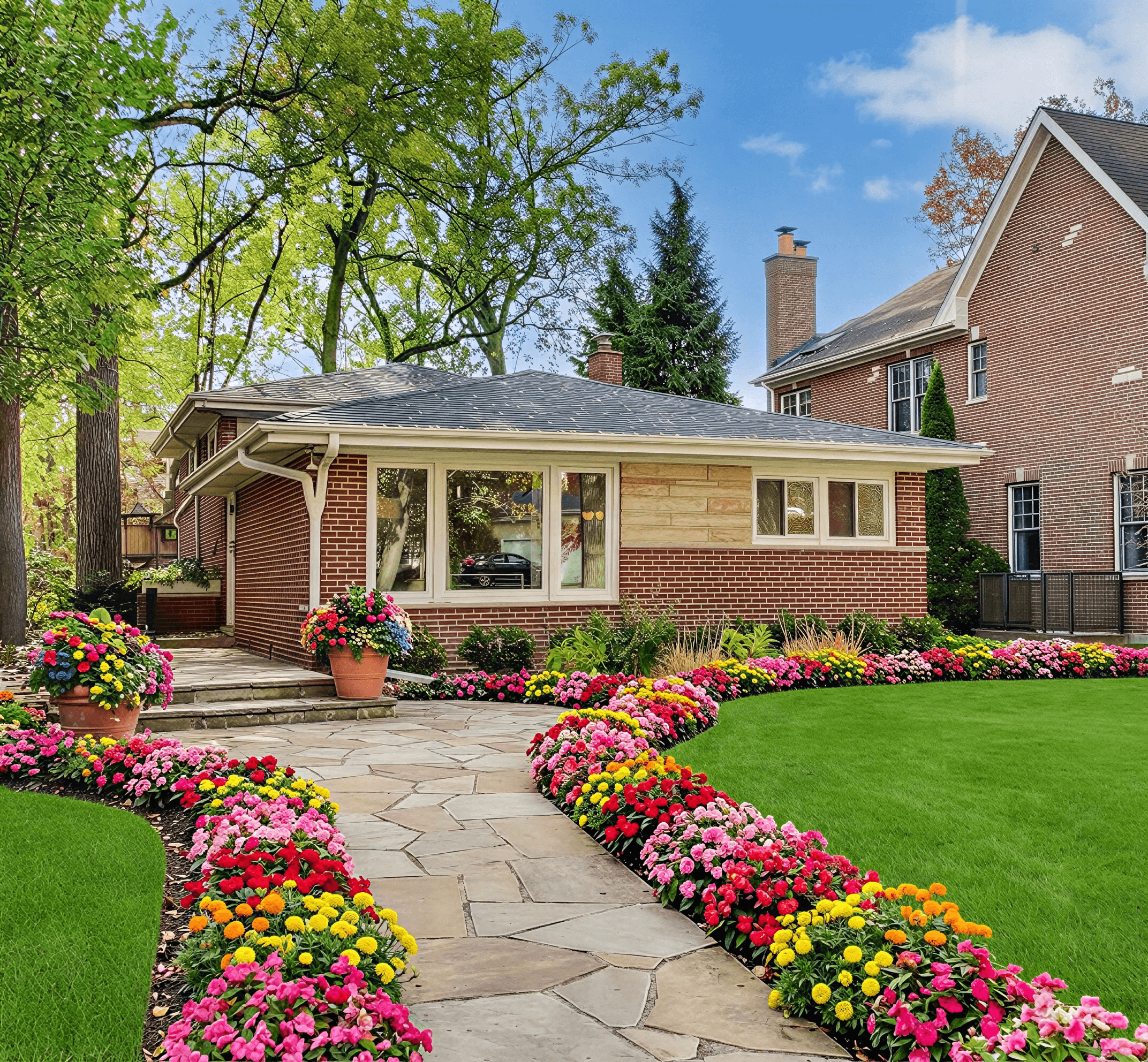
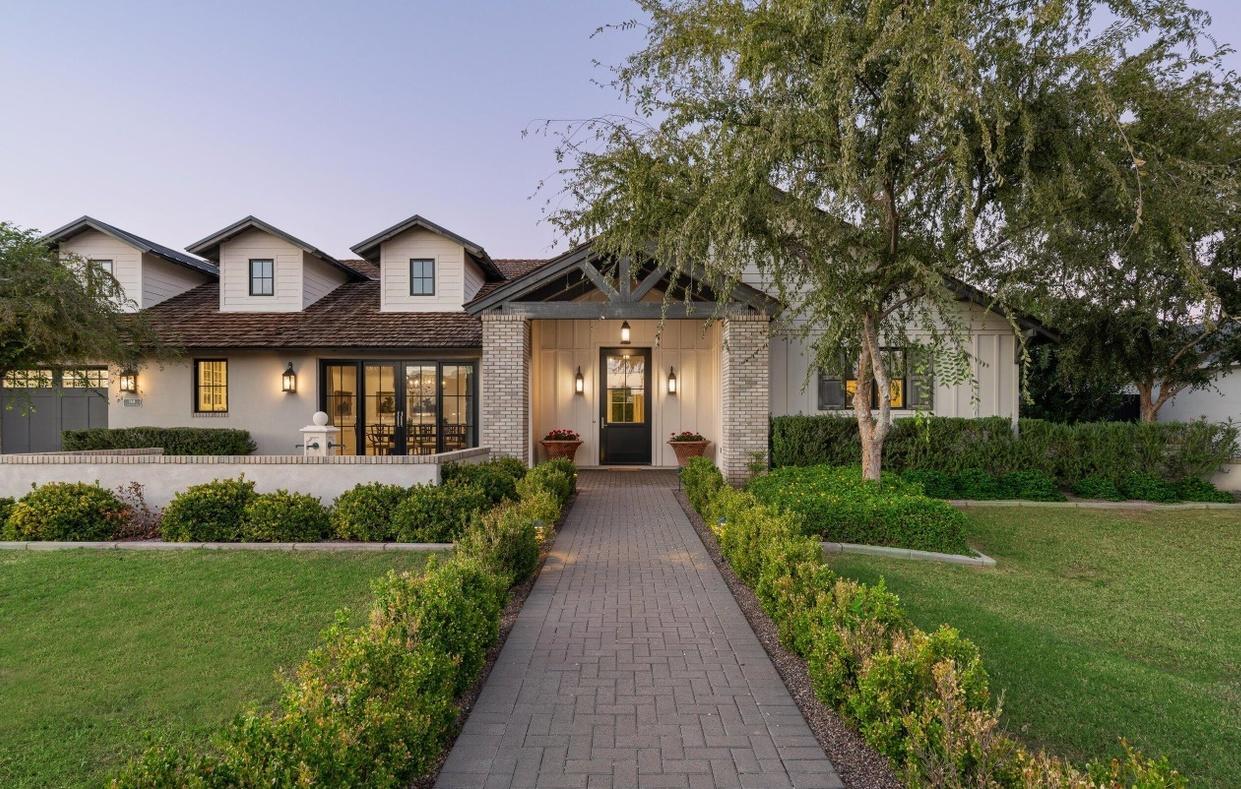
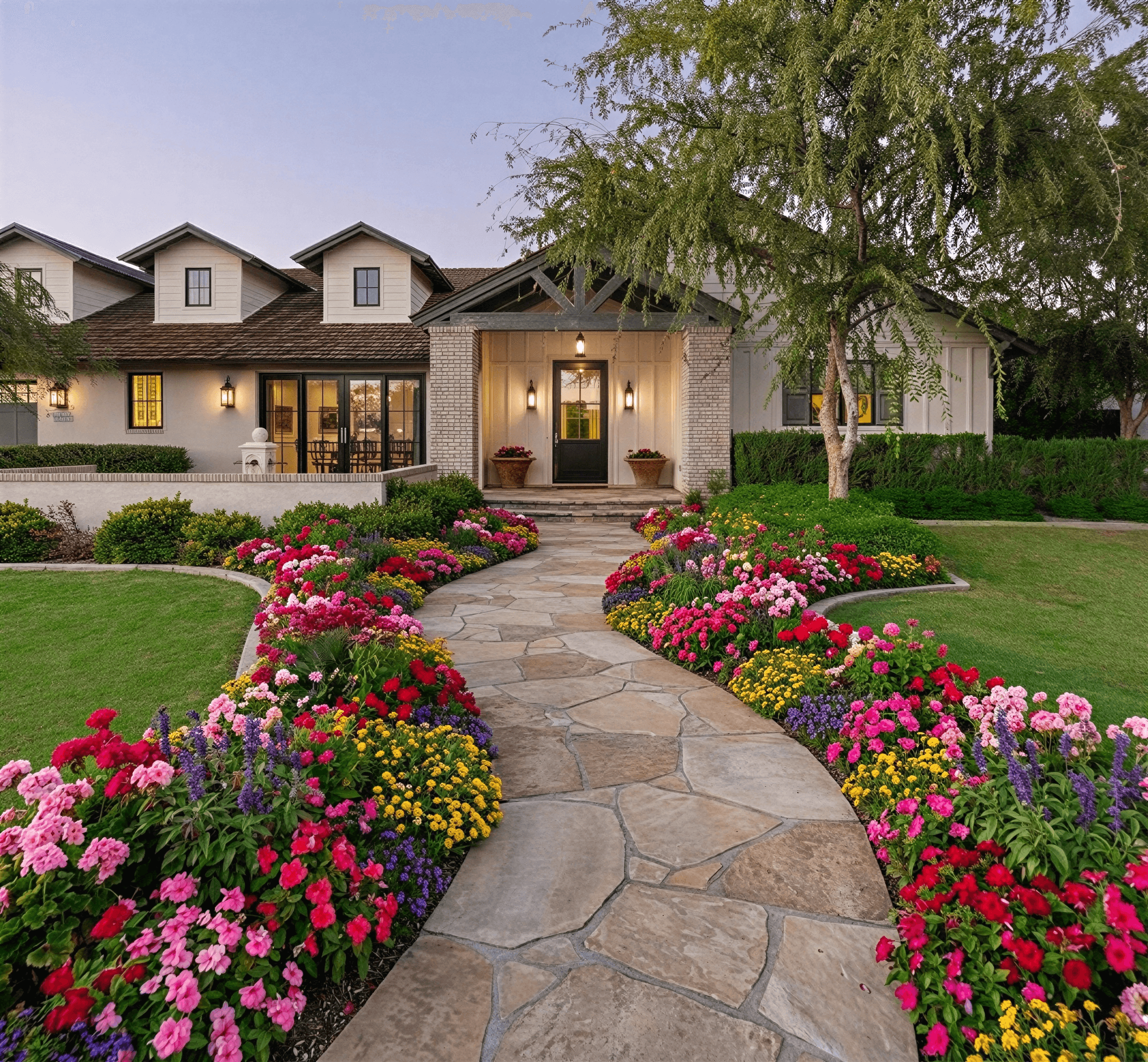
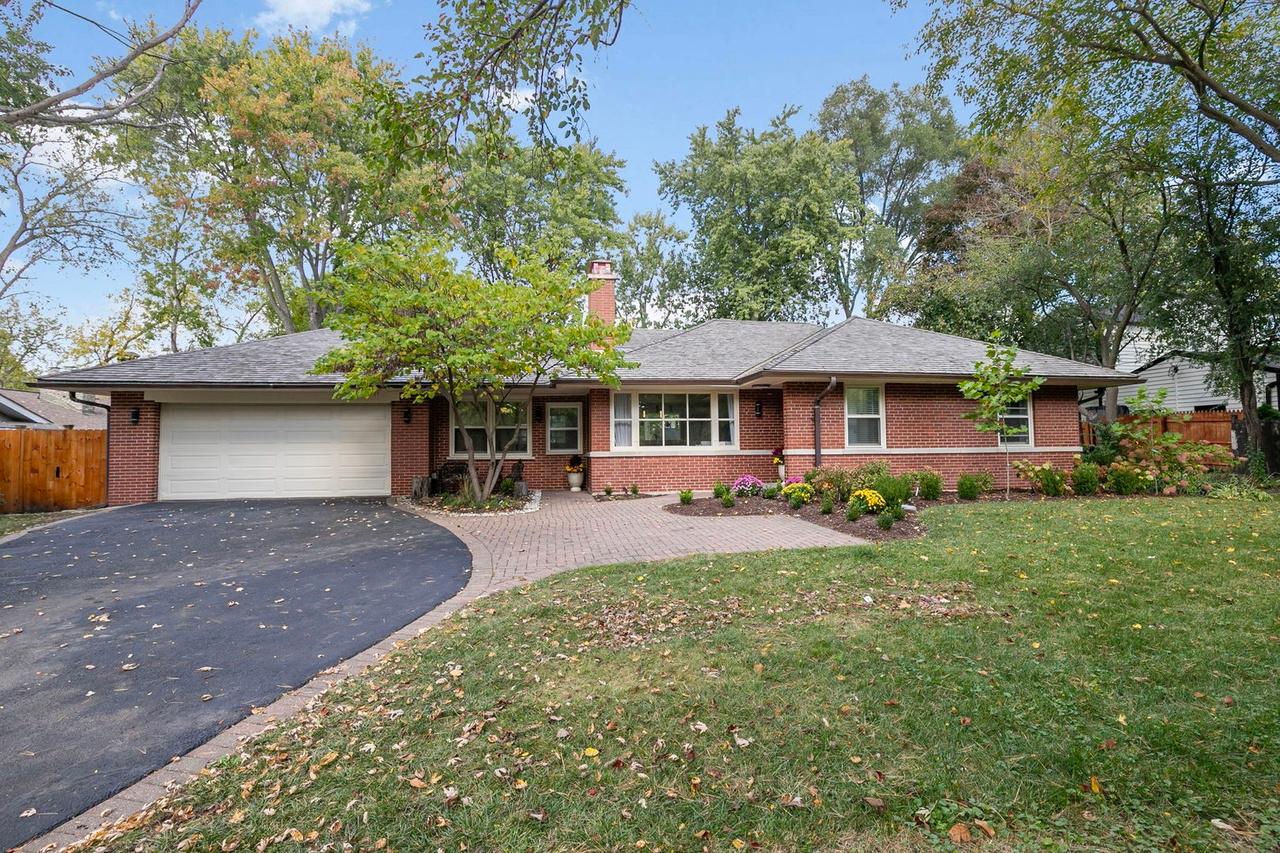
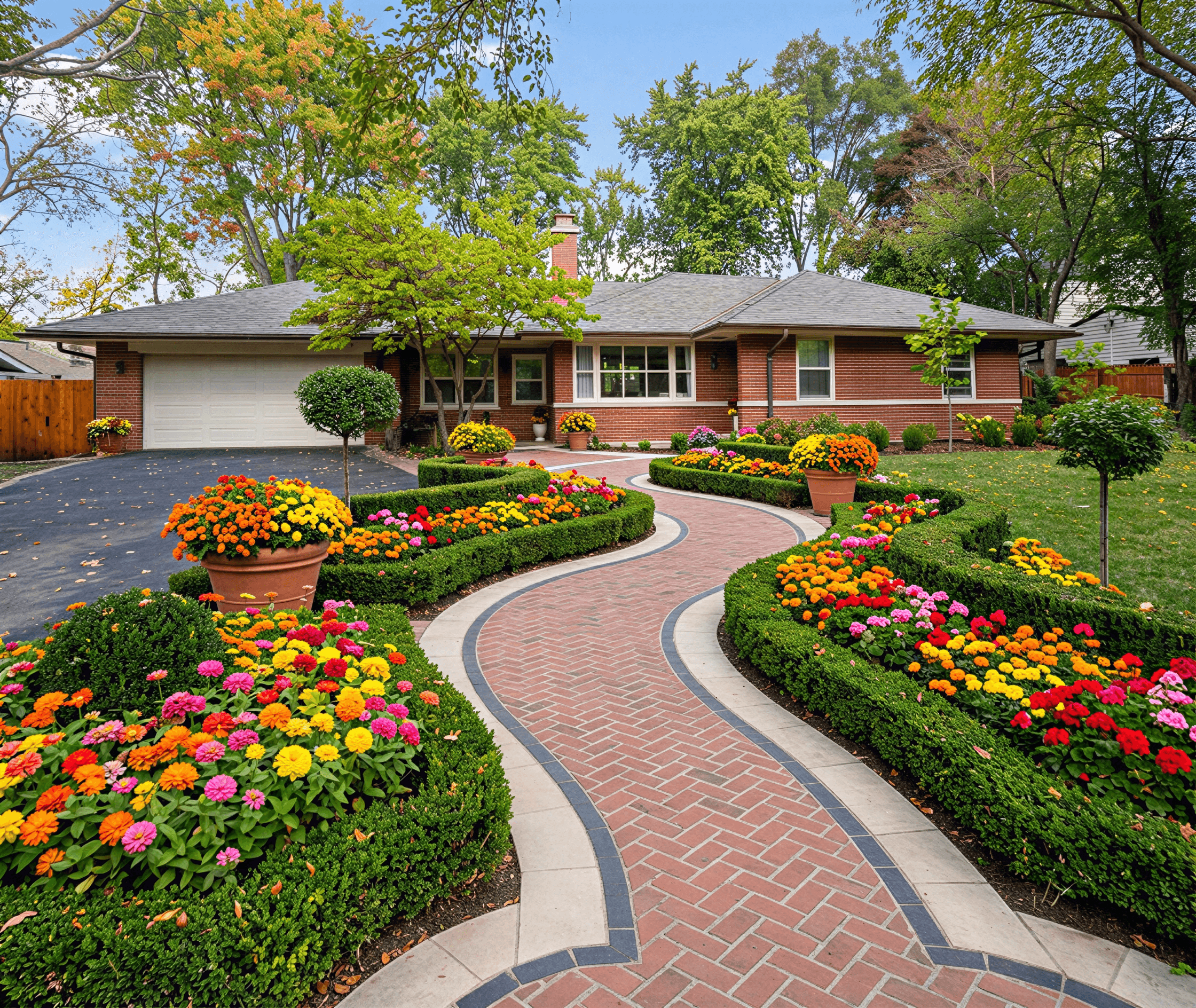
For instance, an AI tool can now take a simple photo and instantly generate a professional-grade design concept.
The 'before' and 'after' slider here shows the immediate impact of applying a 'Modern' style, with no manual drawing needed.
This is where design becomes accessible to everyone. Tools like Curb Appeal AI take this long tradition and put it directly into the hands of homeowners, real estate agents, and contractors, who can now skip the often expensive and slow process of traditional design consultations. You can upload a photo and get photorealistic, climate-appropriate designs in seconds—a process that shares Olmsted's vision but achieves it with the speed of modern technology. It’s the same ancient goal of creating a beautiful and functional space, just realized with today's most powerful tools.
What Separates a Good Landscape App from a Great One?
In a sea of digital tools, it’s easy to get lost. So what really makes a landscape design app stand out? It’s not just about letting you scribble on a photo. The truly great ones act less like a digital coloring book and more like a seasoned design partner sitting right beside you.
A powerful landscape app design doesn’t just give you tools; it gives you ideas. It bridges the gap between a simple picture of your yard and a practical, beautiful plan, transforming the entire process from a chore into a creative exploration.
From Blank Slate to Instant Inspiration
The biggest game-changer has been the shift from manual drawing to automated design. Instead of painstakingly placing every last plant and paver yourself, modern apps use smart technology to generate entire concepts for you. It’s a sophisticated process that feels surprisingly simple.
It all starts with your photo. The app’s AI analyzes the image, instantly understanding the layout of your home, where the grass ends and the driveway begins, and what existing plants you have. It sees the canvas.
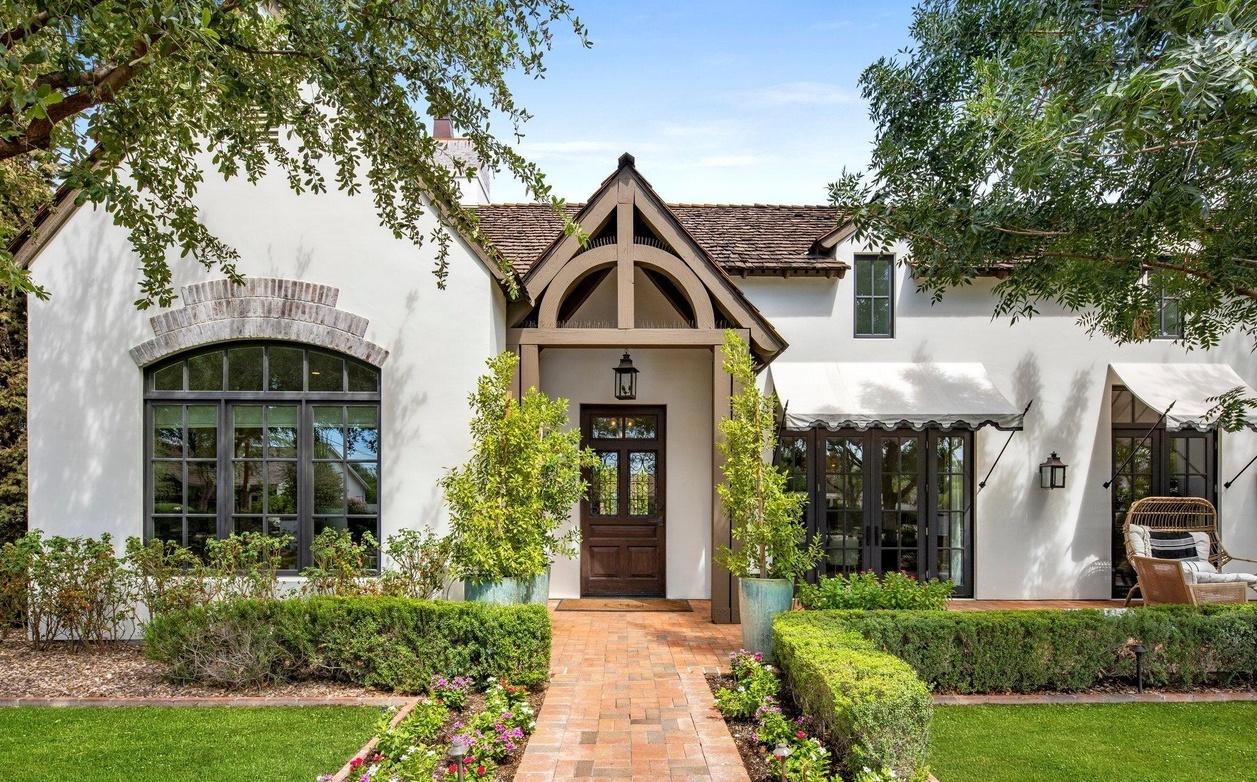
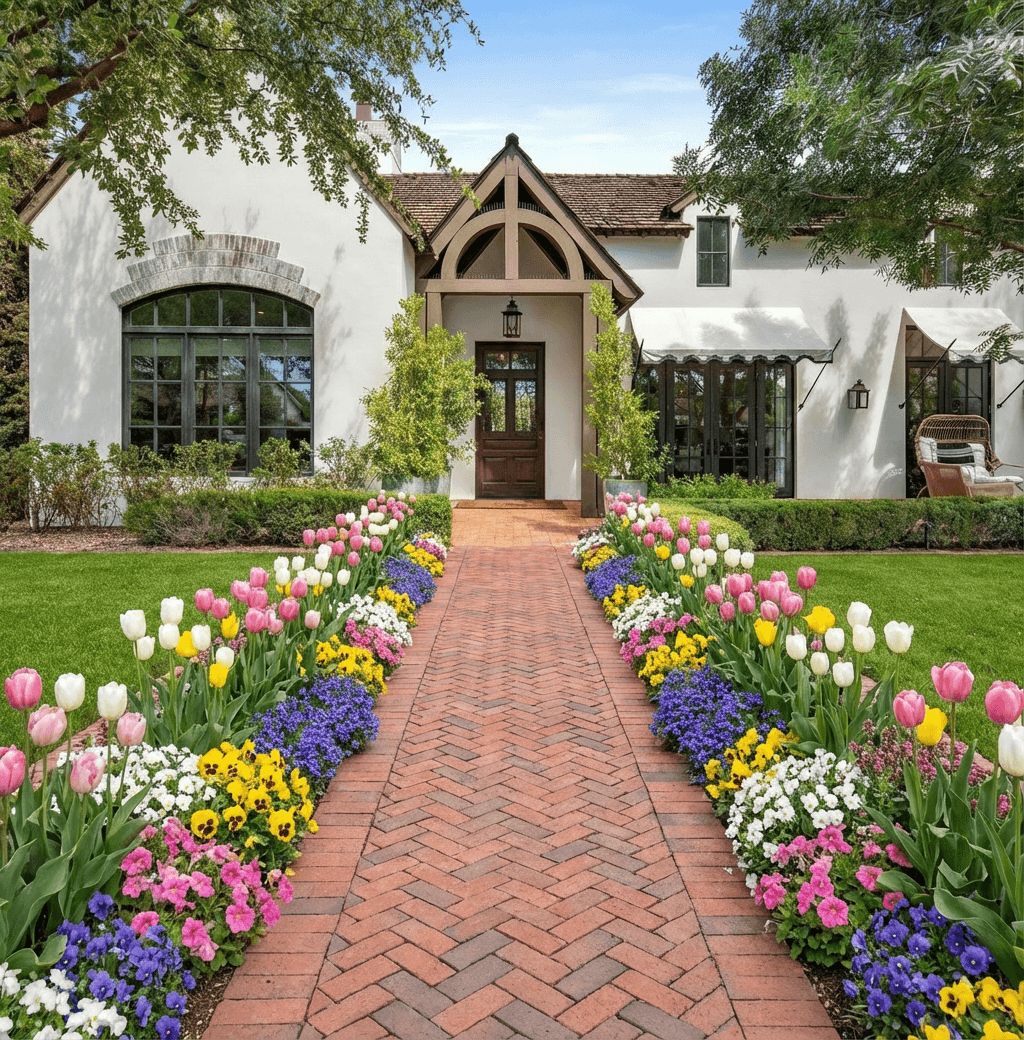
Then, the magic happens. You pick a style you love—maybe 'Modern,' 'English Cottage,' or one of the 20+ other distinct styles available—and the AI gets to work. Drawing from a massive knowledge base of beautiful, successful landscapes, it generates designs that perfectly match your chosen aesthetic.
This is a far cry from the design tools of the past. The evolution has been remarkable.

As you can see, we've moved from static principles to dynamic, AI-powered tools that bring world-class design right to your fingertips.
Beauty Meets Brains: Designs That Actually Work
A stunning design is just a pretty picture if the plants can't survive in your backyard. This is where a top-tier app proves its worth, baking practicality and real-world data right into its suggestions.
The single most important piece of this puzzle is climate awareness. We’ve all seen a neighbor plant something gorgeous, only for it to wither by the end of the season. A smart app prevents that heartbreak.
By integrating your location's USDA Hardiness Zone, an advanced app automatically filters its plant recommendations. This ensures that every flower, shrub, and tree suggested is chosen specifically for its ability to thrive in your local climate, preventing costly mistakes and dead plants.
Think of it as having an on-call botanist who ensures your vision is not only beautiful but also sustainable and built to last.
To help you tell the difference between a basic sketch tool and a genuine design partner, here’s a quick comparison of the features you’ll find.
Essential vs. Advanced Landscape App Features
| Feature Type | Basic App Capability | Advanced App Capability (e.g., Curb Appeal AI) |
|---|---|---|
| Design Generation | Manual drawing tools, basic object placement. | AI-powered, one-click generation of multiple designs. |
| Plant Selection | A generic library of plants with no climate info. | Curated plant lists filtered by your local USDA Hardiness Zone. |
| Style Options | A handful of generic templates. | An extensive library of 20+ distinct design styles. |
| Visualization | 2D sketches or cartoonish renderings. | Photorealistic renders that show exactly how it will look. |
| Output | Low-resolution screenshots. | HD and 4K exports for professional use. |
The features on the right are what truly elevate a tool from a simple app to an indispensable part of the design process.
See It Before You Build It: Lifelike Visuals
Finally, the output has to be believable. Vague, cartoon-like sketches create uncertainty and can lead to major disappointment when the final project doesn't match the mock-up. You need to see exactly what you’re getting.
Photorealistic renders are non-negotiable. Seeing a crisp, lifelike image of your future yard is what gives you the confidence to move forward. It’s the difference between guessing and knowing you’ll love the result.
Equally important are HD and 4K exports. Whether you’re a homeowner sharing the vision with a contractor or a real estate agent creating stunning marketing materials, high-resolution outputs make the design real, tangible, and ready for action.
If you’re ready to see this technology in person, the best way to understand its power is to try an online landscape design tool for yourself. It’s one thing to read about it, but it’s another to watch your own front yard transform in seconds.
How AI Is Changing Landscape Architecture
The jump from manual drafting to intelligent AI platforms has completely changed how we think about outdoor design. For decades, landscape professionals were tied to complex CAD software—tools that required extensive training and hours of painstaking work to produce even a single 3D model. Now, a new generation of tools built on artificial intelligence is shrinking that timeline from weeks to mere seconds, opening up high-quality landscape app design to just about everyone.
So, how does it all work? It’s not magic, but it’s close. The process relies on two key technologies working together: computer vision and machine learning.
Think of computer vision as the AI’s eyes. When you upload a picture of your yard, the AI doesn't just see a photo. It instantly analyzes and understands everything in the frame, identifying your home's architecture, the edges of your lawn, existing trees, and other structures. It essentially creates a detailed digital map of your space to work from.
Machine learning is the creative brain behind the operation. After being trained on a massive library of beautiful landscape photos, it draws on that knowledge to generate entirely new designs that fit your specific property and style preferences. It’s not just dropping random plants onto a picture; it’s creating a cohesive, attractive vision that actually works.
From Digital Blueprints to Intelligent Partners
This shift didn't happen overnight. The roots of digital landscape architecture go back to the invention of the transistor, with major progress in the 1970s as US Forest Service teams used early GIS to map terrain from satellite images. By the 1980s, the use of GIS among architects had exploded by 300%, moving beyond simple mapping and into generative design.
The move to 3D modeling went from a niche practice used by just 5% of firms in 1995 to a standard for 85% of them by 2020, especially after photorealistic renders were found to boost client approvals by 60%. Today, AI-driven apps process computer vision on over 1 billion images a year, while integrated hardiness zone data helps ensure 95% plant survival rates. For a deeper dive, you can check out this exploration of digital landscape architecture history.
This evolution from clunky models to instant, intelligent renders brings some very real benefits.
- Speed: A design that used to take a professional weeks can now be generated in less than a minute.
- Accuracy: By checking your location against climate data, the AI suggests plants that are virtually guaranteed to thrive.
- Confidence: Seeing a lifelike preview of your project eliminates the guesswork. What you see is what you get.
The real breakthrough here is the democratization of design. The speed and precision once reserved for high-end firms with huge budgets are now available to any homeowner or small business with a smartphone.
The Real-World Impact of AI-Powered Design
This change isn’t just about making things faster; it’s about solving real-world problems. For homeowners, it removes the fear of making a costly mistake by showing them exactly what a new garden or patio will look like before a single shovel hits the dirt. For contractors, it’s a powerful sales tool, allowing them to present stunning visual proposals that win more bids. You can get more insights on this in our guide on AI for landscape design.
And it's not just for backyards. The technology has even created new possibilities like AI-powered virtual staging for outdoor environments. Real estate agents can use these tools to instantly transform a neglected yard into a lush oasis, helping potential buyers see a property's true potential.
By drastically cutting down on revisions and boosting client satisfaction, AI-driven landscape app design is making the entire process more efficient, creative, and rewarding for everyone.
Designing for Different User Needs
 A great landscape app design can't be a one-trick pony. It has to serve completely different people with wildly different goals. Think about it: a homeowner dreaming up a new garden has a totally different mindset than a real estate agent trying to sell a house, or a contractor trying to win a bid.
The best apps understand this. They're built to recognize who is using the tool and what they’re trying to accomplish, offering the straightest line to their specific solution. Let's break down what this looks like for the three main groups of people who use these tools.
The Homeowner's Creative Journey
For a homeowner, designing their yard is a personal and often emotional process. They’re not designers; they just have a feeling they want to capture—"I want my front yard to feel more welcoming," for instance. But they don't have the design language to make that idea a reality.
The experience for them has to be inviting, visual, and above all, simple. The last thing they need is a complicated interface.
- Instant Gratification: The real magic is letting them upload a photo and start clicking through different styles. This turns what felt like a huge project into a fun, creative session.
- Visual Confidence: Seeing a realistic picture of the "after" gives them the confidence to actually move forward with an idea. It makes the dream feel real.
- Practical Guardrails: Features like USDA Hardiness Zone integration are a quiet lifesaver, making sure they don't get their heart set on a design full of plants that will wilt in their local climate.
This journey is all about discovery. It’s about helping someone translate a vague wish into a concrete vision they can get excited about and share.
The Real Estate Agent's Need for Speed
A real estate agent’s world is driven by two things: speed and marketability. They don’t have time for a lengthy design process. They need to create eye-catching marketing materials right now to get a property sold. With a well-staged exterior potentially increasing a home's sale price by 7-15%, good curb appeal is money in the bank.
Their ideal workflow is all about quick, high-impact results. They're taking a listing photo of a neglected yard and need to show its hidden potential in minutes.
For an agent, the most valuable feature is the ability to instantly transform a bland or neglected exterior into a vibrant, welcoming space. This isn't just about design—it's about creating an emotional connection with potential buyers before they even set foot on the property.
A solid landscape app helps them do this with:
- Rapid Turnaround: They can generate multiple design options in the time it takes to drink a cup of coffee, letting them pick the perfect hero shot for a listing.
- High-Quality Output: Exporting HD and 4K images is non-negotiable. They need professional-grade visuals for online listings, social media, and printed brochures.
- Commercial Use Rights: There can be no ambiguity here. Agents need a tool with clear licensing that allows them to use the images for business.
The Contractor's Professional Toolkit
Finally, there are the landscape contractors. They live in a world of client meetings, bids, and project management. For them, a design app is a powerful tool for communication and sales, helping them build trust and win more jobs.
The app becomes a way to get on the same page with a client from the very beginning. An AI-generated concept is the perfect visual starting point for a deeper conversation, ensuring there are no surprises down the line.
This workflow is about adding a layer of professionalism that closes deals. A contractor can take a concept, build an itemized proposal around it, and show the client exactly what they're paying for. This visual proof makes it much easier for a client to sign off on an investment and helps the contractor stand out from competitors still using hand-drawn sketches or just words.
Why Landscape App Design Is a Booming Market

The explosion of interest in landscape app design isn't just a fleeting trend. It's a direct reflection of major shifts in the real estate market and a growing environmental consciousness. Homeowners and real estate professionals are catching on to something simple: a thoughtfully designed outdoor space is one of the smartest investments you can make, and the demand for tools that make it easy is surging.
A huge piece of the puzzle is the power of "curb appeal" in real estate. It's the very first thing a potential buyer sees, and that initial impression can make or break a sale. A great-looking exterior doesn't just attract more interest; it has a direct impact on the final sale price and how long a property sits on the market.
The Clear ROI of Curb Appeal
The financial return on a well-planned landscape is surprisingly clear. When a property looks sharp and cared for from the street, it just feels more valuable. We see it time and again: homes with strong curb appeal can sell for 7% to 15% more than comparable houses with uninspired or overgrown yards.
This is a daily reality for real estate agents, who consistently report that beautifully landscaped properties draw in more buyers and command better offers. A tidy, well-designed yard sends a powerful signal that the entire home has been maintained with care, building trust with buyers before they even step through the front door.
A great landscape isn't just about aesthetics; it's a tangible asset that increases property value. Smart landscape app design makes it easier than ever for homeowners and agents to unlock that value by visualizing potential and creating a clear plan for improvement.
Responding to Modern Challenges
But it's not just about a quick sale anymore. Environmental concerns are pushing the industry toward more intelligent and sustainable designs, which is where AI-powered tools are really starting to shine.
- Climate Resilience: Apps that integrate data like USDA Hardiness Zones are invaluable. They steer users toward plants that will actually survive and thrive in their specific climate, saving money, water, and the frustration of replacing dead plants.
- Sustainability: By highlighting native plants or suggesting "xeriscaping" (water-wise) options, these tools empower homeowners to create gorgeous yards that are also good for the local ecosystem.
The numbers back this up. In the United States, the landscape design industry is set to become a $9.7 billion market in 2026, having grown at a steady 3.6% annually. This growth is tied directly to a housing market where 70% of homebuyers say curb appeal is a top priority. Plus, with sustainability in mind, 65% of projects now feature green infrastructure like rain gardens. You can read the full research on landscape industry trends to see where the market is headed.
What this really boils down to is a new set of expectations. People want outdoor spaces that are beautiful, but also practical and resilient. Professionals need tools that help them deliver these smarter, data-backed designs without wasting time. The landscape app design market is booming because it perfectly meets these economic, aesthetic, and environmental demands.
How to Choose the Right Landscape Design App
With so many landscape design apps on the market, it’s easy to feel overwhelmed. They all promise amazing results, but how do you know which one will actually deliver? The key is to look past the flashy ads and focus on what truly matters for a real-world project.
A great app is more than just a digital drawing board; it's a design partner. It should guide you toward a landscape that’s not only beautiful but also practical and, most importantly, achievable.
Your Evaluation Checklist
Before you download the first app you see, it pays to ask a few pointed questions. This will help you quickly tell the difference between a simple sketching tool and a powerful design platform.
-
Is it a designer or just a drawing tool? Look for true AI-powered generation. A sophisticated app should create a complete, cohesive design concept for you with one click, not just hand you a library of plants to drag and drop yourself.
-
Does it understand your local climate? This is a deal-breaker. A good app absolutely must integrate USDA Hardiness Zone data. This ensures it only recommends plants that will actually survive in your yard, saving you from expensive and heartbreaking mistakes.
-
Can you truly see the final result? Vague, cartoonish renderings are not helpful. You need photorealistic visuals that show you exactly how the finished project will look against your own home. This is what gives you the confidence to hire a contractor or start buying materials.
-
Is the output actually useful? A blurry, low-resolution screenshot won’t cut it. For a tool to be worthwhile, it needs to provide HD or 4K export options. This lets you share crisp, detailed plans with a landscaper, client, or even add them to a real estate listing.
What separates a great app from a mediocre one is intelligence. It doesn't just give you a blank canvas and a box of digital crayons; it acts as a virtual designer who understands aesthetics, botany, and what you’re trying to achieve.
To make this easier, here's a simple checklist you can use to size up any app you're considering.
Landscape App Evaluation Checklist
| Evaluation Criteria | What to Look For | Why It Matters |
|---|---|---|
| Design Generation | Does it offer one-click AI design, or is it manual drag-and-drop? | AI saves massive amounts of time and provides professional-level ideas you might not have considered. |
| Climate Awareness | Does it automatically detect and use your USDA Hardiness Zone? | This is critical for plant survival and creating a sustainable, long-lasting landscape. |
| Visual Realism | Are the renders photorealistic, or are they cartoonish and abstract? | Realistic images give you confidence in the final outcome and help communicate your vision clearly. |
| Style Variety | Can you choose from a wide range of styles (e.g., Modern, Cottage, Tropical)? | A good selection ensures the design matches your home's architecture and your personal taste. |
| Export Quality | Can you export images in HD or 4K? | High-resolution outputs are necessary for sharing with professionals, clients, or using in marketing. |
| Ease of Use | Is the interface intuitive, or does it require a steep learning curve? | The tool should empower you, not frustrate you. You should be able to get results in minutes. |
This checklist helps you move beyond the marketing and focus on the capabilities that lead to a successful project.
Making Your Final Decision
So, which app is right for you? It really comes down to your goals and how you like to work.
If you’re a professional designer who loves the craft of hand-drawing, a digital sketching app like Procreate or Morpholio Trace can be a fantastic tool for brainstorming. They do an excellent job of mimicking the feel of tracing paper and help you create beautiful, artistic concepts.
However, for most homeowners, real estate agents, and contractors, speed and inspiration are everything. For them, an AI-driven platform is the clear winner. By automating the most tedious parts of design, these tools let you explore dozens of high-quality, climate-appropriate ideas in just a few minutes.
If you're looking for a tool that does the creative heavy lifting for you, a great place to start is with a free landscape app to see just how quickly AI can bring your vision to life.
Frequently Asked Questions
As people start to explore landscape app design, a few common questions always pop up. Whether you're a homeowner wondering if you can really do this yourself or a pro trying to see the value, getting straight answers is key. Here are the things we hear most often, broken down in simple terms.
So, How Does an AI Landscape App Actually Work?
It might seem like magic, but it’s a smart combination of a few key technologies. First, the app uses computer vision to analyze the photo of your property. It acts like a pair of digital eyes, identifying the house, your driveway, existing shrubs, and any open lawn space to create a working map of the area.
Once it has that layout, a generative AI model gets to work. This AI has studied millions of beautiful, professional landscape designs, and it uses that knowledge to create entirely new concepts based on the style you picked, like 'Modern' or 'Cottage.'
The real secret sauce, though, is the data integration. The AI doesn’t just make a pretty picture; it cross-references its design with climate data, like your USDA Hardiness Zone, to suggest plants and materials that will actually thrive where you live. This is what makes the designs both stunning and sustainable.
Can I Use a Landscape App with Zero Design Experience?
Absolutely. In fact, that's who they're primarily for. Modern tools like Curb Appeal AI were designed to get rid of the steep learning curve that comes with traditional design software.
You don't need to learn any complex drawing programs. You just upload a picture of your yard and tell the AI what kind of style you're going for. It handles all the heavy creative lifting, giving you professional-looking options in just a few moments. It’s all about letting homeowners see the possibilities without needing a design degree.
Are These Apps Just for Homeowners or Professionals Too?
While they're a game-changer for homeowners, these apps are also becoming a serious tool for professionals. Many are now built with features designed specifically to streamline business tasks and improve client communication.
- Real Estate Agents: Can digitally stage a home's exterior to create eye-catching listing photos. A great first impression can help a property sell faster and for a better price.
- Landscape Contractors: Can generate photorealistic proposals on the spot. This helps clients immediately visualize the final project, which means faster approvals and more signed contracts.
Features like high-resolution image exports and commercial use licenses are exactly what pros need to integrate these tools into their daily workflow.
How Is This Different from Traditional Landscape Software?
Traditional landscape software, like CAD programs, is incredibly powerful but was built for a different purpose. It's meant for creating detailed construction blueprints, and it requires hours of training and painstaking manual work to produce even a single design concept.
AI-powered apps flip the script. They automate that initial, time-consuming creative process. Instead of starting with a blank canvas, you get instant, photorealistic ideas that serve as a starting point. This makes AI an amazing tool for brainstorming and client collaboration, perfectly complementing the technical planning that traditional software is still needed for. It’s about getting great ideas, fast.
Ready to see how quickly you can get a vision for your own yard? Curb Appeal AI removes the guesswork, delivering beautiful, climate-smart designs in seconds. Try it for free and start designing today.