How to Design a Front Yard Landscape for Stunning Curb Appeal
Designing a front yard landscape doesn't have to be overwhelming. I always tell homeowners to think of it as a simple, three-part journey: first, get to know your site, then create a solid plan that fits your vision and budget, and finally, visualize the whole thing before you ever pick up a shovel. This approach takes the guesswork out of the equation and turns a big project into something you can actually manage and enjoy.
Your Blueprint for Breathtaking Curb Appeal
Transforming a boring front yard into a jaw-dropping landscape is one of the best things you can do for your home. It’s so much more than just sticking a few plants in the ground. You're creating a welcoming experience that leads people right to your front door, one that showcases your style and complements your home’s architecture. A truly great design is where form and function shake hands—every plant, every stone, every pathway has a reason for being there.
This process goes way beyond just making things look pretty. A smart landscape plan accounts for your local climate, the type of soil you have, and how much time you really want to spend on upkeep. Planning ahead helps you dodge common pitfalls, like falling in love with plants that can't handle your winters or creating a layout that just feels "off" and disconnected from the house. The goal is to build an extension of your home that is cohesive, practical, and beautiful.
The Financial Upside of Great Design
Putting money into your front yard is also one of the smartest financial moves a homeowner can make. The global landscaping services market has ballooned to a value of USD 314.35 billion, which tells you just how much people value professional-looking outdoor spaces. In fact, a well-executed landscape design can boost your property value by as much as 20%, delivering a serious return on your investment when you decide to sell.
A thoughtfully designed front yard does more than just impress the neighbors; it creates a daily sense of arrival and personal sanctuary. It's the first and last thing you see, setting the tone for your entire home.
A Structured Path to Success
To keep things simple, I recommend breaking the project down into three clear phases. This process gives you a logical path to follow, turning a big idea into a series of manageable steps.
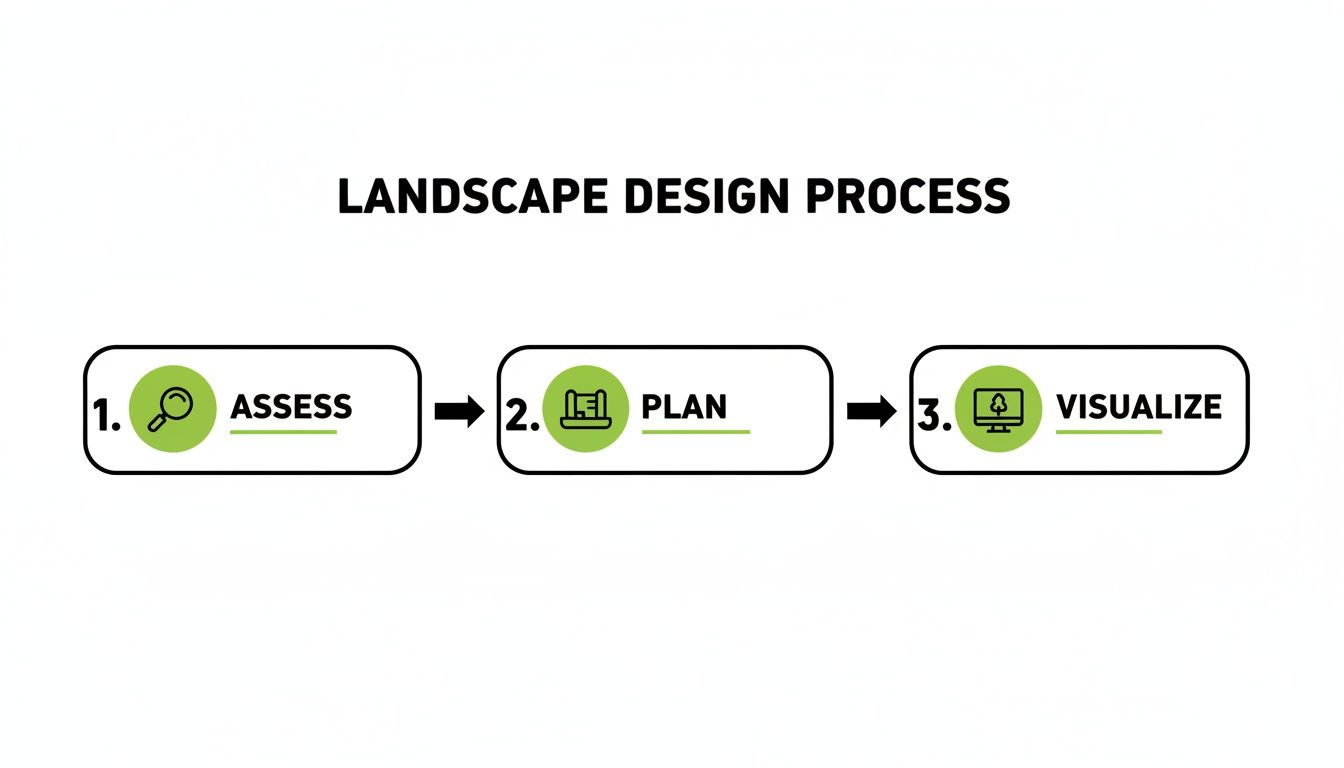
This workflow shows how a successful project moves from understanding what you have (Assess), to creating a blueprint (Plan), and finally, to seeing it all come to life before you start the heavy lifting (Visualize). Following this ensures no detail gets missed.
To help you get started, here's a quick framework that breaks down these core stages.
Front Yard Design Quick-Start Framework
| Stage | Key Action | Primary Goal |
|---|---|---|
| Assess | Analyze your site's sun, soil, and existing features. | Understand your property's unique conditions and limitations. |
| Plan | Set goals, define your budget, and create a layout. | Develop a practical and cohesive design blueprint. |
| Visualize | Use tools to see your design before building. | Confirm your vision and communicate it effectively. |
This table serves as your road map. By tackling each stage one by one, you'll build momentum and confidence as you go. For more inspiration and specific design concepts to get your creativity flowing, check out our guide on front yard landscaping ideas.
Reading Your Landscape Like a Pro
Before you even think about picking out plants or laying a single paver, the most important work happens. A truly great front yard design isn't just plopped onto the land; it grows out of a real understanding of the canvas you're working with. You have to become a bit of a detective, gathering clues about your property that will guide every single choice you make later on.
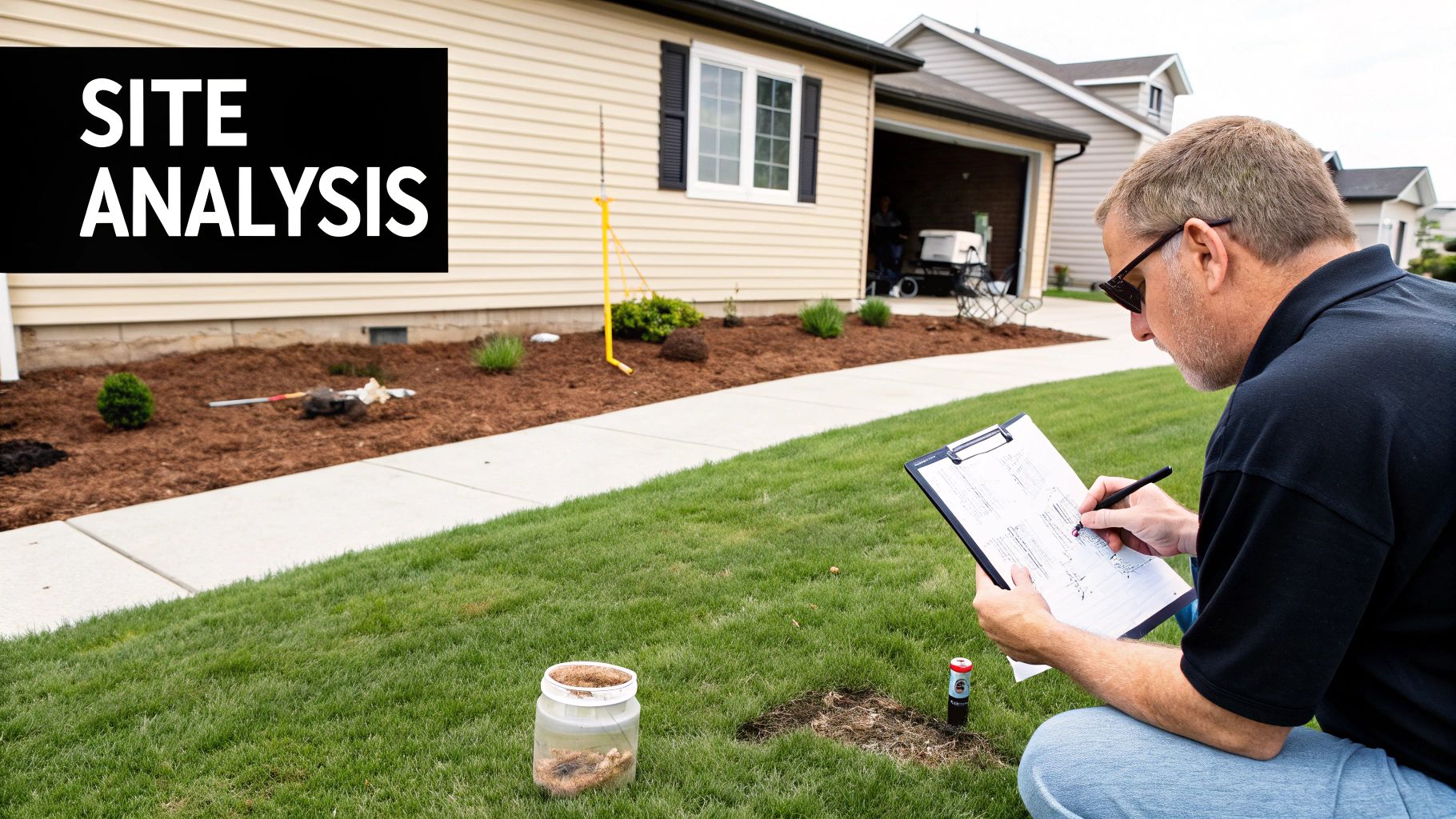
This initial investigation is what we call a site analysis. It’s all about getting to know your yard's quirks and personality so you can work with them, not fight against them. Trust me, spending a little time on this now will save you a world of headaches and wasted money down the road.
Follow the Sun
Sunlight is everything in a garden. It’s the number one factor that determines whether a plant will thrive or struggle. Put a sun-loving rose in deep shade, and you’ll get nothing. Stick a delicate hosta in the blazing afternoon sun, and it’ll be toast by July. Your first mission is to map out the sun's journey across your yard.
You don't need any fancy equipment for this. Just grab a notebook and pay attention for a full day.
- Morning: Where does the light first hit? That's your gentle eastern exposure.
- Midday: Pinpoint the spots that get baked by intense sun, usually from around 11 a.m. to 4 p.m. These are your "full sun" zones.
- Afternoon: Notice where the shadows from your house, big trees, or even the neighbor's garage start to fall. These areas get a break from the worst of the heat.
Jot it all down on a rough sketch of your property. This simple sun map instantly becomes one of your most valuable design tools, telling you exactly where certain types of plants will be happiest.
Get to Know Your Soil
Your soil is the foundation for everything that grows. Understanding what you’re working with—whether it's sandy, heavy clay, or something in between—is critical. A quick and easy way to get a baseline read is the good old-fashioned "jar test."
It’s simple: grab a clear jar, fill it about two-thirds with water, and toss in a scoop of your soil. Shake it up like crazy, then let it sit undisturbed for a few hours. You'll see distinct layers form.
- Sand: The heaviest particles sink to the bottom first. A big layer here means you have fast-draining soil that might struggle to hold onto nutrients.
- Silt: The middle layer is made of finer, smoother particles.
- Clay: The finest stuff settles on top, and the water might stay cloudy for a while. A thick clay layer means your soil holds moisture well but can get compacted and soggy.
The holy grail is loam, a nice balanced mix of all three. Most of us have soil that leans one way or another. Knowing which way yours leans helps you pick plants that are naturally suited for it or tells you that you’ll need to work in some compost to improve the soil structure.
So many people make the mistake of trying to fight their native soil. The secret is to embrace it. When you choose plants that already like the soil you have, you're setting yourself up for a healthier, lower-maintenance landscape from the get-go.
Sizing Up Your Site's Quirks
Beyond sun and soil, every yard has its own unique set of conditions that will influence your design. Take a walk around and make a mental inventory—or better yet, actual notes—on these key features.
Topography and Drainage Is your yard sloped? Even a gentle grade affects where water goes. After a big rain, go outside and see where puddles form. Those are your low, potentially soggy spots. A yard that slopes away from the house is great, but a steep hill presents its own challenges. If you're dealing with a significant incline, you might want to explore some creative slope landscaping solutions to prevent erosion and create more usable garden space.
Existing Features You also need to map out what's already there and whether it's staying or going. Be sure to note:
- Mature trees you want to keep
- The driveway and walkways
- Utility boxes, water meters, and hose spigots
- Windows and doors you don't want to block
This inventory creates the practical boundaries for your design. It ensures your beautiful new landscape is also perfectly functional and built to last.
Defining Your Vision and Setting a Smart Budget
Now that you’ve gotten to know your property on a practical level, it’s time for the fun part: dreaming up what your new front yard will look and feel like. But before you fall down the rabbit hole of plant catalogs and paver samples, we need to ground that creativity with a solid vision and a realistic budget. These two pieces work hand-in-hand, making sure your final design is both gorgeous and achievable.
Think of your vision as your North Star for the project. It keeps every single decision, from the curve of a garden bed to the color of your mulch, pointed in the same direction. This is what prevents that "one of everything" look and creates a landscape that feels like a natural extension of your home.
Find Your Landscape Style
The easiest place to start is with your home's own architecture. A clean, geometric landscape with sharp lines and minimalist plantings just feels right with a modern house. On the other hand, a romantic cottage garden, overflowing with flowers and soft textures, is the perfect match for a traditional bungalow. Your goal is to create a seamless journey from the street to your front door.
Need some inspiration? Here are a few popular styles that work in many settings:
- Modern: This style is all about clean lines, bold shapes, and a less-is-more approach to plants. Think structural evergreens, swaying ornamental grasses, and maybe one stunning specimen tree.
- Cottage: The complete opposite of modern, this look is charmingly informal and abundant. It’s a dense, joyful mix of colorful perennials, climbing roses, and rustic materials like flagstone or brick.
- Xeriscaping: A smart, water-wise approach that uses drought-tolerant plants like succulents, yuccas, and native grasses. It’s often paired with gravel, decorative rock, and other non-living elements to create a beautiful, low-maintenance design perfect for drier climates.
And remember, you don't have to pledge allegiance to a single style. Some of the most compelling front yards I've seen borrow elements from different themes to create something truly personal.
Set Clear, Actionable Goals
Beyond just looking good, what does your front yard need to do for you? A great design solves problems. Answering this question early on will shape the entire layout and save you from costly mistakes down the road.
I've seen it happen too many times: homeowners focus so much on what the yard will look like that they forget to define how it needs to function. A beautiful landscape that doesn't fit your lifestyle will eventually become a source of frustration.
Before you start sketching, think about what matters most. Are you after any of these?
- Low Maintenance: Do you want to spend weekends enjoying your yard, not weeding it? If so, you’ll want to prioritize slow-growing shrubs, evergreen groundcovers, and maybe an automated irrigation system.
- Enhanced Privacy: Need to block the view of a busy street or a too-close neighbor? Your design should include strategic layers of hedges, carefully placed trees, or even decorative screens.
- A Pollinator Haven: If supporting local wildlife is your goal, your plant list should be packed with native species, a variety of flower shapes, and a water source for birds and bees.
When you define these goals first, it narrows down your options and makes every subsequent decision—from plants to materials—infinitely easier.
Creating a Realistic Budget
Alright, let's talk money. A landscape budget isn't just one big number; it's a plan for how you'll spend your funds. Knowing where the money typically goes helps you allocate it wisely. As a general rule of thumb, homeowners often invest 5% to 15% of their home's value for a complete landscape renovation.
So, where does it all go? Here’s a typical breakdown:
| Category | Typical % of Budget | Key Components |
|---|---|---|
| Hardscaping | 40-60% | Walkways, patios, retaining walls, edging |
| Plants & Soil | 20-30% | Trees, shrubs, perennials, soil amendments, mulch |
| Labor & Pro Help | 15-25% | Designer fees, installation crew, electricians |
| Finishing Touches | 5-10% | Irrigation, lighting, planters, furniture |
If that total looks intimidating, don't sweat it. You don't have to do it all at once. Phasing the project is a fantastic strategy for making a big investment more manageable. Focus on the "bones" of the landscape first—things like walkways, major trees, and retaining walls. You can always come back next year to add the perennial beds or install the landscape lighting. This way, you can build your dream yard over time without breaking the bank.
Bringing Your Front Yard Vision to Life: Layout, Plants, and Pathways
Alright, you've done the homework—analyzing your site, setting goals, and figuring out a budget. Now for the fun part: sketching out a layout that pulls everything together. This is where your front yard starts to take shape on paper, arranging the core elements like plants, pathways, and special features into a design that just works. Think of this as creating the "skeleton" of your new landscape.
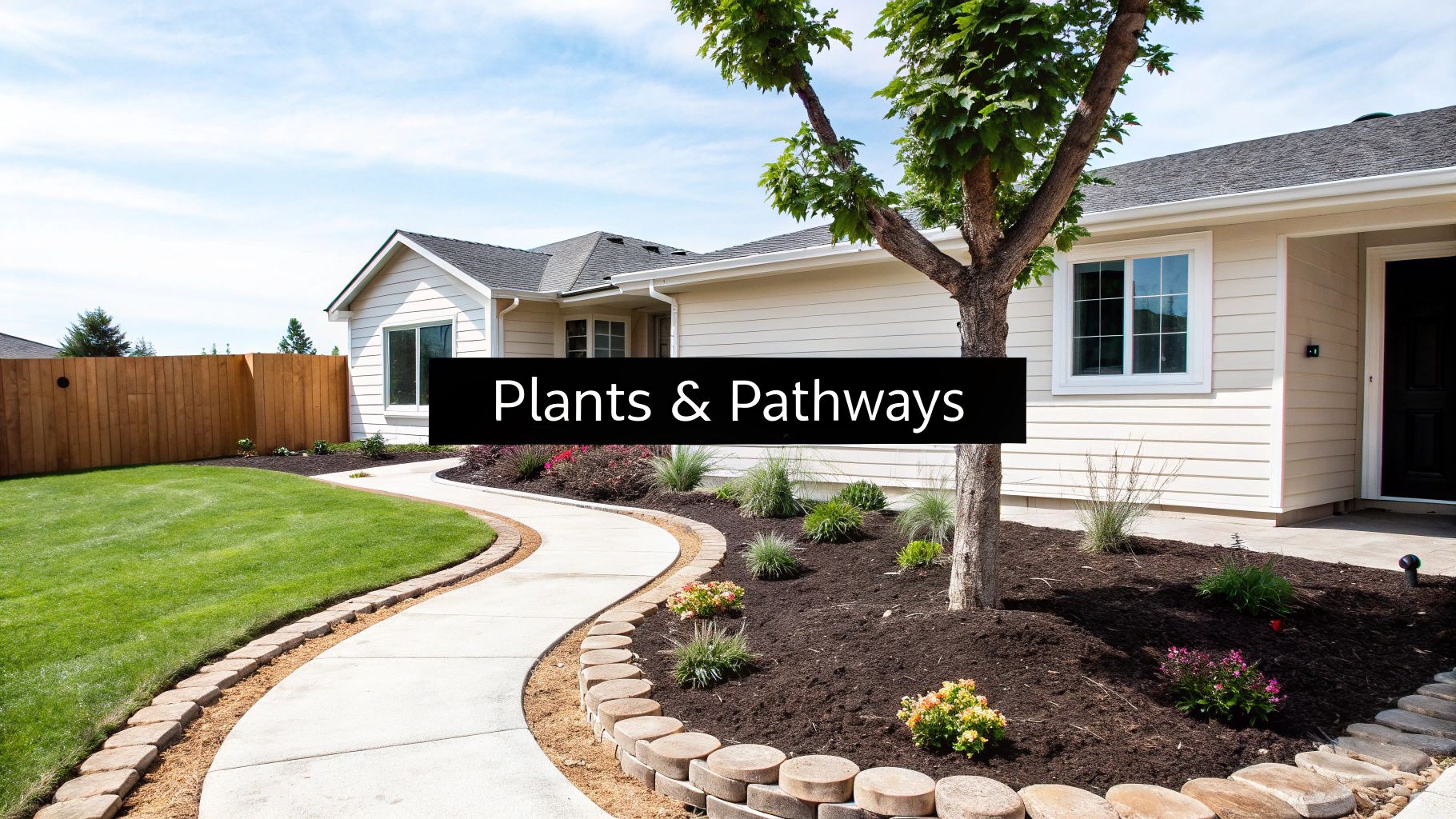
The best designs I've seen always start with the big, structural pieces. These are the elements that give your yard definition all year round, long after the seasonal flowers have faded. We're talking about evergreen shrubs, small trees, and hardscaping features like a stone walkway or a low retaining wall. Get these anchors in place first, and the rest of the design will fall into place around them.
Guiding the Way With Pathways
A walkway is so much more than a way to get from your car to the door. It sets the tone for your entire front yard, guiding visitors (and their eyes) through the space. The shape you choose has a huge impact on the overall vibe.
- Straight Paths: These feel formal and direct, making a beeline for the entrance. They work perfectly with modern, colonial, or other symmetrical home styles, giving off a clean and orderly feel.
- Curving Paths: A gentle S-curve creates a completely different experience. It feels more relaxed and natural, inviting you to slow down and take in the scenery. This is a go-to choice for cottage, craftsman, or rustic-style homes.
Here’s a pro tip: Before you ever break ground, lay out your proposed path with a garden hose or a long rope. Leave it there for a day or two and walk it a few times. Does the curve feel natural? Is it wide enough? This simple test helps you perfect the flow before committing. For more inspiration, check out these front walkway landscaping ideas.
Creating a Powerful Focal Point
Every memorable front yard has a focal point—that one thing your eyes are naturally drawn to. Without it, the space can feel a bit scattered and uninteresting. A focal point gives the design a clear anchor, but it doesn't have to be big or flashy. It just needs to be intentional.
Some great options include:
- A standout specimen tree, like a Japanese Maple with its sculptural branches or a River Birch with its peeling bark.
- An architectural feature, like a unique garden gate, a large, stylish planter by the door, or a welcoming bench.
- A mass planting of a single, dramatic plant, such as a large sweep of Karl Foerster feather reed grass.
Think carefully about where you place it. You might use it to frame your front door, anchor the corner of a garden bed, or provide a beautiful view from your living room window.
Layering Plants for a Lush, Full Look
With the bones of your design in place, it's time to flesh things out with plants. The key to a garden that looks like it was designed by a professional is layering. This just means arranging plants in tiers from back to front based on their full-grown height. It creates a sense of depth and keeps the garden looking full and vibrant.
A simple formula for layering is:
- Back Layer (Tallest): Place your tallest plants against the house or a fence. Think climbing roses, tall ornamental grasses, or small trees.
- Middle Layer (Medium): This is for your mid-sized shrubs and perennials that will add the bulk of the color and texture.
- Front Layer (Shortest): Use low-growing perennials, annuals, and groundcovers along the very front edge to soften the border between the garden bed and your lawn or walkway.
A common mistake I see all the time is planting for the size of the plant now, not its size in three years. Give your plants room to grow! A little extra space today prevents an overcrowded, high-maintenance mess down the road.
Using this layered approach guarantees every plant gets its moment in the spotlight. To make the whole design feel cohesive, try repeating a few key plants or colors in different spots. A pop of the same chartreuse Heuchera here and there pulls the whole yard together beautifully.
It's also worth noting how much homeowner preferences are changing. In 2023, data showed that 13% of landscape projects involved getting rid of the lawn entirely, while 40% opted for a smaller lawn combined with larger planting beds. People are embracing drought-tolerant native plants and smarter materials for front yards that are both stunning and sustainable.
7. See It Before You Build It: Visualizing Your Design
You've got a layout sketched out and a list of plants you love. But how do you go from a flat drawing to a real-life vision? It’s notoriously difficult to imagine how a simple sketch will actually look and feel once you’re standing in your yard. This is where modern design tools completely change the game.
For the longest time, your only options were hiring a professional landscape architect for a rendering or just winging it with your own drawings. Thankfully, that's no longer the case. New tools have emerged that take the guesswork out of the entire process, letting you see a stunningly realistic preview before you ever break ground.

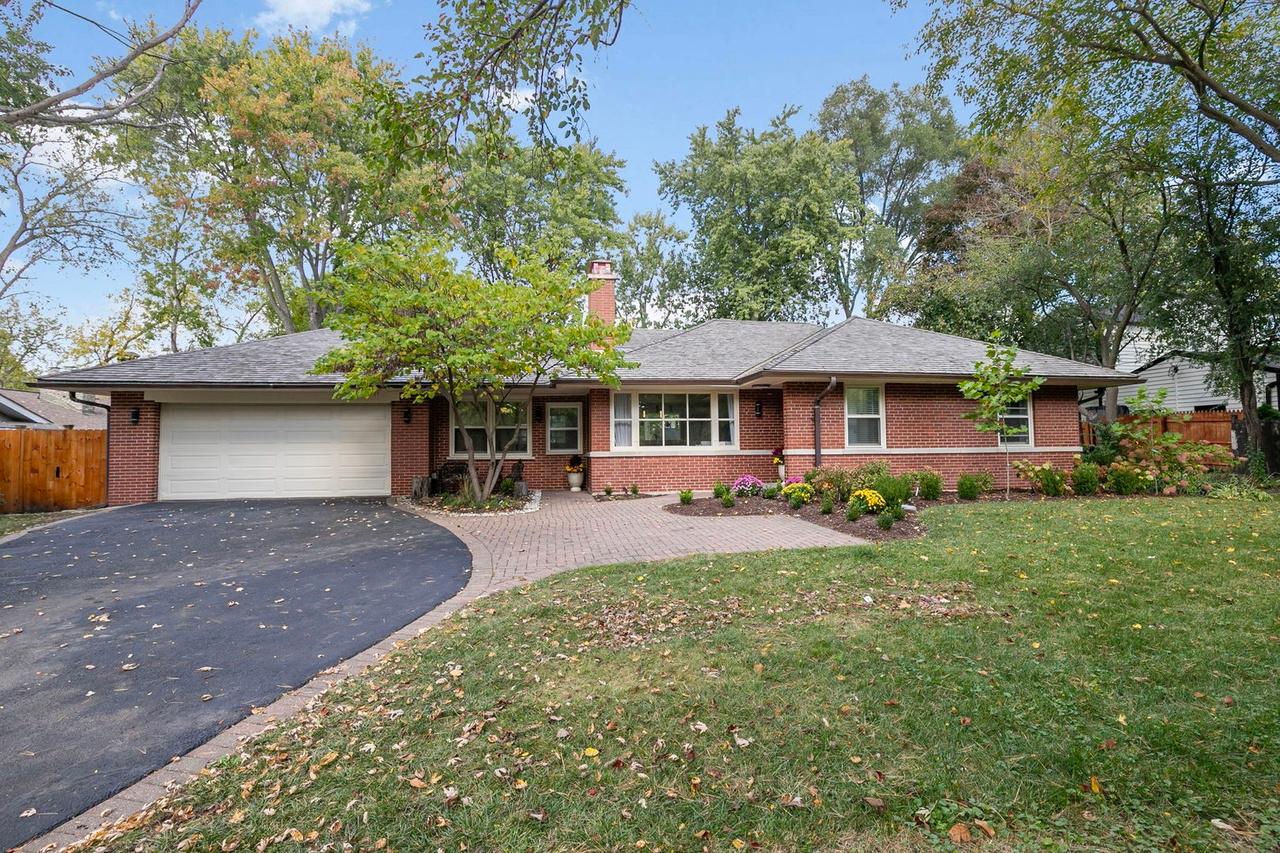
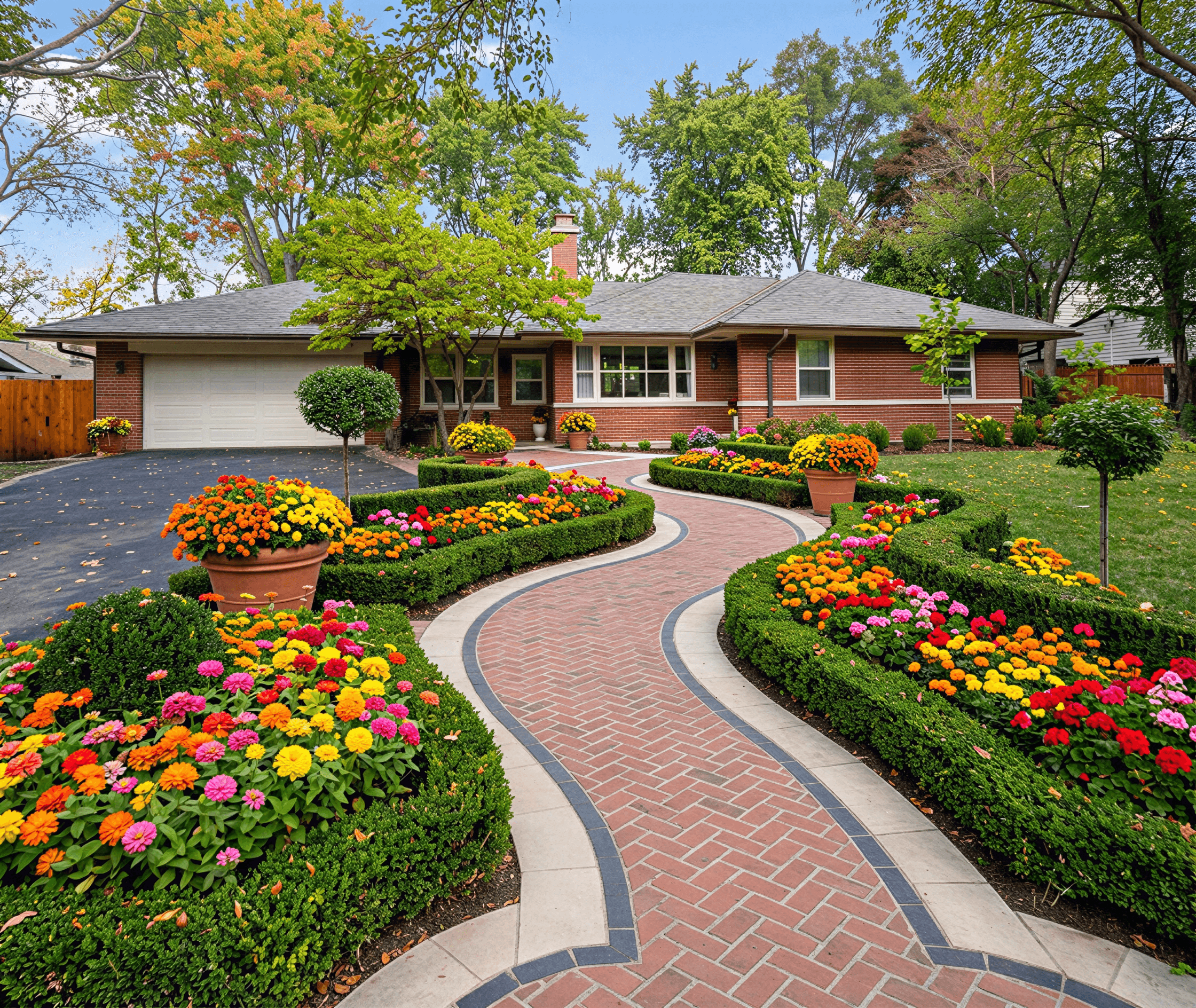
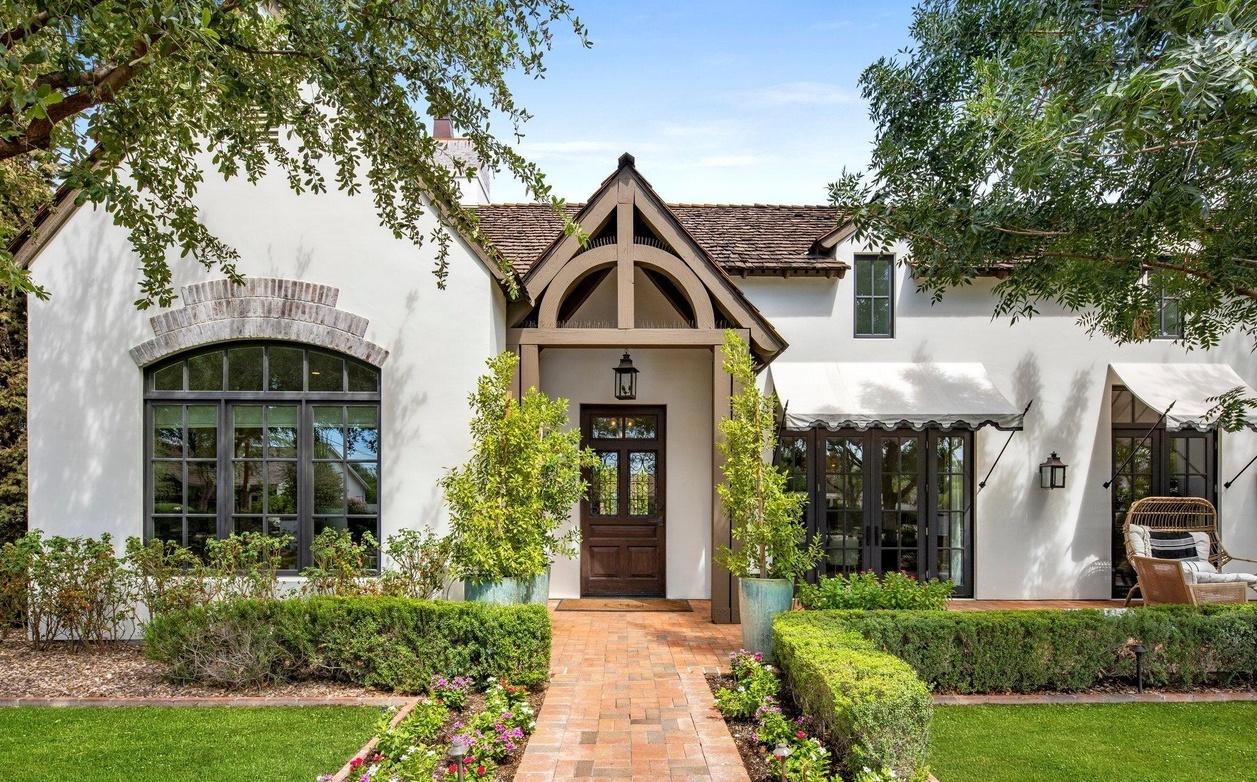
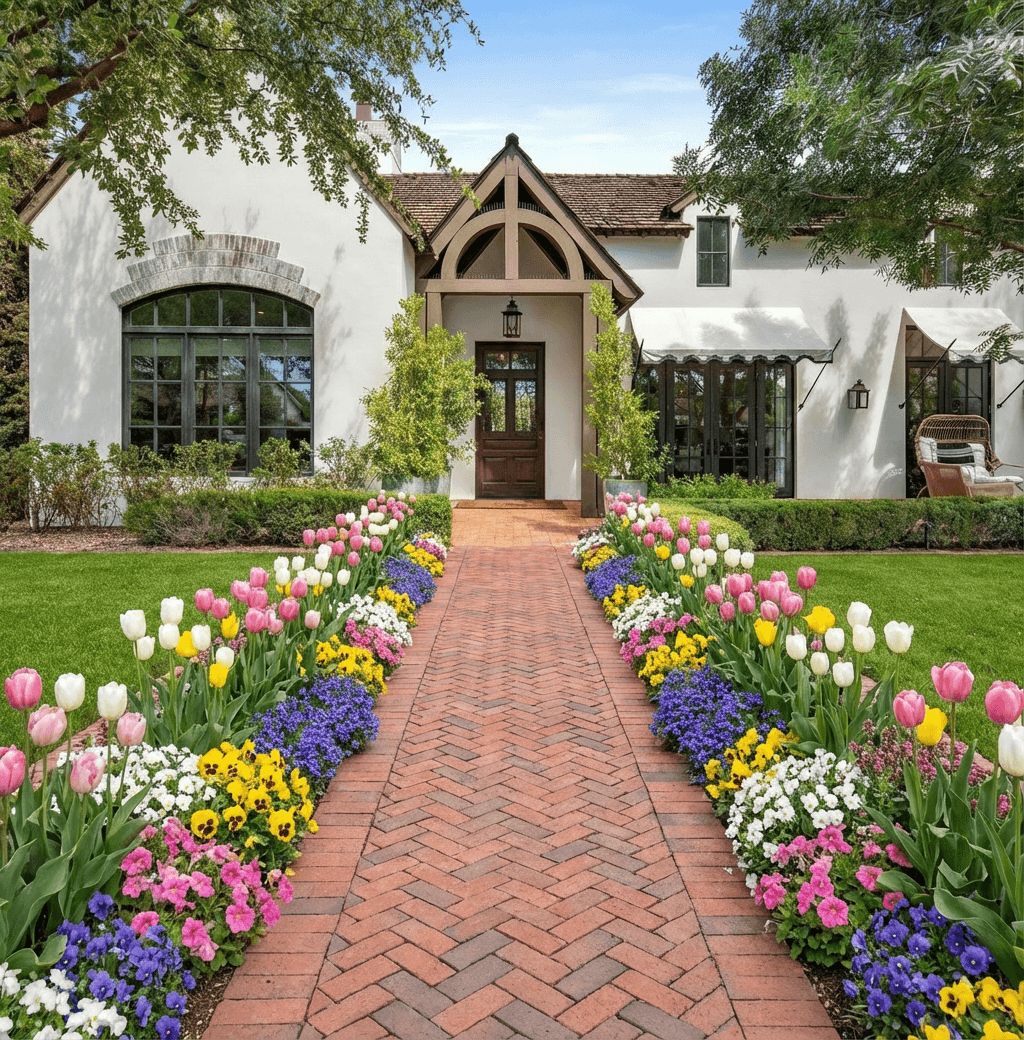
This is the key—the ability to see your ideas come to life on a photo of your actual home. This makes refining colors, testing different materials, and swapping out plants incredibly easy and intuitive.
AI Gives You a Designer's Eye
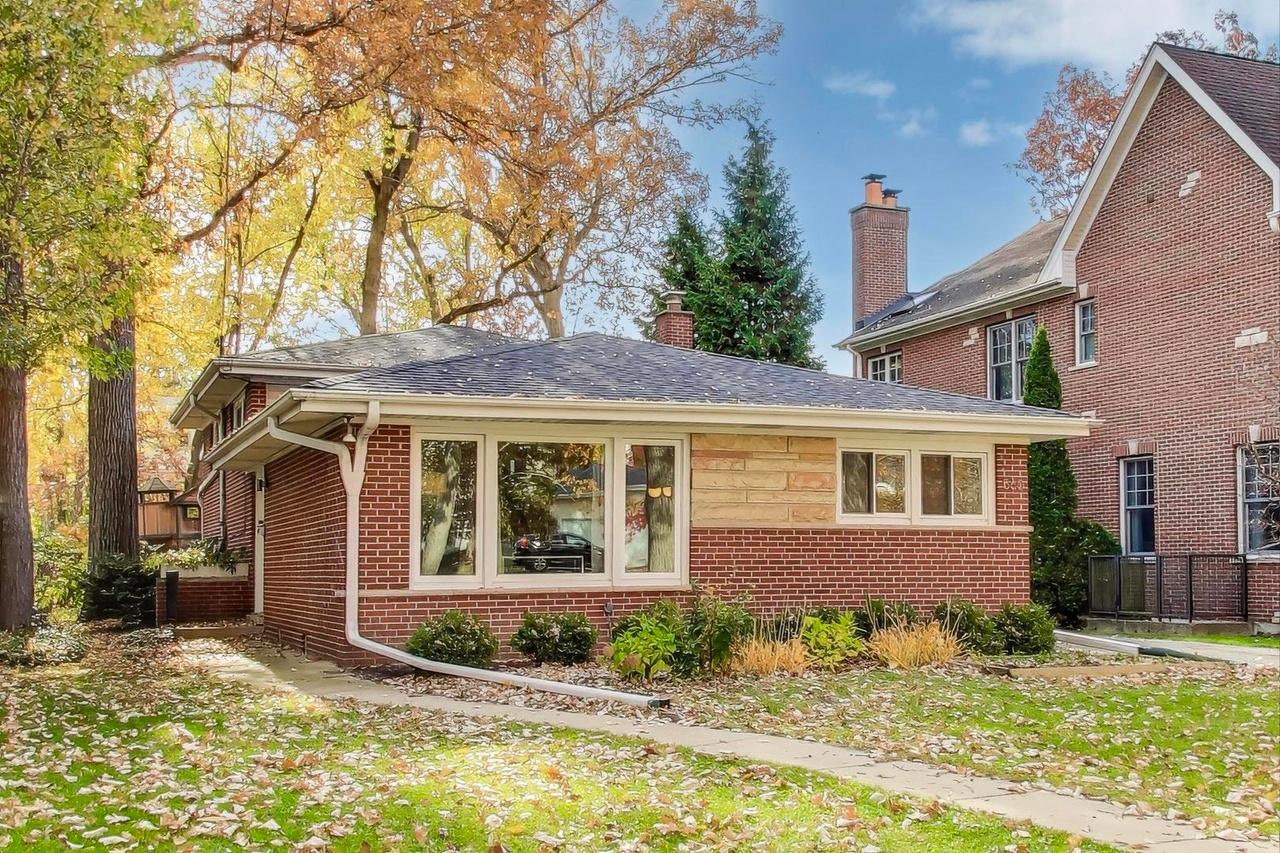
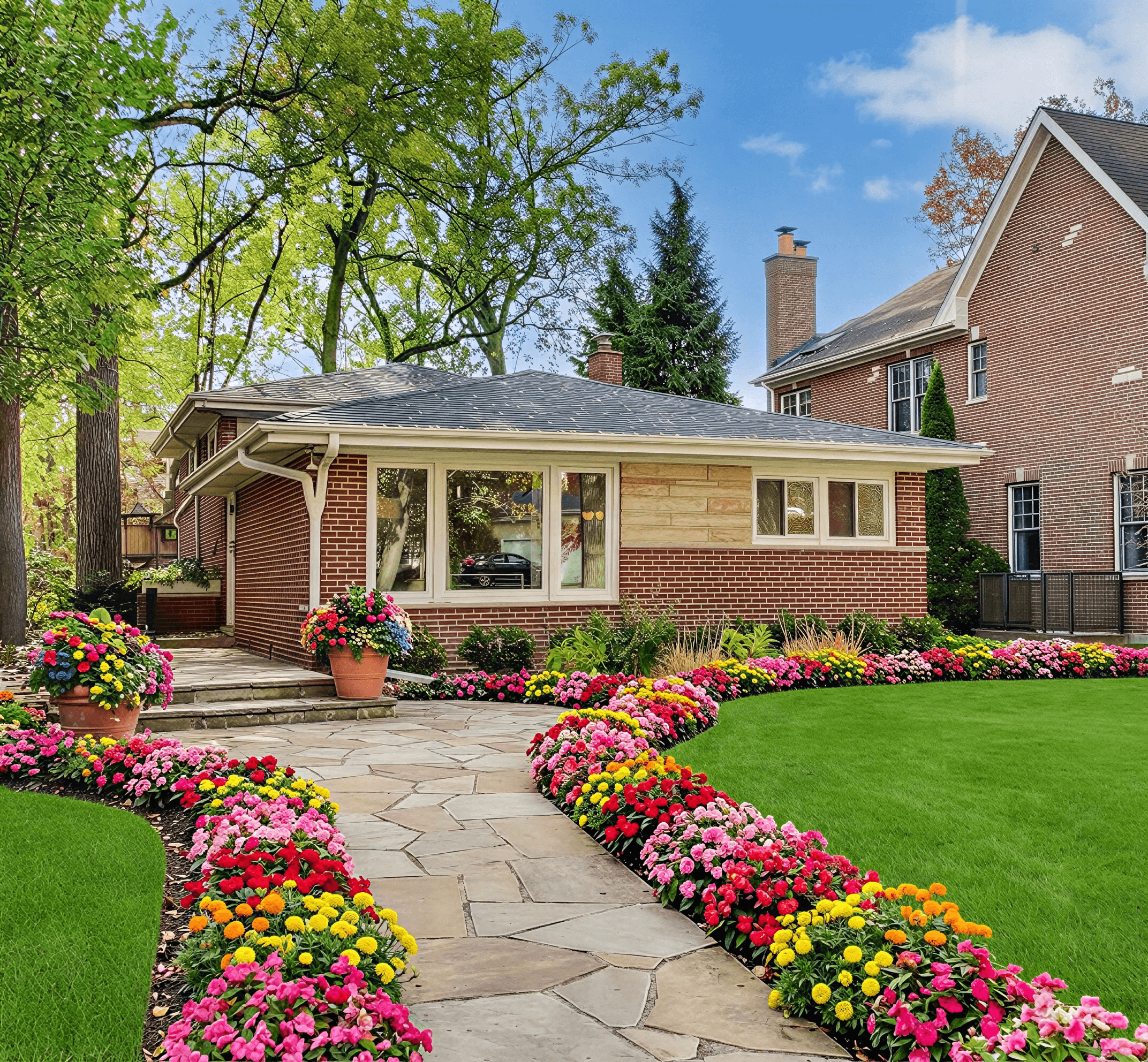
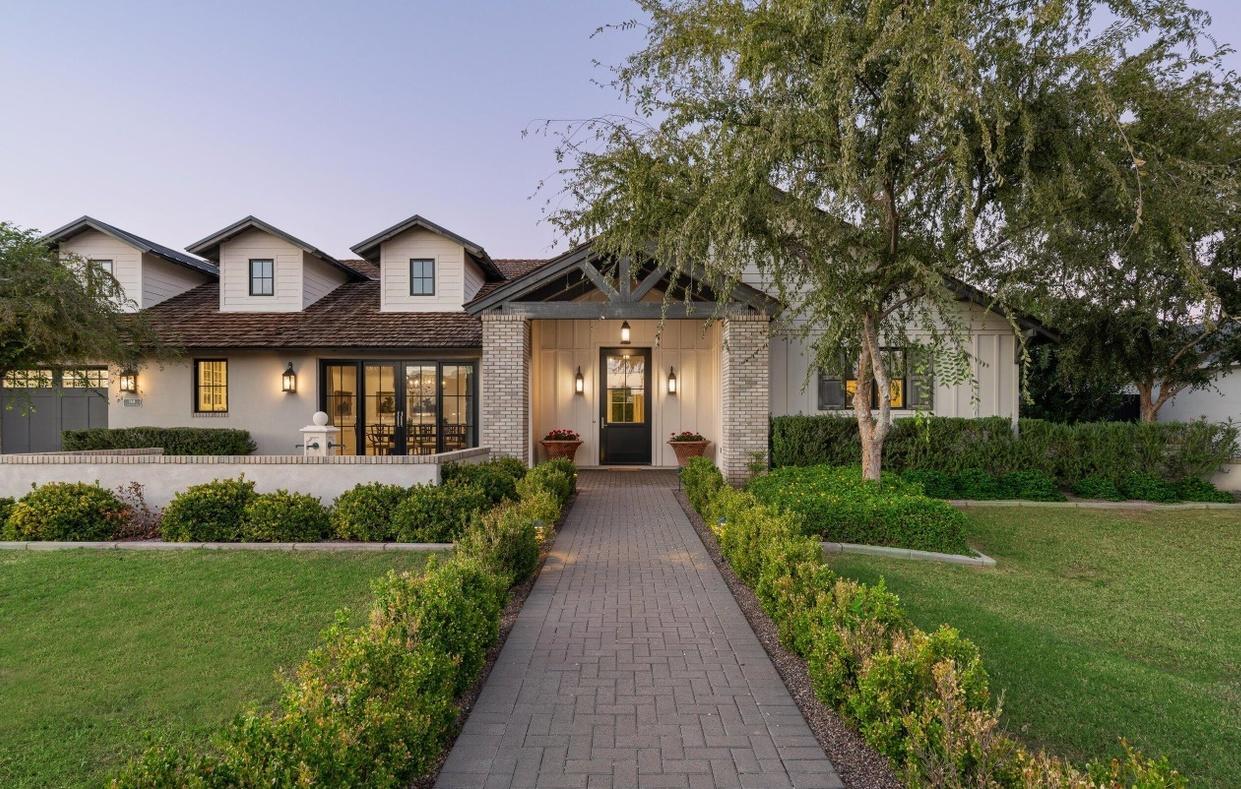
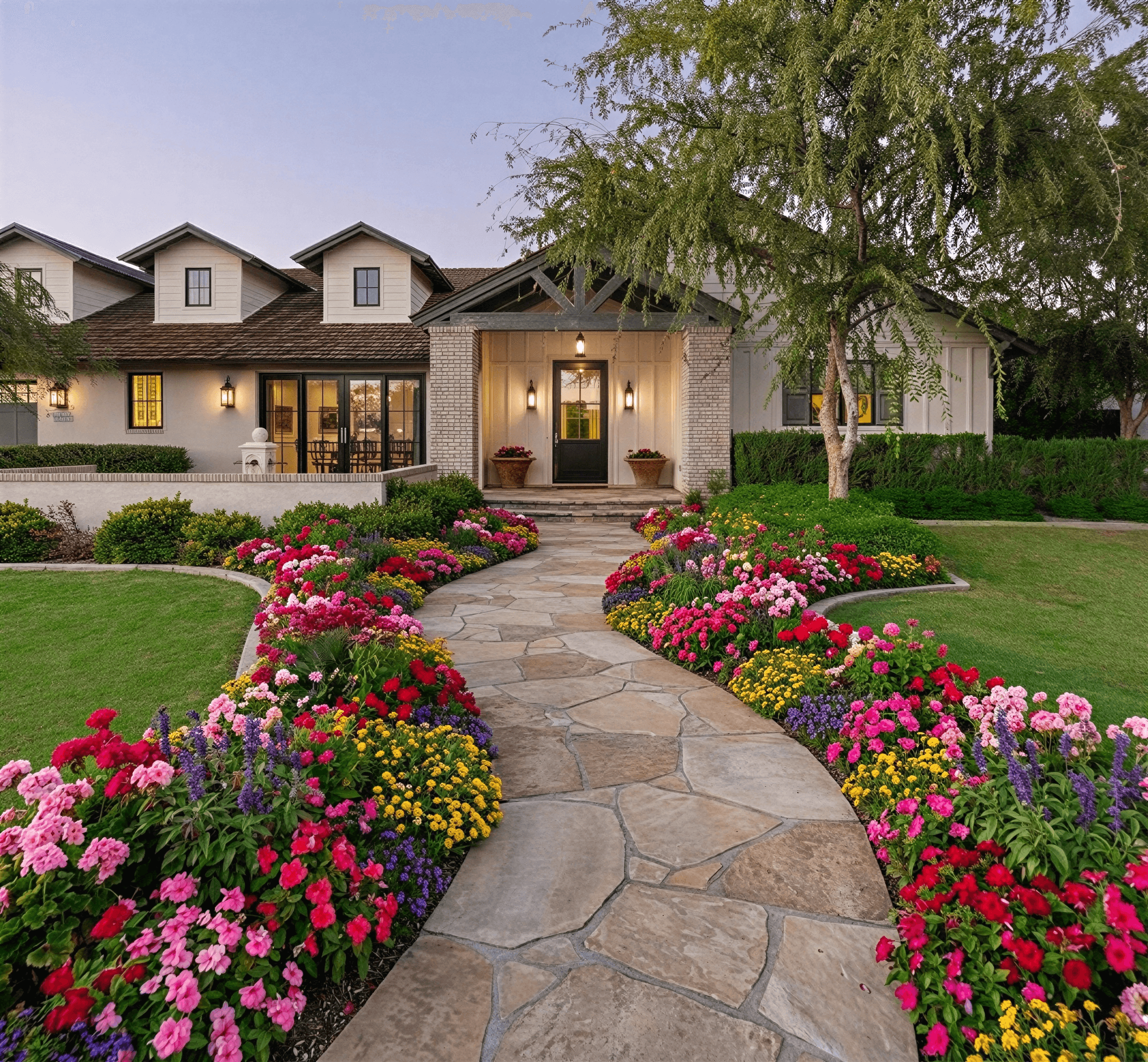
Platforms like Curb Appeal AI are making this kind of high-level visualization accessible to any homeowner. The concept is brilliantly simple: you upload a photo of your house, and the AI generates a whole range of design concepts in just a few seconds. These aren't just generic templates, either; the tech is smart enough to analyze your home's existing style and architecture, so the results feel custom-made.
For anyone trying to figure out how to design a front yard landscape, this is a huge advantage. It lets you experiment quickly and with zero risk.
- Try on Different Styles: Ever wondered if your home would look better with a classic English garden or a modern, minimalist Xeriscape? Now you can see both—and dozens more—in minutes.
- Fine-Tune the Details: Instantly see how a bluestone walkway looks compared to brick, or how different plant combinations complement your home's color.
- Get on the Same Page: A picture is truly worth a thousand words. Showing a contractor or your spouse exactly what you have in mind prevents miscommunication and costly mistakes down the road.
Think of it like test-driving your landscape. A good visual preview gives you the confidence to move forward, knowing you'll love the result. It helps you avoid that sinking feeling of "I wish I'd done that differently" after all the work is done.
Smarter Planning, Not Just Pretty Pictures
The best tools go beyond just making things look good; they add a layer of practical intelligence to your planning. By using your location’s hardiness zone, for instance, a platform can recommend plants and materials that are a good fit for your climate. This is a game-changer compared to just picking things you like from a book or a blog.
This built-in expertise helps you sidestep some of the most common landscaping mistakes, like choosing a gorgeous shrub that can’t handle your winters or a thirsty lawn in a drought-prone area. By nudging you toward climate-appropriate choices from the start, these tools help ensure your new landscape will thrive for years to come.
This visual-first approach empowers you to make smarter, more informed decisions. It turns planning from an abstract chore into a fun, creative process, making sure your investment pays off exactly as you imagined.
Answering Your Top Front Yard Design Questions
When you start thinking about redoing your front yard, a lot of questions pop up. It’s only natural. Getting a handle on these common concerns from the get-go can save you a ton of headaches and money down the road, and it’ll give you the confidence to see the project through.
Let's walk through some of the questions I hear most often from homeowners just starting out. Answering these now helps you build a realistic plan before you ever break ground.
What Are the Biggest Mistakes I Should Avoid?
I've seen a few common missteps trip people up over the years. The number one culprit? Not having a real plan. It’s so tempting to go to the nursery, buy a few pretty plants that catch your eye, and just stick them in the ground. But that almost always leads to a yard that feels random and disconnected.
Another classic mistake is planting things way too close to your house. That adorable little evergreen you just bought might look perfect now, but in five years it could be an 8-foot-wide beast swallowing your walkway and blocking a window. Always, always plan for the mature size of your plants.
Here are a few other pitfalls to watch out for:
- Ignoring Scale: A massive, two-story house with tiny flower beds and a skinny little path looks unbalanced. Your landscape elements should feel proportional to the size of your home.
- Forgetting About Winter: It’s easy to design a garden that looks incredible in May. The real test is what it looks like in January. You need to think about four-season interest—things like evergreens, trees with interesting bark, or well-placed hardscaping that look good even when the flowers are gone.
- The Wrong Plant in the Wrong Place: This one’s a heartbreaker. Putting a sun-loving plant in a shady spot or one that needs dry soil in a soggy area is just setting it up to fail. This is why that initial site analysis we talked about is so critical.
How Much Should I Actually Budget for This?
This is always the big question, and the honest-to-goodness answer is... it depends. A lot. But a good rule of thumb that professionals often use is to budget somewhere between 5% and 15% of your home's value for a full landscaping project. That's a huge range, but it covers everything from a simple refresh to a total gut job.
For example, maybe you're just adding fresh mulch, creating a couple of new perennial beds, and planting a new tree. That might run you a few thousand dollars. But if you’re talking about a complete overhaul—new stone walkways, retaining walls, an irrigation system, and larger, more mature plants—you could easily be looking at $10,000 to $30,000 or more, especially if you're hiring pros.
Think of your budget as a guide, not a straitjacket. It helps you decide where to splurge (maybe on that beautiful stone patio) and where to save (like starting with smaller plants that will fill in over a few years).
Should I Hire a Pro or Do It Myself?
The DIY vs. pro decision really comes down to three things: your budget, your time, and how comfortable you are with the work involved. If you have a clear vision, love getting your hands dirty, and want to save money, a DIY approach can be incredibly satisfying.
On the other hand, if your yard has major challenges—like a steep slope or drainage problems—or if the whole project just feels too big, hiring a landscape designer is a smart move. Their expertise can save you from making expensive mistakes, and a professional design almost always adds more value to your home in the long run.
A great middle ground is to use modern tools to create your own professional-looking plan first. You can play with ideas, get the layout just right, and then decide. Maybe you'll feel confident enough to install it yourself, or maybe you'll hand that perfect blueprint over to a contractor to bring it to life.
Ready to stop guessing and start visualizing? Curb Appeal AI lets you see your front yard’s potential in seconds. Just upload a photo of your home, explore dozens of styles that work for your climate, and create a realistic design you can actually build from. Try it for free and start designing your dream landscape today.
Powered by the Outrank tool