7 Best Sites for Easy Backyard Landscaping Pictures

Stop Scrolling, Start Planning: Where to Find Actionable Landscaping Ideas
You’ve seen the pattern. You search for easy backyard landscaping pictures, save a dozen gorgeous yards, then realize none of them tells you what to do with your own space. One photo shows a gravel courtyard, another leans cottage garden, a third is all sleek pavers and sculptural grasses. The result isn’t clarity. It’s backlog.
The best backyard inspiration does more than look good. It helps you narrow a direction, choose plants and materials that fit your yard, and avoid wasting money on ideas that only work in someone else’s climate or budget. That’s the difference between a moodboard and a plan.
This guide is built for that exact gap. Instead of handing you a random pile of websites, it sorts the strongest resources by how they help. Some are best for broad idea gathering. Some are better for filtering by style and yard type. One is built to show those ideas on your actual home so you can move toward a real design instead of endlessly browsing.
If your next step after inspiration is also thinking about nighttime usability, these outdoor lighting tips pair well with any backyard upgrade.
1. Curb Appeal AI

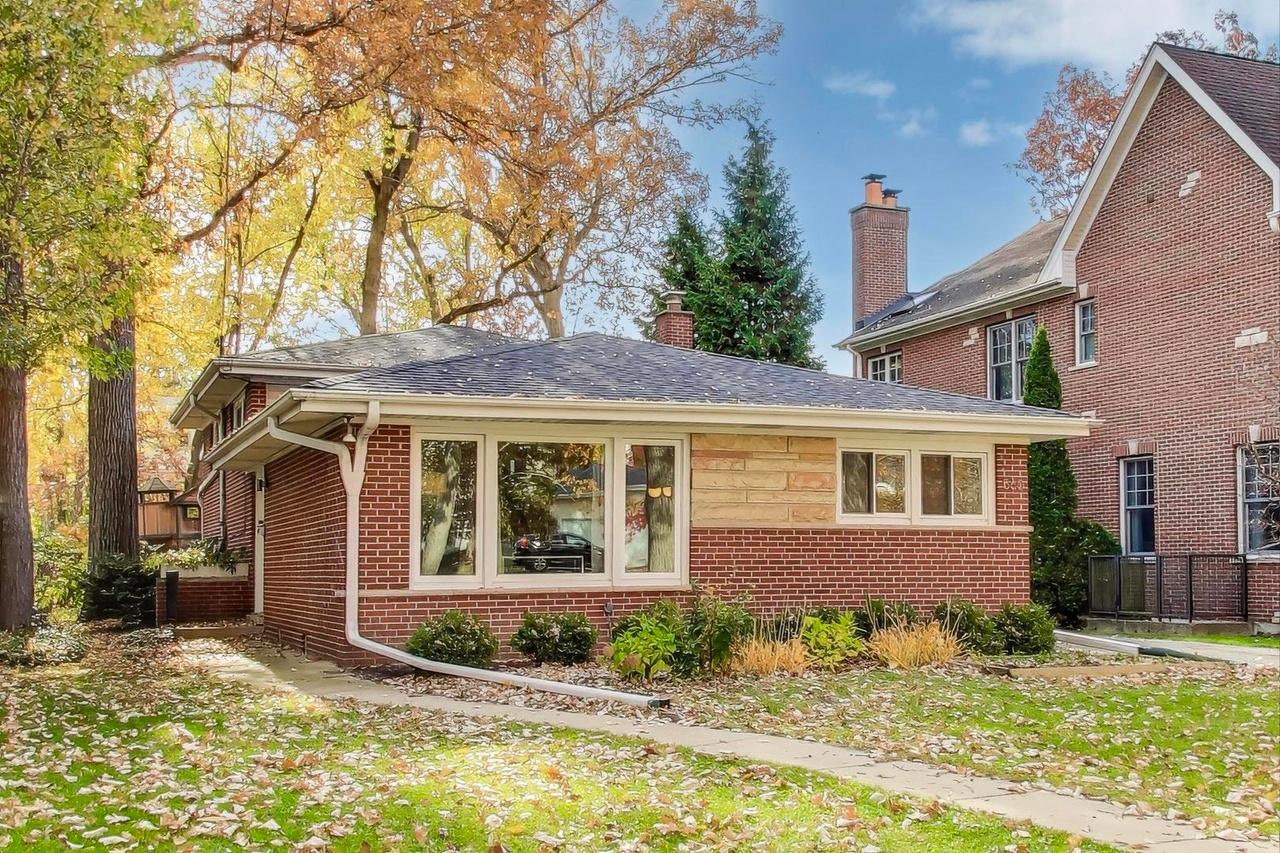
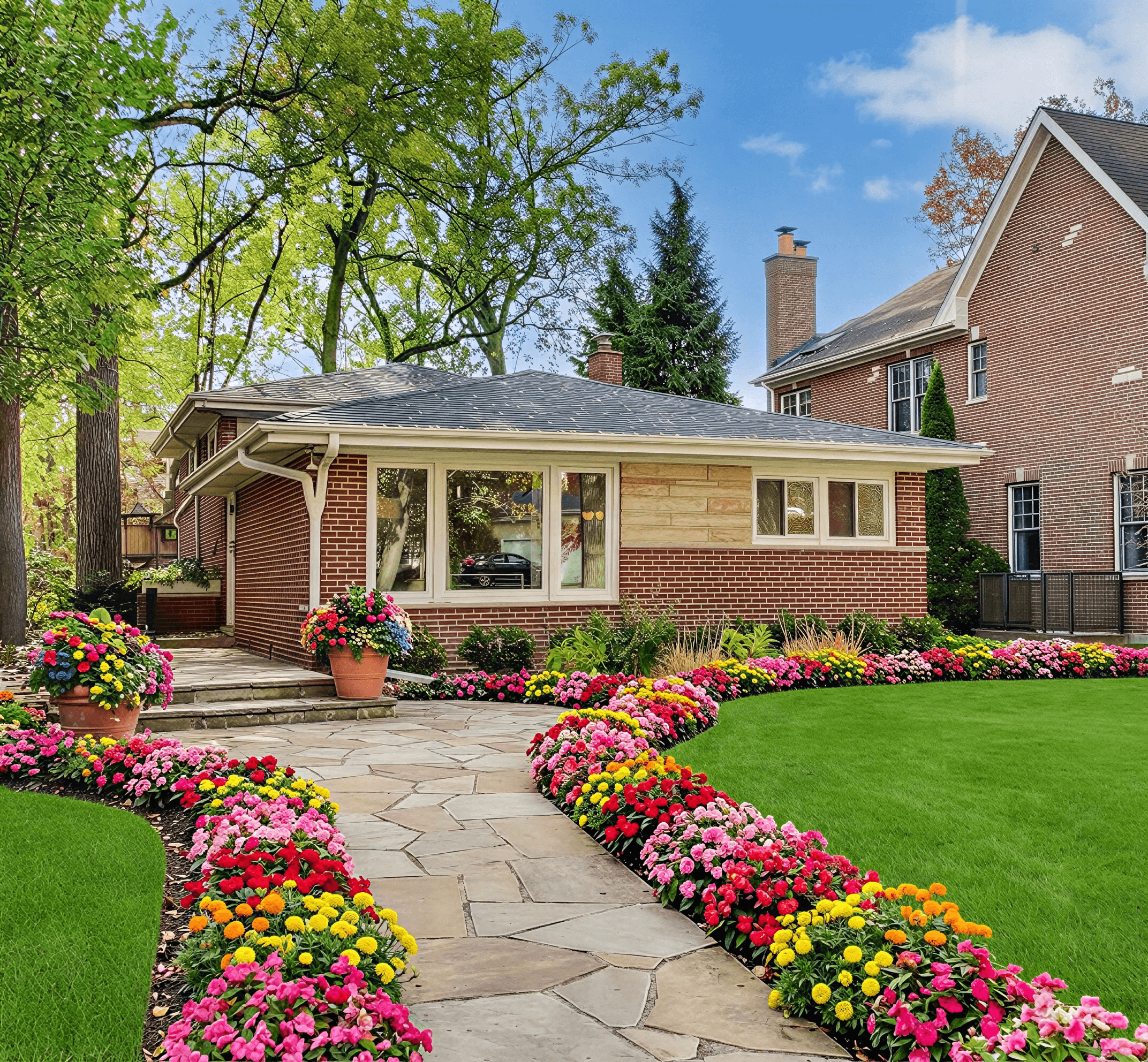
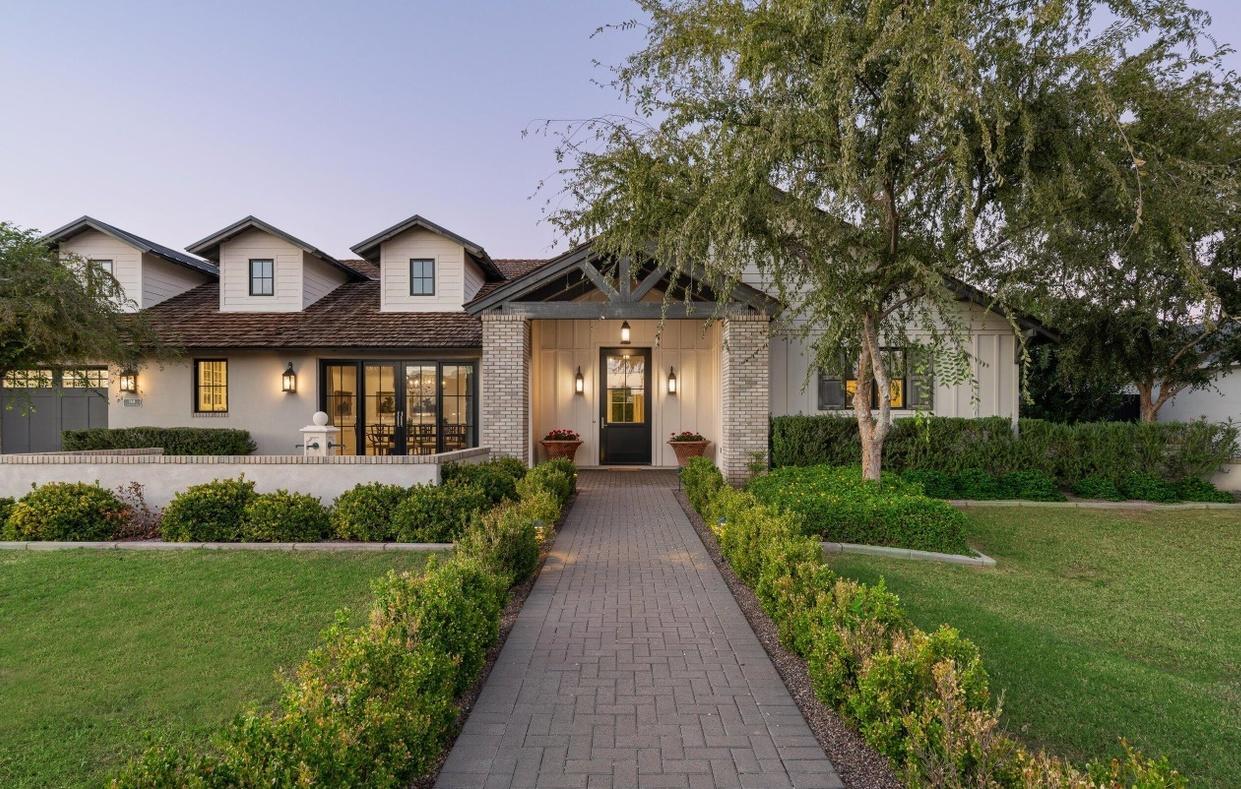
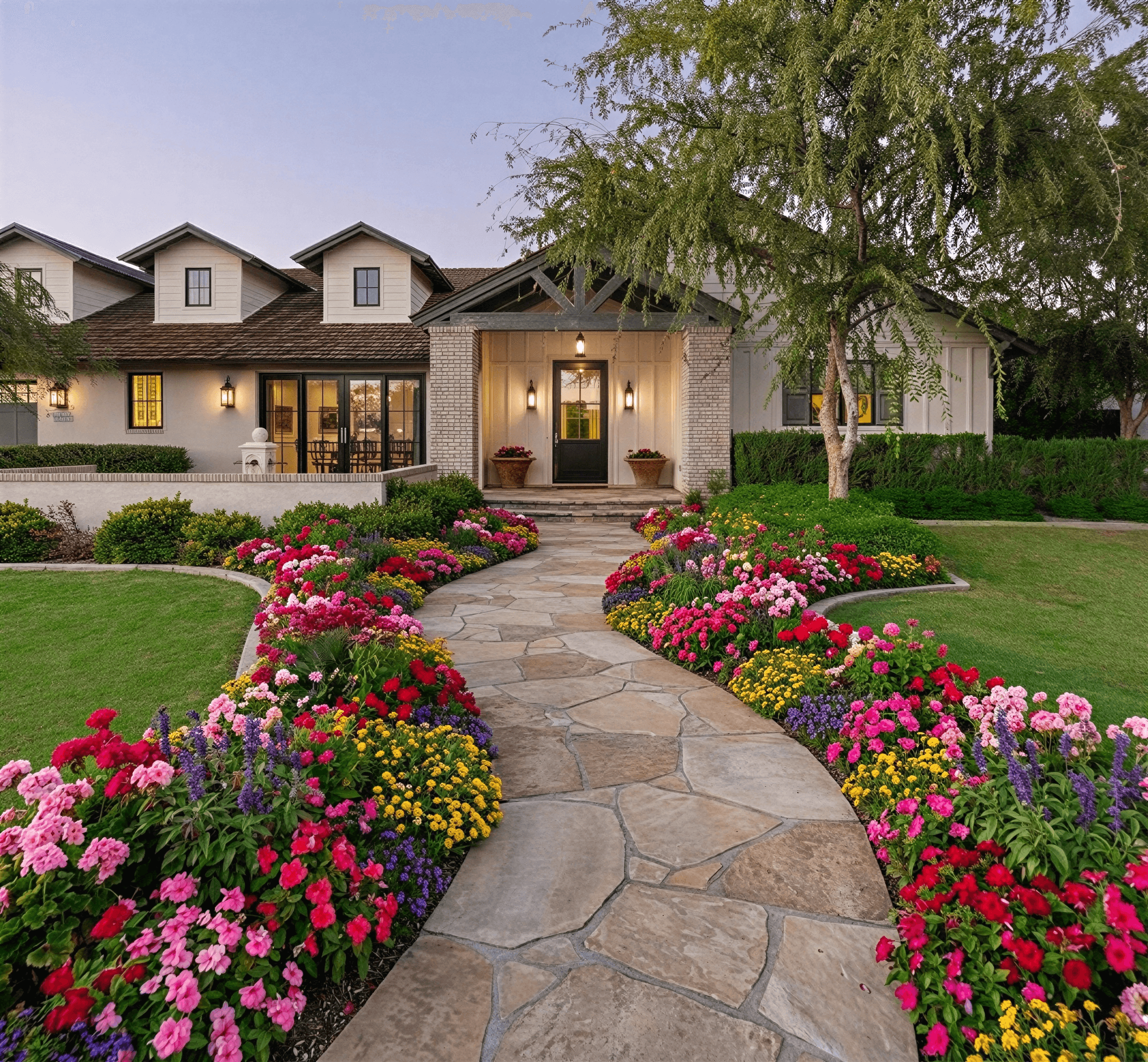
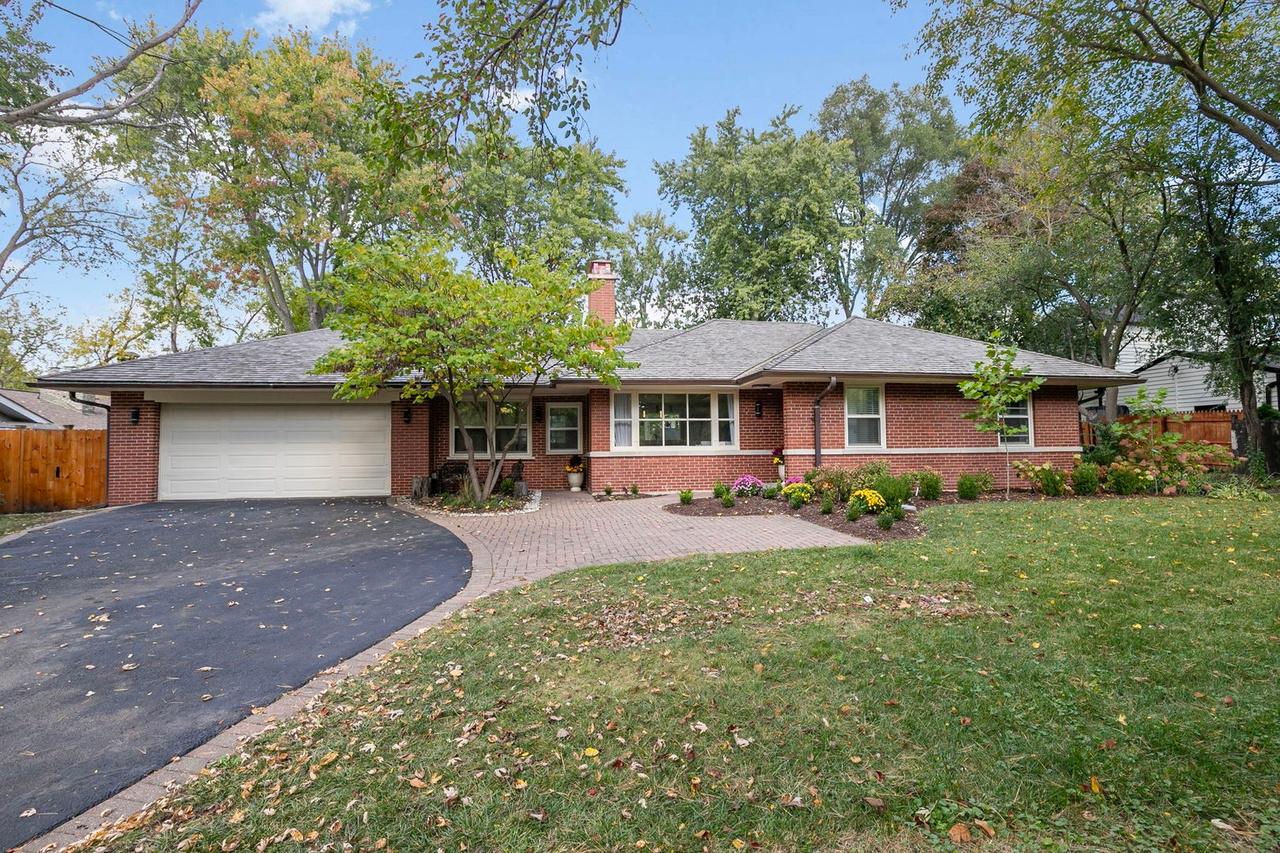
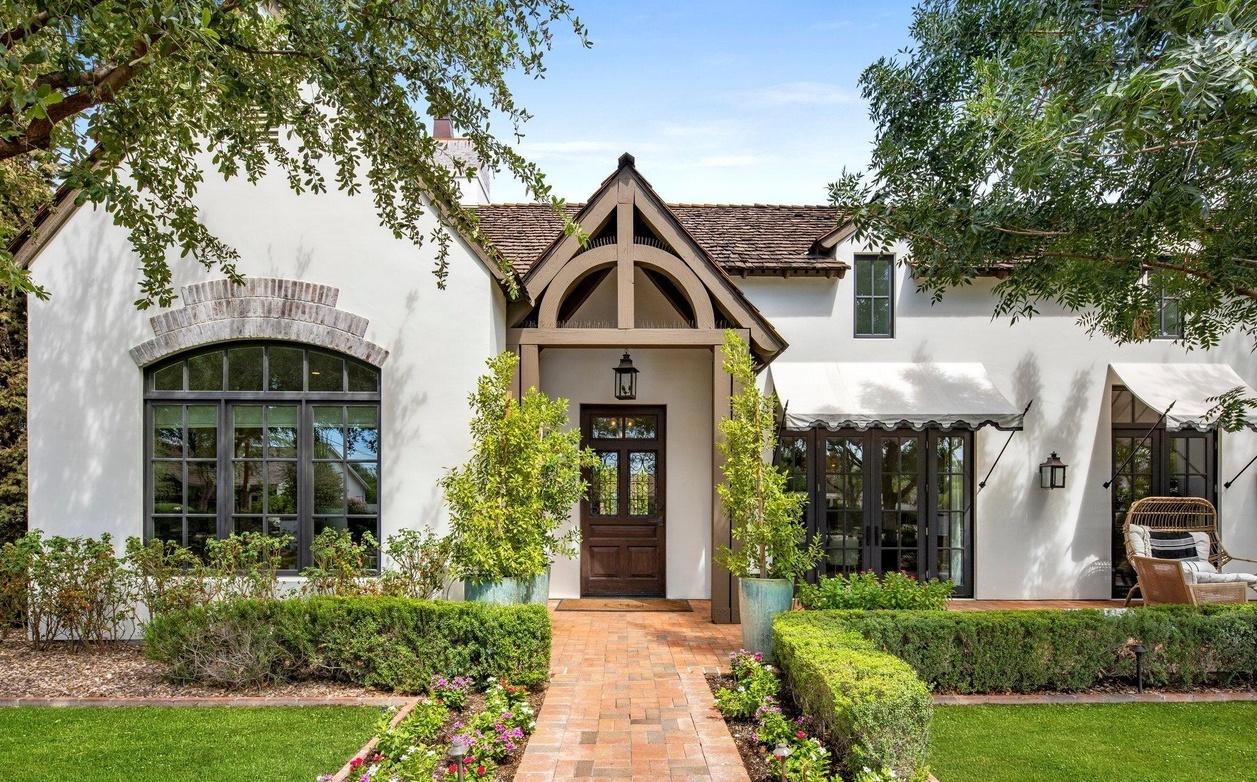
You save a few backyard photos, show them to your family, and the same question comes up every time. Which parts would work here? Curb Appeal AI is useful at that stage because it shifts the job from collecting ideas to testing options on your own property.
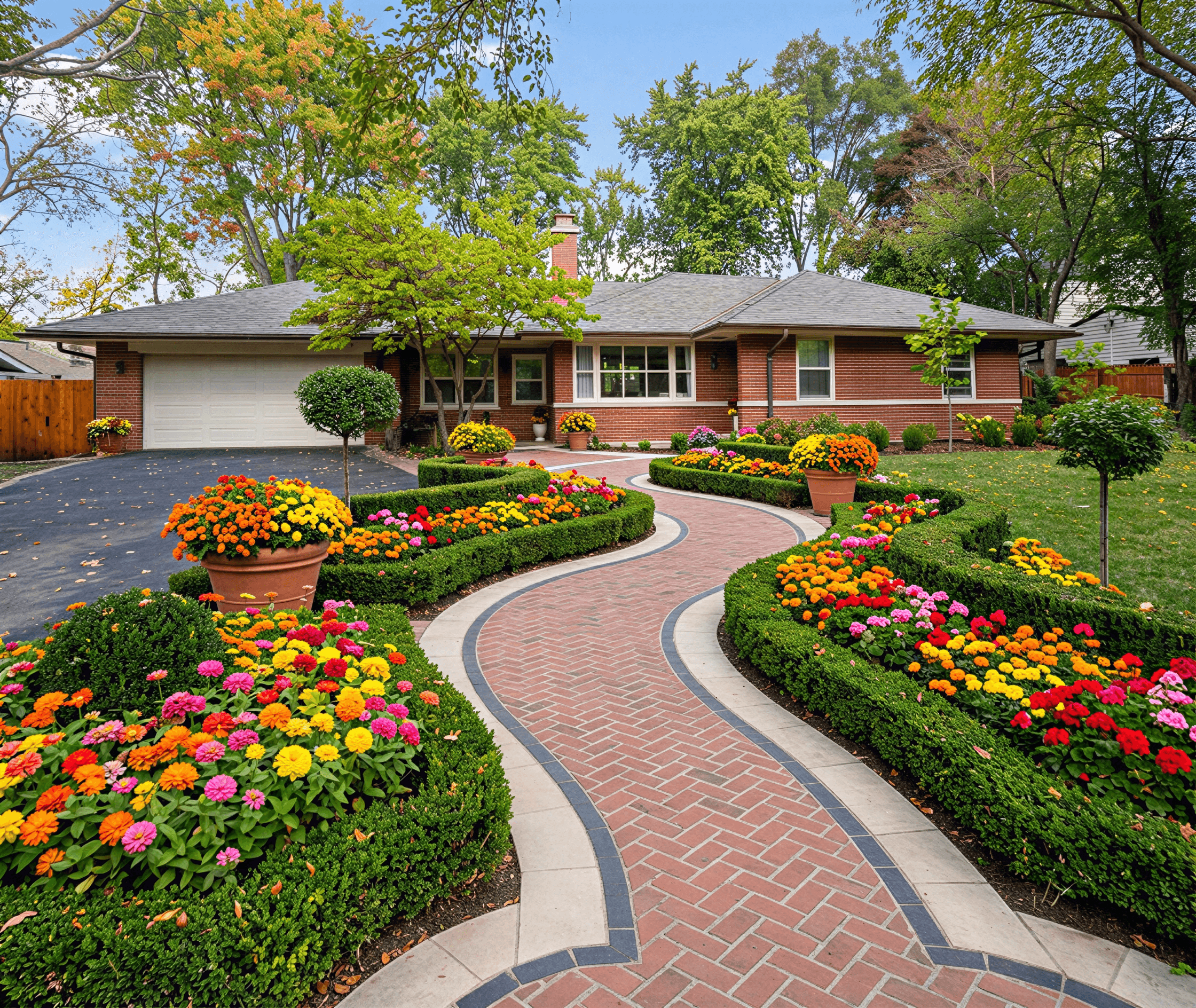
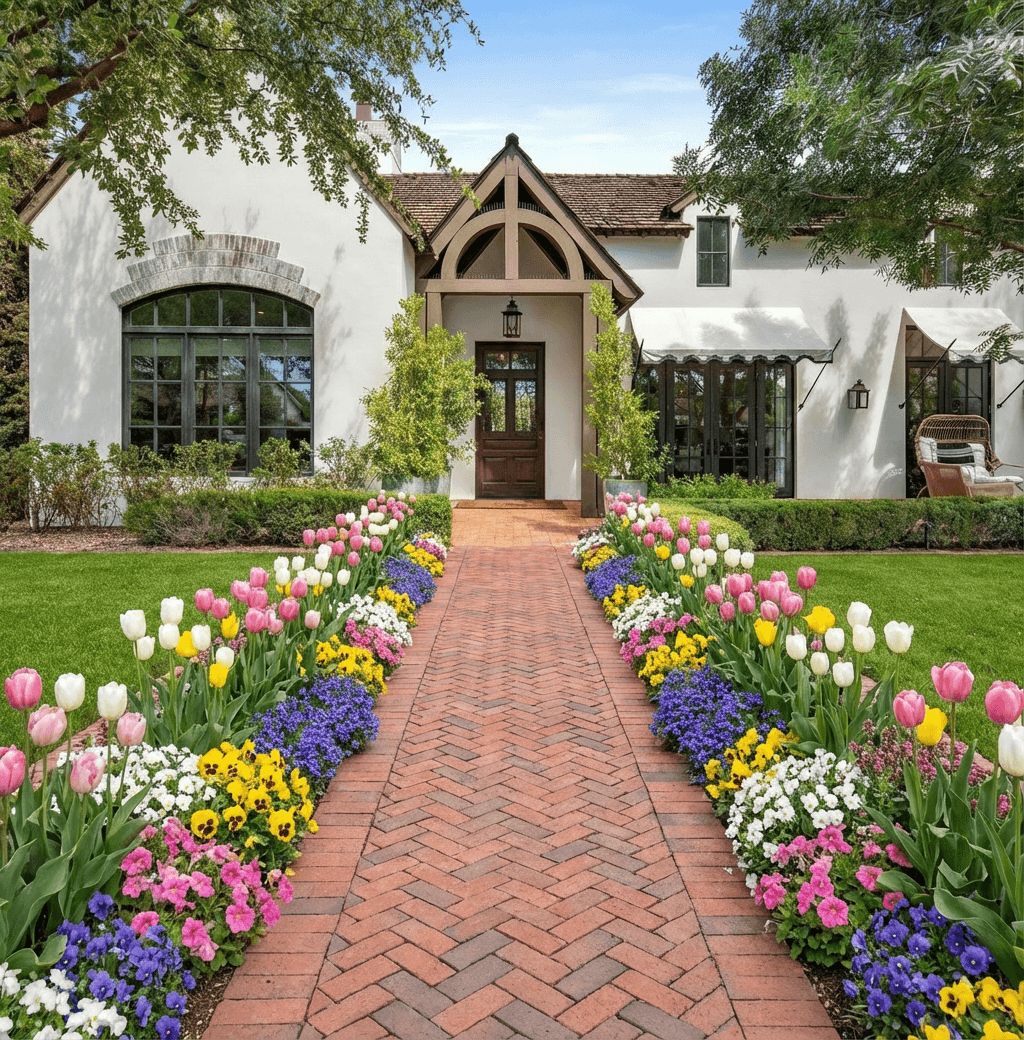
The platform uses a photo of your exterior to generate photorealistic outdoor concepts in different styles. What makes that practical is the jump from generic inspiration to site-specific direction. Instead of guessing whether a gravel seating area, low-maintenance planting, or a cleaner patio layout fits your house, you can compare versions on the actual structure and yard you already have.
That matters because easy backyard landscaping pictures often hide the hard part. Scale is off. Planting choices suit another climate. A layout looks simple in a magazine shot but falls apart on a narrow lot or a yard with awkward access.
Curb Appeal AI is strongest when you already have a rough instinct and need to pressure-test it. I’d use it to compare two or three directions before buying stone, plants, edging, or furniture. That alone can prevent expensive second-guessing.
Why it works better than a gallery
A gallery helps with taste. An AI mockup helps with decisions.
The company frames the tool around hardiness-zone awareness and architecture-aware concepts, which is a meaningful advantage over broad image libraries. That extra layer helps narrow choices before you start pricing labor or materials. If you want idea prompts to feed that process, its roundup of easy backyard landscaping ideas for low-maintenance, small-space, and budget-friendly projects is a useful companion read.
It also gives homeowners a cleaner way to communicate with contractors. A rendered concept is not a construction drawing, but it is much easier to react to than a folder full of saved screenshots. That is a real trade-off worth understanding. You get speed and clarity up front, but you still need site verification, product selection, and installation details before building anything.
The tool is also handy for smaller backyard zones that tend to get overlooked, like the area around a shed, side yard, or utility corner. If that is part of your project, these landscaping ideas for garden sheds pair well with a concept-first approach.
Pricing and who should use it
The pricing model is straightforward. There is a free trial with watermarked designs, then paid credit packs for heavier use. That setup works well for homeowners who want to test a few directions without committing to a monthly software subscription.
I like the trade-off here. The tool does not claim to replace a contractor, mason, or planting plan. It shortens the messy front-end phase where people stall out, change direction three times, or spend money before the layout is settled.
- Best for homeowners: Compare options before paying for materials or labor.
- Best for agents and flippers: Show improvement potential with visuals instead of vague suggestions.
- Best for contractors: Generate fast concept views when a client wants alternatives with less upkeep or a different style.
The limitation is simple. Credits are used per generation, and purchases are non-refundable. Start with a small batch if you are unsure. If your goal is to move from easy backyard landscaping pictures to a real plan for your own yard, this is the tool in the list that gets you closest.
2. HGTV

HGTV is where I’d send a beginner who has taste but no system yet. It’s broad, visual, familiar, and usually better at showing approachable upgrades than design-industry publications.
Its strength is speed. You can scan picture galleries for small yards, patios, entertaining zones, gravel paths, planters, privacy ideas, and lighting without getting buried in technical detail. That makes it a good first stop when your yard feels blank and you need a few realistic directions to react to.
Where HGTV helps most
HGTV tends to package ideas in a way that feels doable. Instead of presenting a yard as a complete designer statement, it often breaks the space into copyable moves: add a container cluster, define a seating area, edge a bed, hang lights, soften a fence line.
That’s useful because the easiest backyard improvements are often compositional, not massive. A lot of readers don’t need a full redesign. They need a cleaner path from “messy yard” to “weekend project.”
If you want more examples in that practical lane, Curb Appeal AI’s own guide to easy backyard landscaping ideas is a solid companion read after you’ve skimmed HGTV galleries.
- Best use: Broad idea gathering when you don’t know your style yet
- What to save: Images that show one simple move, not ten
- What to ignore: Luxury installs that require full reconstruction to copy
Don’t save a photo just because it’s pretty. Save it because you can point to the exact move you want to repeat.
HGTV is also a smart place to pick up adjacent ideas that shape the yard without overcomplicating it. If a shed, outbuilding, or work zone is part of your backyard, these landscaping ideas for garden sheds can help tie the utility side of the yard into the rest of the design.
The trade-off
The weakness is regional precision. HGTV is not where I’d go to figure out if a specific plant mix suits your climate, or whether an image is low maintenance in the long run. It’s also ad-heavy enough that browsing can feel slower than it should.
Still, HGTV earns its place because it keeps people from overthinking the first step. For broad, beginner-friendly easy backyard landscaping pictures, it’s one of the simplest places to start.
3. Houzz
Houzz is the opposite of casual browsing. It’s for people who already know that “I want a simple backyard” isn’t enough direction. You need style, scale, and material filters.
That filter system is exactly why Houzz remains one of the most useful databases in this category. As of April 2026, Houzz hosts 99,906 images of backyard landscaping ideas, which gives you a huge pool to narrow from instead of a small editorial sample (Houzz backyard landscaping gallery).
Why Houzz is the strongest visual database
When clients bring me easy backyard landscaping pictures from random search results, the main issue is mismatch. The style is right, but the lot size is wrong. Or the materials are right, but the yard is far more formal than what they can maintain.
Houzz solves part of that by letting you filter more aggressively. You can search by size, style, color, features, and visual cues that matter when you’re trying to turn “nice photo” into “possible project.” Its ideabooks feature also makes it easier to organize reference images into a contractor-friendly brief.
If you’re trying to turn image collecting into a more coherent planning process, Curb Appeal AI’s article on backyard landscape design plans is a useful next read after building a Houzz ideabook.
What to watch for
Houzz is powerful, but it can pull you toward aspiration fast. The solution is to search with discipline and focus on repeatable details, not complete showpiece projects.
The platform is also strong for spotting recurring design moves. One of the oldest and still most useful examples in this niche is simple plant repetition. A 2014 photo-based landscaping guide from Mike’s Backyard Nursery highlighted repeating plants in odd numbers, such as three Table Top Junipers in a grouping, to create cohesion without complexity (Mike’s Backyard Nursery landscaping ideas).
Repetition is one of the easiest ways to make a backyard look designed instead of randomly planted.
Use Houzz when you’re ready to get specific. Not “I like modern.” More like “I want gravel, a tight plant palette, and a small seating zone that doesn’t overwhelm the yard.” In that stage, few resources are more efficient.
4. BobVila.com

BobVila.com helps at a different stage of the planning process. After broad inspiration and tightly filtered photo searches, you still need ideas that feel buildable on an average budget and an ordinary weekend schedule. That is where Bob Vila earns its place.
The site is practical in the old-school sense. The photos usually support a clear home-improvement idea, not just a polished finished yard. Readers get enough explanation to judge effort, cost range, and whether the project suits a first pass or should wait for a contractor.
That makes it useful for DIY homeowners who want easy backyard landscaping pictures with a plain-English reason behind them. A mulch refresh, a trellis for height, a basic seating area, a privacy screen, a cleaner bed edge. These are not dramatic changes, but they often fix the exact problems that make a backyard feel unfinished.
Why DIY readers keep coming back
Bob Vila is good at showing one move at a time. That matters. Homeowners who are staring at a tired backyard usually do better with a short list of visible wins than with a full redesign they may never start.
I recommend using the site as a feasibility filter. Save the examples that answer practical questions fast. Can this be done in a weekend? Does it solve a real problem such as exposure, lack of structure, or a blank fence line? Will it still look decent if the rest of the yard stays as-is for another season?
- Strong fit for: Weekend DIYers and first-time homeowners
- Less strong for: Readers who need detailed planting plans or region-specific guidance
- Most useful habit: Save examples that show a single upgrade with a clear before-and-after effect
There is a trade-off.
The imagery can feel editorial or stock-based, and some articles stop short of giving the detail a homeowner needs for purchasing or layout decisions. You may need another source for plant selection, drainage, or measurements. Still, BobVila.com is one of the better resources for turning vague motivation into a short, manageable project list. If your goal is to improve a backyard in phases, that is a very useful kind of picture library.
5. This Old House

This Old House is a good fit for homeowners who want context along with pictures. Some sites show attractive yards and assume you already understand the difference between planting, edging, drainage, circulation, and usable outdoor space. This Old House usually explains the moving parts in plain English.
That matters because many backyard problems aren’t style problems. They’re layout problems. A yard can have decent plants and still feel unfinished because there’s no edge definition, no destination, or no reason to move through the space.
Best for turning ideas into feasible projects
I like This Old House most when a homeowner has a typical suburban lot and wants to make sensible improvements without drifting into trend chasing. The site tends to favor practical upgrades such as groundcovers, native planting, edging, and small-space organization.
It’s also one of the better bridges from inspiration to implementation. You may arrive for photos, then find your way into more useful material about execution and sequencing.
Good backyard design usually starts with shape and use, not plant shopping.
There’s another reason this style of advice matters. Industry benchmarks summarized in one low-maintenance backyard report suggest homeowners report higher long-term satisfaction with low-maintenance strategies such as native plants, artificial turf, and hardscaping, while those choices can also reduce routine watering and weeding demands (Jackery low-maintenance backyard landscaping ideas).
The trade-off
This Old House won’t win on volume. It has fewer images than gallery-first platforms and less of the fashionable edge you’ll get from Architectural Digest or some newer visual-first sites.
But if you’re the kind of homeowner who asks, “Can I do this, and will it still look good in a few years?” this is one of the better resources to keep open while planning.
6. Architectural Digest

Architectural Digest helps when a homeowner has a folder full of backyard photos and no clear visual direction. I use it less for project planning and more for taste calibration. That matters once you have enough ideas to get distracted by them.
Its real value is pattern recognition. After ten or fifteen strong projects, you start noticing the same decisions showing up again and again. Fewer materials. Cleaner furniture layouts. Planting used to frame space instead of filling every inch. A small dining set placed with purpose instead of scattered décor trying to make the yard feel finished.
That is what makes AD different from broader inspiration sources and filtered databases. HGTV is useful early, when you need range. Houzz helps you narrow by style or feature. Architectural Digest works later in the process, when you need to refine your eye and decide what belongs together.
When high-end references are still useful
Homeowners sometimes dismiss designer publications because the budgets feel unrealistic. I think that misses the point. You are rarely borrowing the whole project. You are borrowing one decision that makes the space read clearly.
A luxury courtyard might show you that two finishes are enough. A polished small patio might show you that repeating one grass, one pot color, and one gravel tone creates more calm than mixing five competing ideas. Those lessons carry over well to ordinary backyards.
- Use AD for: Visual direction, restraint, and moodboards
- Don’t use AD for: Cost expectations or installation steps
- Best takeaway: Simplify the composition before adding more elements
As noted earlier, demand for low-maintenance yard materials and simpler outdoor upgrades is strong. That lines up with many AD outdoor projects, where the most effective moves are often the simplest ones: gravel, clean edges, limited plant palettes, and furniture that fits the scale of the space.
The trade-off
Architectural Digest often reflects custom budgets, styled photography, and properties with strong architecture to begin with. Some images are better used as reference pieces than as direct models for a standard backyard.
Still, this is one of the better places to fix a common planning problem. If your collection of easy backyard landscaping pictures feels random, AD can help you choose a direction before you spend money on plants, pavers, or furniture.
7. GardenDesign.com

GardenDesign.com sits in a useful middle ground. It’s more plant-aware than broad lifestyle media, but it’s still accessible enough for homeowners who mainly came looking for pictures.
That balance makes it valuable when your project depends less on hardscape and more on planting composition. Flower beds, path edges, side yards, compact garden rooms, and style-specific planting ideas are where this site tends to be most helpful.
Why it’s good for plant-driven backyards
GardenDesign.com often pairs images with concise notes on what makes the layout work. That might be a plant grouping, a shape choice, or the way beds and paths relate to each other.
For readers who keep saving easy backyard landscaping pictures but can’t tell why one bed looks calm and another looks messy, that kind of commentary matters. It gives you enough design logic to copy the effect, not just the look.
One practical reason to keep plant selection disciplined is that low-maintenance plants such as dwarf boxwoods or succulents are described in the provided research as requiring less pruning than more demanding choices, which is exactly the kind of maintenance filter many backyard projects need.
A simple backyard usually comes from a tighter plant palette, not from adding more varieties.
The trade-off
GardenDesign.com doesn’t match Houzz on image volume, and it won’t always hand you a quick weekend fix the way HGTV or Bob Vila can. Some pages lean more into design principles than rapid-fire inspiration.
That said, it’s one of the better resources for readers who want to move beyond “show me a pretty yard” and into “show me how this planting scheme holds together.” For that stage of planning, it punches above its weight.
7-Source Comparison: Easy Backyard Landscaping Pictures
| Item | 🔄 Implementation complexity | ⚡ Resource requirements | ⭐ Expected outcomes | 📊 Ideal use cases | 💡 Key advantages |
|---|---|---|---|---|---|
| Curb Appeal AI | 🔄 Moderate, upload street photo, AI runs automated designs; credit workflow | ⚡ Low–Moderate, any device + pay-as-you-go credits; Pro for HD/commercial | ⭐ High, photoreal renders, climate-appropriate plants, build plans & cost estimates | 📊 Homeowners, real estate agents, landscape pros needing contractor-ready proposals fast | 💡 Combines computer vision + hardiness-zone smarts; itemized costs and step-by-step builds |
| HGTV | 🔄 Very low, browse curated galleries and lists | ⚡ Very low, free, mobile-friendly; ad-supported | ⭐ Medium, real-project photos and quick, copyable ideas | 📊 Beginners and weekend DIYers seeking easy, photo-backed inspiration | 💡 Picture-heavy roundups with bite-size expert tips for quick execution |
| Houzz | 🔄 Low–Moderate, filter large galleries and save ideabooks | ⚡ Low, free accounts; time investment to filter and curate | ⭐ Medium–High, huge visual variety; useful for creating detailed visual briefs | 📊 Users preparing contractor briefs or seeking many style-matching examples | 💡 Massive searchable gallery with filters, ideabooks, and product tags |
| BobVila.com | 🔄 Very low, read photo-driven how-to lists | ⚡ Very low, free editorial content | ⭐ Medium, actionable, budget-conscious tips for DIY projects | 📊 DIYers needing short step-by-steps and scope/safety notes | 💡 Practical, concise how-tos paired with photos and maintenance advice |
| This Old House | 🔄 Low, photo-backed primers and linked step-by-steps | ⚡ Very low, free; U.S.-oriented guidance | ⭐ Medium, pragmatic solutions focused on feasibility | 📊 Homeowners wanting clear, achievable upgrades that scale to suburban lots | 💡 Plain-English explanations and links to implementation content |
| Architectural Digest | 🔄 Low, curated, designer-led roundups and moodboards | ⚡ Low, free to browse; aspirational content | ⭐ Medium–High, high-quality visuals for refined inspiration | 📊 Design-minded users building moodboards or elevating simple concepts | 💡 High visual quality and tasteful, trend-forward references |
| GardenDesign.com | 🔄 Low–Moderate, curated plant-focused galleries and deep dives | ⚡ Low, editorial content with plant callouts | ⭐ Medium, strong plant-driven compositions and practical design notes | 📊 Users prioritizing plant selection and composition for North American yards | 💡 Concise plant/feature callouts and focused design guidance |
| (This list) Garden sites combined | 🔄 Low, browse and compare sources | ⚡ Low, time to synthesize ideas | ⭐ Variable, inspiration to implementation depends on source | 📊 Research phase users compiling ideas before planning/execution | 💡 Use high-quality visuals for moodboards and plant-forward sites for species selection |
From Inspiration to Installation Your Next Step
The biggest mistake people make with easy backyard landscaping pictures is treating all inspiration sources the same. They aren’t. Some are best for opening up possibilities. Others are better for narrowing choices. A few can help you cross the line from browsing to building.
Use HGTV and BobVila.com early, when you want approachable ideas that feel possible on a normal property. They’re strong at breaking a backyard into manageable improvements instead of making every project feel like a full renovation. This Old House belongs in that same practical lane, especially if you need a little more explanation behind the visuals.
Use Architectural Digest when your problem isn’t lack of ideas, but lack of taste direction. It helps you edit. It helps you see what belongs together. GardenDesign.com is especially useful once planting starts to matter more than broad styling, because it gives you a better read on composition and plant-forward layouts.
Houzz is the workhorse database. It’s where broad inspiration becomes more disciplined. With such a large archive of backyard images available there, it’s one of the best places to sort by style, scale, and material cues so you’re not comparing completely different kinds of yards. If you’re building a visual brief for a contractor, Houzz is often the fastest way to collect references that feel coherent.
But the key shift happens when you stop asking, “What backyard pictures do I like?” and start asking, “What would this look like at my house?” That’s where Curb Appeal AI stands out. It gives you a direct way to test ideas on your own property, with climate-aware logic and practical outputs that are closer to a usable plan than a saved screenshot. That’s a major difference.
The end goal isn’t to find one perfect picture. It’s to create a short list of ideas that fit your yard, your maintenance tolerance, and your budget. Then you can hand those decisions to a contractor, or tackle the work in phases yourself.
If you’re trying to keep that plan grounded in upkeep, soil reality, and long-term yard health, this piece on Green Advantage turf and tree care is a worthwhile companion read.
Pick one broad inspiration source, one filtering source, and one planning tool. That’s usually enough. Any more than that, and you’re back to scrolling.
If you’re ready to stop collecting random backyard photos and start testing ideas on your own home, Curb Appeal AI is the smartest next step. Upload a photo, generate multiple design directions, compare styles, and move toward a backyard plan you can build.