10 Smart Ground Cover Alternatives to Grass for 2026
The traditional turf grass lawn, long the standard for suburban landscapes, is facing a modern reckoning. Its demands are relentless: constant mowing, endless watering, and a steady diet of chemical fertilizers and pesticides. For many homeowners, property investors, and landscape professionals, the time, money, and environmental cost of maintaining that perfect green carpet are simply no longer sustainable or desirable. As water scarcity, ecological awareness, and a desire for lower-maintenance living grow, the search for practical and beautiful ground cover alternatives to grass has become a top priority.
This guide is your comprehensive resource for breaking free from the turf monopoly. We will explore a diverse range of solutions designed to fit various climates, budgets, and aesthetic goals. You will discover how to transform your yard from a high-maintenance chore into a thriving, beautiful, and more resilient outdoor space. Forget the generic advice; we're providing actionable insights for real-world application.
Inside this detailed roundup, you will find:
- Living Groundcovers: From pollinator-friendly clover and drought-tolerant sedums to lush, no-mow mosses and native perennials.
- Modern Hardscapes: Creative uses for permeable pavers, decorative gravel, and sleek decomposed granite that reduce water usage and maintenance.
- Innovative Materials: Exploring options like eco-friendly recycled rubber mulch and versatile synthetic turf for specific use cases.
Each alternative is broken down with practical details on installation, estimated costs, maintenance requirements, and key pros and cons. Whether you're a DIY gardener optimizing curb appeal or a landscape contractor designing a xeriscape masterpiece, these ten options offer a path to a smarter, more rewarding landscape.
1. Permeable Pavers & Hardscape
For homeowners seeking a structured, modern, and highly functional alternative to a traditional lawn, permeable pavers and hardscaping offer a sophisticated solution. Unlike solid concrete or asphalt slabs that create impervious surfaces, permeable systems are engineered to allow rainwater to filter through the surface and into the ground below. This eco-friendly approach significantly reduces stormwater runoff, recharges groundwater, and helps prevent local flooding.
This method is ideal for high-traffic areas like driveways, walkways, and patios where a living ground cover isn't practical. It creates a clean, polished look that complements modern, contemporary, and minimalist architectural styles. Cities with stringent stormwater management regulations, such as Portland and Seattle, often incentivize or require permeable surfaces, making this a smart, forward-thinking investment.
Key Benefits & Use Cases
- Environmental Impact: Permeable pavers are a cornerstone of green infrastructure, mitigating the urban heat island effect and filtering pollutants from rainwater before it enters the ecosystem.
- Durability & Low Maintenance: Once installed, pavers require minimal upkeep compared to a lawn. There's no mowing, fertilizing, or watering needed, saving both time and resources.
- Design Versatility: Available in various materials like interlocking concrete, porous asphalt, or grid systems filled with gravel, they offer immense design flexibility for creating clean lines and defined spaces.
- Common Applications: Perfect for front yard redesigns, elegant driveways in drought-prone regions, and modern patios that blend seamlessly with a home's architecture.
Implementation Checklist
- Check Local Regulations: Before starting, verify if your municipality offers rebates or has specific requirements for permeable installations. Choose products certified for performance to ensure compliance.
- Proper Base Preparation: The key to a successful permeable system is a multi-layered base of open-graded aggregate (crushed stone) that allows for water storage and drainage.
- Use Polymeric Sand: Fill the joints between pavers with polymeric sand. This special sand hardens when wet, which helps lock the pavers in place, prevents weed growth, and maintains permeability.
- Integrate with Landscaping: For a softer, more balanced aesthetic, pair your hardscape with surrounding garden beds filled with low-water native plants or other ground cover alternatives to grass.
2. Native Ground Covers & Low-Growing Perennials
For those who love the lush, living look of a lawn but want a more sustainable and ecologically beneficial option, native ground covers and low-growing perennials are an exceptional choice. These are plants naturally adapted to your specific region's climate, soil, and rainfall patterns, allowing them to thrive with minimal human intervention. Unlike a monoculture turfgrass lawn, a landscape filled with native species like creeping phlox, sedums, or regional wildflowers becomes a vibrant, self-sustaining ecosystem.
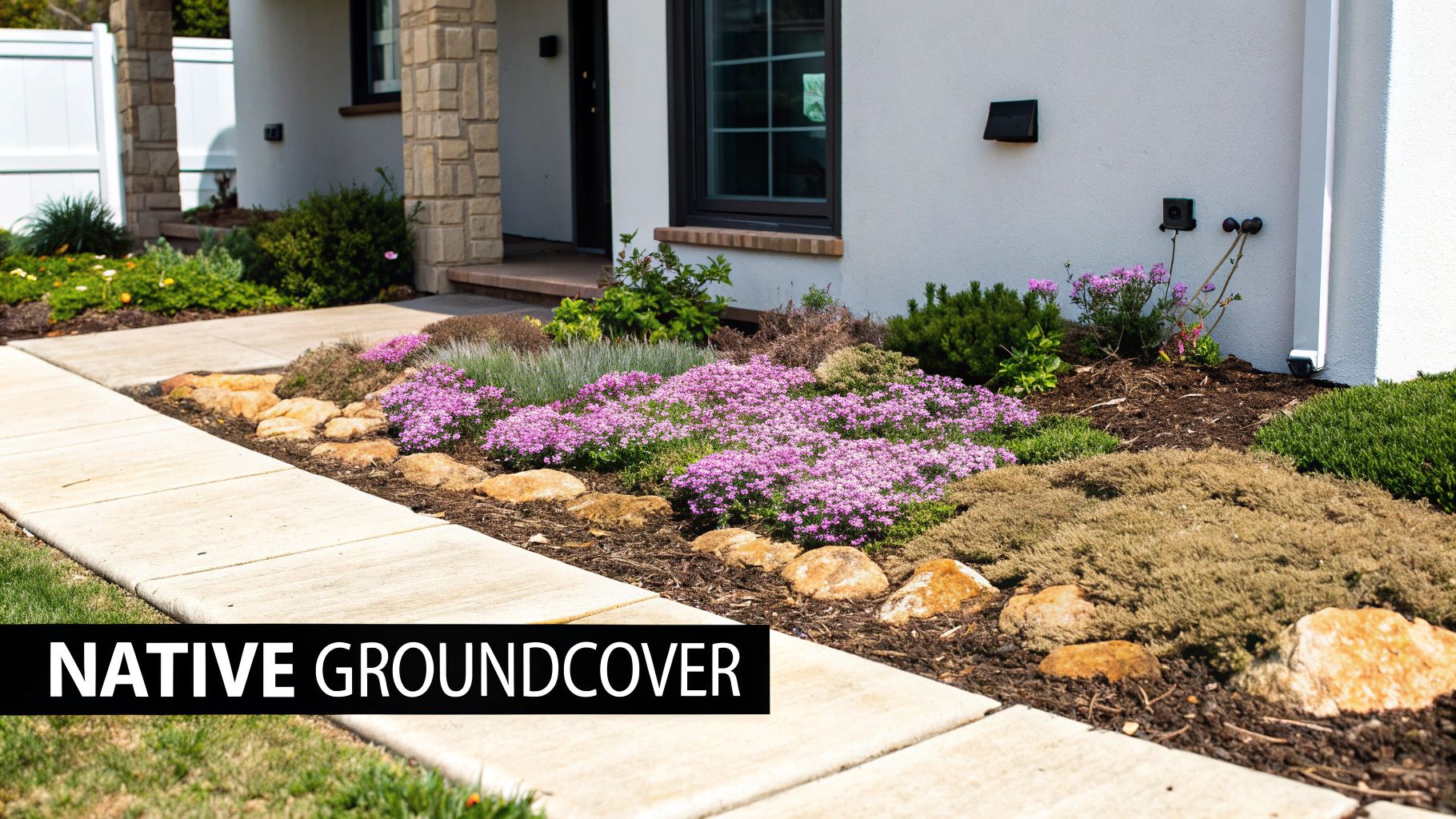
This approach is perfect for homeowners looking to create a naturalistic, cottage, or xeriscape-style garden that supports local wildlife. By choosing plants that belong in your area, you reduce the need for supplemental watering, fertilizers, and pesticides. Landscapes featuring California's native coyote brush or the pollinator-friendly yards in Austin, TX, showcase how these ground cover alternatives to grass can create stunning, low-maintenance curb appeal while contributing positively to the local environment.
Key Benefits & Use Cases
- Ecological Support: Native plants provide essential food and habitat for local pollinators, beneficial insects, and birds, strengthening the regional ecosystem. Organizations like the Xerces Society heavily promote their use for this reason.
- Water Conservation: Because they are adapted to local precipitation levels, native ground covers require significantly less irrigation once established, making them ideal for drought-prone areas and xeriscaping projects.
- Reduced Maintenance: Say goodbye to weekly mowing and chemical treatments. These plants are naturally resilient to local pests and diseases, requiring only occasional weeding or trimming to stay neat.
- Common Applications: Perfect for replacing sections of a front yard, covering difficult slopes where mowing is dangerous, or creating beautiful, season-long interest in garden beds and along pathways.
Implementation Checklist
- Research Your Ecoregion: Use resources from local native plant societies or the Lady Bird Johnson Wildflower Center to identify species that are truly native to your specific area and will thrive in your yard's sun and soil conditions.
- Plant at the Right Time: For best results, install young plants in the spring or fall. This allows their root systems to establish during cooler, wetter weather, reducing transplant shock.
- Mulch for Establishment: Apply a layer of natural mulch around new plantings. This helps retain soil moisture, suppress weed competition, and protect the young roots as the ground cover spreads.
- Plan for Four-Season Interest: Combine species with different textures, foliage colors, and bloom times. Pairing evergreen sedums with flowering perennials ensures your landscape remains visually appealing throughout the year.
3. Decorative Mulch & Bark
For those looking to quickly and economically replace sections of their lawn, decorative mulch and bark offer a highly effective and aesthetically pleasing ground cover alternative to grass. This approach involves spreading a layer of organic or inorganic material, such as shredded wood, bark chips, or even rubber, over the soil. It instantly creates a clean, manicured look while performing critical functions like suppressing weed growth, retaining soil moisture, and regulating soil temperature.
This method is exceptionally versatile, serving as a perfect base layer for planting beds, creating defined pathways, or covering large areas where grass struggles to grow. It is a go-to solution for modern front yards in places like Austin, Texas, that use dark mulch to contrast with architectural plants, or in transitional yards where homeowners are gradually phasing out their turf. Its low initial cost and ease of installation make it an accessible entry point for anyone starting their lawn-conversion journey.
Key Benefits & Use Cases
- Weed Suppression & Moisture Retention: A proper layer of mulch acts as a physical barrier against weeds and significantly reduces water evaporation from the soil, leading to healthier plants and lower water bills.
- Aesthetic Flexibility: Available in various colors (black, brown, red) and textures (shredded, chipped, nuggets), mulch can complement any landscape style, from rustic to contemporary.
- Soil Health Improvement: Natural, organic mulches like cedar bark or pine straw decompose over time, enriching the soil with valuable organic matter and improving its structure. -- Common Applications: Ideal for creating a neat border around trees and shrubs, filling in garden beds in new suburban developments, or as the primary ground cover in low-maintenance, xeriscaped front yards.
Implementation Checklist
- Prepare the Area: First, thoroughly clear the desired area of all grass, weeds, and debris. For maximum effectiveness, lay down a high-quality landscape fabric to prevent persistent weeds from breaking through.
- Apply at Correct Depth: Spread the mulch evenly to a depth of 2 to 3 inches. This is the optimal thickness for preventing weed growth and retaining moisture without suffocating plant roots.
- Create Clean Edges: Use metal, stone, or composite edging to create a sharp, defined border between the mulched areas and any remaining lawn or pathways. This prevents mulch from spilling and gives the landscape a polished, professional finish.
- Plan for Replenishment: Organic mulches decompose and fade over time. Plan to refresh the top layer annually to maintain its color, depth, and weed-suppressing benefits. This is a crucial step for long-term success.
4. Moss & Living Walls (Vertical Groundcover)
For those with shady, moist environments or limited horizontal space, moss and living walls offer an enchanting and highly sustainable alternative to grass. Moss creates a velvety, emerald-green carpet that thrives where turf fails, requiring no mowing, fertilizing, or chemical treatments. It’s a perfect ground cover alternative to grass for naturalistic, Japanese-inspired, or woodland-style gardens.
Living walls, or vertical gardens, take the concept of ground cover to a new dimension. These systems allow plants to grow on vertical surfaces, creating a stunning "living" facade. This approach is ideal for urban settings, small courtyards, or any area where you want to maximize greenery without sacrificing floor space. Both options deliver a lush, biophilic aesthetic that is both low-maintenance and visually dramatic.
Key Benefits & Use Cases
- Shade Tolerance: Moss is one of the few ground covers that flourishes in deep shade and acidic soil, making it perfect for under large trees or on the north side of a home.
- Space Efficiency: Living walls are the ultimate space-saving solution, transforming bland walls into vibrant ecosystems. They are popular on contemporary buildings in cities like San Francisco and Portland.
- Low Maintenance & Water Use: Once established, moss is incredibly resilient and requires minimal water. Well-designed living wall systems feature efficient, automated irrigation.
- Common Applications: Moss is ideal for shaded entryways, serene woodland paths, and between pavers in damp areas. Living walls create focal points on patios, privacy screens, or building exteriors.
Implementation Checklist
- Assess Your Environment: For moss, ensure your site has consistent moisture and shade. You may need to acidify the soil with sulfur. For living walls, analyze sun exposure to select appropriate plants and ensure structural support is adequate.
- Prepare the Surface: Clear the area for a moss garden of all weeds and debris, gently tamping the soil. For a living wall, hire a certified installer to ensure the modular panel system, irrigation lines, and structural mounts are installed correctly and safely.
- Encourage Moss Growth: Keep the area consistently moist during the establishment phase. Gently sweep away fallen leaves to prevent smothering the delicate moss.
- Pair with Complementary Plants: Combine moss with other shade-loving perennials like ferns and hostas to create rich textural variety. To explore more plant combinations and designs for low-light areas, check out these shade garden landscaping ideas.
5. Artificial Turf / Synthetic Grass
For those who desire the classic, manicured look of a green lawn without the constant maintenance, modern artificial turf offers a compelling and hyper-realistic solution. A significant leap from the plastic-looking mats of the past, today's premium synthetic grass is engineered with multi-toned fibers and thatch layers that convincingly mimic the appearance and feel of natural turf. This makes it an excellent ground cover alternative to grass, particularly in areas where growing a traditional lawn is impractical or impossible.
This option is ideal for homeowners in drought-stricken regions like California or Arizona, where water restrictions are tight. It also serves as a perfect solution for pet owners seeking a durable, dig-proof, and easy-to-clean surface. High-traffic commercial spaces, rental properties, and homes staged for sale benefit from its evergreen appearance and near-zero upkeep, ensuring perfect curb appeal year-round.
Key Benefits & Use Cases
- Water Conservation: Artificial turf completely eliminates the need for watering, saving thousands of gallons of water annually and drastically reducing utility bills in arid climates.
- Extremely Low Maintenance: Forget mowing, fertilizing, and weeding. Upkeep is limited to occasional rinsing, brushing to keep fibers upright, and removing debris.
- Durability & Pet-Friendly: High-quality turf withstands heavy foot traffic and is resistant to digging and pet waste, which can be easily rinsed away. Many systems are designed with enhanced drainage specifically for pets.
- Common Applications: Perfect for drought-resistant front yards, low-maintenance rental properties, pet play areas, modern landscape designs, and creating a pristine look for real estate listings.
Implementation Checklist
- Choose a Premium Product: Invest in high-quality turf from reputable brands like ShawGrass or FieldTurf. Look for features like UV-stabilization to prevent fading, a high face weight for density, and a realistic thatch layer.
- Ensure Professional Installation: The longevity and performance of artificial turf depend heavily on proper installation. A professional will prepare a compacted base for excellent drainage, preventing wrinkles and dips.
- Select the Right Infill: Infill provides stability and cushioning. While rubber is common, consider eco-friendly alternatives like cork or coconut husk. For pet areas, antimicrobial sand infills are an excellent choice.
- Integrate with Natural Elements: To avoid a sterile, "plastic carpet" look, break up large expanses of turf with islands of native plants, decorative rocks, or hardscape features like a stone walkway or patio.
6. Clover & Living Lawns (Seed Alternatives)
For those who love the look of a green lawn but want a more sustainable and low-effort option, clover and other alternative seed mixes are a perfect solution. This approach replaces high-maintenance, monoculture turf with a diverse blend of plants like white clover, microclover, and fine fescues. These "living lawns" require less mowing, watering, and fertilizer, making them one of the most eco-friendly ground cover alternatives to grass.
This resurgence is driven by homeowners rejecting chemical-intensive lawn care in favor of ecological benefits. Clover naturally fixes nitrogen in the soil, reducing the need for synthetic fertilizers, while its flowers provide a crucial food source for pollinators. This method is ideal for creating soft, usable green spaces in climates from the Northeast to the Midwest, where the "No Mow Lawn" movement is gaining significant traction.
Key Benefits & Use Cases
- Ecological Enhancement: Living lawns support pollinators like bees and butterflies, improve soil health by adding nitrogen, and increase biodiversity right in your yard.
- Reduced Maintenance: Clover and fescue blends are naturally drought-tolerant and stay green longer than traditional turf. They require mowing only once every 2-4 weeks, not weekly.
- Cost-Effective & Natural: This approach eliminates the recurring costs of fertilizers, pesticides, and excessive watering, saving money and reducing chemical runoff into local waterways.
- Common Applications: Perfect for converting a standard suburban front yard into a pollinator-friendly habitat, creating a soft play area for children and pets, or overseeding a patchy, struggling lawn to improve its resilience.
Implementation Checklist
- Select the Right Seed Blend: Choose a mix formulated for your specific climate and sun exposure. Reputable suppliers like Outsidepride, Hancock Seed, or TRUE Leaf Market offer regional blends.
- Prepare the Area: For a new lawn, remove existing sod and till the soil. To overseed an existing lawn, start by mowing short, dethatching thoroughly to expose the soil, and aerating if compacted.
- Sow the Seed Evenly: Broadcast the seed according to the package directions, ensuring good seed-to-soil contact. Lightly rake the area to cover the seeds with a thin layer of soil.
- Water for Establishment: Keep the soil consistently moist for the first 3-4 weeks to ensure successful germination. Once established, these lawns require significantly less water than traditional grass.
7. Gravel & Crushed Stone Landscapes
For those seeking a dramatic, low-maintenance, and water-wise ground cover, gravel and crushed stone landscapes offer a versatile and modern solution. This approach replaces turf with materials like pea gravel, decomposed granite, or crushed rock, creating a clean, structured aesthetic that excels in a variety of design contexts. It provides excellent drainage, suppresses weed growth when installed correctly, and completely eliminates the need for mowing, fertilizing, or watering.
This method is particularly popular in xeriscaping and drought-prone regions, such as the American Southwest, where water conservation is paramount. It serves as a perfect canvas for modern, minimalist, and Japanese-inspired garden designs, allowing specimen plants, boulders, and architectural features to stand out. From a functional standpoint, it's an economical and durable ground cover alternative to grass that can be easily refreshed or redesigned over time.
Key Benefits & Use Cases
- Water Conservation: Gravel is a zero-water solution, making it ideal for arid climates and homeowners focused on sustainability.
- Extremely Low Maintenance: Once installed, the primary upkeep involves occasional raking to smooth the surface and removing any stray organic debris.
- Design Flexibility: The variety of colors, sizes, and textures available provides endless creative possibilities. It can be used to create clean, minimalist spaces or rustic, Mediterranean-inspired courtyards.
- Common Applications: Perfect for desert-style front yards, pathways between garden beds, modern patios, and as a filler around pavers and sculptural plants. For more inspiration, explore these front yard landscaping ideas with rocks and no grass.
Implementation Checklist
- Prepare the Base: Clear the area of all grass and weeds. Install a high-quality landscape fabric over the soil to act as a robust weed barrier while still allowing water to permeate.
- Install Edging: Use metal, composite, or stone edging to create a clean, defined border. This is crucial for containing the gravel and preventing it from migrating into adjacent garden beds or pathways.
- Apply a Proper Depth: Spread the gravel to a depth of 2 to 3 inches. This is deep enough to provide full coverage and suppress weeds but not so deep that it becomes difficult to walk on.
- Incorporate Softer Elements: To avoid a harsh or sterile look, soften the landscape by pairing the gravel with boulders of varying sizes, drought-tolerant grasses, or sculptural succulents like agaves and yuccas.
8. Eco-Friendly Recycled Rubber & Landscape Tiles
For those prioritizing sustainability and safety, recycled rubber products offer a resilient and innovative ground cover alternative to grass. Sourced from repurposed tires and industrial waste, materials like rubber mulch, pavers, and interlocking tiles divert millions of pounds of material from landfills. This circular-economy approach creates a cushioned, durable, and low-maintenance surface perfect for a variety of applications.
This option is particularly well-suited for high-impact zones like playgrounds, home gyms, and walkways, where its shock-absorbent properties provide a safer environment. It also presents a clean, modern aesthetic for patios and garden paths, especially in eco-conscious residential developments in regions like California and the Pacific Northwest. By choosing recycled rubber, homeowners make a direct contribution to waste reduction while creating a functional, long-lasting landscape.
Key Benefits & Use Cases
- Sustainability & Eco-Impact: Made from 100% recycled materials, these products are a prime example of upcycling, reducing landfill burden and the need for virgin resource extraction.
- Safety & Accessibility: The inherent cushioning of rubber makes it an excellent choice for play areas, reducing fall-related injuries. Its non-slip surface is also ideal for creating accessible pathways for seniors or individuals with mobility challenges.
- Low Maintenance & Durability: Recycled rubber does not decompose, attract insects like termites, or require watering and mowing. Rubber mulch also helps retain soil moisture and suppress weeds in garden beds.
- Common Applications: Perfect for defining modern play spaces, creating comfortable and durable patio flooring, surfacing for outdoor fitness areas, and as a long-lasting mulch in planting beds.
Implementation Checklist
- Verify Product Certifications: Look for products with third-party certifications (e.g., GreenGuard, ISO) to ensure they are free from harmful chemicals and safe for family use.
- Ensure Proper Base Preparation: A level, compacted, and well-draining substrate of crushed stone or sand is crucial for the stability and longevity of rubber tiles and pavers.
- Follow Manufacturer Guidelines: For interlocking tiles, adhere to the recommended spacing and use appropriate edging to prevent shifting and ensure a secure, professional finish.
- Plan for Cleaning: While low-maintenance, rubber surfaces can occasionally be cleaned with a simple solution of mild soap and water to remove dirt and prevent algae or moss growth in damp, shady areas.
9. Ornamental Grasses & Sedges as Groundcover
For those looking to introduce texture, movement, and year-round visual interest, ornamental grasses and sedges are an exceptional ground cover alternative to grass. These plants create a soft, flowing aesthetic that can range from manicured and modern to wild and naturalistic. Unlike a uniform turf lawn, they provide dynamic seasonal changes, with many species offering beautiful seed heads and foliage that persist through winter, adding structure to the dormant landscape.
This approach is highly effective for creating layered, contemporary designs or emulating the beauty of a natural meadow. It's a perfect solution for softening the hard edges of walkways and patios or filling large beds where a traditional lawn is impractical. They are particularly popular in modern xeriscaping projects in dry climates, like California or the Southwest, where species like blue grama or purple fountain grass thrive with minimal water once established.
Key Benefits & Use Cases
- Dynamic Visual Appeal: Ornamental grasses add movement and sound to the garden as they sway in the wind, creating a more engaging sensory experience than a static lawn.
- Low Maintenance & Water Needs: Once established, many varieties are drought-tolerant and require little more than an annual cutback. They also suppress weeds effectively when planted densely.
- Ecological Value: These plants provide food and shelter for birds and beneficial insects, especially if left standing over winter, contributing to a healthier local ecosystem.
- Common Applications: Ideal for modern front yard borders, naturalistic meadow-style plantings, and as a textural contrast in mixed perennial beds. They excel at erosion control on gentle slopes.
Implementation Checklist
- Select Appropriate Species: Match grasses and sedges to your climate, soil type, and sun exposure. Popular choices include Blue Fescue for cool, dry spots, Mondo Grass for shade, and various Creeping Sedges (Carex) for moist areas.
- Proper Spacing and Planting: Plant in the spring or early fall to allow roots to establish. Space them according to their mature size to ensure they grow into a dense, weed-suppressing mat. Water regularly for the first 8-12 weeks.
- Perform an Annual Cutback: For most deciduous ornamental grasses, cut them back to a few inches above the ground in late winter or early spring before new growth appears. This refreshes the plant and makes way for a healthy season.
- Avoid Fall Pruning: Leave the foliage and seed heads intact through the fall and winter. This not only provides crucial habitat and food for wildlife but also adds significant visual interest to the winter garden.
10. Succulent Gardens & Sedum Lawns
For homeowners in dry, sun-drenched climates, a succulent garden or sedum lawn offers a breathtakingly beautiful and exceptionally resilient ground cover alternative to grass. These water-wise plants store moisture in their fleshy leaves, making them incredibly drought-tolerant and virtually maintenance-free once established. They create a vibrant, textured tapestry of colors and shapes that a traditional turf lawn simply cannot match.
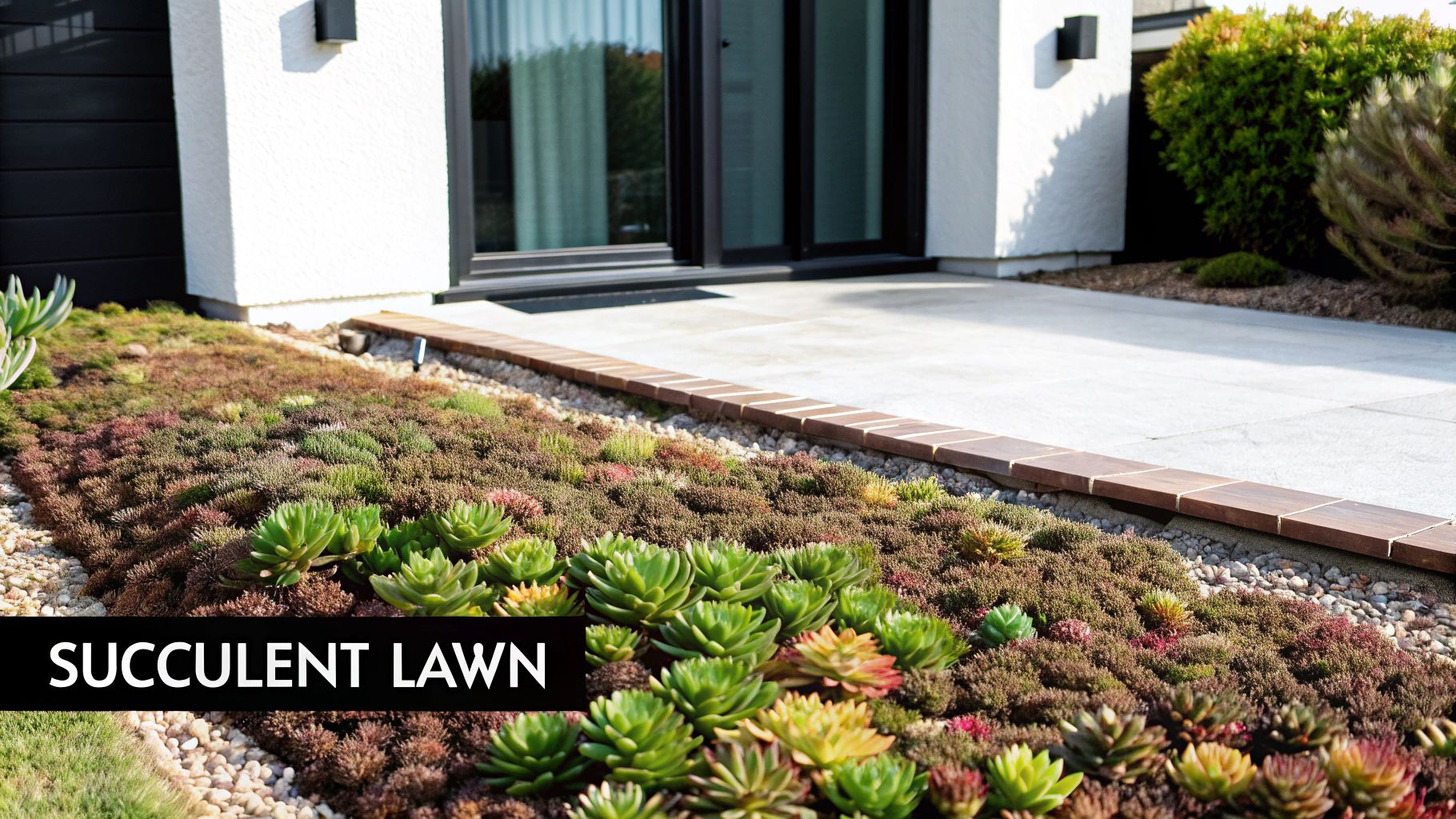
This approach is perfect for xeriscaping, rock gardens, and modern landscape designs where water conservation is a priority. Landscapes across California, Arizona, and the Southwest showcase stunning examples of succulent lawns that thrive with minimal water, no fertilizer, and zero mowing. The result is a dynamic, living carpet that provides year-round visual interest.
Key Benefits & Use Cases
- Exceptional Drought Tolerance: Succulents are built for arid conditions, drastically reducing water usage and utility bills compared to a thirsty turf lawn.
- Low Maintenance Living: Say goodbye to mowing, fertilizing, and aerating. An established succulent garden requires little more than occasional weeding and watering during extreme drought.
- Aesthetic & Biodiversity: The diverse forms and colors of sedums and sempervivums create a unique, artistic landscape that attracts pollinators like bees and butterflies.
- Common Applications: Ideal for front yard conversions in water-restricted regions, green roofs, Mediterranean-style gardens, and contemporary designs paired with stone or gravel. For more inspiration, explore these drought-tolerant landscaping ideas.
Implementation Checklist
- Select Climate-Appropriate Varieties: Choose cold-hardy sedums ("stonecrop") for regions with freezing winters and frost-tender echeverias or sempervivums ("hens and chicks") for milder climates.
- Ensure Excellent Drainage: Succulents despise "wet feet." Amend heavy clay soil with coarse sand, perlite, or compost to create a gritty, fast-draining medium. Raised beds are also a great option.
- Plan Your Planting: Plant in the spring after the last frost. Space individual plants 6 to 12 inches apart, allowing room for them to spread and fill in over time.
- Establish with Care: Water new plantings weekly for the first 6-8 weeks to help their root systems establish. After that, reduce watering significantly, only providing a drink during prolonged periods of drought.
10 Ground Cover Alternatives Compared
| Item | Implementation complexity 🔄 | Resource requirements & cost ⚡ | Expected outcomes ⭐📊 | Ideal use cases | Key advantages 💡 |
|---|---|---|---|---|---|
| Permeable Pavers & Hardscape | Moderate–High — professional drainage & base work | High upfront ($8–$25+/sq ft); durable 20–50 yrs; low routine upkeep | ⭐⭐⭐⭐ — strong runoff reduction, polished curb appeal, long lifespan | Driveways, entryways, areas with stormwater regs, modern homes | Reduces runoff, compliant with stormwater rules, durable aesthetic |
| Native Ground Covers & Low-Growing Perennials | Low–Moderate — plant selection and soil prep; slower establishment | Low–Moderate ($0.50–$3 per plant; $3k–$8k yard); minimal watering once established | ⭐⭐⭐⭐ — large water savings, ecological benefits, seasonal interest | Xeriscaping, pollinator yards, low‑maintenance front yards | Low water use, supports pollinators, long‑term cost savings |
| Decorative Mulch & Bark | Very low — simple DIY install | Very low ($0.05–$0.30 per sq ft); needs annual/top‑up replenishment | ⭐⭐⭐ — immediate visual clean-up, moderate weed suppression | Budget projects, planting beds, transitional lawn conversions | Fast, cheap, flexible; quick aesthetics and moisture retention |
| Moss & Living Walls (Vertical Groundcover) | Moss: Moderate; Living walls: High — irrigation & structure required | Moss $0.50–$2/sq ft; Living walls $50–$150+/sq ft; irrigation maintenance for walls | ⭐⭐⭐⭐ — high visual/biophilic impact; excellent in shade; insulation/air benefits | Shaded courtyards, facades, small urban sites, statement features | Unique biophilic focal point, low mowing, improves air/insulation |
| Artificial Turf / Synthetic Grass | Moderate — best with professional installation for drainage | High upfront ($8–$18+/sq ft); low water and mowing costs; periodic infill upkeep | ⭐⭐⭐⭐ — consistent year‑round green, durable for play/pets | Drought regions, pet yards, staged properties, play areas | No mowing/watering, durable, low‑maintenance visual consistency |
| Clover & Living Lawns (Seed Alternatives) | Low — overseeding or new seeding; moderate establishment care | Very low ($0.10–$0.50 per sq ft; $300–$1.5k yard); less mowing/watering | ⭐⭐⭐ — lower inputs, supports pollinators, informal appearance | Eco‑minded homeowners, pollinator lawns, budget conversions | Cheap, nitrogen‑fixing, reduced mowing/fertilizer needs |
| Gravel & Crushed Stone Landscapes | Low–Moderate — base prep and edging recommended | Low ($0.05–$0.25 per sq ft); occasional top‑up every few years | ⭐⭐⭐ — excellent drainage, nearly no watering, minimalist look | Xeriscaping, modern/minimal yards, Mediterranean styles | Very low maintenance, affordable, fast installation |
| Eco‑Friendly Recycled Rubber & Landscape Tiles | Low — modular DIY install; proper base prep needed | Low–Moderate ($1–$5 per sq ft; $800–$3k yard); durable 10–15+ yrs | ⭐⭐⭐ — sustainable, safe surface with moderate aesthetics | Play areas, patios, accessibility zones, eco‑conscious yards | Diverts waste, shock absorption, easy DIY installation |
| Ornamental Grasses & Sedges as Groundcover | Low–Moderate — planting pattern and establishment care | Moderate ($1–$4 per plant; $2k–$6k yard); low water after established | ⭐⭐⭐⭐ — strong seasonal texture, habitat value, low upkeep | Borders, naturalistic meadows, modern softening of hardscape | Movement/texture, seasonal interest, wildlife habitat |
| Succulent Gardens & Sedum Lawns | Low–Moderate — soil amendment and spacing; slower fill‑in | Moderate ($0.75–$3 per plant; $1.5k–$4k yard); very low water needs | ⭐⭐⭐⭐ — excellent drought tolerance, striking low‑care visuals | Hot/dry climates, rock gardens, green roofs, Mediterranean styles | Extremely low water, long‑lived, colorful textures and erosion control |
Design Your Perfect Lawn-Free Landscape Today
The journey away from the traditional turf lawn opens up a world of creative, sustainable, and personalized landscaping possibilities. As we've explored, the monoculture of a perfect green carpet is no longer the only, or even the best, option for a modern yard. The decision to embrace ground cover alternatives to grass is a powerful step towards creating a landscape that is more resilient, ecologically beneficial, and uniquely suited to your lifestyle and environment.
We've covered a diverse palette of options, from the structural elegance of permeable pavers and the low-maintenance texture of decorative gravel to the living, breathing beauty of native perennials and clover lawns. Each alternative offers a distinct set of benefits. Hardscapes provide durable, water-wise solutions for high-traffic areas, while living ground covers like moss and sedums create a soft, verdant carpet that supports pollinators and reduces erosion. The key is to see your yard not as a single surface to be covered, but as a series of zones, each with its own purpose and potential.
Synthesizing Your Vision: Key Takeaways
Making the right choice requires a thoughtful evaluation of your specific needs. Before you break ground, reflect on these core principles discussed throughout this guide:
- Function First, Aesthetics Second: How do you use the space? Is it a pathway for daily foot traffic, a play area for children, a quiet seating nook, or a sloped bank prone to erosion? The function of the area will immediately narrow down your most viable options. A gravel path is perfect for walking, but a soft clover lawn is better for lounging.
- Embrace Your Ecosystem: Fighting against your local climate is a losing battle. A successful lawn-free landscape works with nature, not against it. Choose drought-tolerant succulents for arid regions, moisture-loving moss for shady, damp spots, and native perennials that are already adapted to your soil and rainfall patterns. This dramatically reduces maintenance and resource consumption.
- The Power of the Hybrid Approach: You don't have to commit to a single alternative. The most dynamic and functional landscapes often blend multiple materials. Imagine a front yard with a central island of low-growing ornamental grasses, surrounded by a "river" of decorative stone, with permeable paver pathways leading to the entrance. This "zoning" approach adds visual interest and ensures every part of your yard is optimized for its specific use.
Your Actionable Next Steps
Feeling inspired to transform your landscape? The transition from concept to reality can be the most daunting part. Here is a simple, actionable path forward to help you begin your lawn-free journey:
- Assess and Measure: Start by sketching a simple map of your yard. Measure the square footage of the area you want to convert and take note of sun exposure, soil type, and existing slopes.
- Define Your Goals: Write down your primary objectives. Are you aiming for lower water bills, reduced mowing time, increased biodiversity, or a specific aesthetic like a modern xeriscape or a lush cottage garden?
- Create a Budget: Research the material and installation costs for your top 2-3 choices. Remember to factor in long-term savings on water, fertilizer, and maintenance when comparing the upfront investment of different ground cover alternatives to grass.
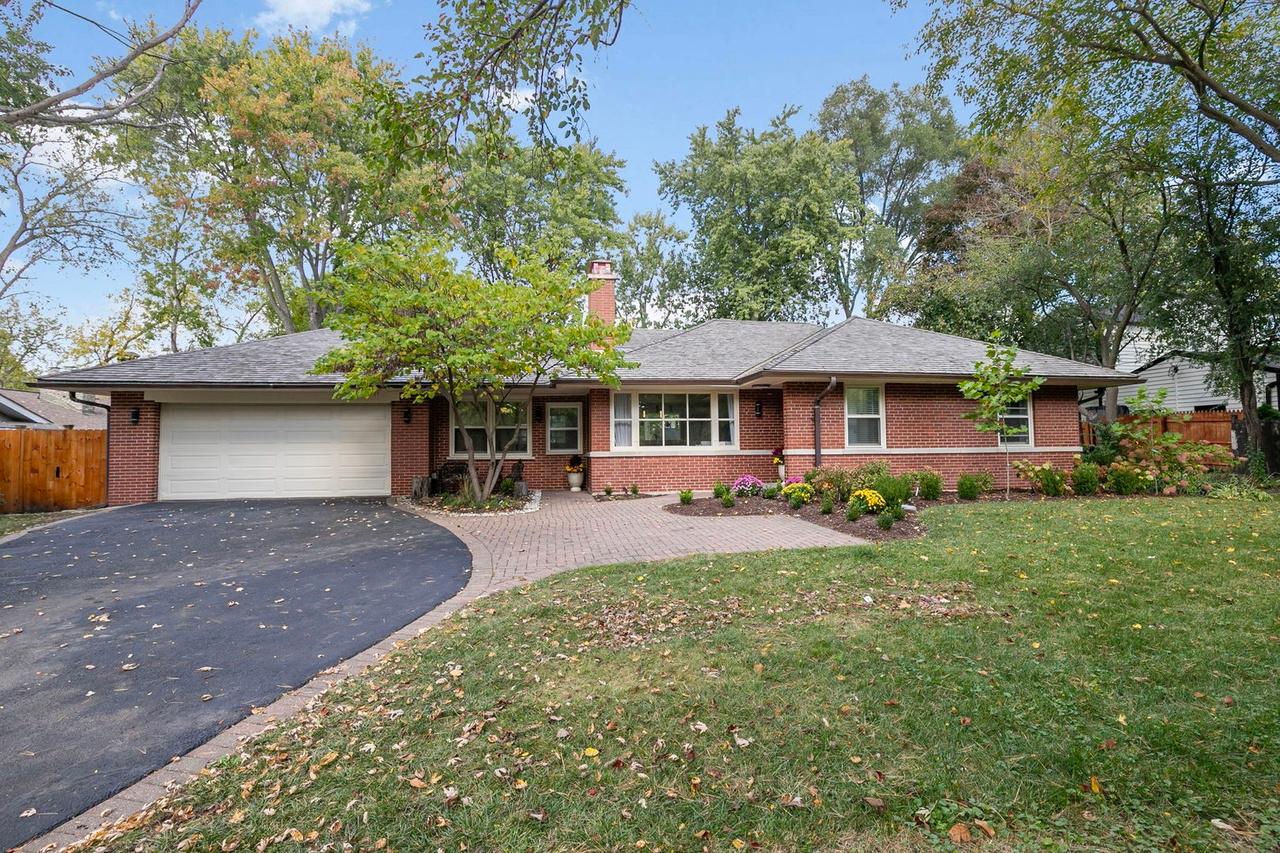
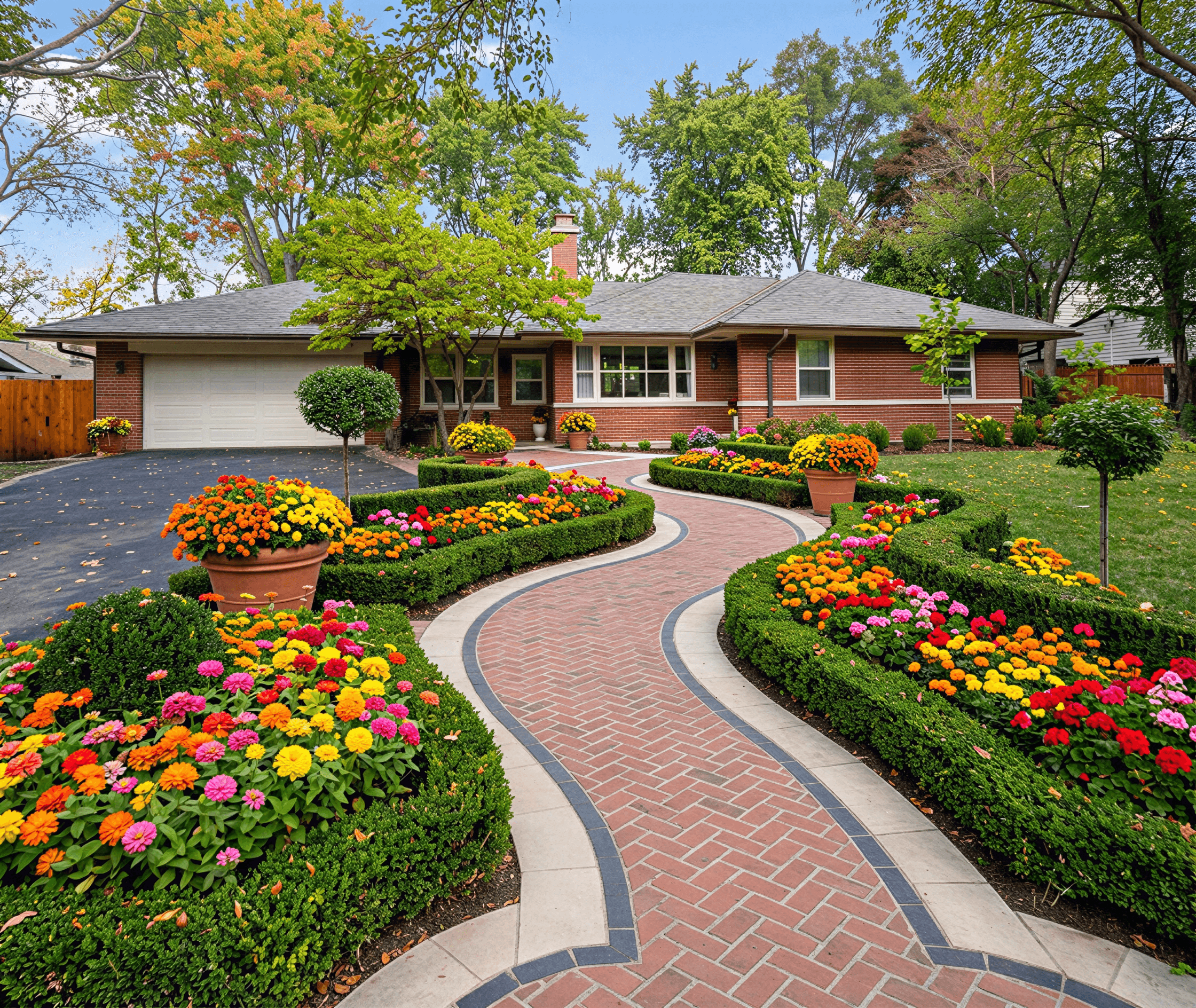
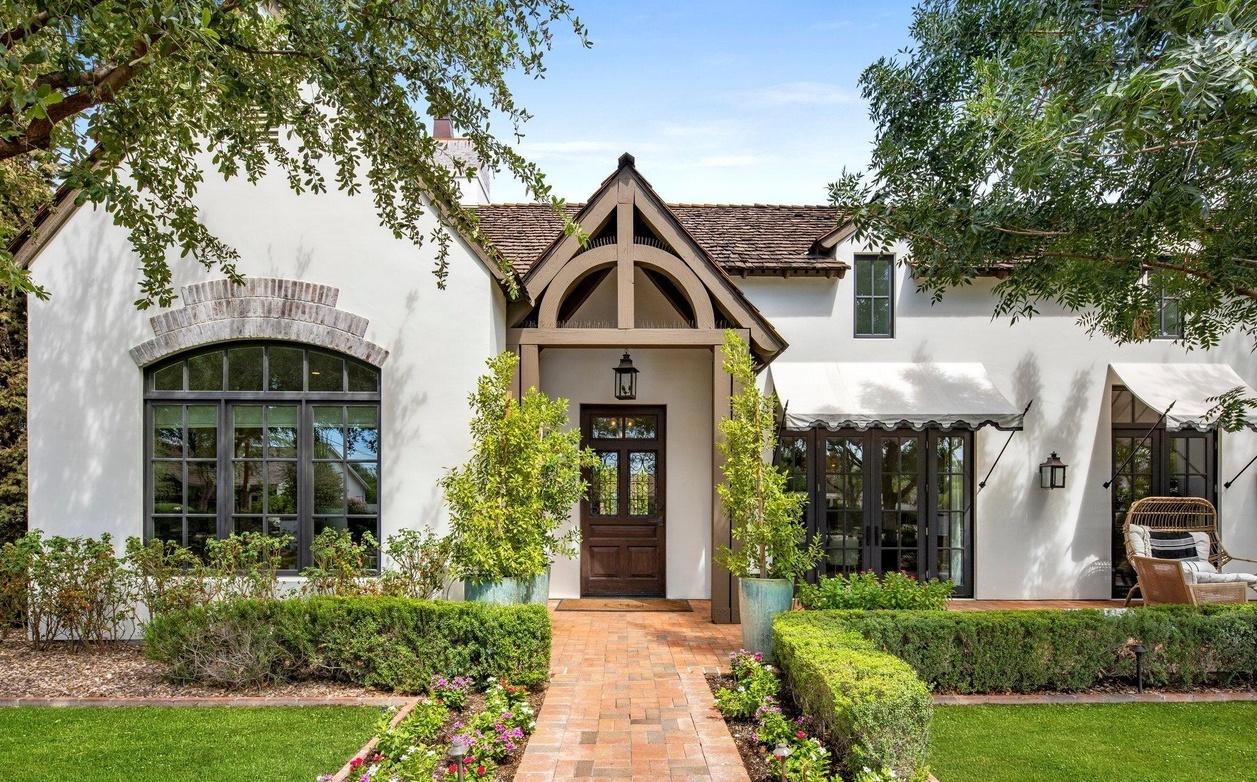
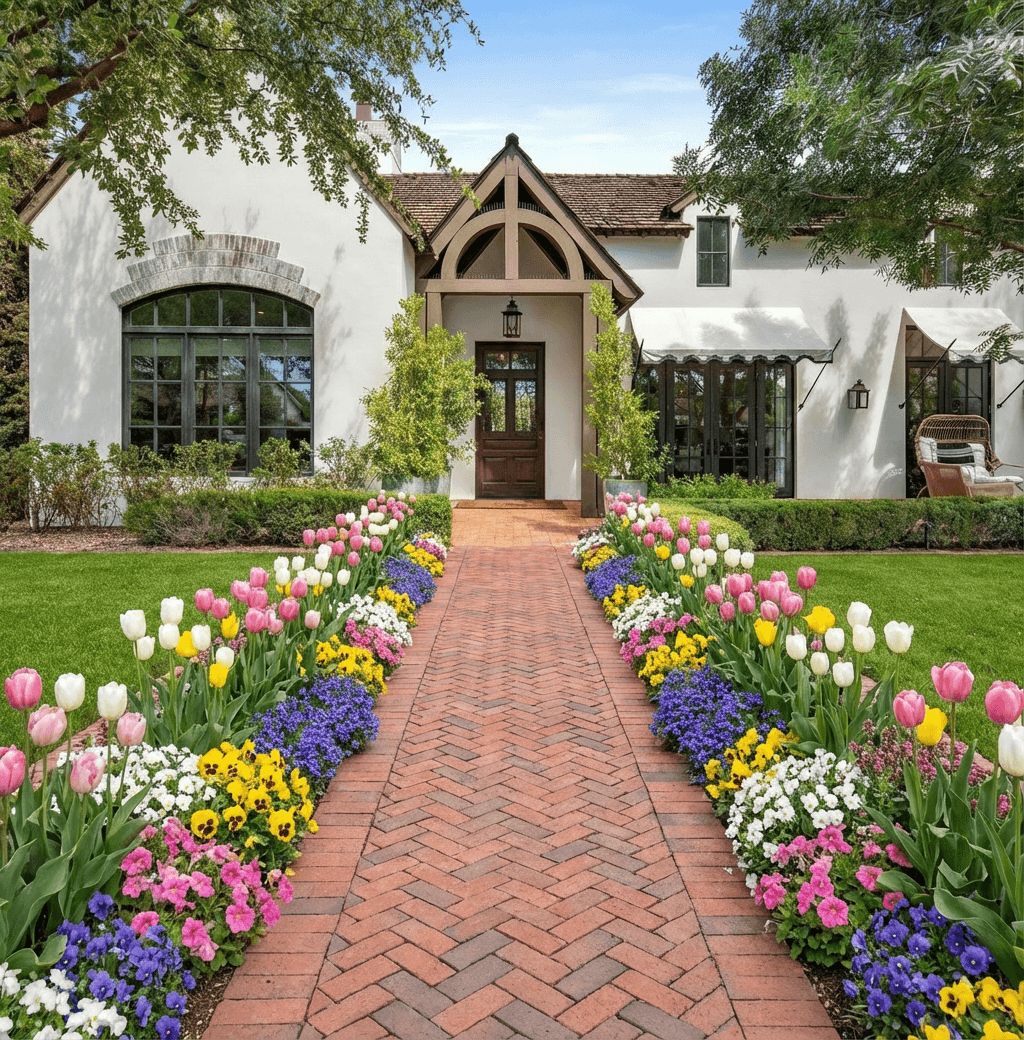
- Visualize the Possibilities: This is the most crucial step before committing time and money. Use modern tools to see how different materials will actually look on your property. A design that looks great in a photo might not fit the scale or style of your home.
Moving beyond the traditional lawn is more than a landscaping trend; it's a forward-thinking investment in your property's value, your community's ecological health, and your own time and resources. By choosing the right combination of materials, you can create a beautiful, functional, and sustainable outdoor space that truly reflects your personal style and values. The perfect, lawn-free landscape is within your reach.
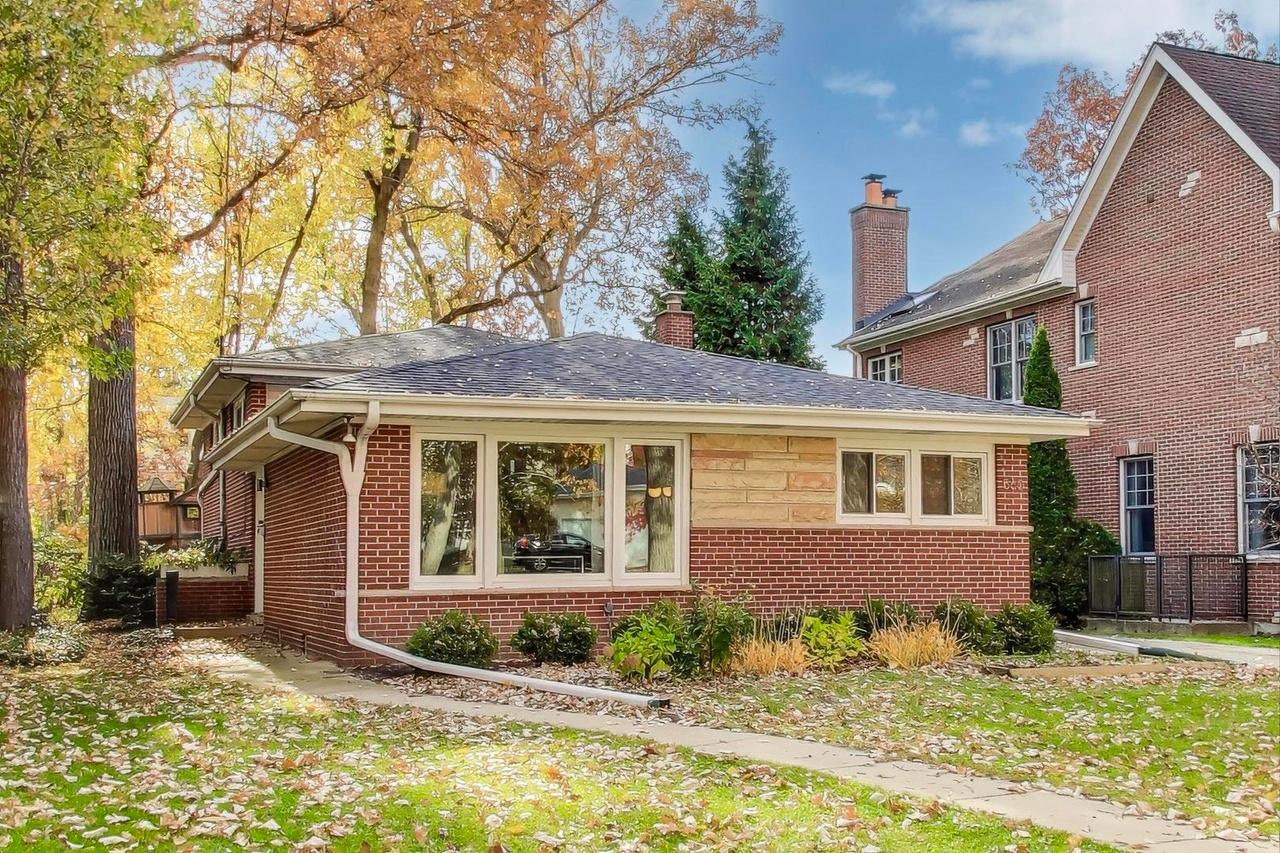
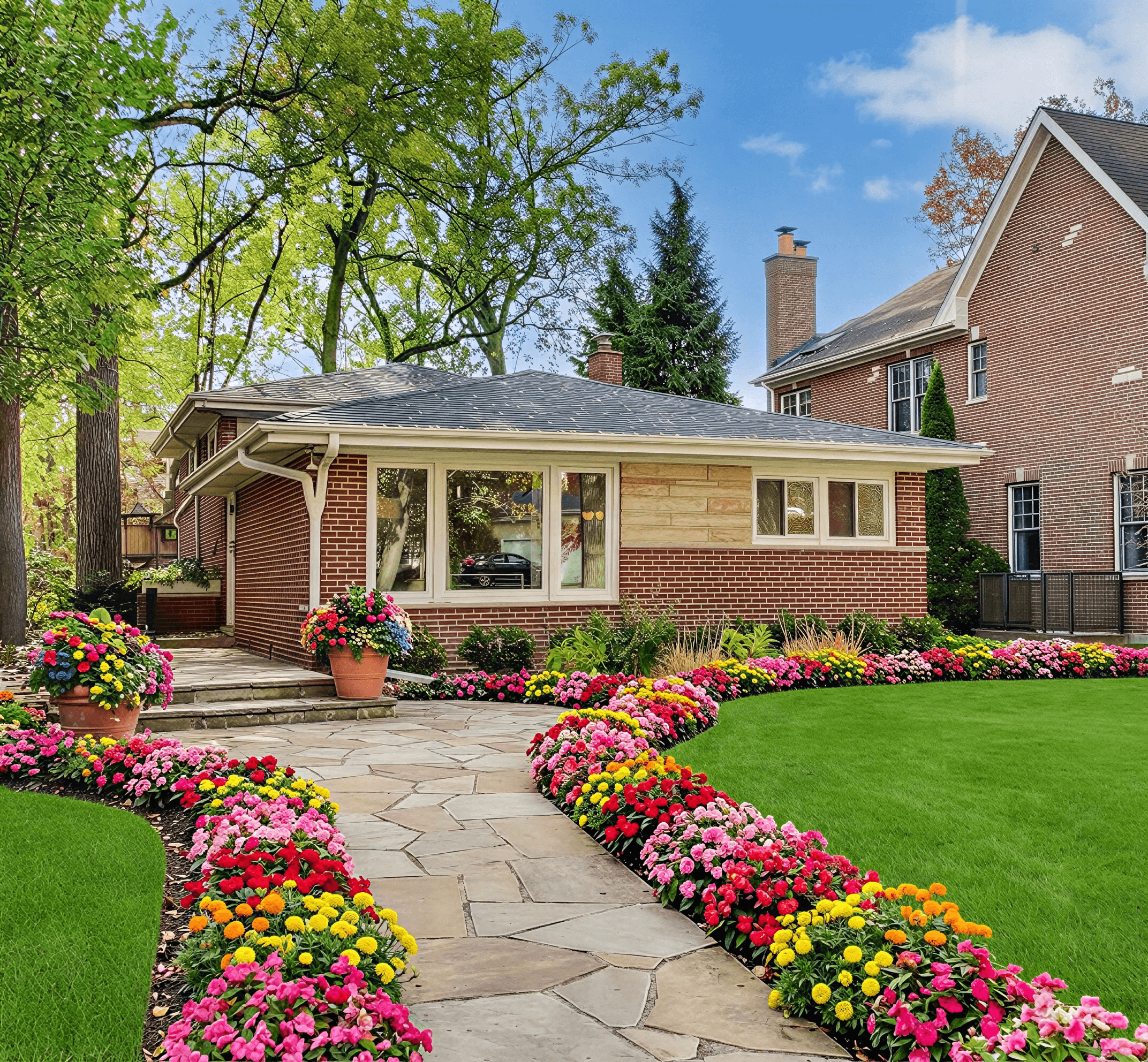
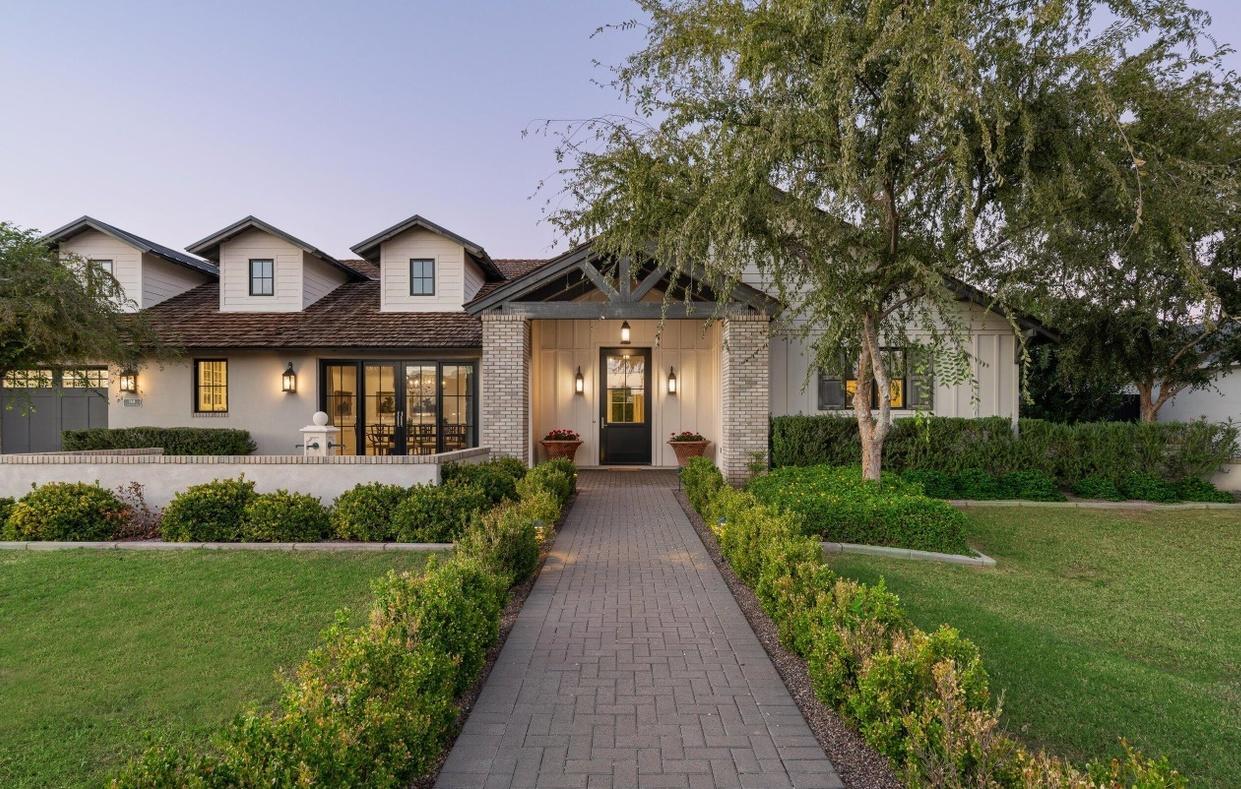
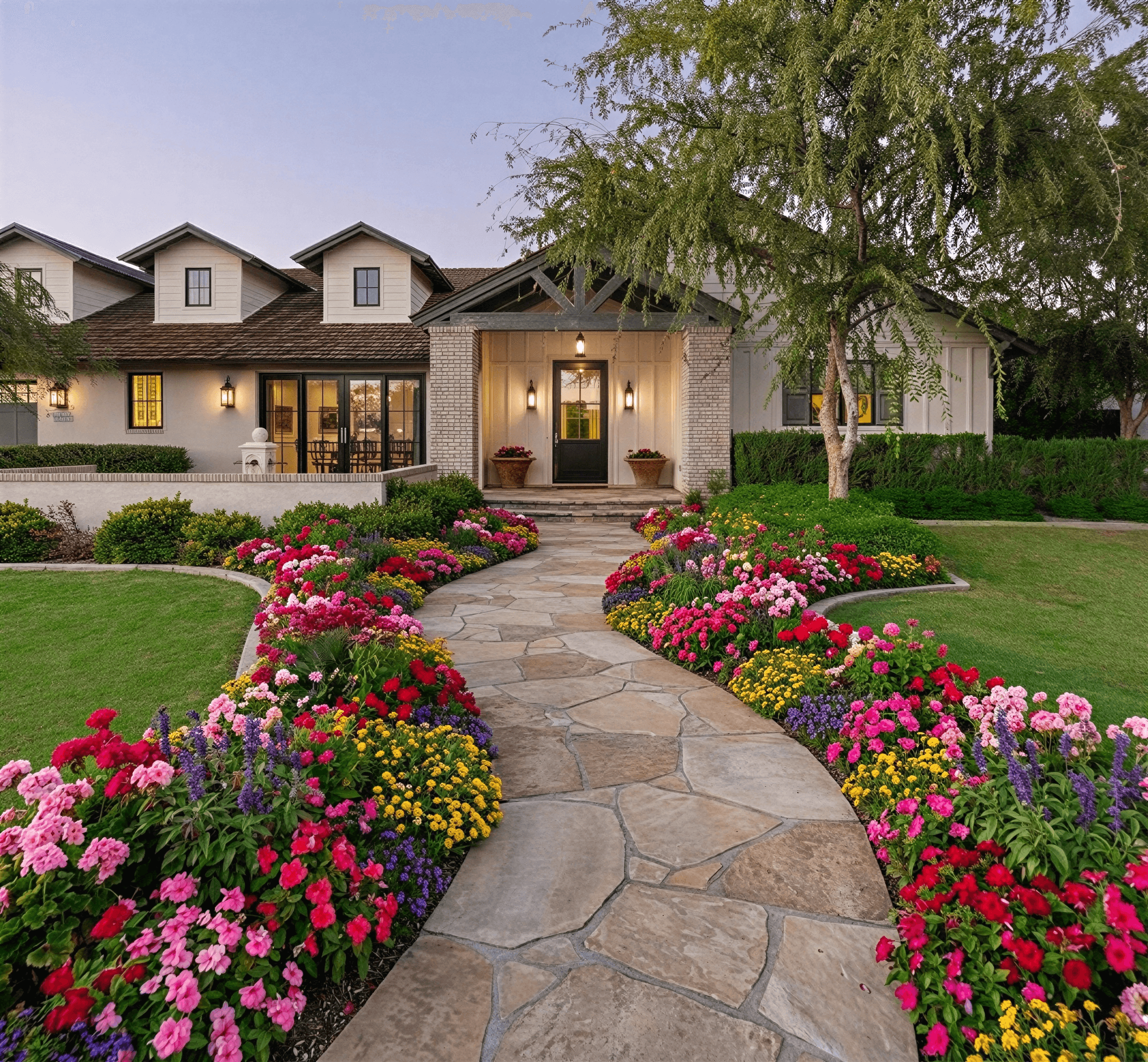
Ready to see how these ground cover alternatives could transform your home's exterior? With Curb Appeal AI, you can stop guessing and start visualizing. Upload a photo of your property and instantly experiment with dozens of designs, from modern gravel beds to lush native gardens, seeing the stunning results in seconds before you commit to a project. Curb Appeal AI