10 Brilliant Shade Garden Landscaping Ideas to Elevate Your Curb Appeal in 2026
Shady areas in your yard aren't a challenge; they're an opportunity to create a lush, sophisticated, and valuable landscape. While sun-drenched gardens often get more attention, a well-designed shade garden offers a unique sense of tranquility, texture, and depth that can dramatically enhance your home's curb appeal. The key is to move beyond the struggle of growing grass under a dense canopy and embrace the rich palette of plants and design principles that thrive in low light.
From serene woodland retreats to vibrant foliage-first displays, the right shade garden landscaping ideas can transform a forgotten corner into your property's most stunning feature. These spaces provide a cool, inviting respite during hot months and allow for a completely different style of planting, one focused on form, subtle color, and year-round structure. Successfully landscaping a shady spot is about selecting the right plants and combining them with thoughtful design elements like stonework, pathways, and container arrangements.
This guide explores 10 distinct, actionable strategies to help you master your low-light areas. We will cover everything from foundational concepts like soil preparation to advanced techniques involving layered foliage and hardscaping integration. You will find specific plant recommendations, practical implementation steps, and maintenance insights to design a shade garden that is not only beautiful but also sustainable and perfectly suited to your home's climate. We'll show you how to layer textures with hostas and ferns, introduce color with hellebores and astilbes, and build a cohesive landscape that delivers visual interest through all four seasons.
1. Shade-Tolerant Perennial Borders
Shade-tolerant perennial borders are a cornerstone of sophisticated shade garden landscaping ideas, creating lush, layered beds that return year after year. These designs focus on plants that thrive in partial to full shade, receiving fewer than four hours of direct sunlight daily. Instead of struggling with sun-loving annuals, this approach establishes a resilient, low-maintenance garden that provides consistent color, texture, and structure.
This method is ideal for foundation plantings along north-facing walls, beneath the canopy of mature trees, or in side yards that rarely see the sun. By selecting the right perennials, you can transform these challenging areas into vibrant focal points that boost curb appeal.
Key Plants & Layout
For a dynamic border, layer plants by height. Start with low-growing ground covers in the front, mid-sized foliage plants in the middle, and taller, statement plants at the back.
- Front Border (Under 12 inches): Sweet Woodruff (Galium odoratum), Creeping Jenny (Lysimachia nummularia), Wild Ginger (Asarum canadense).
- Mid-Border (1-3 feet): Hostas (varied cultivars like 'Sum and Substance' or 'Frances Williams'), Astilbe (Astilbe spp.) for feathery plumes, and Coral Bells (Heuchera spp.) for colorful foliage.
- Back Border (3+ feet): Ostrich Fern (Matteuccia struthiopteris), Goat's Beard (Aruncus dioicus), or Ligularia (Ligularia spp.) for bold texture.
Implementation & Maintenance Tips
Achieving a professional look requires strategic planning. First, use a garden hose to outline a curving, natural-looking bed line before digging. Amend the soil with compost to enrich it for shade-loving plants, which often prefer moist, well-drained conditions.
Pro Tip: Incorporate variegated foliage from plants like 'Jack Frost' Brunnera or 'Patriot' Hosta. The bright patterns in their leaves act like natural highlighters, illuminating the darkest corners of your garden.
For maintenance, apply a 2-3 inch layer of mulch annually to retain moisture and suppress weeds. Grouping plants with similar water needs simplifies irrigation. For example, place moisture-loving ferns and astilbes together, separate from more drought-tolerant hellebores. This thoughtful grouping is a key element in successful and sustainable shade garden landscaping ideas.
2. Shade Groundcover and Moss Gardens
Shade groundcover and moss gardens offer a lush, low-maintenance solution for areas where turfgrass struggles. This approach utilizes dense, low-growing plants to create a living carpet that suppresses weeds, retains soil moisture, and adds a unique textural dimension. Instead of bare earth or patchy lawn under trees, this strategy establishes a resilient, green foundation that can range from a traditional bed of pachysandra to a serene, Japanese-inspired moss landscape.
This method is perfect for covering large areas beneath mature trees, stabilizing sloped terrain, or creating soft pathways between stones. By choosing the right groundcover, you can transform difficult, shaded spots into beautiful, functional spaces that require minimal upkeep once established. This is a foundational technique among practical shade garden landscaping ideas.
Key Plants & Layout
For a visually appealing design, you can either commit to a single species for a uniform look or mix several complementary textures and colors for a more naturalistic effect.
- Flowering Groundcovers: Periwinkle (Vinca minor), Lamium (Lamium maculatum), and Bugleweed (Ajuga reptans) offer seasonal color and are excellent for filling in large spaces.
- Foliage-Focused Groundcovers: Japanese Pachysandra (Pachysandra terminalis) provides a classic, evergreen carpet. For deep shade, consider European Wild Ginger (Asarum europaeum) with its glossy, heart-shaped leaves.
- Mosses: For acidic, consistently moist soil, Cushion Moss (Leucobryum glaucum) and Sheet Moss (Hypnum imponens) create a velvety, emerald-green surface ideal for minimalist or woodland designs.
Implementation & Maintenance Tips
Successful establishment begins with thorough soil preparation. Clear the area of all weeds, roots, and debris. For traditional groundcovers, amend the soil with compost and space new plants according to their mature spread to ensure they fill in efficiently.
Pro Tip: Before establishing a moss garden, test your soil's pH. Mosses thrive in acidic conditions (pH 5.0 to 6.5). You can gently lower the pH by amending the soil with sulfur or peat moss to create an ideal environment for them to flourish.
Initial maintenance for groundcovers involves watering regularly and applying a light layer of mulch to suppress weeds while the plants get established. For moss, simply keep the area moist and free of leaf litter. Over time, these living carpets will become a self-sustaining and beautiful feature of your shade garden.
3. Layered Foliage Design (Hostas, Ferns, Sedges)
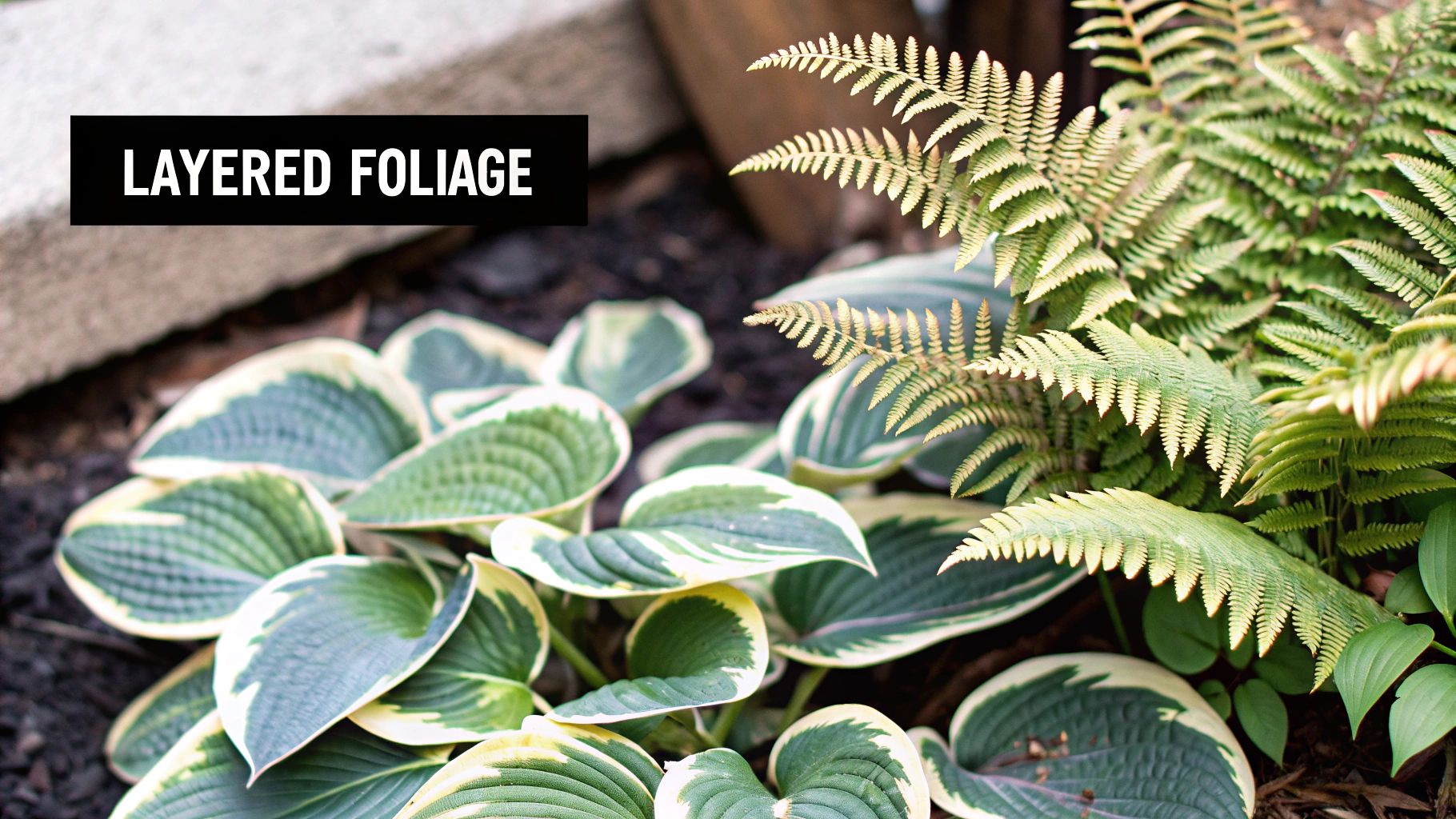
Layered foliage design is one of the most sophisticated shade garden landscaping ideas, prioritizing leaf texture, color, and form over fleeting blooms. This approach uses the architectural leaves of hostas, the delicate fronds of ferns, and the fine texture of sedges to create a dynamic, season-long composition. By focusing on foliage, you ensure visual interest from spring through fall, crafting a lush, green tapestry that is both low-maintenance and highly impactful.
This method is perfect for creating professional-looking curb appeal in shaded entryways, foundation plantings, and understory gardens. It elevates these challenging spots into elegant, structured landscapes that look intentionally designed, proving that vibrant gardens don't always need flowers to make a statement.
Key Plants & Layout
The success of this design lies in contrasting forms and textures. Combine bold, broad leaves with fine, airy foliage and upright grassy shapes to create visual rhythm and depth.
- Bold Structure: Hostas are the stars here. Use varieties like 'Sum and Substance' for huge chartreuse leaves, 'Blue Angel' for powdery blue tones, and 'First Frost' for striking variegation.
- Fine Texture: Ferns provide a soft, delicate counterbalance. Japanese Painted Fern (Athyrium niponicum 'Pictum') adds silver and burgundy, while Ostrich Fern (Matteuccia struthiopteris) offers tall, vase-like structure.
- Grassy Accents: Ornamental sedges like the Evergold Japanese Sedge (Carex hachijoensis 'Evergold') introduce linear, flowing forms that break up the broadleaf plants and add movement.
Implementation & Maintenance Tips
Begin by establishing a foliage color palette. Plan to include shades of blue-green, chartreuse, deep green, and variegated patterns for maximum visual appeal. Arrange plants in clusters of 3 or 5, layering them by their mature height to create a natural, cohesive look.
Pro Tip: Vary leaf textures strategically. Place a fine-textured fern right next to a bold, broad-leaf hosta. This high-contrast pairing makes each plant's unique characteristics stand out more dramatically, adding depth and complexity to your design.
For maintenance, deadhead hosta flower scapes after they bloom to redirect the plant's energy back into its stunning foliage. A fresh layer of dark mulch applied annually not only retains moisture and suppresses weeds but also makes the green, blue, and gold tones of the leaves pop. This foliage-first strategy is a hallmark of high-end shade garden landscaping ideas.
4. Hardscaping with Shade Plants (Stone, Pathways, Seating)
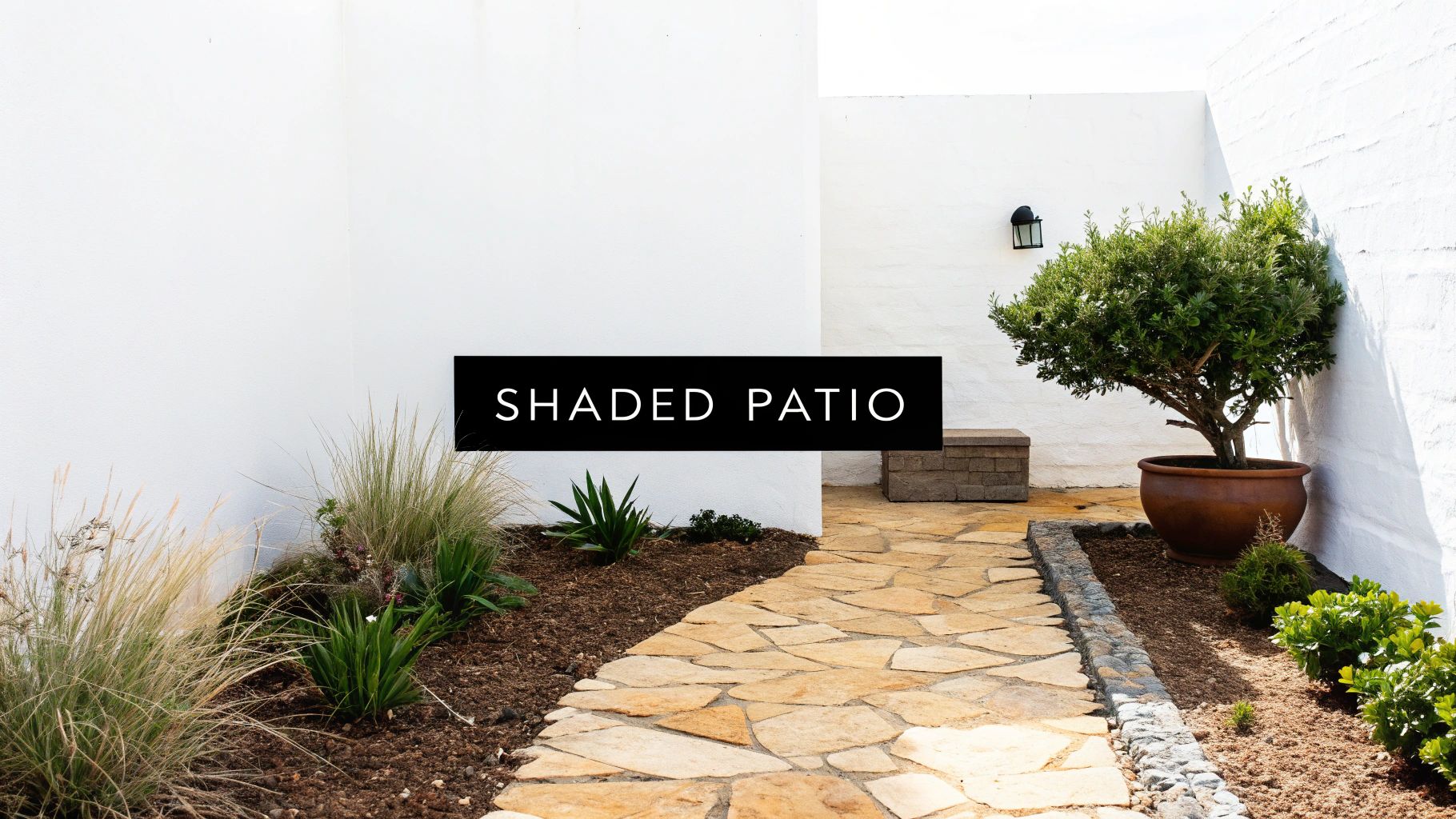
Strategic hardscaping is a powerful tool in shade garden design, providing essential structure, texture, and year-round interest where sunlight is limited. This approach integrates elements like stone pathways, seating areas, and raised beds with thoughtfully chosen shade plants. Instead of fighting the lack of sun, hardscaping embraces it, creating functional and elegant outdoor rooms that feel intentional and sophisticated.
This method is perfect for defining zones within a larger shady area, creating usable patio space under a dense tree canopy, or adding architectural flair to a north-facing entryway. By balancing the soft textures of foliage with the solid lines of stone and wood, you build a garden that remains visually appealing even in winter when perennials are dormant.
Key Plants & Layout
The goal is to soften hardscape edges and fill gaps with plants that thrive in the unique microclimates created by stone and pavement. Choose plants that can handle root competition and varying moisture levels near hard surfaces.
- Pathways & Crevices: Creeping Thyme (Thymus serpyllum), Irish Moss (Sagina subulata), and Blue Star Creeper (Isotoma fluviatilis) are tough enough to handle light foot traffic and fill gaps between pavers.
- Bordering Patios & Walls: Use clumping plants like Dwarf Mondo Grass (Ophiopogon japonicus 'Nana') for clean lines, or let Japanese Forest Grass (Hakonechloa macra) spill over edges for a softer effect. Hostas and Heucheras also provide excellent color and form.
- Seating Area Accents: Place larger container plants like Japanese Maples (Acer palmatum) or shade-loving Camellias near benches or seating walls to create a sense of enclosure and add vertical interest.
Implementation & Maintenance Tips
Successful hardscaping begins with a cohesive plan. Select materials like flagstone, gravel, or brick that complement your home's architectural style. For pathways, ensure a stable, well-drained base to prevent shifting and waterlogging, a common issue in shady spots.
Pro Tip: Use permeable pavers or spaced flagstones with gravel or groundcover fillers. This technique improves drainage, reduces runoff, and allows moisture to reach the roots of nearby trees and shrubs, creating a healthier garden ecosystem.
For maintenance, periodically sweep pathways to prevent debris from staining surfaces and pull any opportunistic weeds from between stones. Combining robust hardscape with resilient plants is one of the most durable shade garden landscaping ideas, offering lasting beauty with minimal upkeep.
5. Shade-Loving Flowering Plants (Hellebores, Astilbes, Bleeding Heart)
While many associate shade with a lack of flowers, a dedicated focus on shade-loving bloomers is one of the most rewarding shade garden landscaping ideas. This approach moves beyond foliage, using specific flowering perennials to create seasonal focal points and inject vibrant color into dim spaces. It proves that a shady garden can be just as dynamic and colorful as a sun-drenched one.
This idea is perfect for gardeners who want to mark the changing seasons with waves of color. It is especially effective in woodland gardens, along north-facing foundations, or in any area where you want to draw the eye with something more than just green textures. By strategically planting these bloomers, you ensure there's always something new to see from late winter through summer.
Key Plants & Layout
The key to a successful flowering shade garden is succession planting: choosing plants that bloom at different times to create continuous interest. Layer these bloomers with evergreen foliage plants like Hellebores or ferns to ensure the bed looks full even when flowers are not in season.
- Late Winter/Early Spring: Hellebores (Helleborus), also known as Lenten Rose, offer elegant, downward-facing blooms in shades of white, pink, and deep purple when little else is growing.
- Mid-to-Late Spring: Bleeding Heart (Dicentra spectabilis) produces its iconic, heart-shaped pink or white flowers on gracefully arching stems.
- Early-to-Mid Summer: Astilbe (Astilbe spp.) sends up feathery plumes in pink, red, and white, brightening the garden during the summer months.
Implementation & Maintenance Tips
For maximum visual impact, plant these flowers in clusters or drifts of 3, 5, or 7. This creates a more natural and substantial splash of color than dotting single plants around. Amend your soil with plenty of organic matter, as most of these plants prefer consistently moist, rich conditions to support their blooms.
Pro Tip: Combine bloomers with colorful foliage plants like Coral Bells (Heuchera) or Japanese Painted Fern (Athyrium niponicum 'Pictum'). The foliage provides a beautiful backdrop that complements the flowers and extends the season of interest long after the blooms have faded.
Deadhead spent flowers on plants like Bleeding Heart and Astilbe to encourage more energy to go into the roots, unless you want them to self-seed. Applying a layer of mulch helps retain crucial moisture, especially for thirsty Astilbes during the heat of summer. This thoughtful combination of bloom and foliage is a hallmark of sophisticated shade garden landscaping ideas.
6. Shade-Tolerant Shrubs and Evergreens
Shade-tolerant shrubs and evergreens are the structural backbone of any successful shade garden, providing year-round presence, defining garden spaces, and screening unwanted views. Unlike perennials that die back in winter, these woody plants create a permanent framework that offers visual interest regardless of the season. This approach establishes a mature, polished landscape that feels both intentional and enduring.
This method is perfect for creating foundation plantings that anchor a home to its landscape, establishing privacy hedges along property lines, or adding vertical layers beneath a high tree canopy. By choosing the right shrubs, you can build a low-maintenance garden with four-season appeal, a cornerstone of effective shade garden landscaping ideas.
Key Plants & Layout
For a well-balanced design, mix broadleaf evergreens with deciduous shrubs that offer seasonal interest. Use taller shrubs to create a backdrop and shorter, mounding varieties in the mid-ground.
- Broadleaf Evergreens: Rhododendrons and Azaleas for spectacular spring blooms, Japanese Pieris (Pieris japonica) for its elegant cascading flowers, and various Hollies (Ilex spp.) for structure and winter berries.
- Deciduous Shrubs: Oakleaf Hydrangea (Hydrangea quercifolia) provides summer flowers and brilliant fall color, Japanese Maple (Acer palmatum) offers delicate foliage, and Serviceberry (Amelanchier spp.) contributes spring blossoms and edible fruit.
- Conifers: Yews (Taxus spp.) and certain Hemlocks (Tsuga canadensis) are exceptionally shade-tolerant, providing fine-textured evergreen foliage.
Implementation & Maintenance Tips
Strategic placement is crucial for the long-term health and aesthetics of your garden. Always research the mature size of a shrub before planting to avoid future overcrowding and excessive pruning. Space plants to allow for their full growth, ensuring good air circulation.
Pro Tip: Plant evergreen shrubs in the early fall. The cooler air temperatures and warm soil encourage strong root development before winter, giving them a significant head start for vigorous growth the following spring.
To maintain flowering shrubs like rhododendrons and pieris, prune them immediately after they finish blooming to avoid cutting off next year's flower buds. Use these structural plants to frame architectural features like windows or entryways, guiding the eye and enhancing your home's curb appeal.
7. Container Gardens and Shade-Tolerant Potted Plants
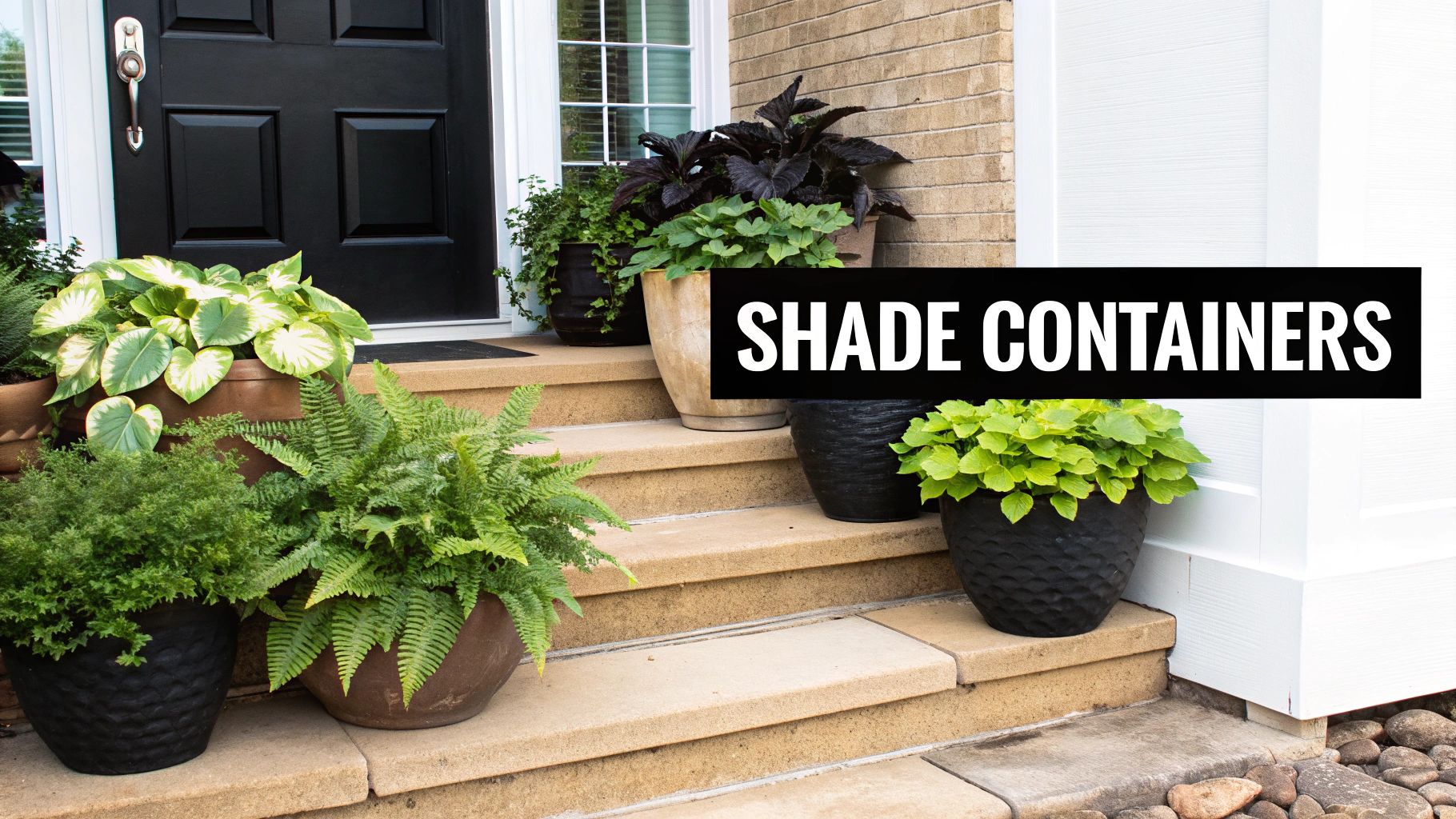
Container gardens provide one of the most flexible and dynamic shade garden landscaping ideas, allowing for portable beauty and seasonal adjustments. This approach uses pots, urns, and planters to cultivate shade-loving plants, offering a perfect solution for areas with poor soil, limited space, or where in-ground planting is impractical. By containing the garden, you gain complete control over the soil, water, and nutrient environment for each plant.
This method is ideal for brightening up shaded patios, balconies, front entryways, and decks. It allows renters to create a garden without altering the property and gives homeowners a way to experiment with plant combinations before committing to a permanent landscape design. The mobility of containers means you can easily rearrange your garden for parties, seasonal interest, or to chase the limited sunlight.
Key Plants & Layout
The "thriller, filler, spiller" technique works perfectly for shade containers. Select a tall, eye-catching "thriller," mounding "filler" plants to surround it, and trailing "spiller" plants to cascade over the pot's edge.
- Thrillers (Tall Focal Points): Japanese Forest Grass (Hakonechloa macra), Foxglove (Digitalis purpurea), or a dwarf Japanese Maple (Acer palmatum).
- Fillers (Mounding Plants): Impatiens (Impatiens walleriana), Tuberous Begonias (Begonia × tuberhybrida), Coleus (Plectranthus scutellarioides), and smaller Hostas.
- Spillers (Trailing Plants): Creeping Jenny (Lysimachia nummularia 'Aurea'), English Ivy (Hedera helix), or Trailing Lobelia (Lobelia erinus).
Implementation & Maintenance Tips
Success with container gardening starts with the right foundation. Always use a high-quality potting mix, not garden soil, as it provides the necessary aeration and drainage for potted plants. Group containers in odd numbers like 3 or 5, varying their heights and sizes to create a more natural and visually appealing composition.
Pro Tip: Choose containers that enhance your home's architectural style and color palette. A sleek, modern planter complements a contemporary home, while a classic terracotta pot suits a traditional or cottage-style exterior. The pot is as much a part of the design as the plants.
Container plants require more frequent attention than those in the ground. Check soil moisture daily during hot weather, as pots dry out quickly. Fertilize with a balanced liquid fertilizer every 2-4 weeks during the growing season to replenish nutrients that leach out with watering. This consistent care is essential for vibrant, long-lasting container displays and is a cornerstone of effective shade garden landscaping ideas for small or temporary spaces.
8. Shade Garden Color Combinations and Variegated Plants
While flowers provide seasonal bursts of color, intentional combinations of variegated and colorful foliage create a stunning, year-round display that prevents a shade garden from becoming a monotonous sea of green. This approach uses plants with patterned leaves-featuring stripes, spots, or edges of cream, gold, silver, or pink-to illuminate dark spaces. By strategically pairing these plants with solid-colored foliage, you can craft a sophisticated palette that adds depth and visual excitement.
This design strategy is perfect for brightening the darkest corners under dense tree canopies or along shadowed walkways. The light-colored patterns on variegated leaves catch and reflect ambient light, making the entire area feel brighter and more dynamic. It’s a powerful tool in the arsenal of shade garden landscaping ideas for creating a high-impact, low-maintenance garden.
Key Plants & Layout
To create a balanced and visually appealing composition, mix variegated plants with solid colors that complement or contrast their patterns. Think of foliage as your primary paint palette.
- Gold & Cream Variegation: Use Hosta 'Patriot' (green with white margins) or Japanese Forest Grass (Hakonechloa macra 'Aureola') to light up deep shade.
- Silver & Pewter Foliage: Japanese Painted Fern (Athyrium niponicum var. pictum) and 'Jack Frost' Brunnera (Brunnera macrophylla) introduce a cool, shimmering effect.
- Deep Color Contrast: Pair the silver foliage of Brunnera with the deep purple leaves of 'Palace Purple' Coral Bells (Heuchera micrantha) or the nearly black foliage of 'Black Scallop' Ajuga (Ajuga reptans) for dramatic contrast.
Implementation & Maintenance Tips
Start by identifying the darkest spots in your garden and make them your primary target for bright, variegated plants. Use a 60/40 rule: combine approximately 60% variegated or colorful foliage with 40% solid green plants to avoid a visually chaotic look. The solid green foliage provides a restful backdrop that makes the patterns pop.
Pro Tip: For a truly sophisticated look, limit your color palette. Sticking to just two or three foliage colors, like silver, deep purple, and green, creates a more cohesive and impactful design than using every color available.
When planting, ensure variegated plants receive enough indirect light, as those with a lot of white or cream in their leaves have less chlorophyll and can struggle in very deep shade. An annual application of compost will keep the soil rich and support vibrant foliage color throughout the season.
9. Shade Garden Mulching and Soil Preparation
Proper mulching and soil preparation are foundational shade garden landscaping ideas, yet they are often overlooked. This approach focuses on creating a healthy growing environment before a single plant goes in the ground. Soils under tree canopies can be compacted, nutrient-poor, or overly moist, so amending them and applying quality mulch is crucial for plant success and provides a polished, professional finish.
This method is essential for any shady area, especially beneath large trees where roots compete for water and nutrients, or in beds with poor drainage. By improving the soil structure and topping it with a protective layer of mulch, you set your garden up for long-term health, reduce maintenance, and dramatically enhance visual appeal.
Key Materials & Strategy
The strategy involves a two-part process: amending the soil to improve its health and then applying a top layer of mulch for protection and aesthetics. Different mulches offer different benefits.
- Soil Amendments: High-quality compost or leaf mold improves soil structure, aeration, and nutrient content. For acidic soil lovers like rhododendrons, peat moss or pine fines can be beneficial.
- Mulch Types: Shredded hardwood bark decomposes slowly and stays in place on slopes. Pine straw is acidic, making it ideal for azaleas. Arborist wood chips are a sustainable option that builds excellent soil health over time.
- Aesthetic Choices: Dark-colored mulches, like black-dyed hardwood or dark compost, create a powerful visual contrast that makes green and variegated foliage pop.
Implementation & Maintenance Tips
Start by testing your soil to understand its pH and nutritional needs. Before planting, work a 2-3 inch layer of compost into the top 6-8 inches of your garden bed. This initial preparation is one of the most impactful steps in creating thriving shade garden landscaping ideas.
Pro Tip: When applying mulch, create a "donut" shape around the base of your plants, trees, and shrubs. Piling mulch directly against the stems or trunk can trap moisture, promoting rot and disease. Keep it pulled back by at least a few inches.
Refresh your mulch layer with a fresh 1-2 inches each spring to maintain a total depth of about 2-3 inches. This annual task suppresses weeds, conserves soil moisture during dry spells, and continuously adds organic matter to the soil as it breaks down, ensuring your shade garden remains vibrant and healthy year after year.
10. Shade Garden Accessibility and Year-Round Maintenance Planning
Thoughtfully designed shade gardens combine beauty with practicality, reducing long-term maintenance burdens while ensuring the space remains accessible and enjoyable for everyone. This forward-thinking approach focuses on creating sustainable gardens through strategic plant selection, accessible layouts, and clear seasonal upkeep plans. Instead of reacting to problems, this method anticipates the garden's needs from the start.
This planning is essential for senior-friendly landscapes, rental properties where low owner involvement is key, and any project where long-term success is a priority. By integrating maintenance and accessibility into the initial design, you create a garden that thrives with minimal intervention, making it a valuable asset rather than a chore.
Key Plants & Layout
The layout should prioritize easy movement and care. Design pathways at least three to four feet wide to accommodate wheelbarrows or mobility aids. Place plants that require occasional attention, like pruning or deadheading, near the edges for easy reach.
- Low-Maintenance Ground Covers: Japanese Pachysandra (Pachysandra terminalis) or Barrenwort (Epimedium spp.) create dense, weed-suppressing mats that require almost no care once established.
- Self-Sufficient Mid-Layer: Varieties of Christmas Fern (Polystichum acrostichoides) and Lenten Rose (Helleborus orientalis) are tough, evergreen or semi-evergreen, and rarely need division or staking.
- Structural Shrubs: Dwarf Fothergilla (Fothergilla gardenii) or Oakleaf Hydrangea (Hydrangea quercifolia) provide multi-season interest and structure without demanding constant pruning.
Implementation & Maintenance Tips
Start by establishing clear, wide pathways using stable materials like compacted gravel or flagstone. When planting, simplify the design by using fewer varieties in larger, repeated groups of three or five. This approach creates a cohesive look and makes plant identification and care straightforward.
Pro Tip: Create a seasonal maintenance calendar for the garden. Note key tasks like "Spring: apply fresh mulch," "Summer: check soaker hoses," and "Fall: leave beneficial leaf litter." This simple document turns maintenance from a daunting task into manageable steps.
Automate watering with a soaker hose or drip irrigation system on a timer to ensure consistent moisture, a critical element in many shade garden landscaping ideas. Educating owners on the minimal but necessary upkeep sets realistic expectations and ensures the garden's long-term health and beauty.
10-Point Shade Garden Comparison
| Option | 🔄 Implementation Complexity | ⚡ Resource Requirements | 📊 Expected Outcomes | ⭐ Key Advantages | 💡 Ideal Use Cases |
|---|---|---|---|---|---|
| Shade-Tolerant Perennial Borders | Medium — planning and staged establishment | Medium — moderate plant cost, seasonal care | Year‑round structure, increasing curb appeal over seasons | ⭐⭐⭐⭐ Reliable, low long‑term maintenance; mature aesthetic | Great for established yards, real‑estate staging, foundation plantings |
| Shade Groundcover and Moss Gardens | Low–Medium — soil prep and species selection; slow fill time | Low — inexpensive plants but time to establish; moist sites preferred | Dense, low‑maintenance cover; erosion control and neat beds | ⭐⭐⭐⭐ Weed suppression; erosion control; polished look | Slopes, woodland understories, moist Pacific Northwest sites |
| Layered Foliage Design (Hostas, Ferns, Sedges) | Medium — palette planning for texture and height | Medium — moderate plant diversity and mulch | Strong year‑round visual depth without relying on blooms | ⭐⭐⭐⭐ High visual rhythm; photogenic; shade‑adapted | Small entryways, shade‑challenged foundations, designer plantings |
| Hardscaping with Shade Plants (Stone, Pathways, Seating) | High — requires skilled installation and drainage planning | High — materials, labor, permitting possible | Immediate structural impact and improved accessibility | ⭐⭐⭐⭐⭐ Durable, low‑maintenance zones; raises perceived value | Urban yards, patios, high‑use shade areas, staging for resale |
| Shade‑Loving Flowering Plants (Hellebores, Astilbes, Bleeding Heart) | Medium — timing and soil/moisture requirements | Medium — specialty plants, seasonal maintenance | Seasonal focal color and pollinator interest | ⭐⭐⭐⭐ Seasonal color in deep shade; emotional appeal | Woodland borders, seasonal interest beds, photographed displays |
| Shade‑Tolerant Shrubs and Evergreens | Medium–High — correct siting and pruning knowledge | High — cost for larger specimens; occasional pruning | Year‑round structure, screening, long‑term landscape backbone | ⭐⭐⭐⭐⭐ Immediate maturity, screening, low turnover | Foundation plantings, privacy screens, formal landscapes |
| Container Gardens and Shade‑Tolerant Potted Plants | Low — fast to implement, flexible arrangements | Medium — quality pots, potting mix, frequent watering | Instant curb appeal; portable and seasonal changeability | ⭐⭐⭐⭐ Low commitment; ideal for staging and renters | Entryways, patios, temporary staging, testing designs |
| Shade Garden Color Combinations & Variegated Plants | Low–Medium — careful palette planning to avoid chaos | Medium — specialty cultivars can be pricier | Brighter visual impact in deep shade; varied year‑round interest | ⭐⭐⭐⭐ Dramatically improves dark areas without added lighting | Small shady corners, contemporary designs, social media marketing |
| Shade Garden Mulching & Soil Preparation | Low — straightforward but requires regular renewal | Low–Medium — ongoing mulch/material costs | Healthier plants, moisture retention, cleaner appearance | ⭐⭐⭐⭐⭐ Foundational benefit; reduces watering and weeds | Renovations, new beds, any shade planting project |
| Shade Garden Accessibility & Year‑Round Maintenance Planning | Medium — upfront design and scheduling effort | Medium — pathway materials, irrigation, planning time | Sustainable, low‑abandonment gardens and predictable upkeep | ⭐⭐⭐⭐⭐ Reduces long‑term labor; improves client satisfaction | Senior‑friendly designs, rentals, low‑maintenance landscapes |
From Inspiration to Implementation: Your Next Steps
We've journeyed through ten distinct and actionable shade garden landscaping ideas, moving from foundational concepts like soil preparation to the artistry of layered foliage and vibrant color combinations. You now possess a comprehensive toolkit to transform those challenging, low-light areas from overlooked afterthoughts into lush, intentional, and captivating garden retreats. The core lesson is clear: shade is not a limitation but a unique canvas offering a different set of textures, colors, and moods to explore.
From the elegant simplicity of a moss and groundcover garden to the structured beauty of hardscaped pathways softened by ferns, each idea presents a pathway to a more complete and harmonious landscape. The power of these strategies lies in their synergy. Imagine combining the year-round structure of shade-tolerant evergreens with the seasonal surprise of flowering hellebores and bleeding hearts, all while using variegated hostas to illuminate the darkest corners. This is how you create a garden with depth, intrigue, and enduring appeal.
Synthesizing the Concepts for a Cohesive Design
The most successful shade gardens are not born from a single idea but from a thoughtful blend of several. Your next step is to move beyond simply choosing one concept and begin weaving them together into a cohesive plan that reflects your home's architecture, your personal style, and your practical needs.
Think of it as a design recipe:
- The Foundation: Start with Item 9: Mulching and Soil Preparation. No design, no matter how brilliant, will thrive in poor soil. Amending your soil with rich organic matter is the single most important investment you can make.
- The Structure: Introduce the "bones" of your garden using Item 6: Shade-Tolerant Shrubs and Evergreens and Item 4: Hardscaping with Shade Plants. These elements provide essential vertical height, winter interest, and a permanent framework for your design.
- The Heart: This is where the artistry comes in. Use Item 3: Layered Foliage Design as your guiding principle. Combine the bold leaves of hostas, the delicate fronds of ferns, and the fine textures of sedges to create a rich tapestry of green.
- The Accents: Finally, sprinkle in the highlights. Weave in pops of color with Item 5: Shade-Loving Flowering Plants and add visual excitement with Item 8: Variegated Plants. For tight spaces or patios, Item 7: Container Gardens provides the perfect flexible solution.
Your Action Plan for a Thriving Shade Garden
Feeling empowered is one thing; taking action is another. Don't let analysis paralysis stall your progress. The key is to break down the project into manageable steps.
- Assess Your Shade: Before buying a single plant, map your shade. Observe the area at different times of the day and year to understand if you have light, partial, or deep shade. This knowledge is crucial for plant selection.
- Choose Your Style: Review the ideas in this article. Do you lean towards a natural woodland aesthetic or a more structured, formal look? Select a primary design direction to guide your choices.
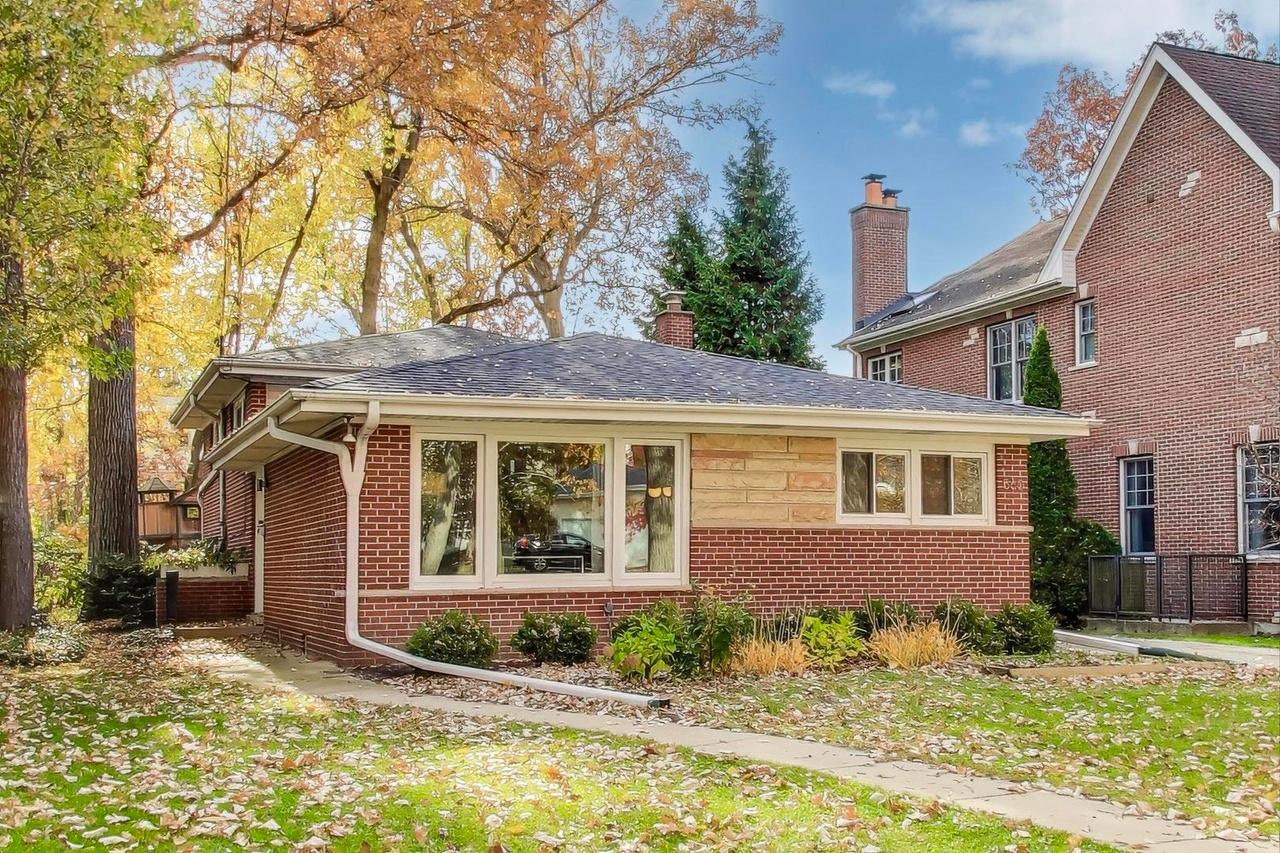
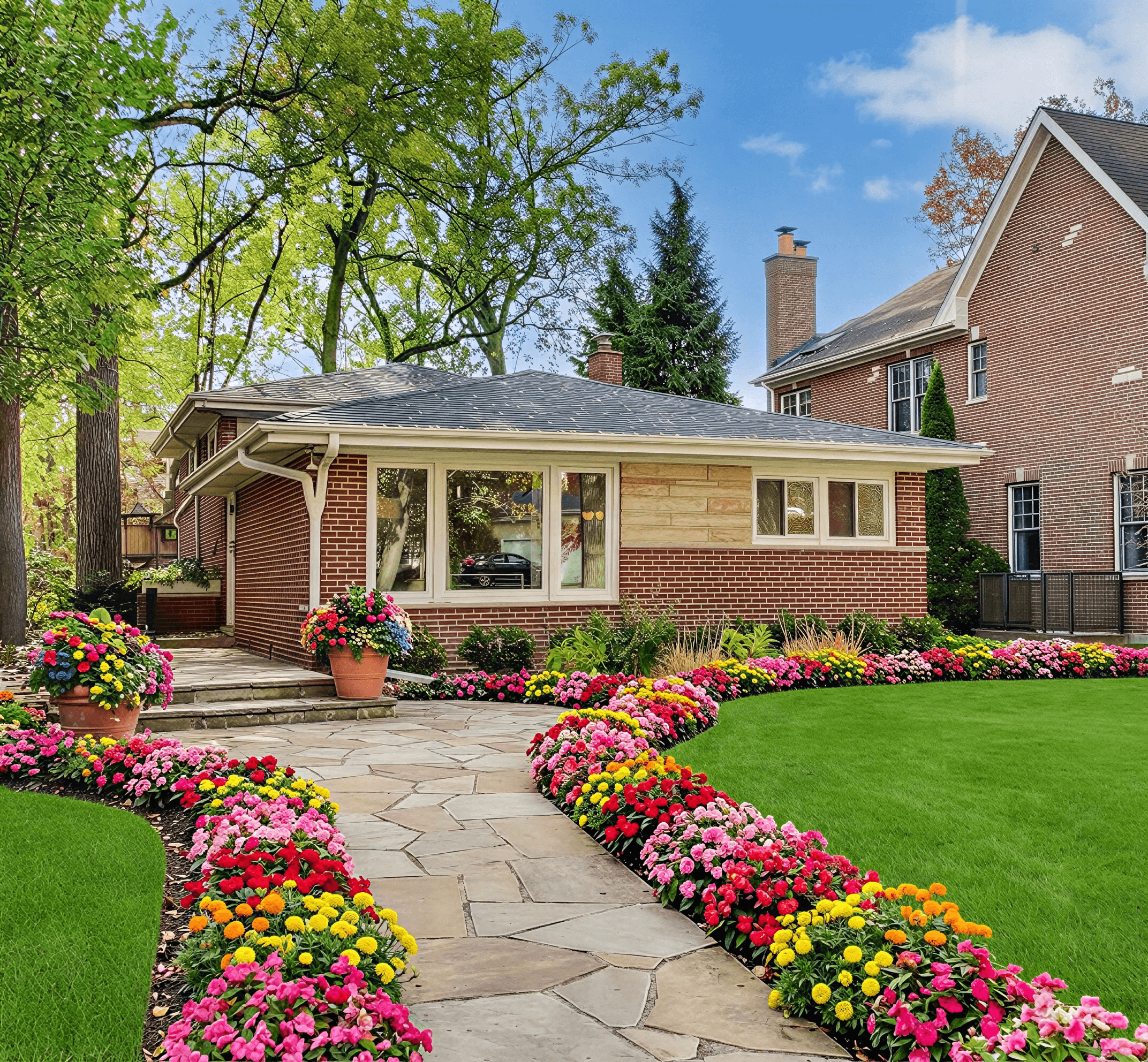
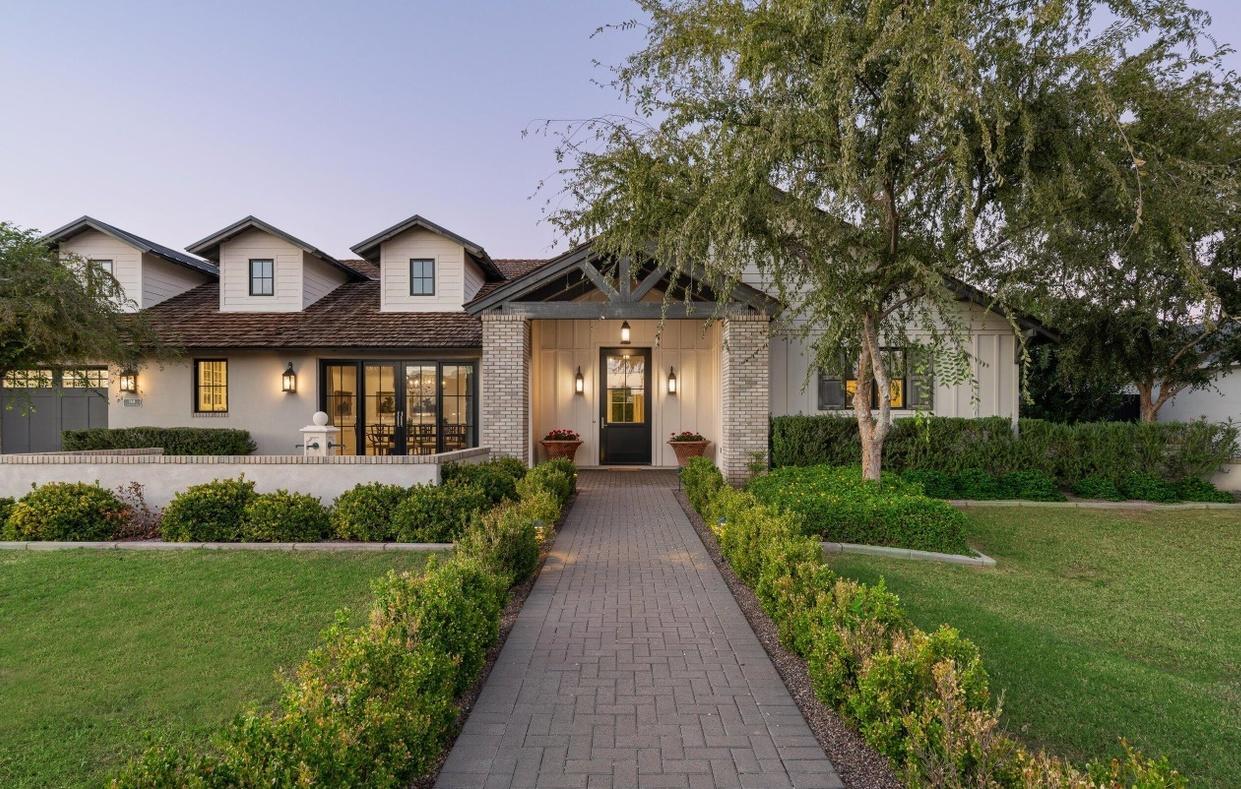
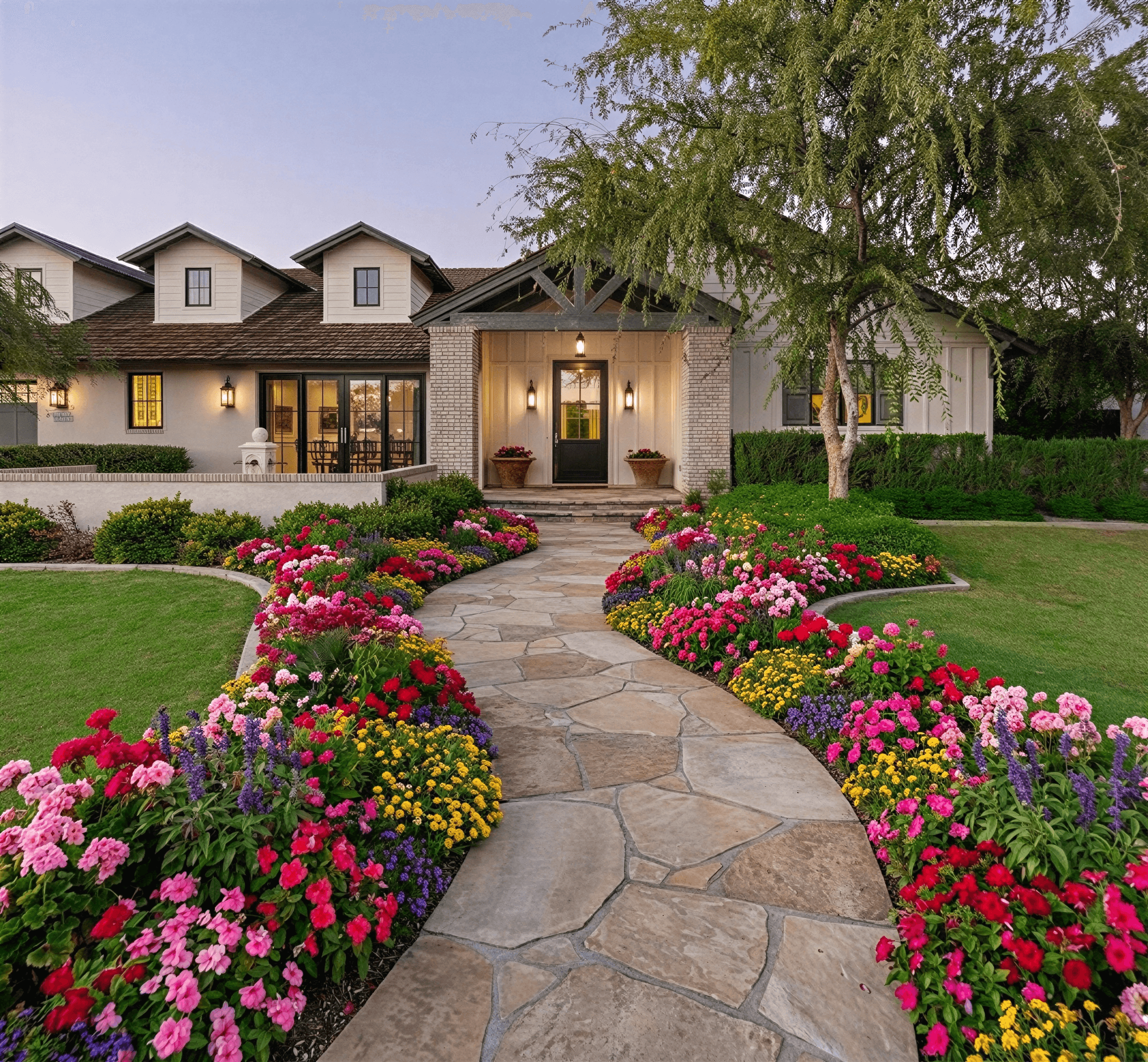
- Create a Visual Plan: This is where many homeowners get stuck. It’s difficult to imagine how different textures, heights, and colors will look together. Uncertainty can lead to costly mistakes. Visualizing the final outcome is no longer a challenge for landscape architects alone. Modern tools can bridge this gap, removing the guesswork and providing a clear, photorealistic blueprint.
- Execute in Phases: You don't have to tackle the entire project at once. Start with soil preparation and hardscaping. Then, add your structural shrubs and trees. Finally, fill in with perennials, groundcovers, and annuals over time.
By embracing the unique opportunities that shade provides and following a structured plan, you can create a garden that is not only beautiful but also a testament to thoughtful and creative design. The cool, tranquil space you've been dreaming of is well within your reach.
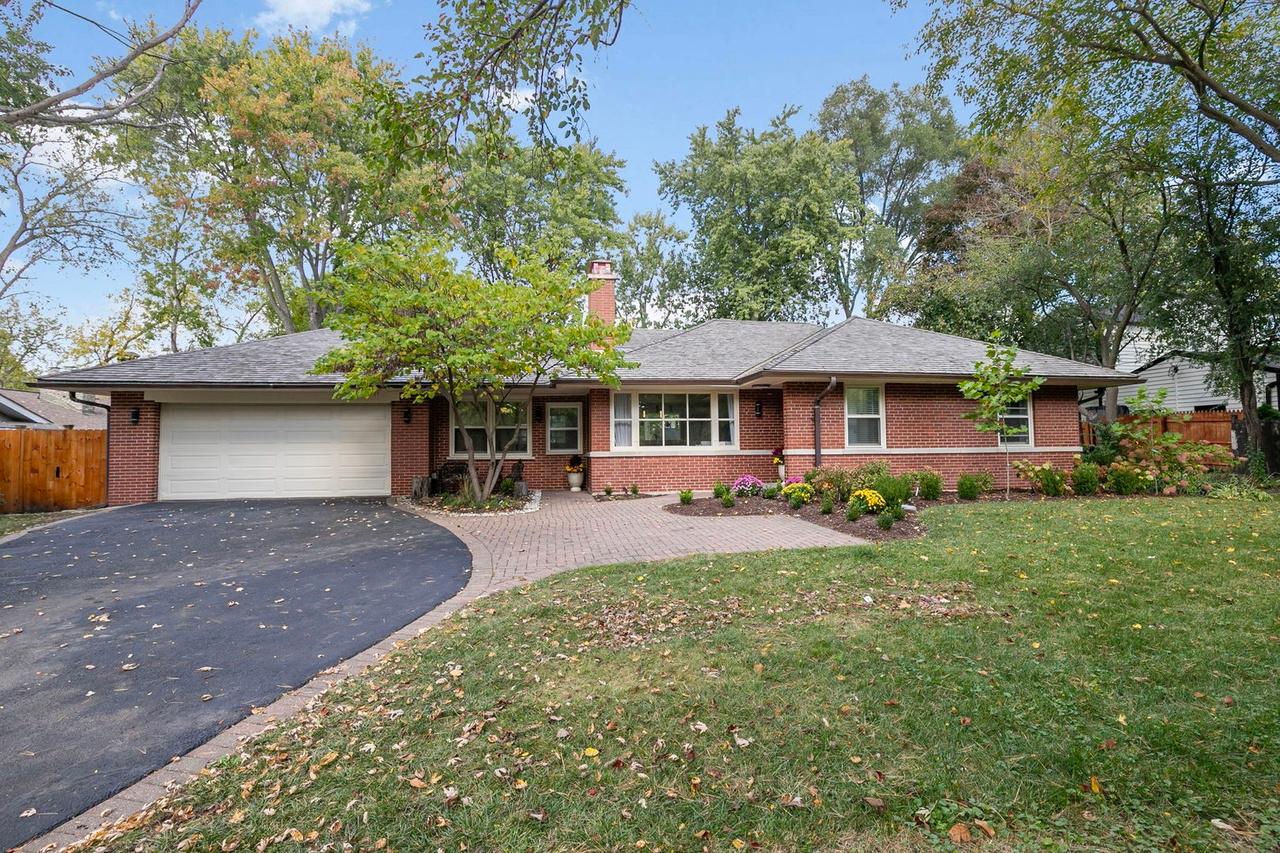
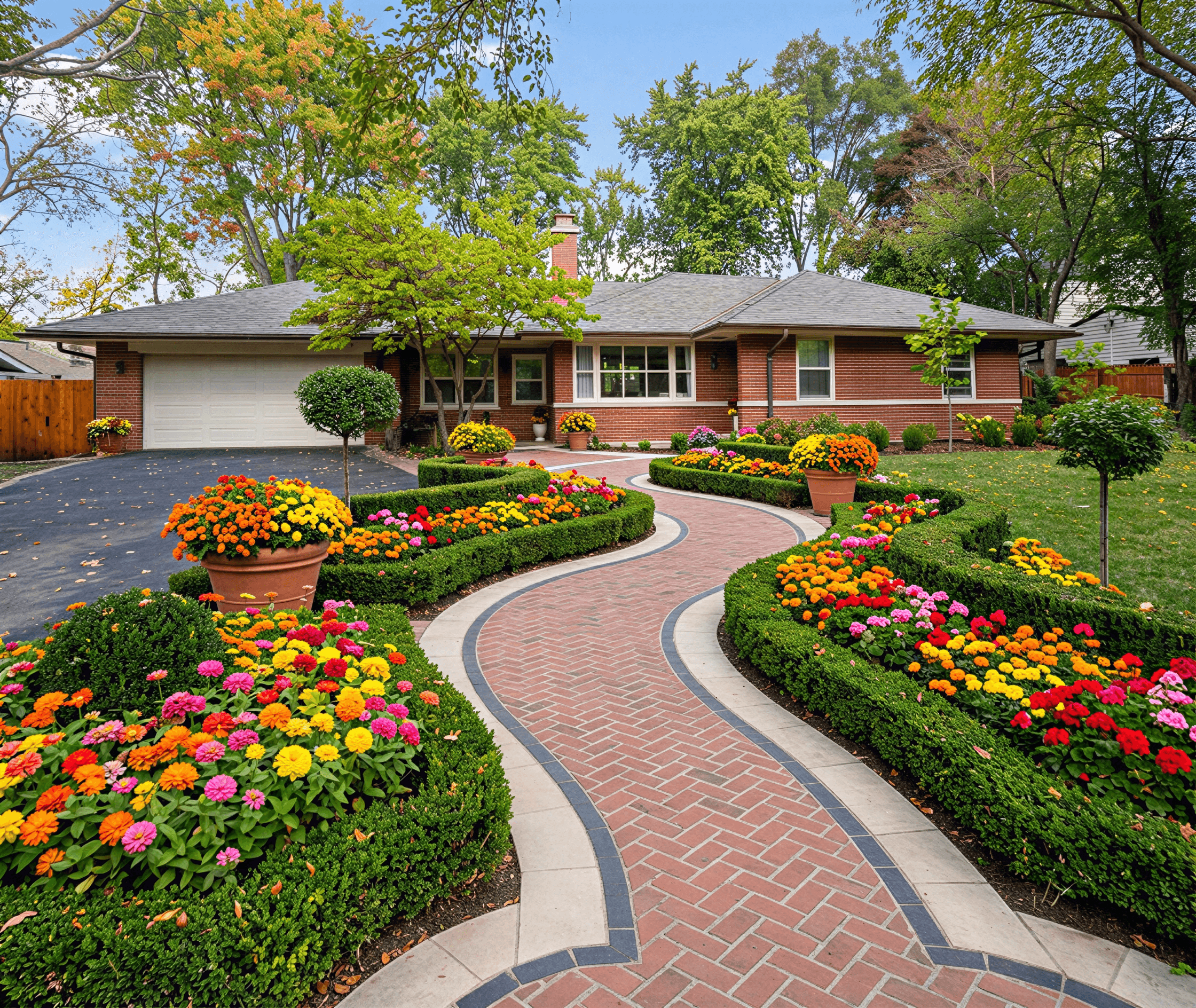
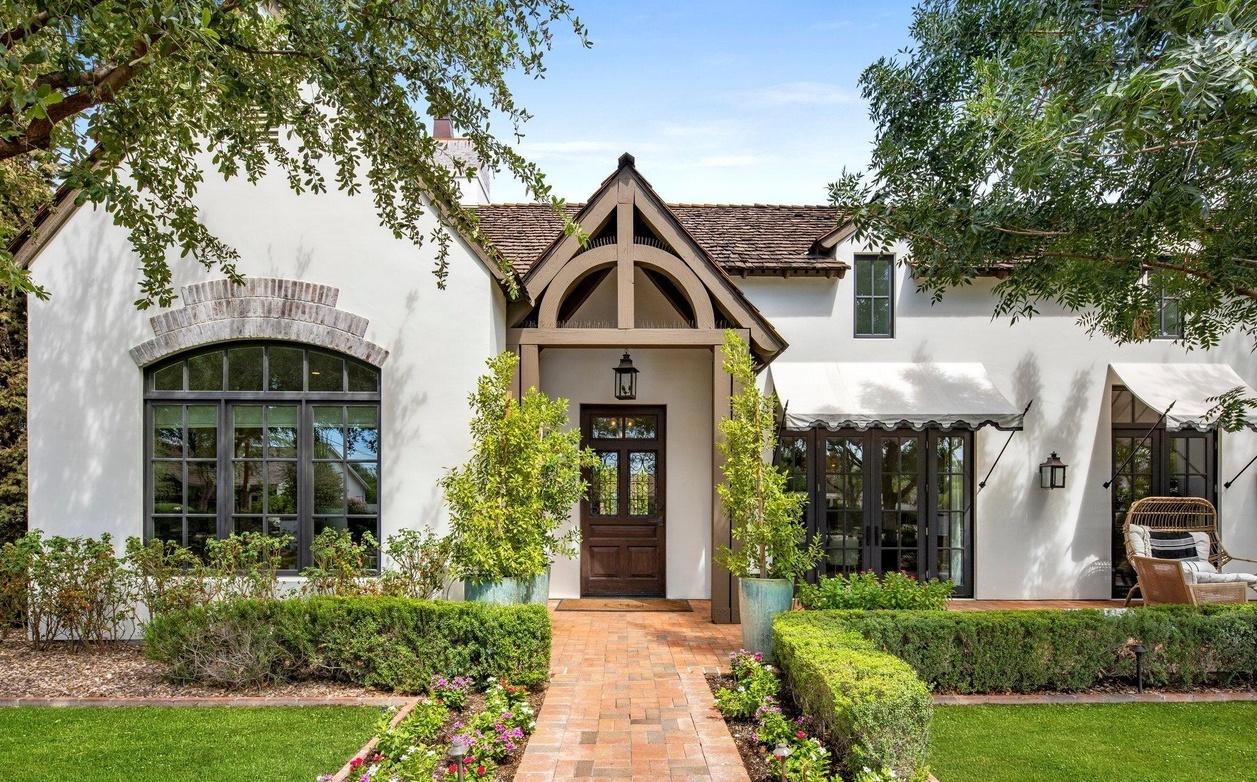
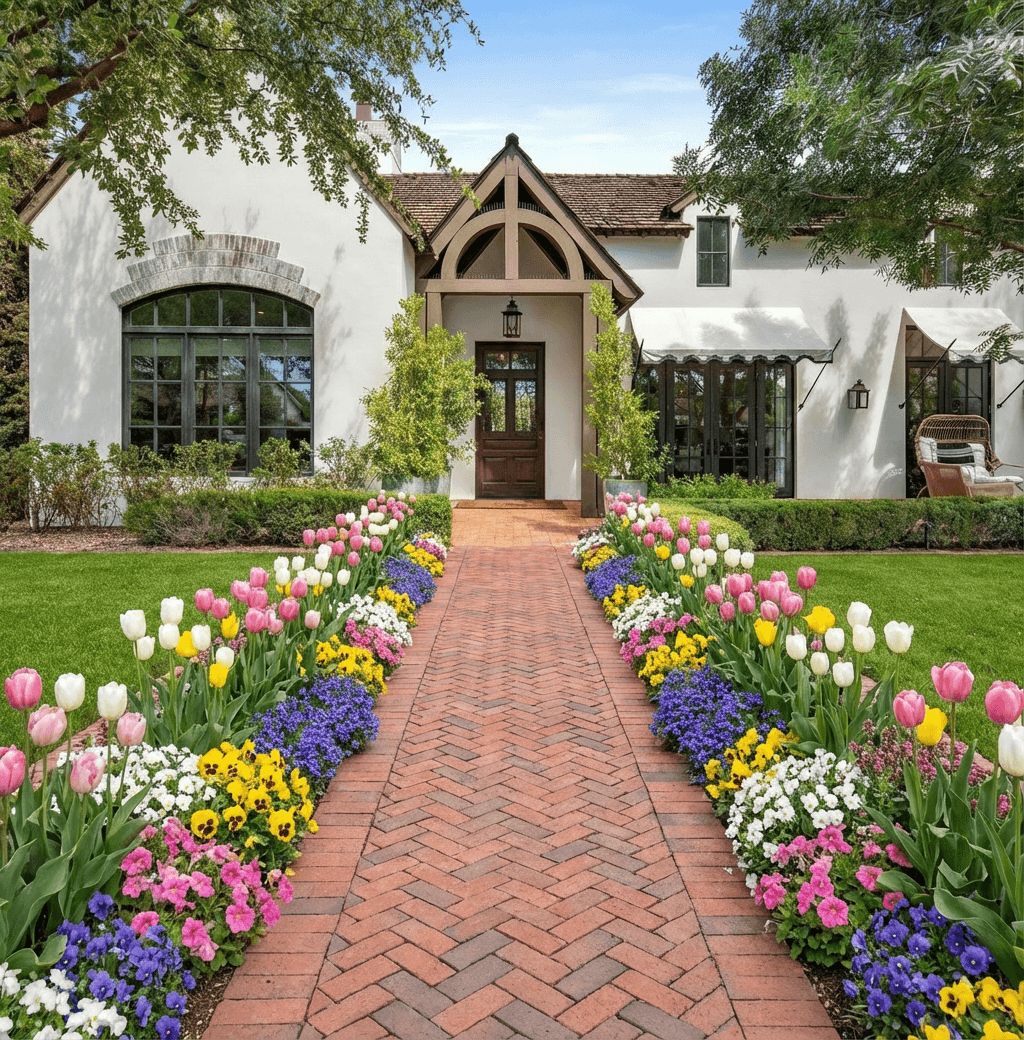
Ready to stop guessing and start visualizing? Take a photo of your shady yard and see these ideas come to life on your own property instantly. With Curb Appeal AI, you can experiment with different designs, get tailored plant lists for your zone, and create a photorealistic plan to execute with confidence. Try Curb Appeal AI today and transform your landscape inspiration into a stunning reality.