Water wicking plants: Self-Watering Tips for a Healthier Garden
Ever wonder how you can get your plants to water themselves? It’s not magic, but it’s close. When we talk about water wicking plants, we’re not describing a special botanical category. Instead, it’s a method—a way of setting up any plant to thrive by drawing water from a reservoir below the soil.

The Secret to a Low-Maintenance Garden
A wicking system takes all the guesswork out of watering. The science behind it is something you’ve seen a million times: capillary action. Think about a paper towel dipping into a puddle; the water climbs up the fibers, seemingly defying gravity.
In a wicking garden, the soil and roots act just like that paper towel. They continuously pull moisture up from a water source hidden at the bottom of the pot or garden bed. This flips the script on traditional watering. No more pouring water on top, which often leads to root rot, compacted soil, and tons of wasted water through evaporation.
How This System Transforms Your Garden
The results are more than just a little extra convenience. By giving plants constant access to moisture from below, you encourage them to grow deeper, stronger root systems. Tougher roots mean healthier, more resilient plants that can better withstand heat waves and other stressors. It’s the cornerstone of a genuinely low-maintenance garden, a topic we dive into deeper in our guide to low-maintenance garden plants.
Here are the biggest wins you'll see:
- Smarter Water Use: With no surface evaporation or runoff, almost every drop of water goes directly to your plants.
- Healthier Plants: A steady moisture supply avoids the stressful wet-dry cycle that plagues so many gardens, leading to stronger, more vibrant growth.
- Less Work for You: Forget daily watering. You’ll only need to top off the reservoir every week or two, depending on the setup.
- Fewer Weeds: The soil surface stays relatively dry, making it much harder for pesky weed seeds to sprout.
The following table breaks down the core advantages of adopting a water-wicking system for your landscape.
Key Benefits of Water Wicking Systems at a Glance
| Benefit | Impact | Statistic |
|---|---|---|
| Water Conservation | Minimizes waste from evaporation and runoff, directing water to roots. | Can cut water use by up to 70% compared to traditional pots. |
| Healthier Root Systems | Encourages deep root growth, leading to more resilient plants. | Consistent moisture avoids the stress of wet-dry cycles. |
| Reduced Labor | Dramatically cuts down on time spent watering. | Reservoirs only require occasional refilling. |
| Weed Suppression | A dry soil surface creates an inhospitable environment for weeds. | Fewer weeds mean less time spent pulling them and less competition for nutrients. |
It's clear why this approach is catching on. The market for self-watering pots, which are built on this wicking technology, is expected to balloon from $509.9 million to $1,567.5 million by 2033.
Simply put, a wicking garden lets plants regulate their own water intake. They take exactly what they need, when they need it, which boosts their health and cuts the risk of disease from over or under-watering.
To get the most out of your setup, you can pair it with other smart gardening habits. For example, learning how to properly mulch your trees and garden beds is a fantastic way to further reduce evaporation and keep your soil healthy. When you combine these strategies, you’re not just saving time—you’re creating a more sustainable, resilient, and beautiful landscape.
How Wicking Flips Traditional Watering on Its Head
Ever wonder how plants in wetlands or along riverbanks always seem so lush? They have a secret: a constant source of water from below. A wicking system brings that same clever principle to your garden, creating a self-regulating reservoir that lets plants drink exactly when they're thirsty.
Think of it as creating an artificial water table just for your plants. Instead of you deciding when and how much to water, the plant's roots do the work, drawing moisture upward as needed. It's a "bottom-up" approach that solves a lot of the problems that come with traditional watering.

When you water from the top, you’re fighting a losing battle against evaporation, especially on hot days. A good portion of that water never even reaches the root zone. You also risk washing away valuable nutrients from the soil.
Even worse, wet leaves and perpetually damp topsoil are an open invitation for fungal diseases. Water wicking plants neatly sidestep these issues by delivering water directly to the roots, keeping the surface drier. This simple switch can cut water use by up to 50% in a typical garden bed.
The Anatomy of a Wicking System
To really get how this works, you just need to know the four main parts. Whether you're using a small self-watering pot or building a large raised bed, the core components are always the same.
Here's the breakdown of what makes a wicking system tick:
- The Water Reservoir: This is your system’s underground lake. It’s simply a waterproof basin at the bottom—often made with a pond liner or a solid-bottom container—that holds the water supply.
- The Wicking Medium: This is the bridge that moves water from the reservoir up into the soil. It could be a special fabric (a capillary mat) or a porous material like sand or gravel that uses capillary action to pull water upward.
- The Soil Layers: This is your growing medium. You want a well-draining soil mix that allows roots to breathe but can also effectively draw moisture from the wicking medium below. A layer of permeable fabric is usually placed between the soil and the wicking medium to keep them from mixing.
- The Overflow Drain: This is your fail-safe. It's a small pipe or hole installed just below the soil level, allowing excess water to escape if the reservoir is overfilled from a heavy rain. It's the system's guarantee against drowning your plants.
By providing a constant source of moisture from below, wicking beds eliminate the stressful wet-dry cycle that plants often endure. This consistent hydration frees them up to focus on what they do best: growing strong and healthy.
Why Bottom-Up Watering Just Works Better
Watering from the top is a constant guessing game. Give too little, and you stress the plant, stunting its growth. Give too much, and you risk root rot and fungal diseases—a death sentence for many plants, especially young seedlings.
A wicking system takes the guesswork out of the equation. It empowers the plant to be its own water manager, pulling up moisture exactly when it's needed. This has some fantastic side effects. For one, you’re not compacting the soil by constantly pouring water onto the surface.
You're also keeping the foliage dry, which dramatically cuts down the risk of powdery mildew and other common garden ailments. Once you understand these simple mechanics—the reservoir, the wick, the soil, and the drain—it’s easy to see why water wicking plants aren't just a convenience. They represent a smarter, more efficient way to grow.
Choosing the Best Water Wicking Plants for Your Climate
While you can technically grow almost any plant in a wicking system, some are born for it. The best water wicking plants are the ones that crave consistent moisture and have root systems that are eager to go find it. Picking the right species for your climate isn't just a friendly suggestion—it’s the secret to a gorgeous, low-maintenance garden that looks fantastic all year.
Your starting point is always your USDA Hardiness Zone. This number tells you the average lowest winter temperature for your neck of the woods, acting as a guide for which plants will actually survive there. A wicking system is brilliant, but it can’t make a tropical plant survive a Michigan winter, so starting with zone-appropriate plants is absolutely non-negotiable.
Temperate Climate Champions (Zones 4-8)
If your garden sees all four seasons, you need plants that can roll with the punches. In these temperate zones, plants have to handle the heat of summer just as well as the chill of winter. Luckily, a lot of classic garden favorites are perfect for wicking beds.
These plants absolutely shine with the steady moisture a wicking system provides, which keeps them looking lush and full even when a summer heatwave hits.
- Hostas: Famous for their stunning foliage, hostas are notorious for getting sad and droopy without enough water. Wicking keeps their soil consistently moist, preventing those brown, crispy edges on their big, beautiful leaves.
- Ferns: Think about where ferns grow naturally: damp, shady forest floors. A wicking system mimics this environment perfectly for varieties like the Ostrich Fern or Lady Fern.
- Astilbe: With those feathery, vibrant plumes, Astilbes are another perennial that hates drying out. They put on their best show when their roots have a constant source of water, making them an ideal wicking candidate.
A wicking system’s constant hydration helps plants in these zones build deep, strong root systems before winter sets in. This gives them a serious advantage for explosive growth when spring rolls around.
Arid and Desert Standouts (Zones 8-11)
I know it sounds a little backward, but wicking systems are an absolute game-changer in hot, dry climates. Why? Because they deliver water deep into the soil, right where the roots are. This drastically cuts down on evaporation and encourages roots to grow downward, away from the punishing surface heat.
The trick here is to choose drought-tolerant plants that are used to deep but infrequent waterings. You can even let the reservoir dry out completely between fillings to better mimic the natural rain cycles they’re adapted to.
- Agave: These sculptural showstoppers have massive root systems designed to hunt for water. They do incredibly well in wicking beds, which give them the deep water source they’re looking for.
- Succulents (like Echeveria and Sedum): While succulents famously hate having "wet feet," the bottom-up moisture from wicking is a perfect match. The topsoil stays dry, preventing crown rot, while the roots can sip just enough water to stay plump and happy.
- Herbs like Rosemary and Thyme: Many herbs from the Mediterranean are right at home in a wicking system. They’re built for dry climates and love having a deep water source they can tap into as needed, without ever feeling waterlogged.
In a dry climate, a wicking system can cut your garden's water use by up to 50% compared to spraying everything from the top, where most of that water is lost to the air before it even gets to the roots.
Tropical and Humid Zone Favorites (Zones 9-12)
In the tropics and subtropics, the name of the game is consistent moisture for lush, fast-growing plants. These species are often from places with tons of rain and humidity, so a wicking bed's constant supply feels just like home.
Your main focus here will be on making sure your soil mix has excellent drainage and aeration. This is key to preventing root rot when the environment is always damp.
- Canna Lilies: With their giant leaves and electric flowers, Cannas are thirsty plants. A wicking bed gives them the steady hydration they need to support their incredible growth spurts and nonstop blooms.
- Elephant Ears (Colocasia and Alocasia): These dramatic foliage plants are known for their huge leaves and their love of water. They are practically designed for wicking systems, which can finally keep up with their intense water demands during the growing season.
- Tomatoes and Zucchini: If you’re growing vegetables, wicking beds are a revelation. They provide the consistent moisture that prevents problems like blossom-end rot in tomatoes and guarantees a massive harvest from thirsty crops like zucchini. One gardener even reported harvesting over 100kg of produce in just 50 days from their wicking setup.
Choosing the right plants is the foundation of a successful wicking garden. To make it even easier, here is a quick-reference guide to some of the best performers.
Recommended Water Wicking Plants by USDA Hardiness Zone
This comparative guide will help you choose the right plants that thrive in wicking systems based on your local climate.
| Plant Name | Best USDA Zones | Light Needs | Notes for Wicking Systems |
|---|---|---|---|
| Hostas | 3-9 | Partial Shade to Full Shade | Perfect for preventing droopy, crispy leaves. Loves consistent moisture. |
| Astilbe | 4-8 | Partial Shade | Thrives with constant water to support its feathery plumes. Will not tolerate dry soil. |
| Lady Fern | 4-8 | Full to Partial Shade | Mimics its natural damp, woodland habitat. Great for shady, moist corners. |
| Agave | 8-11 | Full Sun | Extensive roots seek deep water, making it a great match. Let reservoir dry between fills. |
| Sedum 'Autumn Joy' | 3-9 | Full Sun | Succulent that loves the bottom-up moisture without getting "wet feet." Very low-maintenance. |
| Rosemary | 7-10 | Full Sun | Mediterranean herb that appreciates a deep water source it can tap into as needed. |
| Canna Lily | 7-11 | Full Sun | A very thirsty plant that will flourish with the high, consistent water supply. |
| Elephant Ear | 8-11 | Partial Shade to Full Sun | Dramatic and water-loving. A wicking bed can keep up with its high demands. |
| Tomatoes | 3-11 (as annual) | Full Sun | Consistent moisture prevents blossom-end rot and splitting for a better harvest. |
| Zucchini | 3-11 (as annual) | Full Sun | A famously thirsty vegetable that produces heavily with a steady water supply. |
Remember, this is just a starting point. The real fun begins when you start experimenting with your own garden favorites and see how well they adapt to this efficient and water-wise growing method. The key is to match the plant's natural preferences with the unique benefits a wicking system offers.
Integrating Wicking Systems into Your Landscape Design
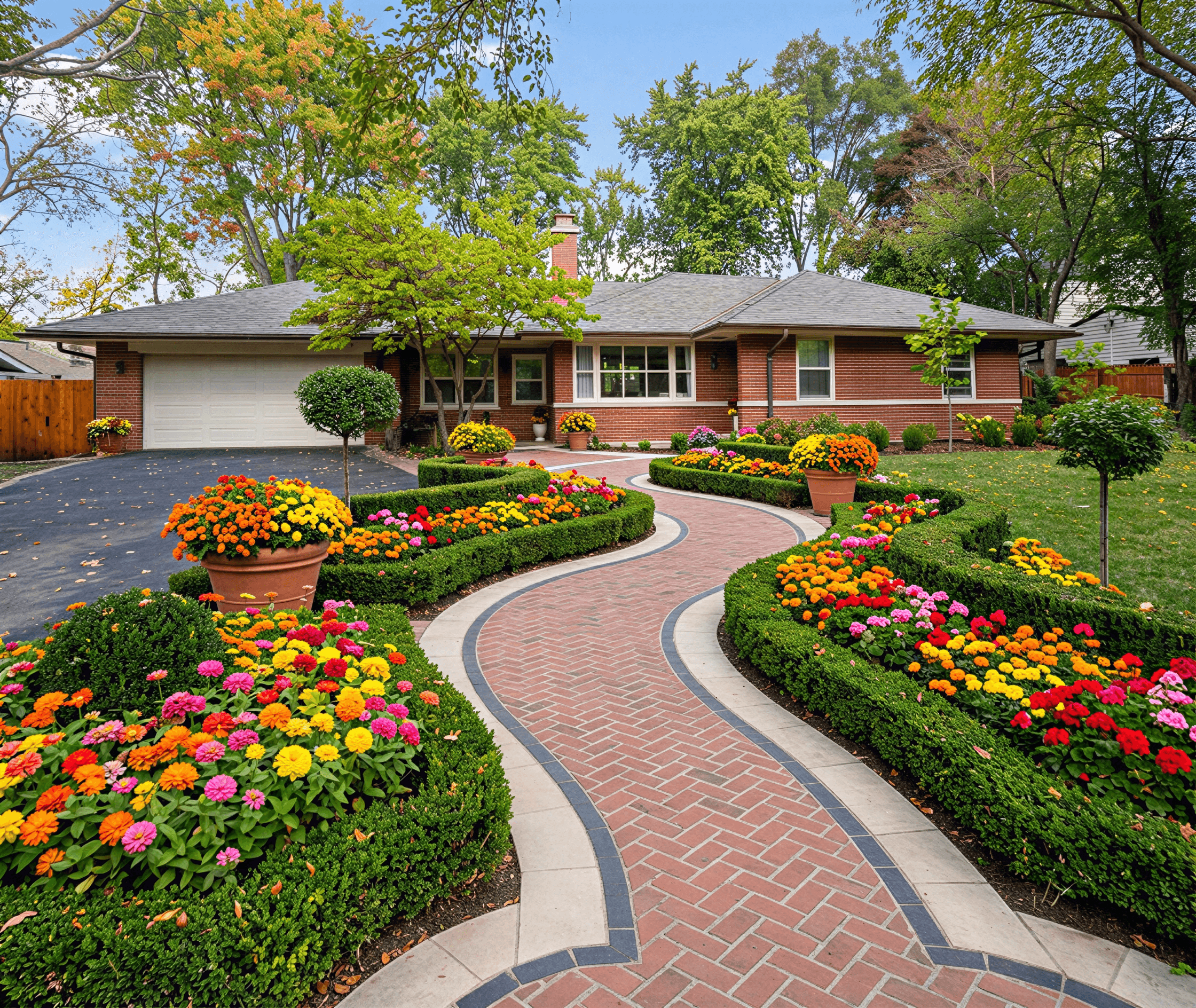
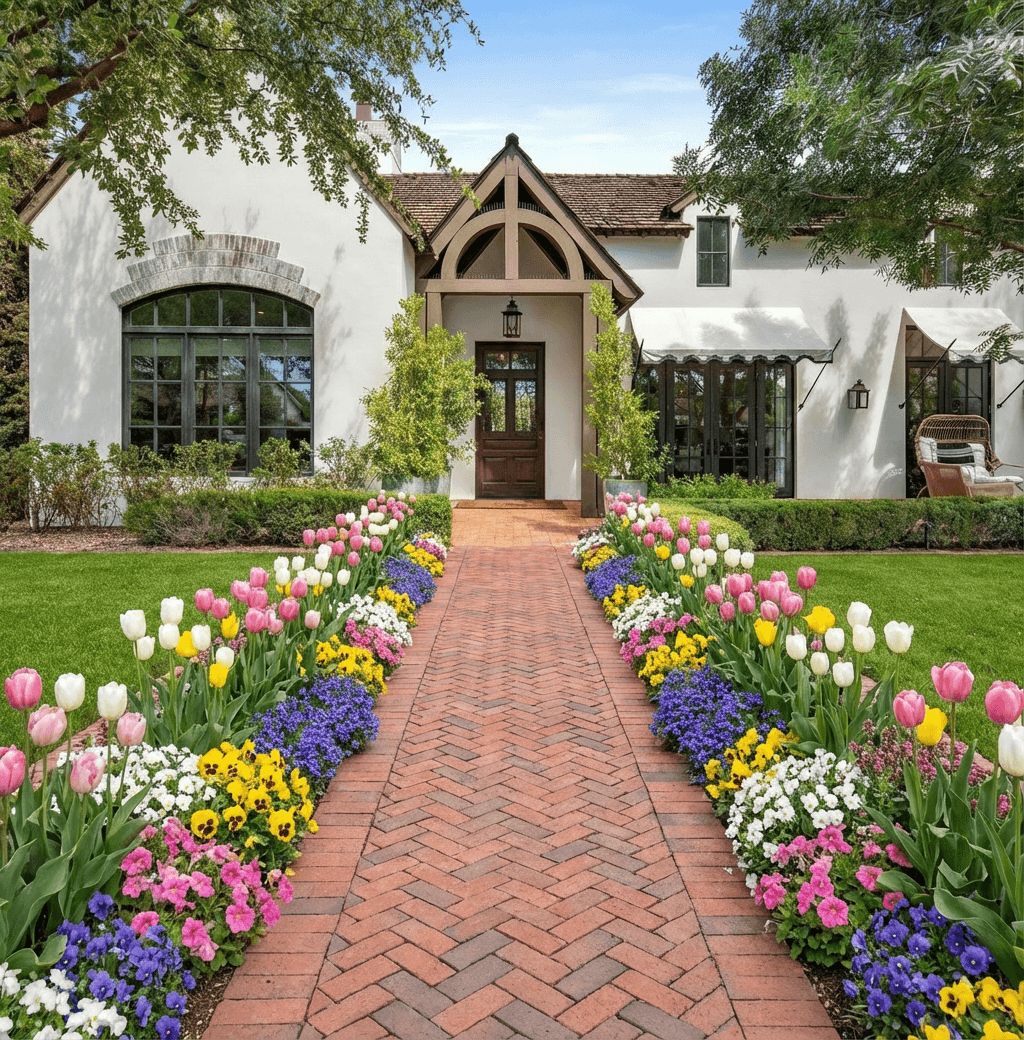
A garden that’s smart about water doesn't have to look sparse or utilitarian. Quite the opposite, actually. The secret is weaving clever wicking technology into a beautiful landscape design, creating a yard that’s as functional as it is stunning. We can finally put the old idea of choosing between sustainability and curb appeal to rest.
This is all about making the practical beautiful. It’s time to move beyond basic setups and start seeing wicking systems as foundational design elements. The goal is to select or build systems that echo your home’s architecture and your own personal taste, turning a simple watering solution into a true landscape feature.
From Planters to Centerpieces
Wicking systems are incredibly flexible, which is great news for any homeowner. You can start small with a few elegant, self-watering planters or think bigger with custom-built wicking beds that become the focal point of your entire garden. Each path offers a unique aesthetic.
- Modern Entryways: Imagine sleek, minimalist self-watering planters framing the entrance to a modern home. Made from materials like powder-coated steel or concrete, they provide a sharp, clean look. The constant hydration ensures architectural grasses or vibrant foliage plants inside always look their absolute best with zero daily effort.
- Cottage Gardens: For a more rustic vibe, custom-built raised wicking beds framed with reclaimed timber or natural stone can become the lush, overflowing heart of a cottage garden. Picture them brimming with a mix of perennial flowers and herbs, always healthy and full of life.
- Patios and Balconies: Even tiny spaces can become a green retreat. A series of stylish wicking pots can transform a balcony or patio, offering a steady supply of fresh herbs or colorful annuals without the daily watering hassle.
The convenience of these systems is catching on fast. The indoor plants market, often driven by the popularity of easy-care wicking pots, was valued at $20.68 billion in 2024 and is projected to hit $30.25 billion by 2032. A big reason for this is that some wicking pots can go up to three weeks between waterings—a game-changer for busy people. You can find more on this trend in recent market research on the growth of indoor plant gardening.
Matching Your System to Your Style
Choosing the right wicking system is a key design decision. The materials, shape, and scale should feel deliberate and cohesive with your home's exterior. A well-chosen system does more than just water your plants; it elevates your curb appeal by ensuring your water wicking plants are always vibrant and healthy.
For a perfect marriage of function and form, consider working with professional landscaping services. They can help design and build custom solutions that feel like a natural extension of your home's character.
When you thoughtfully incorporate wicking technology, you're building a landscape that is not only self-sufficient and water-wise but also consistently beautiful. It ensures your plants are the stars of the show, not the chore of watering them.
This mindset transforms a practical need into a powerful design tool. By planning how these systems will look and function from the very beginning, you ensure your garden becomes a low-maintenance paradise that adds tangible value and beauty to your home.
How to Build and Maintain Your Wicking Garden
Putting together a wicking garden is surprisingly straightforward, and once it's built, the upkeep is even easier. This is where we move from theory to a practical, thriving garden that keeps your plants perfectly hydrated with minimal effort.
At its heart, every wicking system—whether it’s a raised bed or a simple pot—has the same core parts. You’ll need a waterproof basin to act as the water reservoir, a fill pipe for adding water, an overflow drain to prevent drowning your plants, and a wicking medium to draw that moisture up into the soil.
Once it's all assembled, there's one critical step to kick things off: give the entire bed a thorough watering from the top. This initial soak is what connects the soil to the wicking material below, starting the capillary action that makes the whole system work.
Setting Up for Long-Term Success
With that initial watering done, your focus can shift to long-term care, which is mostly about getting the soil right. The best foundation for a healthy wicking garden is a mix of high-quality potting soil, compost, and a good measure of perlite or vermiculite. This blend strikes the perfect balance, holding moisture without ever becoming a compacted, waterlogged mess.
So, how often do you need to top up the reservoir? It really depends on your climate, the size of the bed, and how thirsty your plants are. For most people, you'll only need to fill it up every 1-2 weeks—a huge departure from the daily watering many gardens demand.
A wicking garden is low-maintenance, but it's never "no-maintenance." Think of it as a partnership. Regular check-ins on water levels and plant health are the secret to a garden that thrives for years.
You'll quickly get a feel for your garden's rhythm. A quick peek down the fill pipe tells you everything you need to know about the water level, making it simple to create a predictable routine. If you want a deeper dive, our guide on developing watering schedules for plants has plenty of pro tips.
The infographic below illustrates how you can weave these smart systems into your landscape design. It’s a simple progression from elegant planters to larger wicking beds, all working to make your home’s exterior more beautiful and self-sufficient.

This shows that starting small with a single planter can easily scale up to a full wicking bed, both adding to a stunning curb appeal that’s also incredibly practical.
Troubleshooting Common Issues
Even with a great setup, you might run into a snag or two. Don't worry—most issues have simple fixes.
- Algae in the Reservoir: If you use a clear fill pipe, you might spot some green stuff growing inside. It's usually harmless, but you can stop it by using an opaque pipe with a cap to block out the sunlight.
- Clogged Wicks or Pipes: Over time, tiny soil particles can work their way down and slow the wicking action. The best way to prevent this is to lay a sheet of permeable landscape fabric between your soil and the wicking medium from the start.
- Replenishing Nutrients: A wicking bed is a closed loop, which means plants will eventually use up all the nutrients in the soil. To keep them happy and well-fed, just be sure to amend the soil each year with fresh compost or a good slow-release fertilizer.
Frequently Asked Questions About Water Wicking
When you're exploring a new gardening method like wicking, it’s only natural to have a few questions. Let's tackle some of the most common ones that come up so you can get started with confidence.
Can I Convert My Existing Planters to a Wicking System?
Yes, absolutely. This is one of the best parts about wicking—you can often retrofit your favorite planters, pots, or even large raised beds without starting from scratch. It's usually much simpler than people imagine.
The whole game is about creating a water reservoir at the bottom that your soil can drink from. To do this, you’ll typically add a waterproof liner to seal the container, then put in a false bottom or some perforated pipes to create that water-holding chamber. A simple fill pipe and an overflow drain complete the setup. You can even find DIY kits online that bundle all the parts you need for standard pots, making the conversion a weekend project.
Do Water Wicking Plants Need Fertilizer?
They sure do. Think of a wicking garden as a self-contained ecosystem. Unlike a garden bed in the ground where nature replenishes nutrients, a wicking system is closed. Your plants will eventually eat all the food in the potting mix.
To keep them healthy and productive, you have two great options. You can either mix a balanced, slow-release granular fertilizer into the soil when you first plant, or you can add a water-soluble liquid fertilizer directly to the reservoir every few weeks. Just be sure to follow the instructions on the package—overdoing it can burn the roots and do more harm than good.
Worried about mosquitoes? Don't be. A well-built wicking system has a sealed reservoir, which means there's no standing water exposed for them to breed in. A cap on your fill pipe and a working overflow drain are all it takes to make it a pest-free design.
Are Wicking Beds a Good Idea for Growing Vegetables?
They aren't just a good idea; they're a game-changer, especially for vegetables. The steady, consistent moisture wicking provides is the perfect antidote to so many common gardening headaches. It helps prevent blossom-end rot in tomatoes and keeps leafy greens from bolting (flowering too early) when a heatwave hits.
This constant access to water allows plants to grow without stress, leading to incredibly vigorous growth and much bigger harvests than you'd see in a garden that's constantly cycling between wet and dry. Thirsty crops like tomatoes, cucumbers, and zucchini absolutely thrive, with some gardeners reporting yields of over 100kg from a single bed in one season.
Ready to see how climate-appropriate water wicking plants could look in your own yard? Let Curb Appeal AI do the work. Upload a photo of your property and get stunning, photorealistic design renders in seconds, complete with plant and material suggestions that are perfect for your location. Try it now at https://www.curbappealai.co.