Top Plants That Need Very Little Water for 2026

A lot of homeowners hit the same point at once. The lawn is patchy, the water bill keeps climbing, and the plants that looked great in spring start sulking by midsummer. You still want the front yard to look intentional, but you don't want a garden that depends on constant irrigation just to stay alive.
That’s where plants that need very little water earn their keep. The mistake I see most often isn’t choosing the wrong “drought-tolerant” plant. It’s using the right plant in the wrong design role. A strong low-water garden design needs structure first, then filler, then ground-level knitters that make the whole yard feel finished.
If you approach the planting plan that way, the choices get easier. Agave can anchor a bed. Lavender can repeat rhythm along a walk. Catmint, salvias, and blanket flower can soften edges and carry color. Grasses can connect everything so the planting doesn’t look like a collection of isolated specimens.
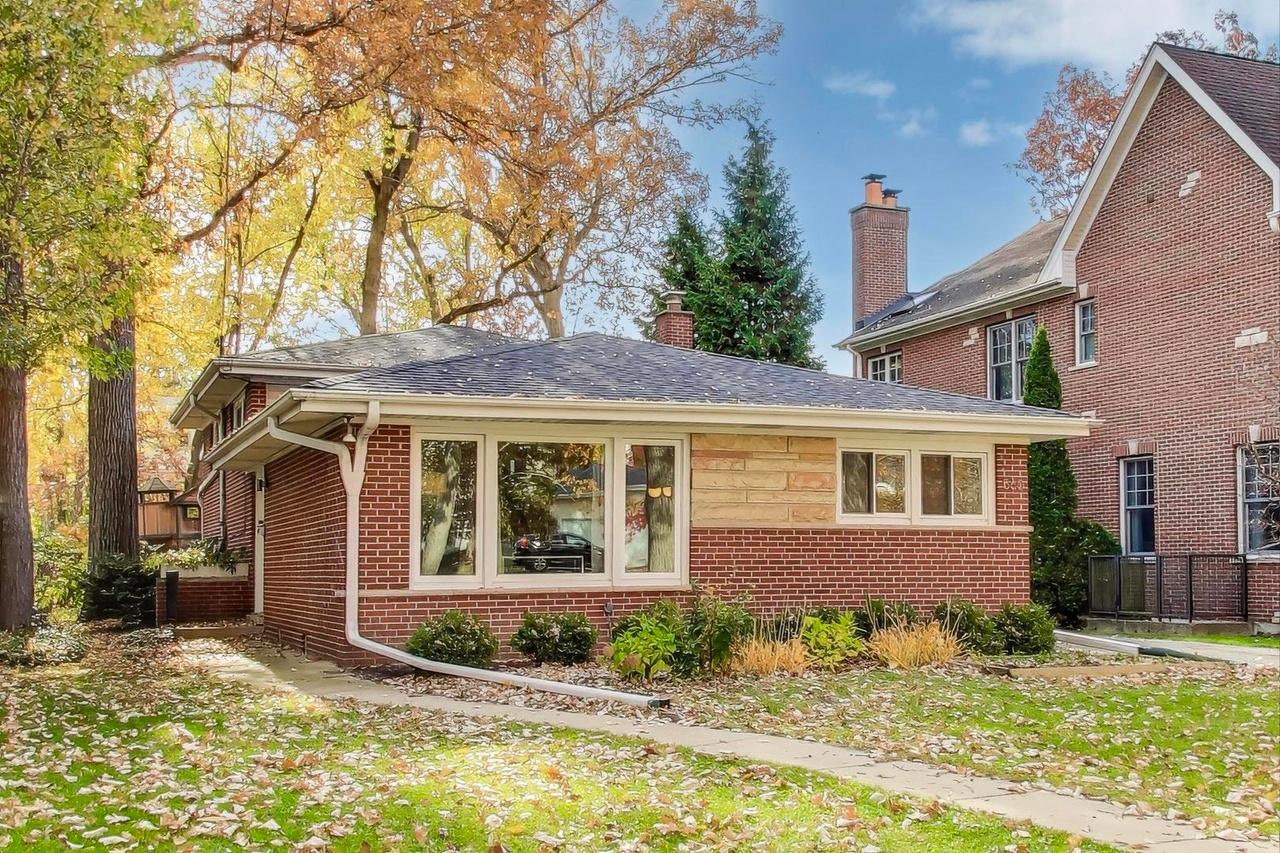
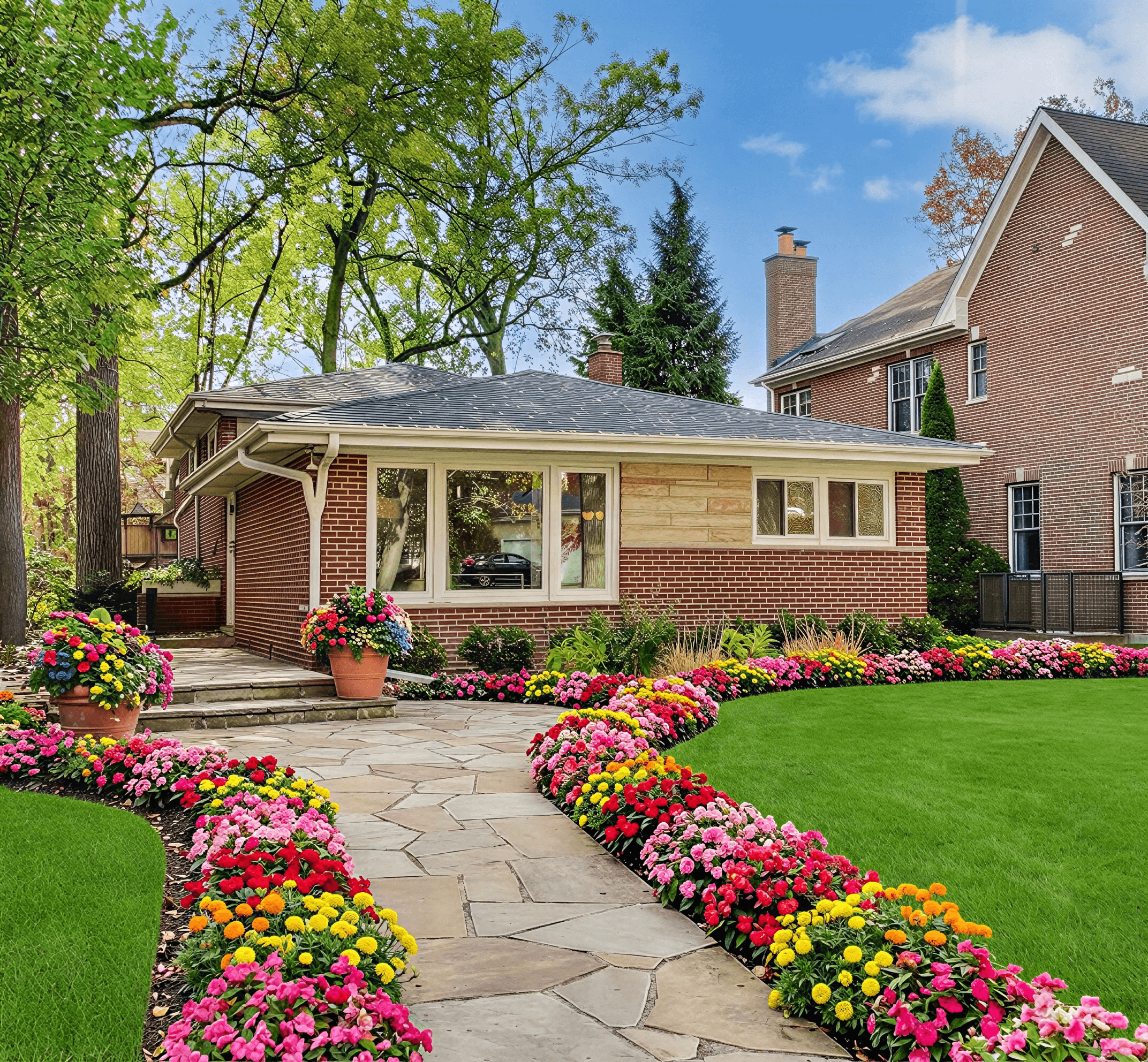
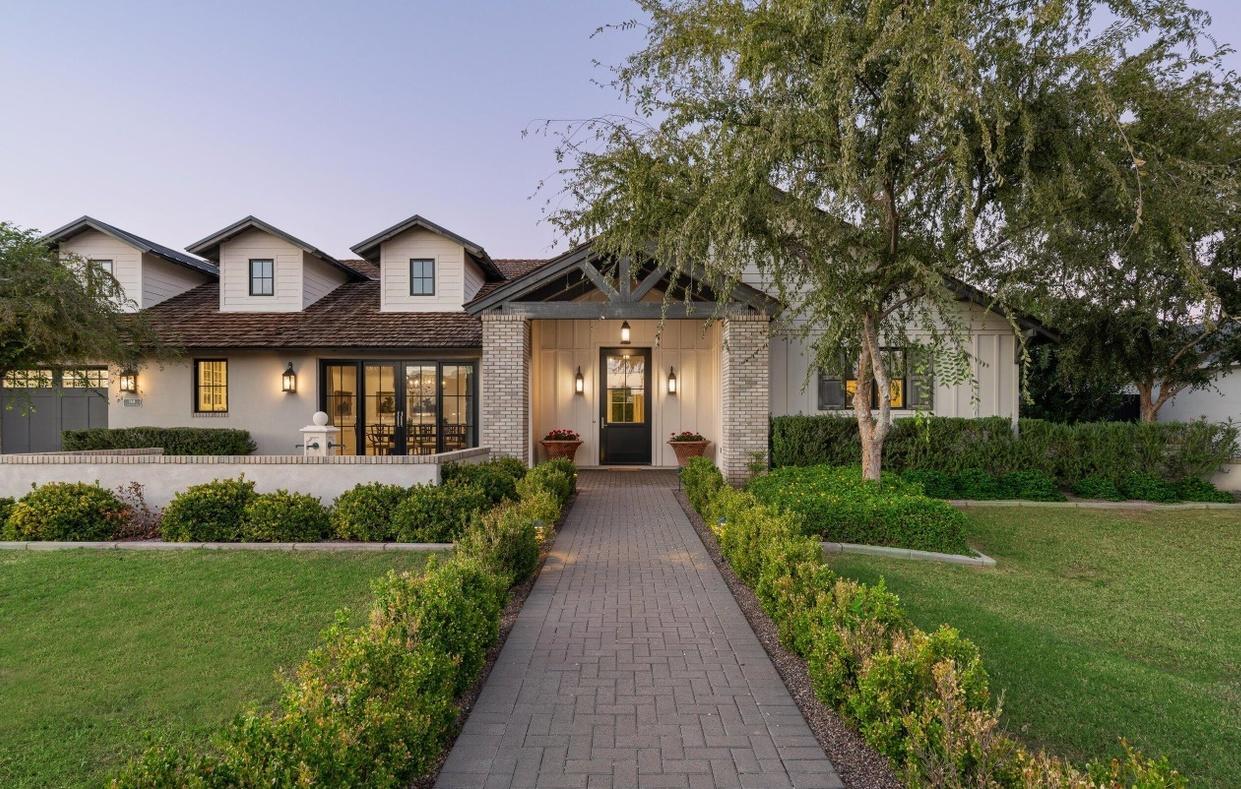
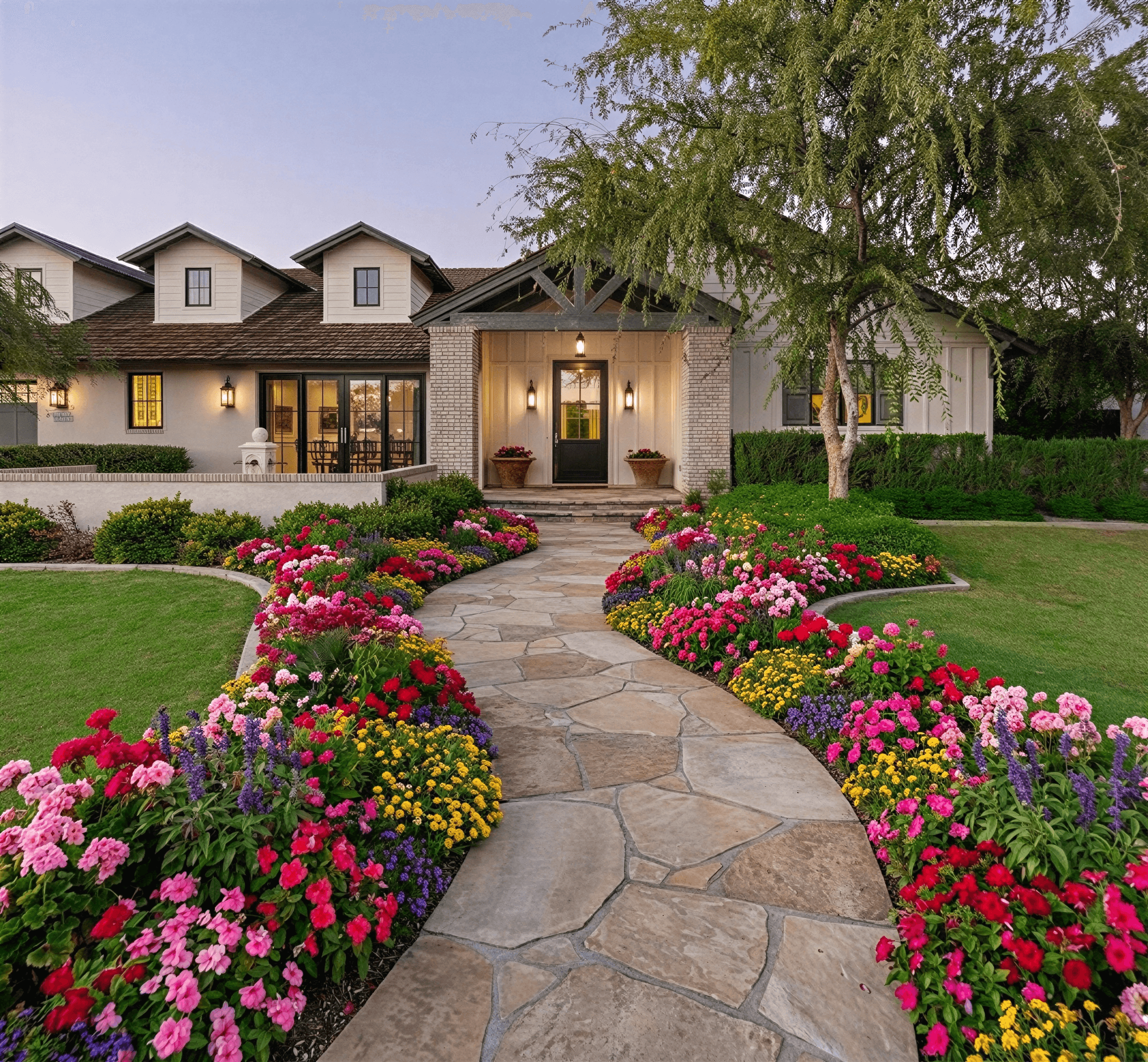
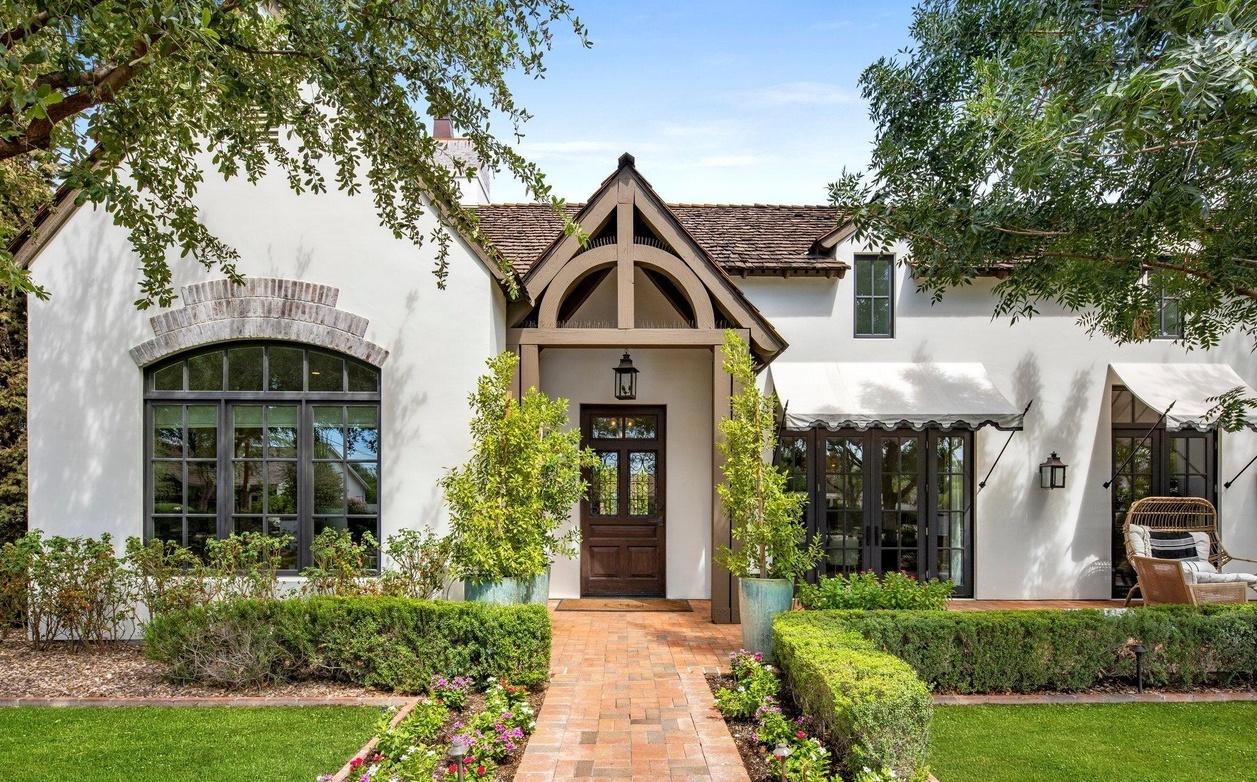
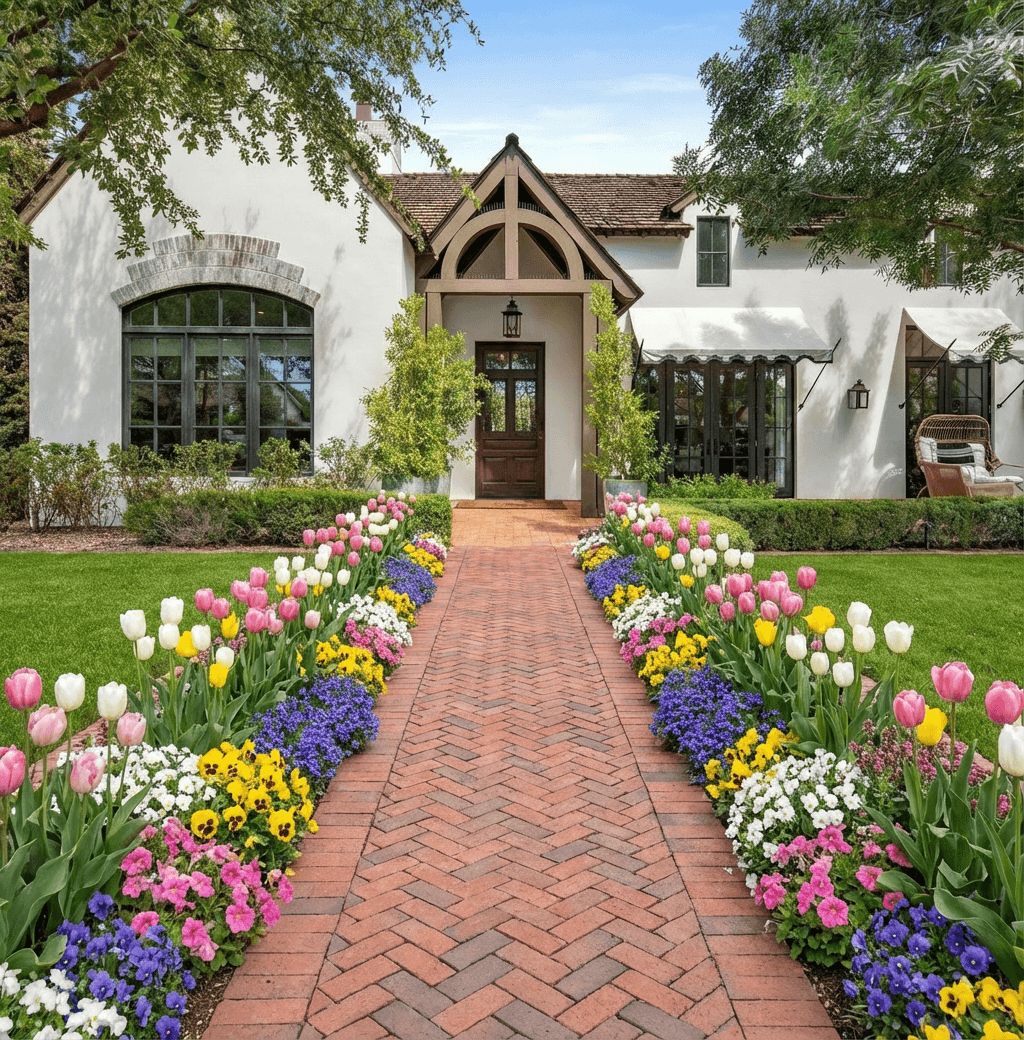
There’s also a practical design step that saves time and regret. Before you plant, it helps to visualize how these forms and textures will sit against your house, driveway, and entry path. A tool like Curb Appeal AI can help you test drought-tolerant layouts on a real photo of your property, which is often more useful than staring at nursery tags and trying to imagine the mature result.
1. Agave (Agave americana & species)
Agave is a focal-point plant. Use it when a bed needs structure, not when you’re trying to “fill space.” One good agave can do more for a front yard than a dozen forgettable shrubs, especially in Southwestern, modern, and Mediterranean-style plantings.

Agave belongs in full sun and sharply drained soil. If the site stays wet, the plant usually tells you fast. Soft growth, rot at the crown, and a collapsed center are common signs that the soil is holding too much moisture.
Where agave works best
In arid regions, succulents such as agave and sedum are among the most water-efficient choices once rooted. They require 80 to 90 percent less water than conventional garden plants and can thrive on as little as 5 to 8 inches of annual rainfall, according to Simply Scapes on low-maintenance water-wise plants.
That’s why you see agave used so well in Phoenix entry beds, Las Vegas front yards, and California projects where stone, gravel mulch, and clean geometry are part of the design language. It reads as intentional, not sparse.
Practical rule: Keep agave away from walkways, play areas, and tight parking edges. The sharp tips are a design feature until someone brushes past them.
A few placement notes matter:
- Use gravel, not bark: Coarse gravel keeps the crown drier and visually suits the plant better than shredded mulch.
- Plant high in heavy soil: Set the root ball slightly proud if you’re working with slower-draining ground.
- Water deep, then back off: New plants need help establishing. Mature plants need restraint.
Field trials cited in that same source report that Agave americana showed a 95% survival rate under 1 inch of monthly watering, while mesic species were far less resilient. If you’re building a low-water bed, agave is the kind of plant that carries the whole composition. For more layout ideas, see these drought-tolerant landscaping ideas.
2. Russian Sage (Perovskia atriplicifolia)
Russian sage is what I use when a planting needs lightness. Agave gives you weight and form. Russian sage gives you movement, haze, and that soft silver-blue layer that keeps a xeric planting from feeling harsh.
It’s especially useful in broad borders, mailbox beds, and front-yard islands where you want a plant to blur the edges between shrubs, grasses, and flowering perennials. The color reads well from the street, and the silvery foliage holds up visually even when the flowers are between flushes.
Why it earns space
This plant does best in full sun and average to lean soil. Rich soil pushes floppy growth. Constant irrigation does the same thing. If Russian sage falls apart in midsummer, the site is often too fertile, too shaded, or too wet.
For design, think of it as a filler with reach. It spreads enough to connect neighboring plants, but it still stays airy. That makes it useful in contemporary cottage gardens in the Midwest, pollinator borders in Colorado, and coastal California plantings where the palette needs to stay dry-tolerant without looking rigid.
A few habits make it perform better:
- Cut back hard in early spring: A low spring cut encourages denser, stronger stems.
- Give it room: Tight spacing creates a tangled mass instead of a clean drift.
- Pair by contrast: It looks best against bold forms such as succulents or upright grasses.
Russian sage rarely looks right as a lone specimen. It looks right when it’s repeated.
If you’re using visual planning tools before planting, it helps to test Russian sage in drifts rather than singles. That’s usually where homeowners underplant. A good render can show whether the massing is strong enough around paths, porch foundations, and corners. For examples of climate-aware planning, this Austin landscape design page shows the kind of site-specific thinking that matters with dry-climate plantings.
3. Desert Marigold (Baileya multiradiata)
Desert marigold is one of the easiest ways to add bright color without turning the bed into a watering project. It doesn’t need rich soil, and it often performs better when you leave it alone.
That’s the appeal. In the right climate, it gives you a long season of cheerful yellow bloom from a plant that doesn’t ask for pampering. It suits Southwestern gardens, decomposed-granite beds, and rental properties where the maintenance routine needs to stay simple.
Best use in the layout
Think of desert marigold as a color filler. It isn’t the backbone of the design, and it isn’t the plant you use for winter structure. What it does well is soften gravel, brighten the spaces between shrubs and succulents, and keep a xeric planting from feeling too gray.
It’s also one of the better choices for difficult soil. If the site is sandy, rocky, or plain poor, that’s often a plus. Over-improved soil tends to push leafy growth instead of bloom, which defeats the purpose.
Use it in these situations:
- Loose drifts in desert beds: Small groups look more natural than rigid rows.
- Containers in hot exposures: It works well for temporary color in sunny pots.
- Edges of native-style plantings: It transitions well between formal and informal zones.
Deadheading can tidy the plant and encourage a neater form, but it isn’t mandatory. That’s useful if you’re planting for a low-touch front yard, a second home, or a project where no one wants a weekly maintenance list.
The trade-off is that desert marigold doesn’t give you strong evergreen structure. It’s a color worker, not an anchor. Pair it with stone, low shrubs, or sculptural succulents so the garden still reads well when bloom is lighter.
4. Lavender (Lavandula angustifolia & species)
Lavender is one of the most reliable plants that need very little water when the site is right. When the site is wrong, it declines slowly and disappoints people for reasons that are almost always preventable.

The plant evolved in the Mediterranean and is adapted to arid conditions with minimal water. Mature lavender plants use up to 70% less water than traditional lawn grasses and can maintain vigor with just 10 to 15 inches of annual precipitation, according to Spider Farmer’s summary of very low-water plants.
What works and what doesn't
Lavender needs full sun, air movement, and drainage. Those three factors matter more than fertilizer, feeding schedules, or fancy pruning. In heavy clay or low spots that stay damp, lavender often fails from the base outward.
In design terms, lavender is a dependable mid-height filler and edge plant. It’s excellent along walkways, in herb gardens, at the front of dry borders, and in repeated bands near entries where scent matters. For USDA zones 5 to 9, it also fits modern and Mediterranean compositions particularly well.
Here’s where I see it succeed most often:
- Gravel-mulched front beds: The soil stays drier around the crown.
- Raised or bermed planting areas: Better drainage usually means better longevity.
- Repeated rows instead of mixed singles: Lavender reads stronger in groups.
If lavender struggles, don't water more first. Check drainage first.
In the U.S., lavender use in xeriscape installations increased in California between 2015 and 2022, and those plantings were associated with meaningful household water savings, as noted in the same source. That popularity makes sense. Lavender gives you fragrance, structure, and a polished look without asking for turf-level irrigation.
The trade-off is simple. It hates being fussed over. Plant it in a sunny, lean, fast-draining spot, prune lightly and consistently, and let it stay on the dry side.
5. Desert Rose (Adenium obesum)
Desert rose works best as a specimen. It’s not a massing plant, and it’s not a background shrub. You use it where you want one object with strong form, a swollen trunk, and flowers that draw the eye up close.
That makes it especially good for entry courtyards, patio containers, and warm-climate gardens that lean tropical or desert-modern. In cooler regions, it’s usually more practical as a seasonal container plant that moves indoors when temperatures drop.
To get a feel for its shape and care rhythm, this walkthrough is useful:
The main trade-off
Desert rose loves heat, sun, and drainage. It hates cold, soggy soil, and oversized containers filled with moisture-retentive mix. If you treat it like a tropical shrub that wants regular watering, it usually declines fast.
That’s why potting mix matters so much here. A cactus-style mix with a high share of mineral material works better than standard container soil. During active growth, water sparingly and let the mix dry down. During winter dormancy, even less is better.
A few practical moves improve results:
- Use a tight container: Large pots stay wet too long.
- Pinch young growth: Early shaping creates a fuller, better-branched plant.
- Repot on schedule: Fresh, fast-draining soil keeps the root zone healthier.
Desert rose isn’t the plant for every front yard. It’s a specialist plant. But where it suits the climate and style, it gives an outdoor setting a collector-quality look that simpler dry-garden plants don’t provide. Think of it as a featured piece near a door, terrace, or seating area where someone will notice the caudex and flowers.
6. Desert-Adapted Shrubs (Coyote Willow, Texas Privet / Fragrant Sumac, Rhaphiolepis, Rhamnus)
Low-water plantings often fail because they have no backbone. Homeowners pick beautiful perennials and succulents, then realize they still need screening, privacy, and year-round mass. That’s the job of shrubs.
Desert-adapted shrubs handle that role better than people expect. They aren’t always flashy at the nursery, but in a real yard they provide the walls, layers, and visual weight that keep the whole design from looking temporary.
How to use shrubs functionally
This category works best when you match species to the exact role. Fragrant sumac or Rhamnus can build a looser, naturalistic border. Rhaphiolepis can feel more formal in Mediterranean climates. Coyote willow belongs where a site can support a more regionally appropriate, habitat-minded planting.
The key is to source locally grown material and plant for mature width, not pot size. Most shrub problems start with crowding. In new construction beds especially, people space for the photo on installation day and then spend the next few years pruning against the plant’s natural shape.
Use shrub layers like this:
- Tall layer: Privacy and wind buffering.
- Mid layer: Foundation mass and transition around entries.
- Front layer: Perennials, grasses, and flowering fillers that soften the base.
Shrubs make a drought-tolerant garden look permanent.
For warm climates, fall planting usually gives these shrubs the easiest start because roots can establish before the hardest heat. After the first season, many adapted shrubs need much less intervention than broadleaf evergreens selected mainly for appearance.
The trade-off is patience. A shrub border won’t give instant flower power the way annuals do. What it gives you instead is the long-term framework every successful low-water design needs.
7. Ornamental Grasses (Festuca, Bouteloua, Miscanthus species)
Ornamental grasses are the connectors. If focal plants are the punctuation and shrubs are the walls, grasses are what make the whole planting read as one composition instead of separate pieces.
They bring movement, winter texture, and a softer transition between hardscape and planting beds. In commercial work, municipal beds, and residential front yards, that matters more than people think. Dry gardens can feel stiff. Grasses prevent that.
Which role each type plays
Fine-textured grasses such as fescues work like ground-level fillers and edging material. Bouteloua species fit meadow-style and regional native-inspired layouts. Taller grasses such as miscanthus bring screening, rhythm, and vertical repetition.
Their water needs vary by species and climate, so placement still matters. But the design function is consistent. Use lower grasses at path edges and in repeating drifts. Use mid-sized grasses between shrubs and flowering perennials. Use larger forms where the bed needs height without a solid wall.
A few maintenance realities are worth knowing:
- Don't cut in fall: The dried blades and seedheads carry winter interest.
- Cut back in late winter or early spring: Fresh new growth emerges cleaner that way.
- Repeat varieties: One grass repeated well looks calmer than six different grasses used once.
Ornamental grasses are especially useful on slopes and in broad beds where flowering plants alone would look spotty. They also pair well with agave, lavender, and catmint because they offset those forms without competing for attention.
Their limitation is that some species can look tired if they stay too wet or too shaded. Read the site first. In full sun with leaner conditions, many grasses become some of the most valuable plants in the entire scheme.
8. Blanket Flower / Gaillardia (Gaillardia x grandiflora)
Blanket flower is one of the best low-water color plants for hot, bright sites where fussier perennials give up. The flowers are bold, warm, and visible from a distance, which makes the plant useful near streets, driveways, and larger front-yard beds.

It’s also a strong choice for gardeners who want a less gray, less gravel-dominant xeric look. Some drought-tolerant designs lean so hard into stone and silver foliage that they start to feel austere. Blanket flower brings heat and saturation back into the picture.
Best role in the planting
Use gaillardia as a flowering filler in drifts or repeated pockets. It doesn’t need center-stage treatment. It’s better as a repeating note that leads the eye through a bed.
Poor soil is usually fine. Too much fertilizer isn’t. Rich soil can shorten its useful lifespan and push growth that doesn’t stay as tidy. Deadheading helps keep flowers coming and improves appearance, especially in higher-visibility entry beds.
A few practical pairings work well:
- With grasses: The flowers punctuate all that fine texture.
- With lavender or catmint: Warm tones play well against silver and blue foliage.
- In meadow-style borders: It adds a longer-running burst of color.
This plant is ideal for prairie-style gardens, cut flower beds, and western dry borders where summer color matters. The trade-off is that gaillardia can look short-lived if it sits wet in winter or gets overfed. Treat it lean, give it sun, and use enough plants together that the color reads as a design decision, not a random accent.
9. Catmint (Nepeta x faassenii) & Salvias
A bed full of focal plants can still look unfinished. What usually fixes it is a dependable middle layer that softens edges, repeats color, and ties the taller forms to the ground. Catmint and salvias do that job better than most drought-tolerant perennials.
They earn their keep because they handle more than one design function. In a front yard, I use them as fillers between shrubs and structural plants, but they also spill into the groundcover role at path edges and low retaining walls. That matters in dry-climate planting, where every plant should do more than one thing.
Why they hold a design together
The broader category of low-water gardening has become much more common in water-scarce regions. Gardens built around drought-tolerant plants such as lavender, agave, yucca, and sedum can reduce outdoor water use substantially compared with traditional turf lawns, according to the EPA WaterSense overview of water-wise planting. Catmint and salvias help those plantings feel settled rather than sparse, because they add bloom, movement, and enough volume to connect the bold pieces.
Their habits are different, and that is a key advantage. Catmint runs wider and softer, which helps blur hard edges and cover bare soil. Salvias usually read more vertical or mounded, depending on cultivar, so they bring clearer rhythm and stronger flower spikes. Use both together and a bed starts to feel composed instead of scattered.
A few placements work especially well:
- Catmint at path edges or step-down borders: It relaxes straight lines and hides the transition between paving and planting.
- Salvias in repeating groups: They carry the eye through the bed and keep the design from going flat.
- Both around structural plants and grasses: They fill gaps without competing with agave, shrubs, or upright ornamental grasses.
The trade-off is maintenance. Catmint often benefits from a light shear after its first flush or it can look loose by late summer. Some salvias bloom for a long stretch, but others need deadheading or a midsummer cutback to stay fresh. In return, you get long color, pollinator activity, and a planting that reads intentional from the street.
If you are sorting out how much of the bed should be focal plants, filler, and low cover, it helps to mock it up before you buy. A practical starting point is this guide to what xeriscaping means in practice, then test catmint and salvia placements with a visualization tool like Curb Appeal AI so you can see whether the mix feels too busy, too flat, or just right.
Comparison of 9 Drought-Tolerant Plants
| Plant | Implementation Complexity 🔄 | Resource Requirements ⚡ | Expected Outcomes 📊 | Ideal Use Cases & Tips 💡 | Key Advantages ⭐ |
|---|---|---|---|---|---|
| Agave (Agave americana & species) | Moderate 🔄, low maintenance after careful siting; slow to establish | Very Low ⚡, monthly water after establishment; full sun; coarse, well-draining soil; needs space | Architectural rosette, year-round texture, long-lived but slow-growing 📊 | Xeriscapes, rock/modern gardens; avoid high-traffic placement; plant in spring 💡 | Striking form, pest resistant, very low upkeep ⭐ |
| Russian Sage (Perovskia atriplicifolia) | Low–Moderate 🔄, routine hard pruning annually for density | Very Low ⚡, once/twice monthly water after establishment; full sun; tolerates poor/alkaline soils | Airy texture, long mid‑summer–fall bloom; pollinator‑attracting 📊 | Perennial borders, pollinator gardens, mixes with grasses; cut back hard in spring 💡 | Long bloom period and broad hardiness; attracts beneficial insects ⭐ |
| Desert Marigold (Baileya multiradiata) | Low 🔄, easy from seed or transplants; short-lived | Extremely Low ⚡, essentially no supplemental water in warm climates; full sun; poor soils | Bright, continuous golden blooms in warm zones; self-seeds; shorter lifespan 📊 | Desert xeriscapes, containers, habitat gardens; sow in fall in warm areas 💡 | Year‑round color in warm climates with minimal water ⭐ |
| Lavender (Lavandula spp.) | Moderate 🔄, requires excellent drainage and annual pruning | Very Low ⚡, monthly in season after establishment; full sun; amend heavy soils for drainage | Fragrant flower spikes, attracts pollinators, culinary/medicinal uses 📊 | Mediterranean/cottage gardens and containers; plant spring (cool) or fall (warm) and prune annually 💡 | Fragrance, multi-use (culinary/ornamental), drought tolerant ⭐ |
| Desert Rose (Adenium obesum) | High 🔄, tender, needs strict dormancy and careful watering | Extremely Low ⚡, sparse watering in growth, none in winter; full sun; cactus mix; frost sensitive | Dramatic caudex form and prolific warm‑season blooms; best as specimen/container 📊 | Tropical/desert-style containers; move indoors in cold; use coarse potting mix; withhold winter water 💡 | Sculptural form with showy flowers; excellent container specimen ⭐ |
| Desert‑Adapted Shrubs (various) | Moderate 🔄, regular first‑year watering, slow to fill out | Low→Very Low ⚡, moderate first year then minimal; sun to partial shade; deep‑rooted, tolerant soils | Durable screening, wildlife food, long-lived structural elements 📊 | Privacy screens, windbreaks, native restorations; source local stock and space appropriately 💡 | Reliable screening/privacy and ecological value; age‑improves performance ⭐ |
| Ornamental Grasses (Festuca, Bouteloua, Miscanthus) | Low 🔄, annual clean‑up (cutback) required | Very Low ⚡, minimal water after establishment; full sun (most); variable space by species | Movement, seasonal plumes, erosion control, year‑round texture 📊 | Massings, meadows, slopes, commercial plantings; cut back in late winter/early spring 💡 | Low maintenance, versatile sizes, excellent for erosion control ⭐ |
| Blanket Flower / Gaillardia | Low 🔄, minimal care; occasional deadheading/dividing | Very Low ⚡, minimal after establishment; full sun; poor, sandy soils | Long summer–frost bloom, bold color, pollinator‑friendly; may self‑seed 📊 | Prairie and cottage borders, xeriscape color beds; deadhead for continuous bloom 💡 | Bright, dependable color and cold hardiness with little water ⭐ |
| Catmint (Nepeta) & Salvias | Low–Moderate 🔄, regular deadheading/pruning for best form | Very Low ⚡, minimal water once established; sun→partial shade; avoid poor drainage | Season‑long blooms, aromatic foliage, strong pollinator attraction 📊 | Cottage/ Mediterranean borders, herb gardens, pollinator plantings; divide/snip back every few years 💡 | Long bloom, aromatic, highly attractive to bees and hummingbirds ⭐ |
Final Thoughts
The best plants that need very little water don’t work because they’re trendy. They work because they solve clear design jobs with less irrigation, less fuss, and fewer seasonal disappointments. That’s the main advantage. You’re not just saving water. You’re building an outdoor space that’s easier to manage and more likely to stay attractive through heat, restrictions, and neglect.
It also helps to stop thinking in terms of individual plants and start thinking in layers. Use agave or desert rose as focal points. Use desert-adapted shrubs for structure and privacy. Use Russian sage, lavender, catmint, salvias, desert marigold, and blanket flower as fillers that carry color and texture. Use ornamental grasses to knit everything together.
That approach fixes a common problem in dry-climate gardens. Many low-water yards are full of good plants but still feel visually random. A functional layout gives the design a backbone. It also makes plant shopping easier because you know what role each plant needs to play before you step into the nursery.
There are trade-offs with every choice. Agave gives drama but can’t go next to a narrow path. Lavender is beautiful but unforgiving in heavy soil. Desert rose is striking but climate-specific. Blanket flower gives heat and color but won’t replace evergreen structure. Russian sage, catmint, and salvias can all get loose if they’re overwatered or under-spaced. None of that is a flaw. It’s just the reality of using plants.
If you’re renovating a front yard, the smartest move is to decide on the framework first. Figure out where screening is needed, where the eye should land, and where repeated mid-size plants should lead someone toward the entry. Then fill in with the showier bloomers. That’s how you get a garden that looks composed instead of improvised.
It’s also worth visualizing the plan before you start digging. A tool like Curb Appeal AI can help you test drought-tolerant layouts, compare styles such as Desert/Xeriscaping or Mediterranean, and see whether your balance of focal plants, fillers, and open space works on your house. That step won’t replace good horticultural judgment, but it can prevent expensive planting mistakes and help narrow down a direction faster.
A water-wise garden doesn’t have to look sparse or severe. Done well, it looks grounded, regional, and deliberate. That’s the version worth aiming for.
If you want to preview plants that need very little water on your actual home before buying anything, try Curb Appeal AI. Upload a photo, test drought-tolerant styles, and compare layouts so you can make planting decisions with a clearer visual plan.