Top 10 Front Yard Landscaping Ideas for 2026
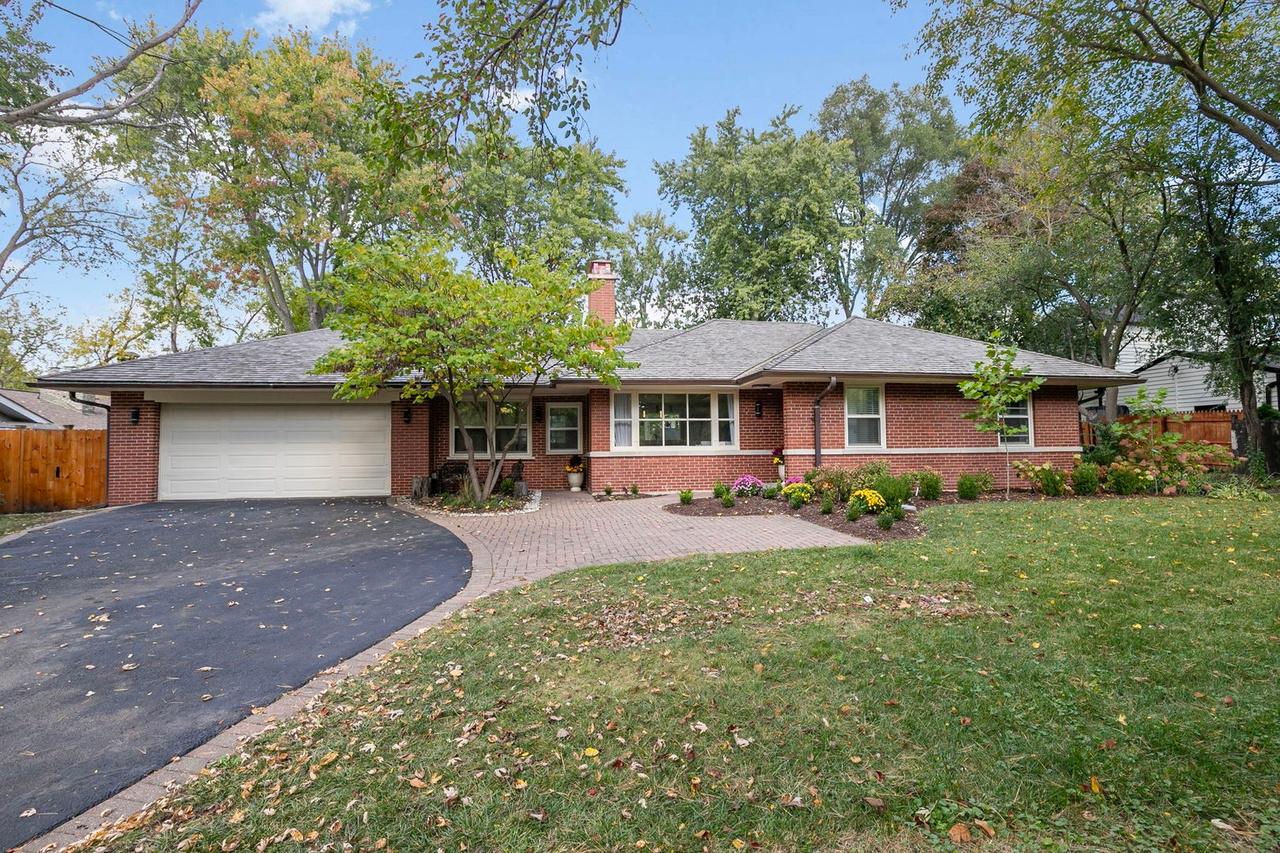
You pull into the driveway, and the front of the house still feels unfinished. The grass is cut, the edges are clean, and a few foundation shrubs are doing their job, but the yard has no structure, no focal point, and no clear connection to the house.
That is a common starting point.
Homeowners usually know the result they want. They want a front yard that feels welcoming, intentional, and easier to maintain. What stops the project is uncertainty. Should grass stay or go? Do wider planting beds make the house look better or smaller? Is a new path worth the cost? The right answer depends on the architecture, the climate, your budget, and how much upkeep you will keep up with in July, not just what sounds good in spring.
Good front yard design is less about copying a photo and more about matching the yard to real conditions. A gravel-heavy look can work well in a dry region and become a weed trap in a wet one. A cottage-style planting plan can soften a plain facade beautifully, but it needs room and regular editing. Clean modern lines can make a small lot feel sharper and more expensive, but only if the spacing, materials, and plant forms are handled with discipline.
This guide is built to make those decisions easier. Each idea includes plant suggestions by climate, materials to consider, layout notes, maintenance trade-offs, budget ranges, and a quick way to test the concept before you spend money on plants or hardscape.
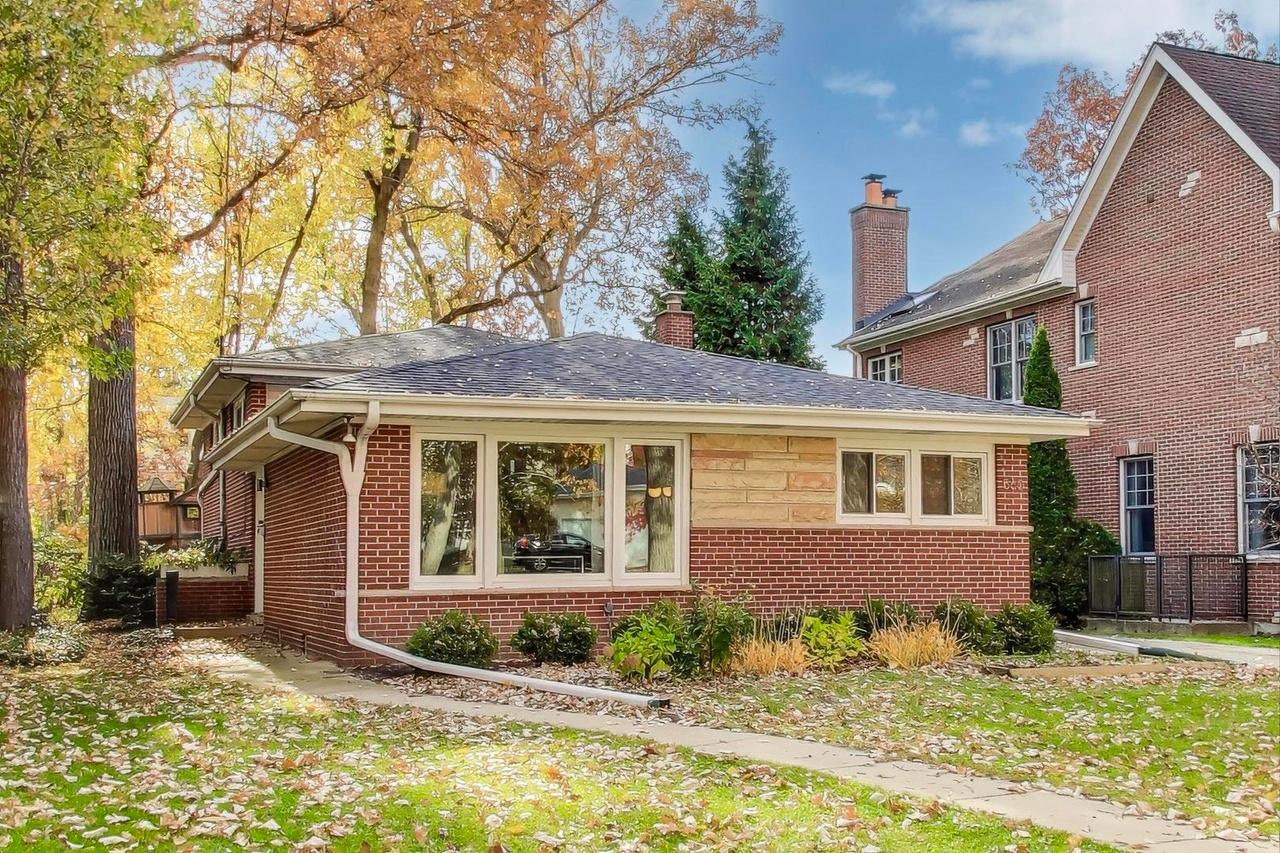
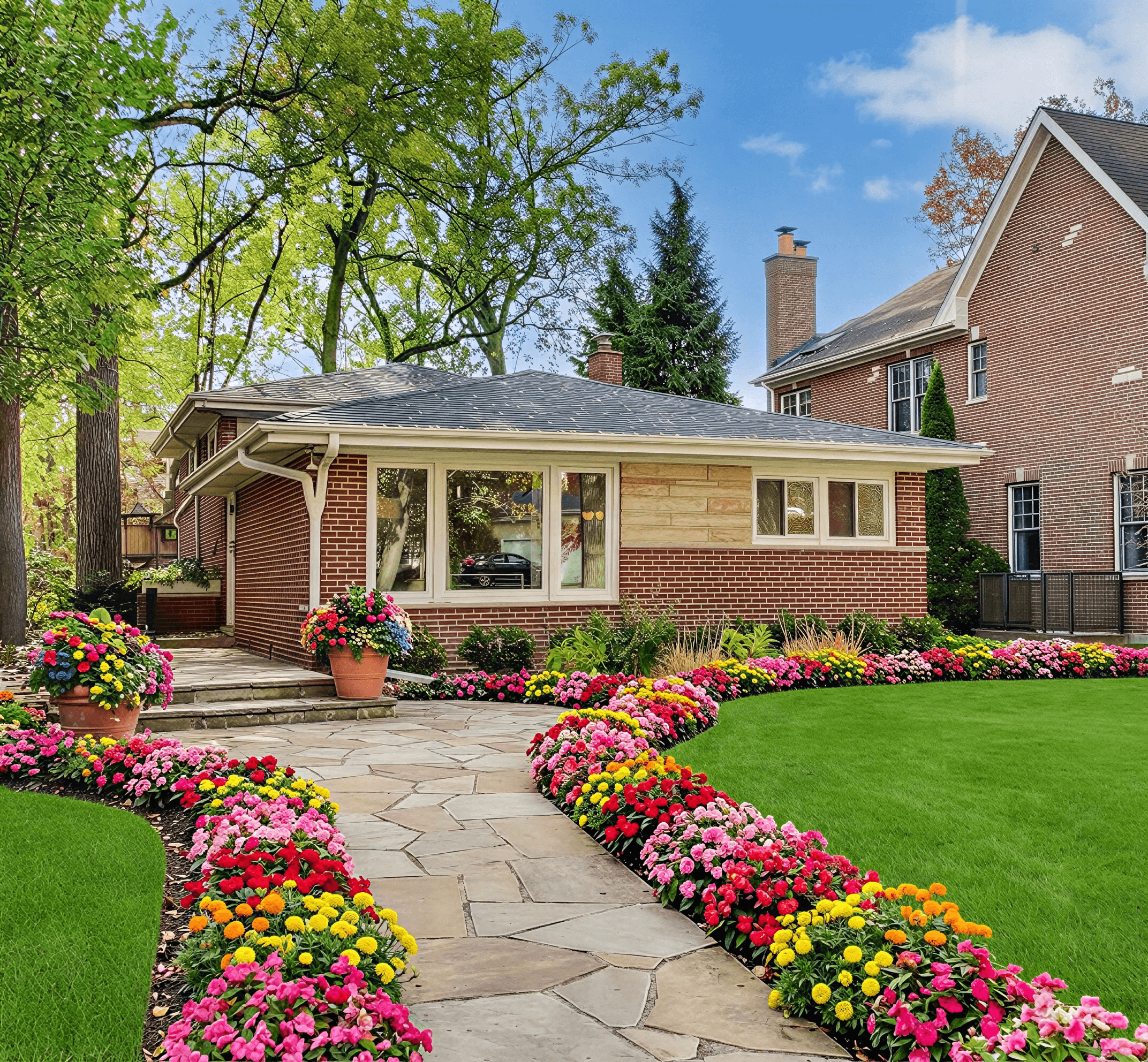
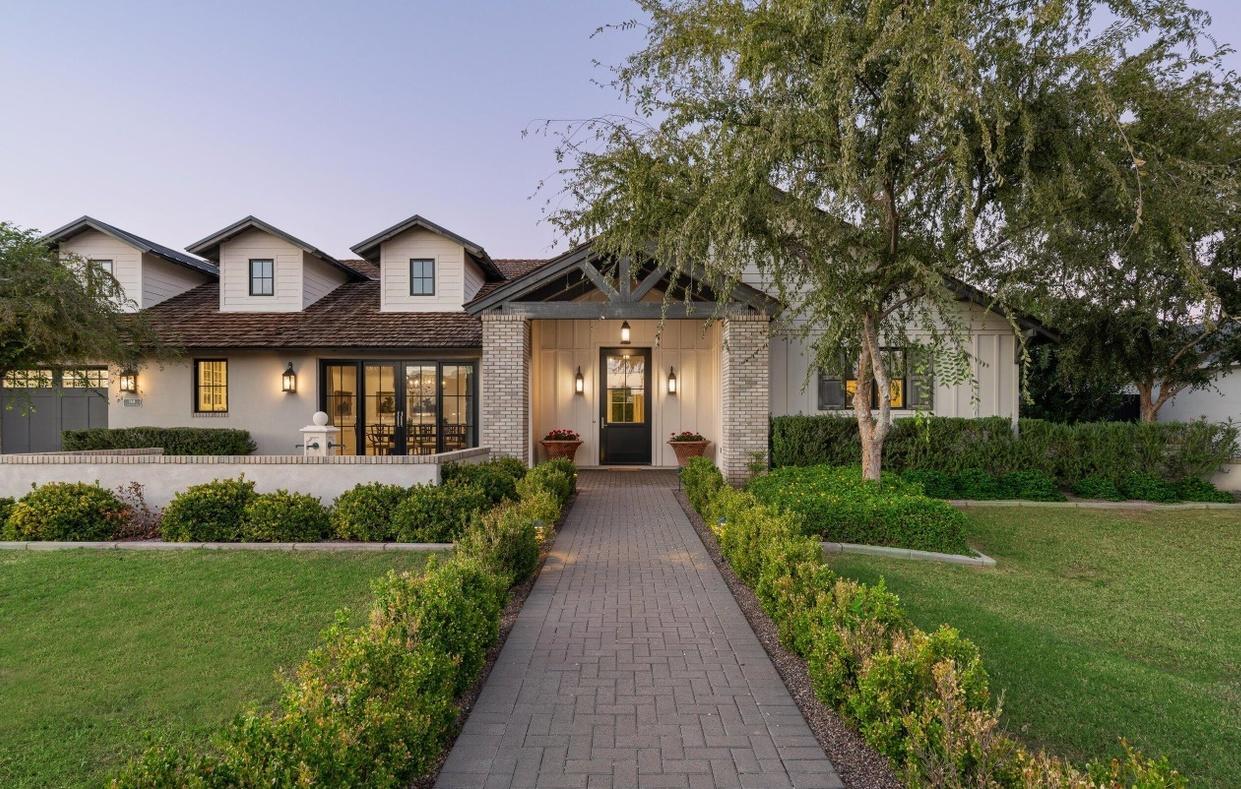
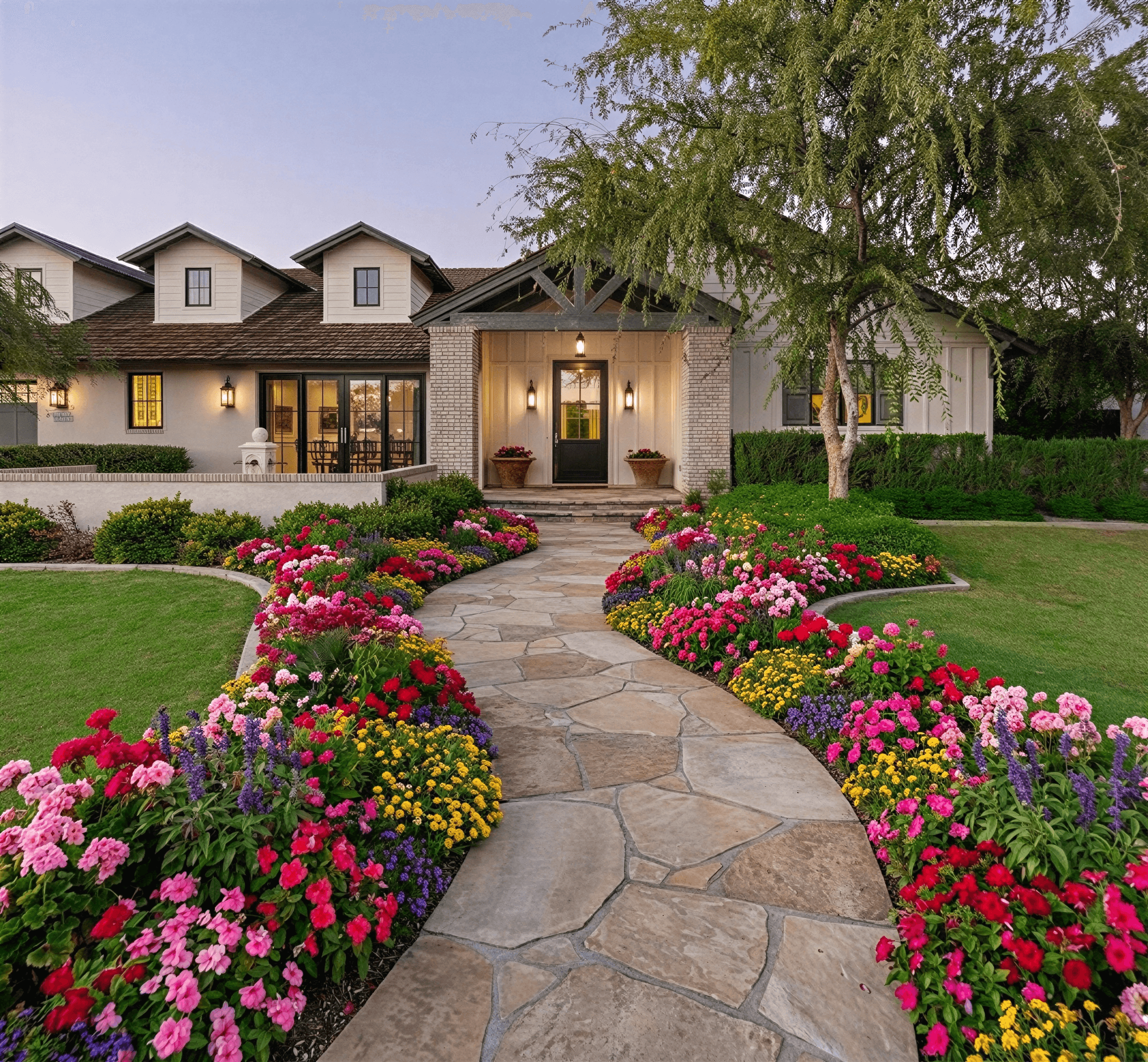
If you want to preview options before committing, use this AI tool for front yard design ideas to compare styles against your house.
If you're also refining the entry itself, details like planters, lighting, and weatherproof outdoor decorations help tie the whole look together.
Below are 10 front yard ideas that work for different homes, climates, and maintenance levels.
1. Modern Minimalist Landscaping
Modern minimalist landscaping works when the house already has strong lines, simple massing, or a clean facade. Think rectangular beds, limited plant varieties, repeated materials, and open sightlines from the street to the front door. It looks easy, but it only looks good when the spacing is deliberate.
The mistake people make is confusing minimalist with empty. A bare yard with random gravel and three small plants isn't modern. It's unfinished. This style needs crisp edging, a restrained palette, and plants with strong form.
What to plant and build
For warm, dry climates, use agave, lomandra, blue fescue, dwarf olive, society garlic, or columnar cypress where the scale fits. In milder coastal climates, phormium, boxwood alternatives, carex, lavender, and kangaroo paw can hold a sharp look. In colder regions, switchgrass, little bluestem, upright juniper, allium, and structured yew forms do the same job.
Material choices matter as much as the planting.
- Hardscape core: Poured concrete, large-format pavers, steel edging, black mulch, decomposed granite, or fine gravel
- Accent layer: One statement planter, a bench, low-voltage path lighting, or a specimen tree with clean underplanting
- Color discipline: Stick to two or three main tones, often gray, charcoal, buff, olive, silver, or deep green
Practical rule: If you need more than a few plant species to make the design feel alive, the layout probably isn't carrying enough of the work.
Layout and maintenance notes
Place bigger masses first. A modern yard usually reads best with one strong path, one anchor tree or sculptural shrub, and broad planting drifts instead of scattered singles. Leave breathing room around the front walk and foundation. Tight clutter breaks the effect fast.
This style is often a good fit for homeowners who want order without weekly flower deadheading. It does, however, demand regular cleanup. Fallen leaves, weeds in gravel, and sloppy edges show immediately. If you want to mock up geometry, materials, and spacing before buying anything, a front yard landscape design visualizer helps you test the look on your own house.
Budget-wise, the cheapest version uses fewer plants and simple gravel. The expensive version usually comes from concrete work, metal edging, lighting, and mature specimen plants. Use AI to preview whether your facade can support such a restrained front yard before you strip out what you already have.
2. Native Plant Gardens
A front yard planted with species from your region usually asks for less extra water, less fertilizer, and fewer corrections after the first year. That matters if you want a yard that settles in and improves with time instead of turning into a constant rescue project.
I recommend this approach for homeowners who want beauty and habitat value without forcing plants to fight the site. A native garden can read loose and meadow-like, or crisp and structured enough for a traditional suburban facade. The difference comes from layout, repetition, and edging, not from whether the plants are native.
Plant suggestions by region
Start with plants that already handle your local rainfall pattern, soil, and temperature swings.
In the Midwest and Plains, coneflower, black-eyed Susan, little bluestem, switchgrass, prairie dropseed, and serviceberry are reliable building blocks. In the Southeast, inkberry, oakleaf hydrangea, muhly grass, beautyberry, and coreopsis suit many front yards. In the Northeast, fothergilla, amsonia, New England aster, red twig dogwood, and native sedges give you strong seasonal change. In the West, manzanita, ceanothus, penstemon, yarrow, and region-specific bunch grasses are often a good place to begin.
A native planting scheme tends to work best with three clear layers:
- Upper layer: Small trees or tall shrubs that hold the structure year-round
- Middle layer: Flowering perennials and medium shrubs for color and seasonal movement
- Ground layer: Sedges, low grasses, or native groundcovers that tie the bed together and reduce bare soil
Layout, materials, and maintenance notes
The biggest mistake is not plant choice. It is presentation.
From the sidewalk, native plantings need a readable shape. Use a defined bed line, repeated groupings, and a clear route to the front door. Stone edging, steel edging, brick, or even a simple mown strip can make the difference between intentional and messy.
Keep plants in drifts instead of mixing one of everything. Group by sun exposure and moisture needs as well. A dry, prairie-style bed and a moisture-loving shade mix can both belong in the same region, but they should not be forced into the same planting zone just because both are native.
There is a trade-off here. Native gardens often cost less to maintain once established, but they can look sparse in year one and a little vigorous in year three if spacing was too tight. I usually advise homeowners to spend money on bed preparation, mulch, and enough plants to create clear masses first. You can always widen the planting later.
Budget tiers and where to start
A lower-cost version starts with one expanded bed near the entry, one small tree or anchor shrub, and two or three repeated perennial or grass groupings. A mid-range version extends those beds across the full frontage and adds better edging and a more complete ground layer. Higher budgets usually go into larger specimen plants, stonework, irrigation during establishment, and full-lot bed conversion.
If your concern is curb appeal, sketch the structure before you buy plants. Use AI to test massing, bloom timing, and how formal or relaxed the composition looks on your actual house, especially if you want native planting without the yard reading too loose for the neighborhood.
3. Mediterranean-Inspired Landscaping
Mediterranean front yards feel warm, relaxed, and architectural at the same time. They rely on texture more than flower color. Gravel, stone, terracotta, clipped shrubs, and gray-green foliage carry most of the style.
This approach works best in places with dry summers, mild winters, or at least good drainage and strong sun. In cold climates, you can still borrow the mood. You just need hardier substitutes instead of trying to force a Southern European plant list where it doesn't belong.
Plant and material toolkit
In hot, dry regions, rosemary, lavender, santolina, olive, cistus, teucrium, euphorbia, and dwarf pomegranate suit the look. In cooler regions, use hardy lavender selections, catmint, salvia, Russian sage alternatives where appropriate, upright juniper, boxwood alternatives, and silver-foliage perennials that can handle winter.
For materials, look for:
- Ground plane: Pea gravel, decomposed granite, buff stone, or warm-toned pavers
- Vertical accents: Terracotta pots, stucco-colored walls, timber gates, or stone columns
- Structure plants: Cypress forms, clipped mounds, or a small specimen tree with a sculptural canopy
A Mediterranean yard often feels best when the path meanders slightly instead of running straight like a suburban sidewalk poured as an afterthought.
Use fewer colors than you think you need. Mediterranean design gets its richness from texture, shadow, and repetition.
Real trade-offs
This style can be lower water once established, but it's not automatically low maintenance. Lavender gets woody if ignored. Gravel needs weeding. Terracotta dries out container plants quickly in exposed entries. And if your soil stays wet, root rot becomes a real issue.
The fix is practical, not stylistic. Improve drainage, mound planting areas where needed, and keep thirsty annual color out of the main composition. Save bright seasonal flowers for one or two pots near the door.
A small front yard can pull this off with one olive-style focal tree, gravel, and layered drought-tolerant mounds. A larger lot can add courtyard elements, broad stone steps, or a low seat wall. Before buying stone and pottery, use AI to see whether warm materials complement your roof, siding, and trim. Mediterranean ideas look best when the house and yard are speaking the same language.
4. Cottage Garden Style
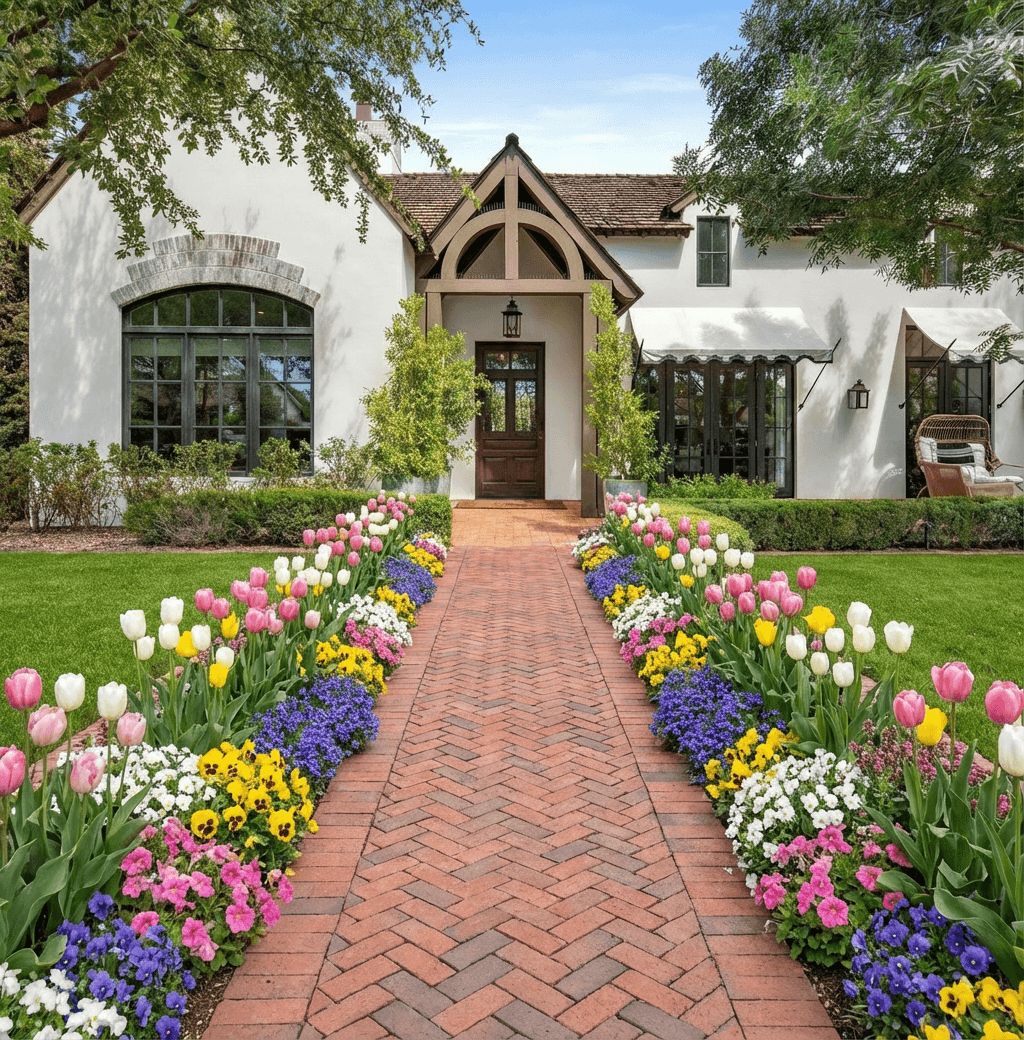
A good cottage garden looks generous, soft, and a little unruly without feeling messy. It invites you toward the front door instead of presenting a hard edge to the street. For traditional homes, bungalows, farmhouses, and many brick houses, it can feel more natural than a rigid formal plan.
The challenge is scale. Cottage planting can swallow a walkway if the bed depth and plant size aren't managed from the start.
Here's the mood many homeowners want:

Best plants for the look
In cooler climates, try delphinium, foxglove, salvia, peony, catmint, lady's mantle, allium, roses, and nepeta. In warmer climates, lantana, salvia, gaura, yarrow, society garlic, coreopsis, and disease-resistant roses often carry the same layered feel with less struggle. For shady cottage-style front yards, hydrangea, hellebore, astilbe, fern, and hosta can create softness without relying on sun-loving flowers.
A working cottage layout usually includes:
- A clear path: Brick, gravel, flagstone, or stepping stones with enough width to walk comfortably
- Layered heights: Tall plants in back or center islands, midsize bloomers in the middle, low edging in front
- Repeat plants: Repetition keeps abundance from turning into chaos
What to watch closely
Cottage gardens are beautiful, but they ask for participation. Plants lean, self-seed, flop, and bloom in waves. That's part of the charm. It also means you'll be cutting back, dividing, staking, and editing through the season.
Many people overplant in year one because the bed looks sparse at install. Don't. Most cottage plants bulk up. Leave room for mature width and for air movement, especially around roses and mildew-prone perennials.
Designer's note: If the front path disappears by midsummer, the planting isn't charming anymore. It's blocking circulation.
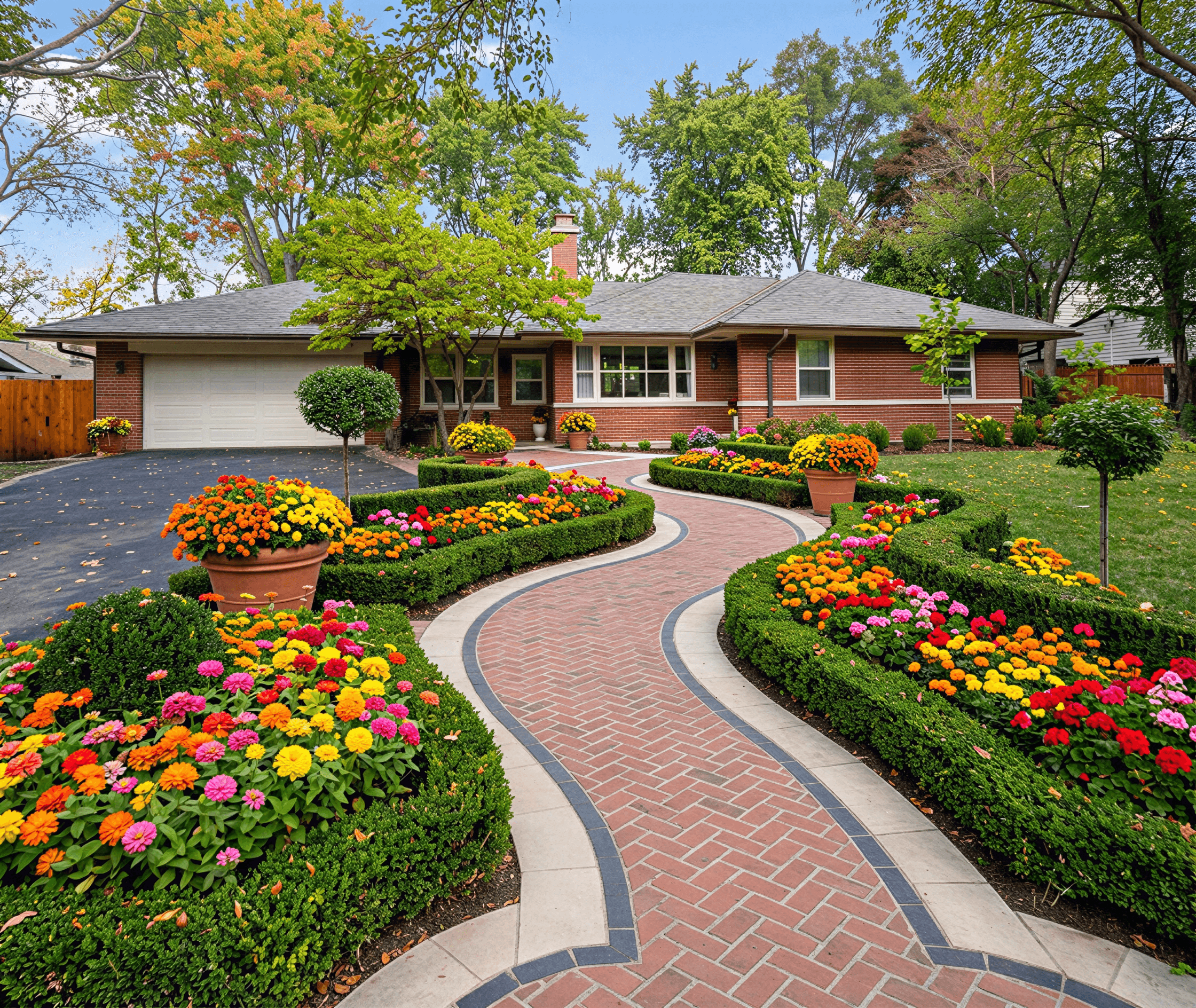
Budget ranges widely here. You can build a cottage garden affordably with smaller perennial plugs, mulch, and a simple path, then let time do the work. Or you can spend heavily on stone edging, roses, and large shrubs from day one. Use AI to test color families before planting. Soft pink and blue reads very differently against red brick than it does against white siding or dark-painted trim.
5. Desert Xeriscaping (Succulent & Drought-Tolerant Design)
Desert xeriscaping isn't just gravel plus cactus. The best versions use shape, rhythm, and negative space. They feel composed, not empty, and they respect the fact that in dry climates every plant should earn its place.
If you live where water use matters, this style deserves serious consideration. It also works well for second homes, rentals, and busy households that don't want a lawn dictating weekend labor.
This kind of structure often anchors the whole yard:

Plant palette and materials
In true desert and semi-arid climates, use agave, aloe where climate permits, red yucca, hesperaloe, sotol, dasylirion, cacti, globe mallow, desert spoon, and hardy trailing succulents. In less arid regions where you want the look without the exact climate, substitute with yucca, sedum, hardy cactus, ornamental grasses, lavender, and drought-tolerant shrubs suited to your zone.
Material choices should support water management and visual clarity:
- Base materials: Gravel, crushed stone, decomposed granite, boulders, dry creek beds
- Accent materials: Steel edging, concrete pads, rusted metal planters, weathered stone
- Softening layer: Fine-textured grasses or low mounding shrubs between stronger sculptural plants
What makes it succeed
Spacing is the difference between a clean xeriscape and a parking-lot planting. Each succulent or sculptural plant needs room to show its silhouette. Repetition helps too. One agave can look random. A sequence of related forms reads as design.
One underserved question in front yard landscaping content is whether low-water designs help resale. The verified material provided for this brief includes a claim about xeriscaped homes in drought-prone U.S. markets selling faster and at higher prices, but the cited Lowe's URL doesn't verify those figures directly. So the safe, accurate takeaway is qualitative: homeowners and agents frequently want clearer ROI evidence for xeriscaping, and that makes climate-aware planning even more important.
For practical design guidance, a drought-resistant landscaping guide can help you test layouts and plant combinations that look intentional rather than sparse. Use AI here before installation. It's one of the easiest styles to misjudge on paper and one of the easiest to improve when you can see the composition on the house first.
6. Tropical Landscaping
Tropical landscaping turns the front yard into an arrival experience. Big leaves, layered canopies, and bold forms make the house feel sheltered and lush. In the right climate, it can be unforgettable.
In the wrong climate, it can become a seasonal headache full of damaged foliage and replacement costs. That's the first trade-off to face directly.
Climate fit and plant choices
For frost-free or lightly frosted regions, palms, bird of paradise, croton, cordyline, philodendron, hibiscus, ginger, and heliconia create the classic look. In subtropical regions with occasional cold snaps, hardy palms, fatsia, cast iron plant, elephant ear where suitable, canna, flax-type plants, and broadleaf evergreens can deliver a tropical effect with more resilience. In cooler climates, use tropical style rather than tropical species. Big-textured hosta, rodgersia, hardy banana where feasible, ornamental grasses, and dramatic annual containers can create the mood.
The best tropical front yards rely on layers:
- Tall canopy or palm form
- Mid-layer foliage plants
- Low edging plants or groundcovers
- One clean route to the entry so the space doesn't feel overgrown
Maintenance reality
Tropical gardens grow fast, especially with heat and irrigation. That sounds appealing until a front walk narrows, windows get covered, and everything turns into a pruning cycle. Reserve the densest planting for side zones and keep the centerline to the door open.
This style also asks you to think about winter appearance if your climate cools off. Some plants look lush in summer and ragged by late season. If your front yard is highly visible from the street year-round, mix in evergreen structure, hardscape, and containers that still hold shape when flowers slow down.
A compact bungalow can support a tropical entry with two bold containers, layered foliage beds, and one architectural palm or broadleaf anchor. A larger home can carry a more immersive approach. Use AI to check the scale. Tropical planting tends to look best when the foliage mass is generous but still leaves the architecture visible.
7. Pollinator-Friendly Gardens
Pollinator gardens bring movement into the front yard. Bees work the flowers, butterflies drift through, birds use seed heads and shelter, and the whole space feels alive in a way clipped shrub beds rarely do. Done well, it also looks intentional enough for a visible front lot.
The key is succession. A pollinator garden shouldn't peak for two weeks and then fade into green filler. It needs early, mid, and late-season bloom.
Building a front yard pollinator plan
Start with regionally appropriate flowering plants that overlap across the season. In many temperate climates, that might mean spring bulbs and early perennials, summer salvias and coneflowers, then asters and grasses into fall. In warm climates, use long-blooming salvias, gaillardia, lantana where appropriate, milkweed species suited to the region, and native shrubs that flower or fruit.
Pollinator support also depends on more than flowers:
- Host plants: Include species caterpillars use, not just nectar plants for adult butterflies
- Water: A shallow basin, small bubbler, or damp gravel zone helps in hot periods
- Shelter: Dense shrubs, grasses, and winter stems provide cover and habitat
Leave some stems standing through the cool season if your neighborhood allows it. A perfectly shaved fall cleanup removes habitat right when many beneficial insects need it.
Where homeowners go wrong
They often choose a pollinator mix based on bloom color alone. That creates a pretty garden, not necessarily a useful one. The stronger approach is to start with native or well-adapted support plants, then add ornamental color where it won't compromise the ecosystem function.
This style can also look untidy if there isn't enough structure. Add one clean path, a repeated grass, a clipped edge, or a low fence line to frame the looseness. That contrast makes the planting feel deliberate.
Budget can be modest because many pollinator plants establish well from small containers or plugs. The bigger investment is bed preparation and irrigation during establishment. Use AI to preview bloom density and shape. A pollinator garden should look welcoming from the curb, not like a forgotten strip that happens to attract bees.
8. Formal Symmetrical Landscaping
Some homes want order. Colonials, Georgian-inspired facades, and houses with centered entries often look better with symmetry than with loose naturalism. Formal front yards create that stately feel through balance, repeated shapes, and sharp maintenance.
This is one of the safest front yard landscaping ideas for resale-minded homeowners because it reads clean and familiar. It also exposes every flaw if the maintenance slips.
The design language
Formal designs usually revolve around a central axis. The front walk, door, steps, or porch creates the middle line, and the planting mirrors itself from there. That doesn't mean everything must be identical, but the visual weight should balance from side to side.
Typical ingredients include:
- Foundation structure: Boxwood alternatives, yew, dwarf hollies, or clipped evergreen mounds
- Vertical markers: Topiaries, upright evergreens, columnar shrubs, or matching planters
- Ground detail: Brick walkways, gravel courts, low hedges, and edging that stays crisp
Where it works best
Formal symmetry works especially well when the architecture already has centered windows, shutters, columns, or a balanced facade. If the house is asymmetrical or cottage-like, forcing a rigid mirrored plan can feel stiff.
The maintenance load is straightforward but ongoing. Hedges need regular trimming. Repeated shrubs need consistent irrigation and feeding while they establish. Weeds stand out because the style relies on cleanliness. If you don't want that level of upkeep, scale the formality back. Use structured beds and balanced planters rather than full hedge geometry.
The residential segment is projected to hold 66.4% of landscaping tools market share in 2026, according to Coherent Market Insights. That projection reflects how many homeowners now handle more of their own maintenance. In practical terms, formal yards are best for people who don't mind owning and using hedge trimmers, edgers, and cleanup tools on a regular basis.
Use AI to test symmetry before planting. Even a small shift in bed width or walkway alignment can change the entire feel of a formal entrance.
9. Modern Cottage Fusion
Modern cottage fusion is one of the most useful styles for real homes because it splits the difference between romance and control. You get layered planting, softer flowers, and a welcoming look, but with cleaner paths, simpler materials, and less visual clutter than a full cottage garden.
For many suburban houses built in the last few decades, this style lands better than either extreme. Pure modern can feel too stark. Pure cottage can feel too loose. The hybrid usually gives the facade what it needs.
How to combine the two styles
Start with a strong framework. Use a clean path, simple edging, and a small number of shrubs that hold shape through winter. Then add perennials and ornamental grasses in repeated drifts rather than random mixed clumps.
Good combinations include:
- Structure plants: Boxwood alternatives, dwarf hydrangea, upright evergreens, or neat mounding shrubs
- Soft layer: Salvia, nepeta, echinacea, gaura, yarrow, allium, and seasonal annuals in limited pockets
- Modern materials: Rectangular pavers, steel edging, gravel bands, matte-finish planters
Why this style is practical
It tolerates a wider range of houses and climates than many trend-driven yards do. It also ages well because the bones stay simple even as the planting fills in. If a few perennials fail, the yard doesn't collapse visually.
What doesn't work is trying to make every bed both wild and geometric at the same time. Pick one to lead. Usually the hardscape should provide the order while the planting provides movement.
This style also adapts well to phased budgets. Install the path, edging, and evergreen framework first. Add flowering layers over time. That's often smarter than buying a cart full of perennials and hoping the composition sorts itself out.
If you're not sure whether your house wants more softness or more structure, AI helps most in such situations. Generate a few versions of the same frontage with different plant density, path width, and color restraint. The right balance becomes obvious when you can compare the options side by side.
10. Vertical & Accent Hardscaping (Statement Features)
Sometimes the front yard doesn't need more plants. It needs one clear focal point. A sculptural wall, raised planter, trellis, fountain, boulder composition, or architectural screen can organize the whole space and give the house an identity from the street.
This approach is especially useful for small front yards, narrow urban lots, and homes where the facade already carries strong architectural character.
A statement element can do the heavy lifting:

Best feature types by yard size
For compact yards, vertical trellises, wall planters, sculptural urns, or a small water feature near the entry can create enough presence without crowding the space. For medium to large yards, think seat walls, oversized planters, corten panels, dry-stacked stone columns, or a focal sculpture framed by restrained planting.
Planting should support the feature, not compete with it:
- Use controlled masses: Grasses, low shrubs, or one-color perennial drifts
- Keep the backdrop simple: Too many flower types around a focal object weakens the effect
- Light it properly: One well-aimed fixture often matters more than adding three extra plants
Practical considerations
Hardscape features usually cost more upfront than plant-based updates, but they often deliver year-round presence. That's valuable in cold climates where seasonal planting disappears for months. They also reduce the pressure to fill every inch with living material.
The main mistake is scale. A tiny fountain in a broad yard looks apologetic. An oversized wall in a shallow setback can feel defensive. The proportions need to fit both the home and the distance from sidewalk to entry.
If you're comparing options, it helps to understand the role each element plays. This breakdown of landscaping versus hardscaping is useful when you're deciding whether the yard needs more greenery, more structure, or both.
Use AI to test the feature in place before construction. Vertical accents are highly visual, and small changes in height, width, or material can completely shift the tone from elegant to overpowering.
Front Yard Landscaping: 10-Style Comparison
| Style | 🔄 Implementation Complexity | ⚡ Resource Requirements | 📊 Expected Outcomes | 💡 Ideal Use Cases | ⭐ Key Advantages |
|---|---|---|---|---|---|
| Modern Minimalist Landscaping | Moderate, precise hardscaping and layout | Medium–High upfront (pavers, steel); low ongoing maintenance | Clean, architectural curb appeal with strong sightlines | Urban or modern-architecture homes | Sleek, low-clutter aesthetic; low recurring care |
| Native Plant Gardens | Low, emphasis on appropriate species grouping | Low–Medium (locally sourced plants/materials); minimal irrigation after establishment | Resilient, low-input landscape that supports wildlife | Eco-conscious yards, low-water sites, restoration projects | High ecological value; low long‑term inputs |
| Mediterranean-Inspired Landscaping | Moderate, drainage and plant siting matter | Medium (terracotta, stone, drought-tolerant plants); moderate maintenance early | Warm, resort-like appearance; drought resilience in hot climates | Warm, dry-summer regions; courtyards and patios | Fragrant, drought-tolerant palette with timeless character |
| Cottage Garden Style | Moderate–High, dense planting plans and layering | Low–Medium materials; high ongoing care (deadheading, dividing) | Abundant, colorful, informal front yard with strong seasonal blooms | Traditional homes, gardeners seeking a romantic look | High floral impact and charm; strong seasonal interest |
| Desert Xeriscaping (Succulent & Drought-Tolerant) | Low–Moderate, emphasis on spacing and drainage | Medium (gravel, boulders, specimen plants); very low irrigation needs | Sculptural, low-water landscape with strong form and texture | Arid/semi-arid climates and water-restricted areas | Significant water savings; bold architectural plants |
| Tropical Landscaping | High, soil, microclimate, and layering requirements | Medium–High (large plants, water features); high ongoing maintenance | Lush, immersive, year-round foliage and tropical character | Warm, humid climates or resort-style properties | Dramatic foliage and dense, exotic atmosphere |
| Pollinator-Friendly Gardens | Low, plant selection and seasonal sequencing | Low (native perennials, simple features); minimal maintenance if pesticide-free | Dynamic, season-long blooms that attract pollinators | Wildlife gardens, schools, community spaces, small yards | Supports biodiversity; educational and ecological benefits |
| Formal Symmetrical Landscaping | High, precise geometry and mirror planting | High (quality materials, structured plants); very high maintenance | Stately, formal entrance with polished, timeless look | Historic or high-value properties, formal settings | Elegant, high-curb-appeal design; clear symmetry |
| Modern Cottage Fusion (Contemporary Meets Traditional) | Moderate, combines hardscape precision with abundant plantings | Medium (sleek hardscape + perennials); moderate maintenance | Balanced look: lush plantings within a clean, modern frame | Transitional homes, homeowners wanting charm + order | Combines romantic plantings with manageable structure |
| Vertical & Accent Hardscaping (Statement Features) | High, structural work, irrigation, and technical installs | High–Very High (custom features, installation); varied maintenance | Dramatic focal point that elevates overall design value | Small urban sites, contemporary projects, focal transformations | Immediate visual impact; durable sculptural elements |
From Idea to Reality: Your Next Steps
At this point, the hard part isn't finding front yard landscaping ideas. It's choosing the one that suits your house, climate, and tolerance for maintenance. That's where people often lose momentum. They save a dozen images, buy a few plants, and end up with a yard that looks pieced together instead of designed.
A better approach is to narrow your direction first. Ask a few practical questions. Does your home want clean geometry or softer planting? Do you want lawn, or are you keeping it out of habit? Will you maintain clipped hedges, or would a native or mixed perennial plan fit your routine better? Front yard success usually comes from answering those realistically, not aspirationally.
If resale matters, curb appeal deserves more attention than many owners give it. The National Association of REALTORS® also reports that 57% of homeowners believe beautiful landscaping and exteriors can increase resale value by at least $20,000, with 16% estimating more. Even if your goal isn't selling soon, that mindset is useful. You're shaping how the home presents itself every single day.
There's also a practical reason to plan more carefully now. Search behavior around front yard landscaping ideas still shows strong interest, with about 49,500 monthly searches noted in Treendly's trend page. Homeowners are still actively looking for solutions, but the strongest projects now tend to be more intentional. More climate-aware. More sustainable. Less focused on copying a one-size-fits-all lawn template.
That shift is a good thing. It means you can design for real life. You can build a front yard that uses less water, supports pollinators, reduces mowing, frames your walkway better, or makes the house feel finished. You don't need the biggest budget on the block. You need clarity before you spend.
Here's the sequence I recommend. First, choose one guiding style from the ten above. Second, decide what stays and what goes. Third, lock in the essential elements like path layout, drainage, privacy, and maintenance level. Then test the visual concept before ordering materials or tearing out beds. That single step saves a lot of expensive second-guessing.
If hardscape is part of the plan, material samples matter. A paver or gravel that looks right in a showroom may look wrong against your brick, siding, or roof color. The same goes for decorative surfaces like outdoor cement tiles, which can be beautiful when they fit the architecture and overpowering when they don't. Always check them against the actual house.
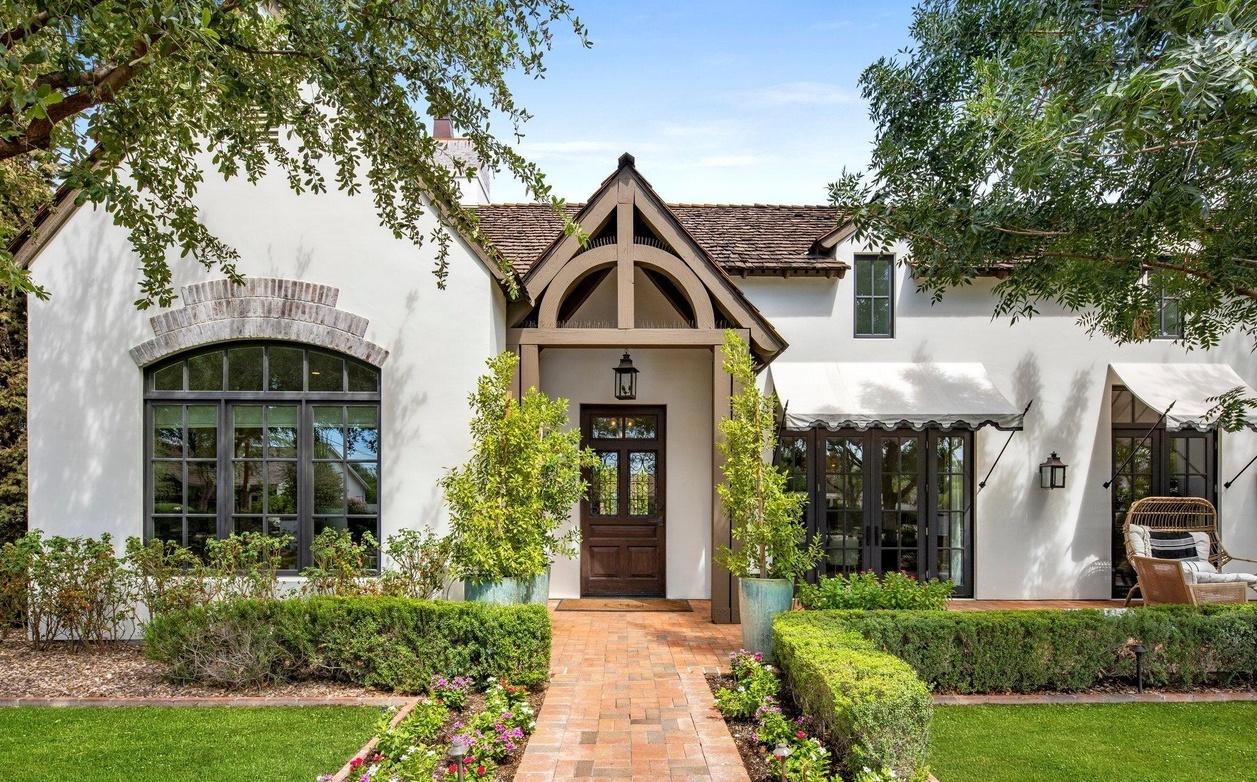
This is also where a tool like Curb Appeal AI fits naturally. It lets you upload a photo of your home and test different front yard directions visually before committing. That's useful whether you're deciding between modern minimalist beds and a native garden, comparing gravel to pavers, or trying to see if a Mediterranean palette suits your facade. The point isn't to replace installation expertise. It's to make earlier decisions with more confidence.
A strong front yard doesn't happen by accident. It happens when the layout, plant palette, materials, and maintenance plan all agree with each other. Once that clicks, the project gets much easier to build in phases or execute all at once. Your front yard doesn't need to look like everyone else's. It needs to look right on your home.
Upload a photo of your home to Curb Appeal AI and test these front yard landscaping ideas before you buy plants, gravel, pavers, or lighting. Seeing modern, cottage, xeriscape, tropical, and other styles on your actual house makes it easier to choose a direction that fits your climate, architecture, and budget.