10 Inspiring Landscaping Design Ideas for Backyard Transformations in 2026
Your backyard is more than just an open space; it's a canvas for creating a personal sanctuary, an entertainment hub, or a peaceful retreat. The right landscape design not only improves your home's aesthetic but also extends your living area, boosts property value, and connects you with nature. Yet, transforming a blank slate into a functional, beautiful garden can feel overwhelming. Where do you even begin?
This guide is your starting point. We've compiled distinct landscaping design ideas for backyard spaces, moving beyond generic advice to offer specific, actionable plans. Whether you dream of a low-maintenance modern oasis, a lush pollinator paradise, or a functional outdoor kitchen, you'll find detailed blueprints here. To kickstart your journey, explore these 10 Backyard Landscaping Design Ideas for fresh inspiration and practical approaches to transforming your outdoor space.
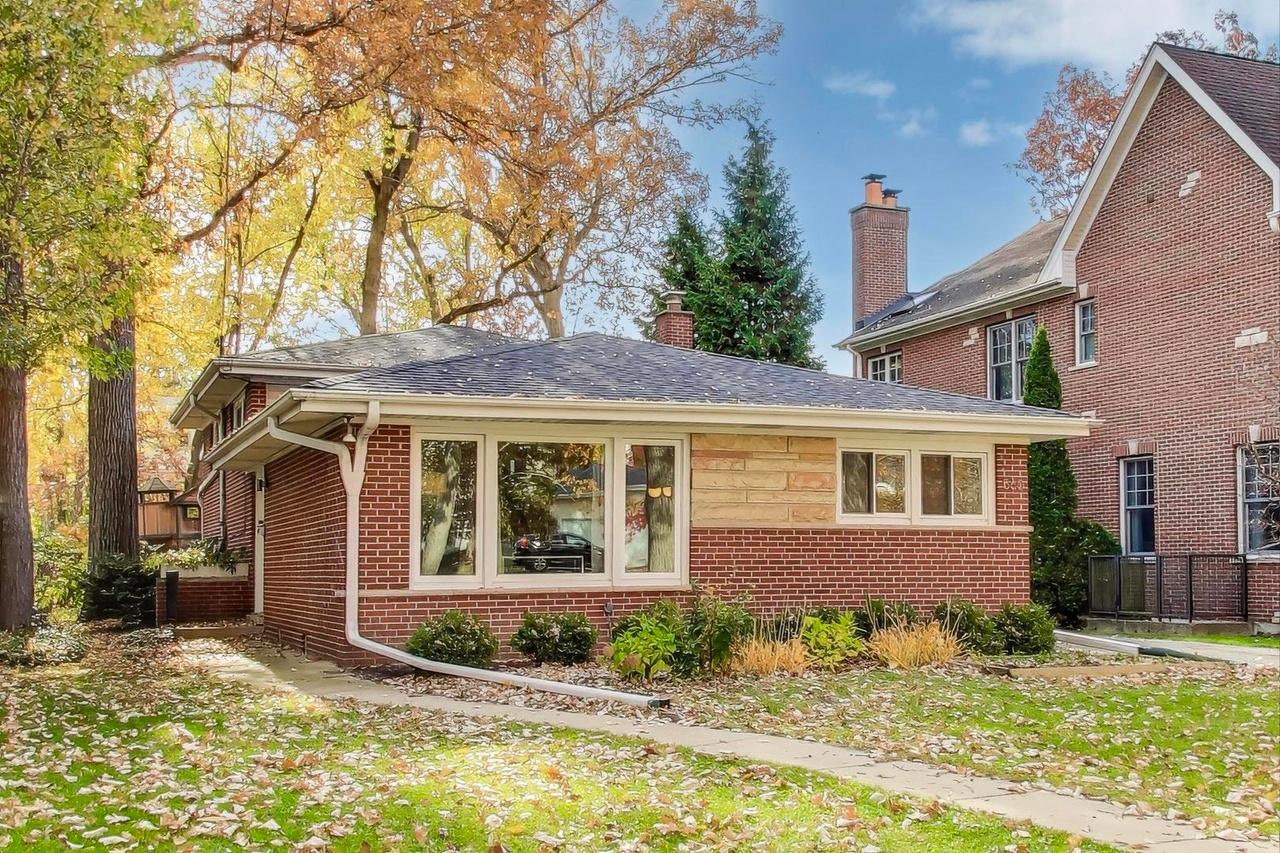
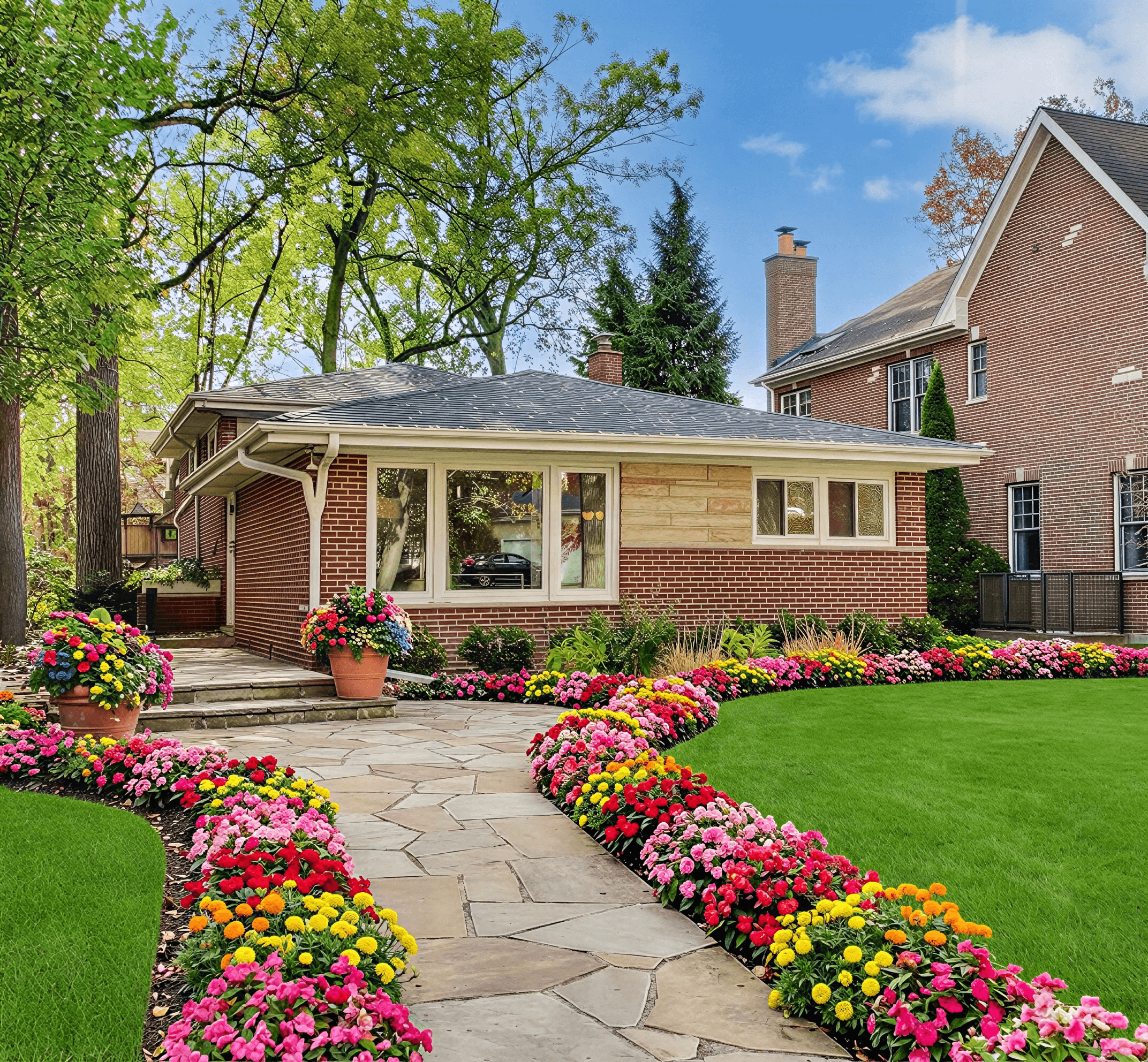
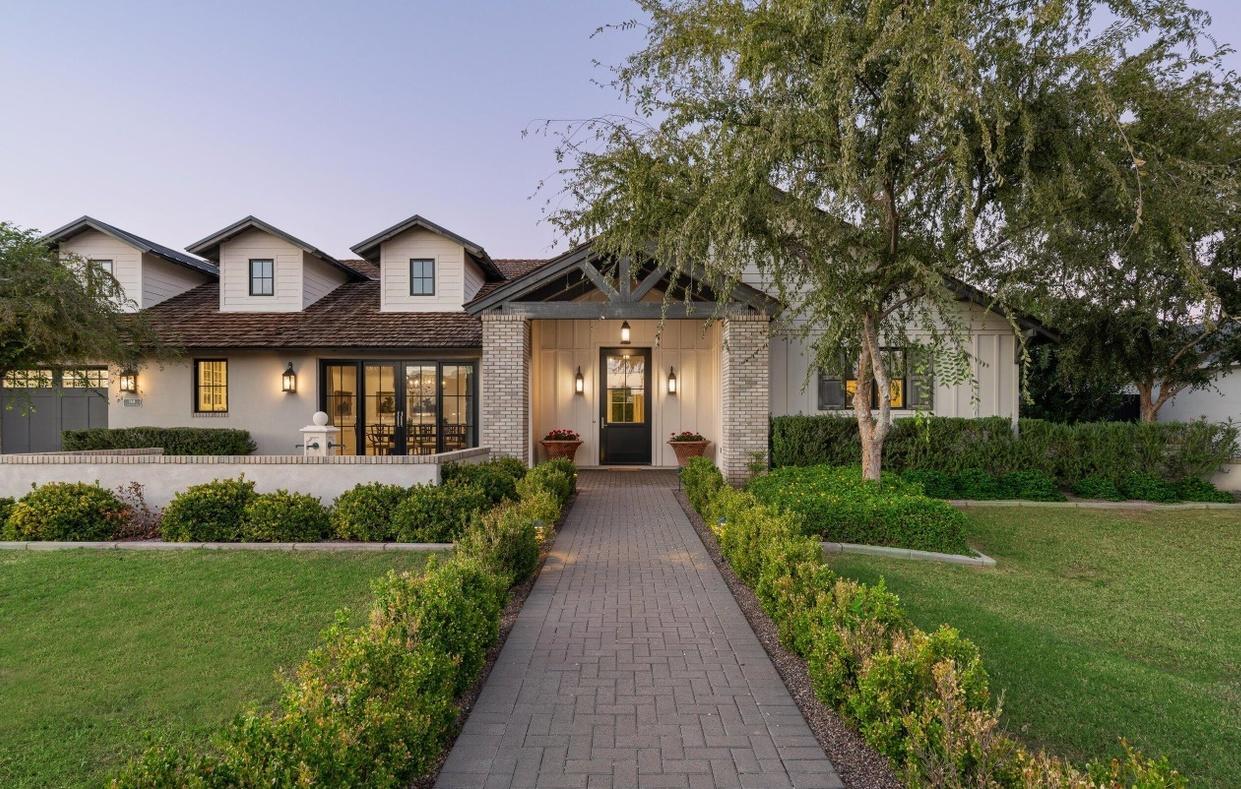
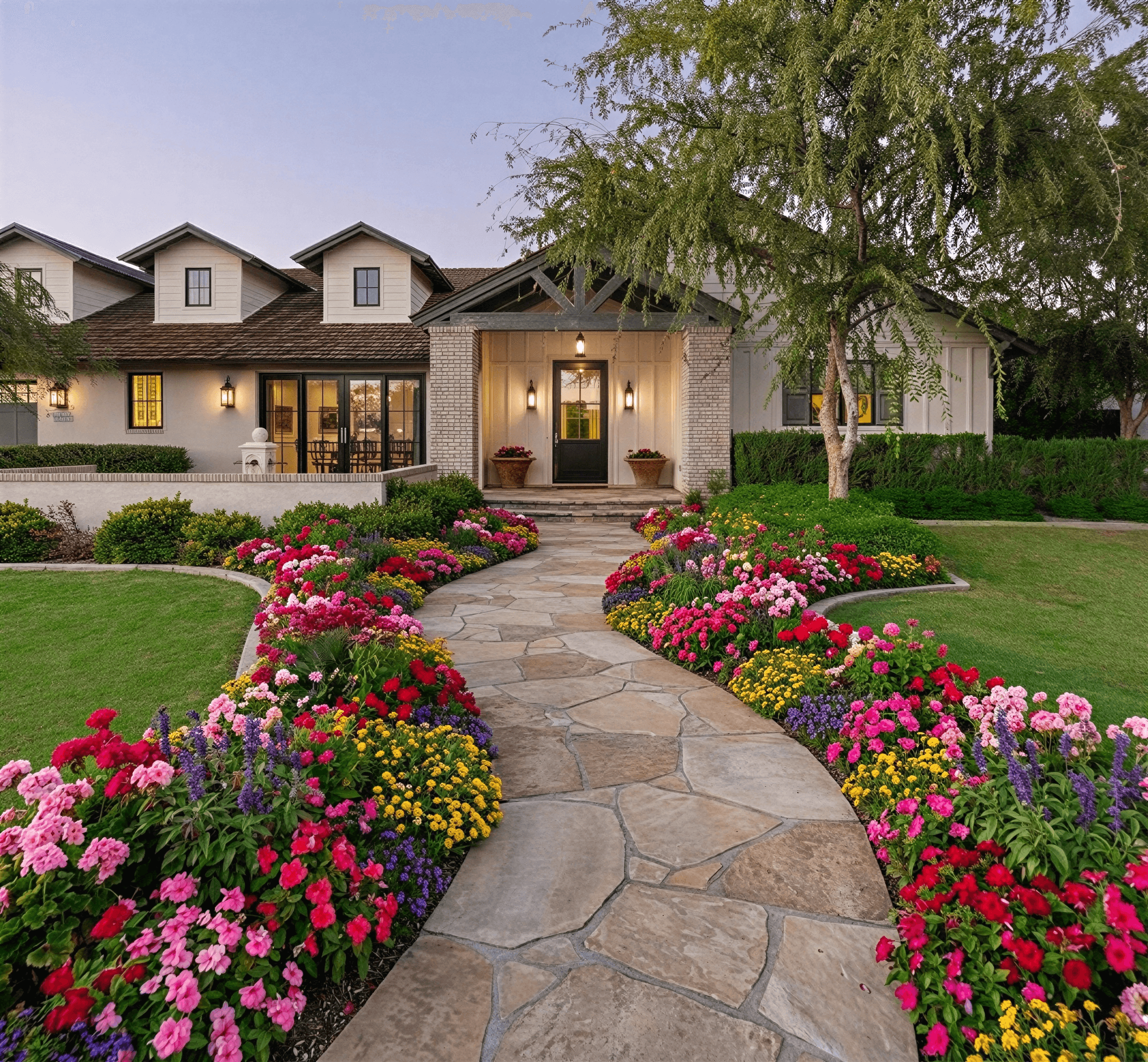
We'll cover everything from plant selection and material recommendations to budget considerations and professional implementation tips. Forget the guesswork and let’s explore tangible designs you can adapt to your own home and climate, setting the stage for a backyard you'll love for years to come. By the end, you will not only have a clear vision but also the tools to bring it to life, starting with visualizing your favorite concepts on your own property in seconds.
1. Modern Minimalist & Japanese Zen Garden Design
This hybrid design merges the clean lines of modern minimalism with the serene, contemplative principles of Japanese Zen gardens. It's an excellent landscaping design idea for backyards where tranquility and low maintenance are top priorities. The approach centers on balance, simplicity, and the artful use of negative space to create a calm, uncluttered outdoor sanctuary. Think of it as a carefully composed painting where every element has a purpose.
This style is especially effective for smaller urban properties or for homeowners who desire a sophisticated and meditative atmosphere. It avoids floral abundance in favor of structural beauty, relying on geometric hardscaping, raked gravel, and a very selective plant palette.

Key Elements & Implementation
To bring this look to your backyard, focus on a restrained and intentional selection of materials and plants.
- Hardscaping: Use materials that complement your home's exterior, such as concrete pavers, dark slate, or ipe wood decking. Create clear, simple pathways and patios with strong geometric shapes.
- Plant Palette: Choose just two or three architectural specimen plants. A sculptural Japanese maple, a cluster of black bamboo, or carefully shaped topiaries provide focal points without creating clutter. Mosses and ornamental grasses add texture. While this style is distinct from purely tropical designs, you can find inspiration for using specimen plants in our guide to island landscape ideas.
- Focal Points: Add a single, impactful feature like a simple stone water basin, a Corten steel fire pit, or a large, moss-covered boulder. The goal is to draw the eye without overwhelming the senses.
- Negative Space: This is the most critical component. Use areas of raked sand or fine gravel (known as samon in Zen gardens) to create visual breathing room. This "emptiness" is a design element in itself, meant to encourage reflection.
Expert Tip: When placing rocks (ishi), arrange them in asymmetrical groupings of three, five, or seven. This practice, rooted in Zen philosophy, mimics natural landscapes and creates a more dynamic, balanced composition than perfect symmetry would.
2. Mediterranean Landscape Design
This design brings the sun-drenched, rustic charm of Southern Europe to your backyard. It's a wonderful landscaping design idea for backyards in warm, dry climates, celebrating natural materials, drought-tolerant plants, and a lifestyle centered on outdoor living and entertaining. The style blends rugged textures with fragrant foliage, creating an atmosphere that is both relaxed and elegant. It’s about crafting a space that feels like a permanent vacation retreat.
Mediterranean design is particularly suited for properties with sunny exposures and is an excellent choice for homeowners looking to reduce water usage without sacrificing beauty. It makes heavy use of hardscaping like stone patios and gravel paths, defining spaces for dining, lounging, and gathering while incorporating plants that thrive in the heat.
Key Elements & Implementation
To achieve this sun-baked aesthetic, focus on a palette of warm, earthy materials and resilient, aromatic plants.
- Hardscaping: Build patios, low retaining walls, and pathways with materials in warm tones. Terracotta tiles, sandstone pavers, or decomposed granite create a natural, aged feel. A wooden pergola or arbor is a classic element, perfect for supporting climbing vines like bougainvillea or grapes.
- Plant Palette: Select plants that are native to or thrive in Mediterranean climates. Fragrant herbs like lavender and rosemary are essential. Anchor the design with structural plants like olive trees, Italian cypresses, or agave. For color, add drought-resistant bloomers such as bougainvillea, geraniums, and verbena.
- Focal Points: A tiered water fountain, a rustic outdoor fireplace, or a collection of large terracotta urns can serve as a compelling centerpiece. These features add a sense of established permanence and draw the eye. You can visualize how different terracotta and stone combinations will look using Curb Appeal AI's Mediterranean style filters.
- Defined Zones: Use hardscaping and plantings to create distinct "rooms" for different activities. A gravel courtyard might lead to a stone patio with an outdoor kitchen, while a shaded pergola offers a dedicated space for lounging. Incorporate aromatic herbs near seating areas for a delightful sensory experience.
Expert Tip: Water conservation is key to an authentic Mediterranean garden. Install a drip irrigation system to deliver water directly to plant roots, minimizing evaporation. Using gravel as a mulch not only fits the aesthetic but also helps retain soil moisture and suppress weeds.
3. Native Plant & Pollinator Gardens
This landscaping design idea for backyards centers on creating a vibrant, living ecosystem by using plants indigenous to your specific region. A native plant and pollinator garden is more than just a collection of flowers; it's a biodiverse habitat designed to support bees, butterflies, birds, and other local wildlife. By choosing plants that have co-evolved with your area's climate and soil, you create a self-sustaining garden that reduces the need for water, fertilizers, and pesticides.
This approach is perfect for environmentally conscious homeowners who want to foster a connection with nature and contribute positively to their local ecology. It transforms a standard lawn into a dynamic space that changes with the seasons, offering year-round interest and educational opportunities. From Midwest prairie gardens with Coneflowers and Switchgrass to California properties featuring drought-tolerant sages and manzanitas, this style is adaptable to any location.

Key Elements & Implementation
To build a successful native garden, the focus is on research and thoughtful plant selection that matches your local conditions.
- Regional Research: Begin by identifying your USDA Hardiness Zone and researching plants native to your specific area. Local native plant societies, Audubon Society chapters, and university extension services are excellent resources for plant lists and advice.
- Plant Palette: Select a variety of native plants that bloom at different times from spring through fall to provide a continuous food source for pollinators. Include host plants for butterfly larvae, like Milkweed for Monarchs. Group plants with similar light and water requirements together.
- Wildlife Support: Leave some bare, unmulched ground for the 70% of native bees that nest underground. In the fall, allow seed heads to remain on plants like Coneflower and Black-Eyed Susan to provide winter food for birds.
- Soil and Mulch: Start with a soil test to see if any amendments are needed. Use organic mulches such as shredded leaves or wood chips, which decompose to enrich the soil and support microbial life.
Expert Tip: To maximize pollinator activity, plant in clusters or "drifts" of at least three to five of the same plant species. This creates a larger, more visible target for foraging bees and butterflies, making it easier for them to find and efficiently gather nectar and pollen.
4. Contemporary Desert / Xeriscaping
Xeriscaping is a smart and stylish landscaping design idea for backyards that prioritizes water conservation without sacrificing beauty. This approach uses drought-tolerant plants, efficient irrigation, and strategic hardscaping like gravel and boulders to create a striking, low-water landscape. It's not about creating a barren yard; instead, it's about building a resilient, visually interesting garden that thrives in its environment.
Originally popularized in arid regions like Arizona and Southern California, the principles of xeriscaping are now being adopted globally as a response to climate change and water shortages. This design style is perfect for homeowners who want a dramatic, low-maintenance yard that is both ecologically responsible and aesthetically compelling, often featuring bold succulents and ornamental grasses as living sculptures.
Key Elements & Implementation
Creating a successful xeriscape involves thoughtful planning around plant choice, water management, and material selection.
- Hardscaping: Utilize permeable materials like decomposed granite, river rock, and pavers with gaps to allow rainfall to soak into the ground. Use Corten steel or stone for retaining walls and garden edging to create clean, defined zones.
- Plant Palette: Choose a core group of 3-5 structural plants to serve as the visual backbone. Agave, yucca, ocotillo, and larger ornamental grasses work well. Group plants with similar water needs together, a practice known as hydrozoning, to make watering more efficient. For more ideas, explore our guide to drought-tolerant landscaping.
- Mulch & Groundcover: Apply a 2- to 4-inch layer of rock mulch or gravel to suppress weeds, conserve soil moisture, and prevent erosion. This also helps regulate soil temperature, protecting plant roots from extreme heat.
- Efficient Irrigation: If you do need to irrigate, use a drip system with a smart controller that adjusts based on weather. This delivers water directly to the plant roots, minimizing evaporation and waste. Replace thirsty turfgrass with native groundcovers or hardscaped areas.
Expert Tip: Create visual depth by layering different sizes and colors of rock and gravel. Use larger boulders as accent points and finer gravels for pathways or as a base mulch. This mimics the natural texture and variation found in desert landscapes.
5. Cottage Garden Design
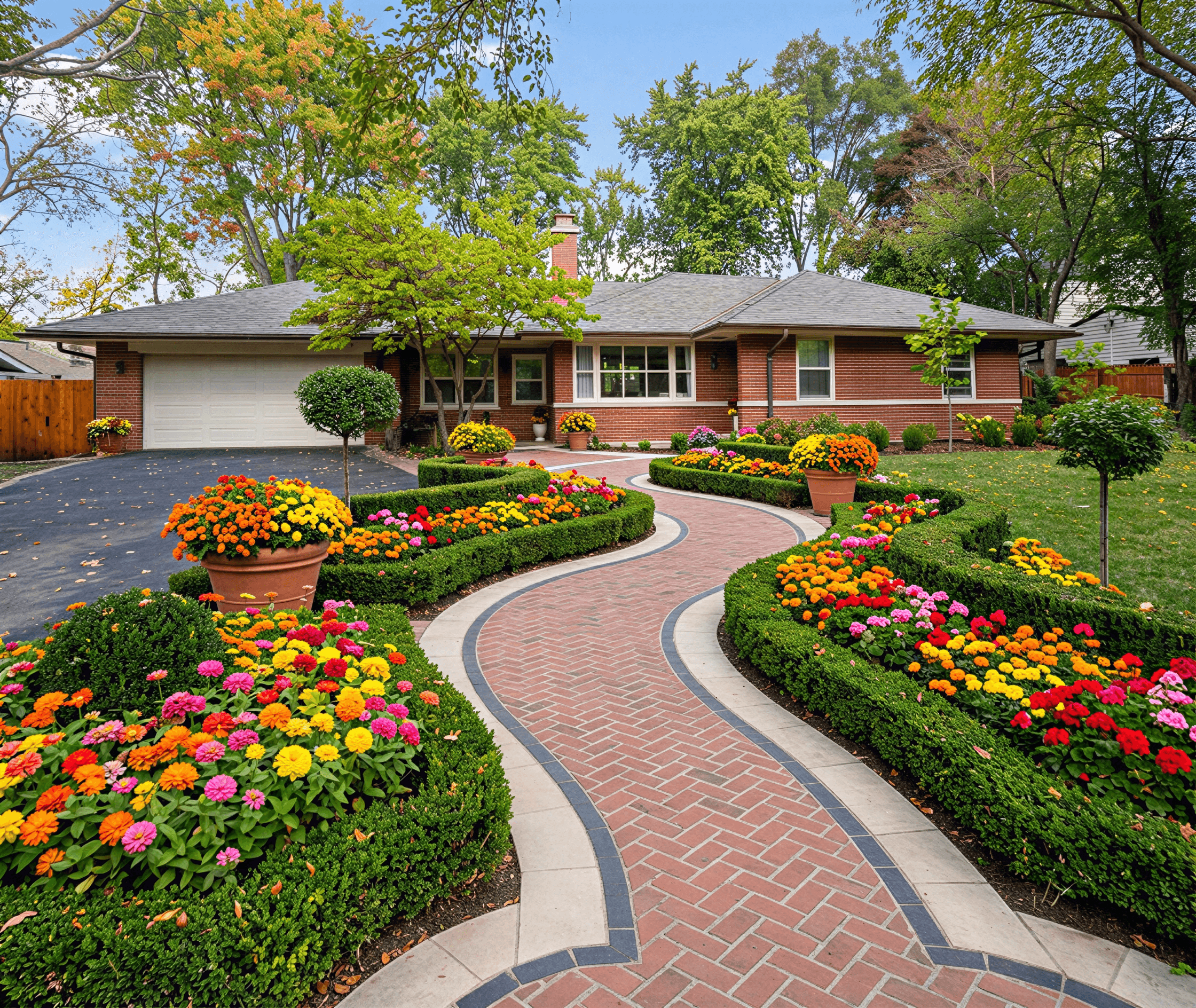
This landscaping design idea for backyards channels the romantic, informal charm of English and European countryside cottages. It embraces a philosophy of 'organized chaos,' where abundant, layered plantings create a sense of lushness and intimacy. Cottage gardens are a celebration of color, fragrance, and texture, prioritizing a personal, lived-in feel over rigid structure and formal rules.
This style is perfect for homeowners who love gardening and want to create a biodiverse, pollinator-friendly haven. It's adaptable to both large and small spaces, transforming any backyard into a whimsical and enchanting retreat. Unlike minimalist designs, the cottage garden is full to the brim, with flowers and foliage spilling over pathways and climbing up walls.
Key Elements & Implementation
To cultivate this charming aesthetic, focus on variety, density, and creating a sense of discovery within the garden.
- Plant Palette: The heart of the cottage garden is a mix of flowering perennials, annuals, herbs, and even vegetables. Plant in dense drifts and clusters rather than single specimens. Classic choices include English roses, delphiniums, foxgloves, lavender, peonies, and hollyhocks. Use Curb Appeal AI's Cottage style to experiment with abundant planting schemes before you dig.
- Pathways & Layout: Create soft, curving pathways with natural materials like flagstone, brick, or gravel. These paths should meander through the garden, inviting exploration and revealing hidden nooks and seating areas.
- Vertical Elements: Add height and dimension with arbors, trellises, or pergolas draped in climbing roses, clematis, or fragrant honeysuckle. This draws the eye upward and makes the garden feel more immersive.
- Layering: Arrange plants by height to create a full, tiered effect. Place tall plants like delphiniums in the back, medium-sized ones like peonies in the middle, and low-growing groundcovers and edging plants like lady's mantle in the front.
Expert Tip: Don't be afraid to mix ornamental and edible plants. Integrating herbs like rosemary and thyme or vegetables like artichokes and rainbow chard among your flowers is a traditional cottage garden practice that adds both beauty and function.
6. Tropical & Lush Garden Design
This exuberant design transforms your backyard into a vacation-like oasis, drawing inspiration from lush, humid climates. Tropical landscaping is characterized by bold foliage, vibrant flowers, and layered canopies that create an immersive, resort-style outdoor retreat. It's a sensory-rich approach, prized for its year-round color and the feeling of a private, secluded paradise.
This style is a fantastic landscaping design idea for backyards in warmer, more humid regions (USDA zones 9-11), such as Florida or Southern California. However, gardeners in cooler climates can achieve a similar effect by using cold-hardy tropical-style plants and treating more sensitive species as container annuals. The goal is to create dense, layered plantings that feel wild yet intentional.
Key Elements & Implementation
To cultivate this vibrant, escape-worthy atmosphere, you'll need to focus on texture, layers, and color.
- Plant Palette: Go for bold, dramatic foliage. Think elephant ears (Alocasia, Colocasia), giant bird of paradise (Strelitzia nicolai), crotons, and various palms. Add bursts of color with flowers like hibiscus, canna lilies, and bromeliads.
- Layered Canopies: Create depth by planting in layers. Use tall palms or banana trees for the upper canopy, mid-sized shrubs like philodendrons or ginger for the middle layer, and low-growing ferns, caladiums, and groundcovers at the base.
- Winding Pathways: Avoid straight lines. Design meandering pathways using natural stone or wood planks. This encourages exploration and makes the garden feel larger and more mysterious as new views are revealed around each bend.
- Water Features: A small pond, fountain, or simple bubbler adds to the tropical ambiance by providing soothing sounds and increasing humidity, which many of these plants love.
Expert Tip: Plant in dense, overlapping groups rather than isolated specimens. Group plants with similar water and light needs together. This creates a more naturalistic, jungle-like effect and helps the plants create a humid microclimate that supports their collective growth.
7. Contemporary Entertainment Garden (Outdoor Living)
This functional landscaping design idea for backyards transforms your outdoor area into a true extension of your home. It prioritizes creating "outdoor rooms" dedicated to socializing, dining, and relaxation. The focus is on seamlessly integrating hardscaping, strategic plantings, and amenities like kitchens and fire features to build a versatile space for entertaining guests or enjoying family time.
This approach is perfect for homeowners who love to host and want to maximize their property's usable square footage and value. It’s common in properties from sunny California coasts to suburban homes, where the backyard becomes the primary hub for activity. Get inspired by various outdoor living projects that extend your home's functionality.
Key Elements & Implementation
To build your own entertainment garden, focus on zoning and high-quality, durable materials that define different activity centers.
- Create Clear Zones: Use distinct materials to define specific areas. For example, use elegant stone pavers for a dining patio, composite decking for a comfortable lounge space, and a concrete pad for the outdoor kitchen. This visually separates the "rooms."
- Invest in Hardscaping: Select premium materials that age gracefully, such as travertine pavers or durable composite decking. These form the foundation of your outdoor rooms and endure heavy foot traffic.
- Integrate Key Features: A fire pit or outdoor fireplace often serves as the central gathering point. A built-in outdoor kitchen with a grill, sink, and counter space is another essential element for serious entertainers.
- Strategic Planting & Lighting: Use tall grasses or evergreen hedges to create privacy screens and soften the edges of hardscaped areas. Incorporate ambient lighting, such as uplighting on trees, string lights over a dining area, and pathway lights, to set the mood and ensure safety after dark. You can discover more layout strategies in our guide to backyard entertainment area ideas.
Expert Tip: Plan your utility infrastructure before any hardscaping is installed. Running electrical lines for outlets and lighting, gas lines for grills and fire pits, and water lines for sinks is significantly easier and cheaper to do before patios and decks are built.
8. Seasonal & Succession Planting Design
This planting strategy focuses on creating a backyard that offers visual interest all year round, not just during a single peak season. It involves layering plants with staggered bloom times, foliage color, and structural forms. A successful succession planting design means your garden is a dynamic, ever-changing canvas, showcasing a sequence of beauty from the first bulbs of spring to the stark elegance of winter.
This approach is one of the most rewarding landscaping design ideas for a backyard, as it turns the garden into a living, breathing space that always has something new to offer. It requires thoughtful planning and a good understanding of plant life cycles but results in a landscape with constant vitality, avoiding the "all-or-nothing" boom and bust of single-season gardens.
Key Elements & Implementation
To build a garden with year-round appeal, you need to think in layers and across time. Create a simple planting calendar to map out what will be of interest each month.
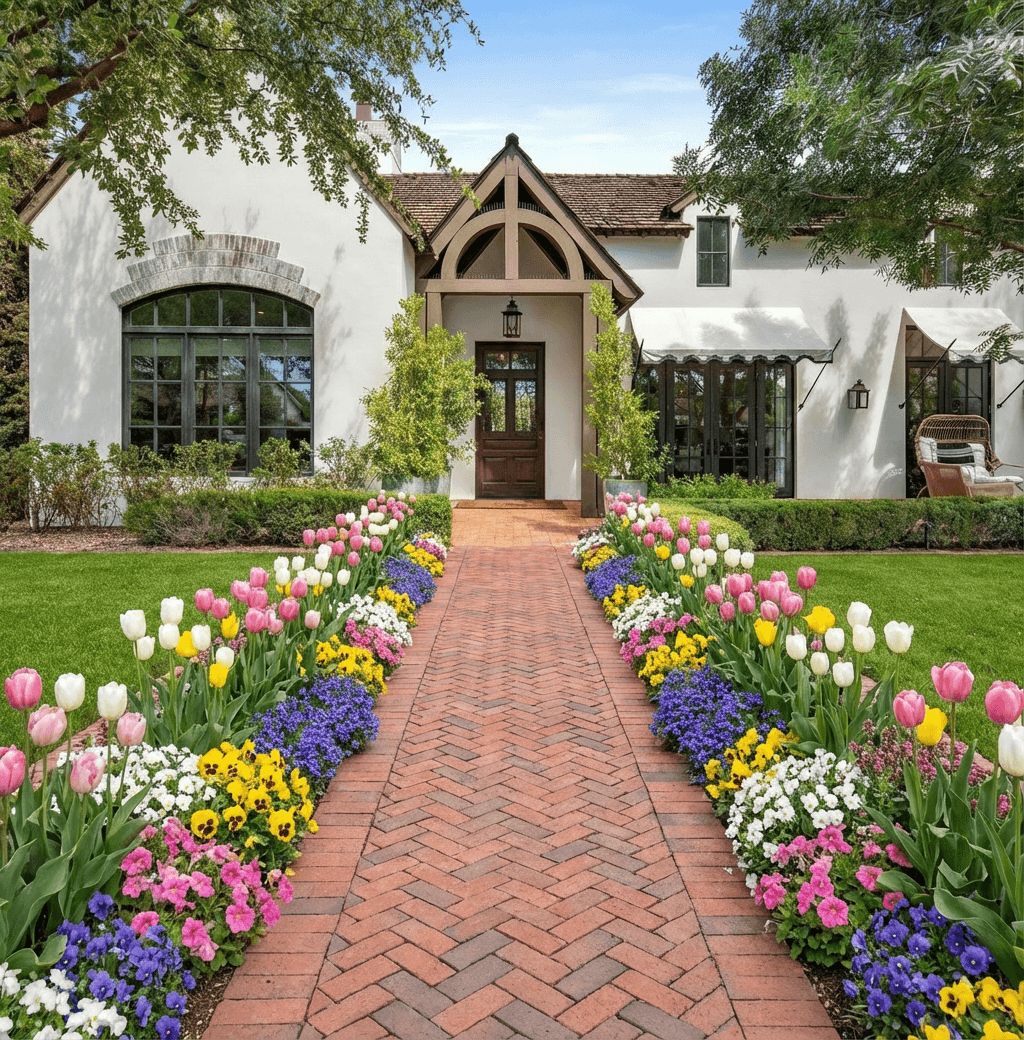
- Layering by Season: Plan your garden beds by layering different plant types. Start with early spring bulbs (daffodils, tulips), followed by mid-season perennials (peonies, coneflowers), then late-blooming stars (asters, sedum), and finally plants that provide winter structure.
- Evergreen Backbone: A crucial first step is to establish a strong "backbone" of evergreen shrubs and trees. Plants like boxwood, arborvitae, or rhododendrons provide essential structure and color during the winter when perennials are dormant.
- Multi-Season Interest: Prioritize plants that offer more than one season of beauty. For example, a Japanese maple provides delicate spring leaves, lush summer canopy, and brilliant fall color. Ornamental grasses offer movement in summer, beautiful seed heads in fall, and structural interest in winter.
- Beyond Blooms: Think past flowers. Incorporate plants with interesting bark (like a river birch), colorful berries (like winterberry), or persistent seed heads (like echinacea) that catch the frost and feed birds in the colder months.
Expert Tip: When planning your succession garden, don't just think about color. Consider texture, form, and height. The contrast between a fine-textured grass, a bold-leafed hosta, and a spiky iris creates a much more compelling composition that remains interesting even when plants aren't in bloom.
9. Sustainable & Edible Landscape Design
This integrated approach transforms your backyard into a space that is both beautiful and bountiful. Edible landscaping, or "foodscaping," artfully blends ornamental plants with fruits, vegetables, and herbs, creating a design that nourishes both people and local wildlife. It’s one of the most rewarding landscaping design ideas for a backyard, emphasizing self-sufficiency and sustainability through principles drawn from permaculture and French potager gardens.
This style is perfect for homeowners who want to reduce their food miles, connect with their food source, and create a productive ecosystem. It moves beyond traditional vegetable plots hidden in a corner, integrating edibles directly into the primary aesthetic of the landscape. Imagine espaliered apple trees forming a living fence, or borders of colorful Swiss chard and fragrant rosemary instead of purely decorative shrubs.

Key Elements & Implementation
To create a functional and attractive edible landscape, focus on strategic plant choices and a layout that supports easy maintenance and harvesting.
- Plant Palette: Choose edibles with strong visual appeal. Artichokes offer dramatic, spiky foliage; blueberry bushes provide brilliant fall color; and climbing peas on a trellis add vertical interest. Integrate these with pollinator-attracting flowers like borage and calendula to support fruit production.
- Structured Beds: Use raised beds or clearly defined garden borders to keep the design organized and accessible. This makes weeding, watering, and harvesting much easier and prevents the garden from looking messy.
- Layered Planting: Apply permaculture principles by creating layers. Plant tall fruit trees as the canopy, followed by mid-level shrubs like currants, lower-level vegetable beds, and a groundcover of strawberries or creeping thyme. This maximizes your growing space.
- Sustainable Systems: Incorporate features like a compost bin to recycle kitchen and yard waste into nutrient-rich soil. A rain barrel or a small swale for rainwater harvesting can reduce your reliance on municipal water and create a more resilient garden.
Expert Tip: To keep your edible garden productive all season, practice succession planting. As one crop is harvested (like early spring lettuce), have seedlings ready to plant in its place (like summer bush beans). This ensures you have a continuous harvest and no bare spots in your design.
10. Low-Maintenance Border & Specimen Planting
For busy homeowners seeking a polished, curated look without the constant upkeep, this practical approach is one of the most effective landscaping design ideas for a backyard. It centers on simplifying maintenance by using carefully selected specimen plants, clean borders, and strategic material choices. The goal is to create maximum visual impact with minimum ongoing labor.
This design philosophy is perfect for contemporary homes, townhouse gardens, and anyone who wants a "less is more" garden that still looks professionally designed. By reducing the number of plants and focusing on their individual form and texture, you create a sophisticated space that is both beautiful and manageable. It's a smart, sustainable way to design an outdoor area.
Key Elements & Implementation
Achieving this refined, low-effort look requires thoughtful planning and investment in quality materials from the start.
- Hardscape Edging: Invest in durable, high-quality edging to create crisp, permanent lines between garden beds and your lawn or patio. Materials like steel, stone, or high-grade composite prevent grass from creeping into beds and reduce trimming chores.
- Plant Palette: Limit your selection to a few high-impact specimen plants that serve as focal points. Think ornamental grasses, evergreens with interesting shapes, or shrubs that offer year-round interest through foliage, flowers, or berries. Space plants correctly at planting time to avoid future overcrowding and disease issues.
- Mulch Application: Apply a generous 3-to-4-inch layer of organic mulch, such as shredded bark or wood chips, across all garden beds. This is critical for suppressing weeds, retaining soil moisture, and regulating soil temperature. Refresh it annually to maintain its effectiveness.
- Strategic Placement: Use a consistent plant palette across the property for a cohesive feel. Group plants with similar water and light needs together to simplify care. Drastically reducing lawn area in favor of well-defined, mulched beds is a core tenet of this approach.
Expert Tip: To guarantee a low-maintenance result, choose native or regionally adapted plants. These species are naturally suited to your local climate, soil, and rainfall patterns, meaning they will require significantly less water, fertilizer, and pest control to thrive.
10 Backyard Landscaping Designs Compared
| Design Style | Implementation Complexity 🔄 | Resource & Maintenance ⚡ | Expected Outcomes 📊 | Ideal Use Cases 💡 | Key Advantages ⭐ |
|---|---|---|---|---|---|
| Modern Minimalist & Japanese Zen Garden Design | High 🔄 Precise composition; skilled installation required | Low–Medium ⚡ Low plant upkeep; specialty materials and gravel maintenance | Calm, sculptural, meditative spaces with strong modern aesthetic 📊 | Urban small yards, modern architecture, low‑maintenance seekers 💡 | Timeless minimalist statement; privacy; low ongoing upkeep ⭐ |
| Mediterranean Landscape Design | Medium 🔄 Requires terracing, drainage and coordinated hardscaping | Low ⚡ Water‑efficient once established; higher initial hardscape cost | Warm, vacation‑like atmosphere with fragrant, drought‑tolerant plantings 📊 | Warm/dry climates (USDA 8–11); luxury staging; coastal properties 💡 | High sensory appeal; drought resilience; classic look ⭐ |
| Native Plant & Pollinator Gardens | Medium 🔄 Needs regional species knowledge and ecological planning | Low ⚡ Reduced watering and chemical inputs after establishment | High ecological benefit; supports pollinators and local biodiversity 📊 | Environmentally conscious homeowners, educational sites, suburban/rural lots 💡 | Exceptional sustainability; habitat support; low long‑term care ⭐ |
| Contemporary Desert / Xeriscaping | Medium 🔄 Strategic hydrozoning and hardscape placement | Very Low ⚡ Uses up to ~75% less water; minimal mowing | Striking, sculptural low‑water landscapes with durable appeal 📊 | Arid/semi‑arid regions, water‑restricted properties, Southwest/West Coast 💡 | Strong water savings; low maintenance; dramatic forms ⭐ |
| Cottage Garden Design | Medium 🔄 Layered, informal plantings but forgiving layout | High ⚡ Regular pruning, deadheading and seasonal care | Romantic, abundant gardens with year‑round interest and fragrance 📊 | Cottage/farmhouse/traditional homes; gardening enthusiasts 💡 | High plant diversity and sensory charm; DIY‑friendly ⭐ |
| Tropical & Lush Garden Design | High 🔄 Complex layering, microclimate and pest management | High ⚡ High water, pruning and maintenance demands | Immersive, resort‑style landscapes with year‑round color and texture 📊 | Warm, humid climates (USDA 9–11); resorts and luxury homes 💡 | High sensory richness and privacy; dramatic visuals ⭐ |
| Contemporary Entertainment Garden (Outdoor Living) | High 🔄 Significant hardscaping, utilities and coordination | Medium–High ⚡ High installation cost; ongoing feature maintenance | Expanded outdoor living and entertaining; can raise property value 5–15% 📊 | Entertainers, luxury properties, real estate staging and investors 💡 | Functional outdoor rooms; strong market appeal; versatile use ⭐ |
| Seasonal & Succession Planting Design | High 🔄 Detailed scheduling and plant phenology expertise | Medium ⚡ Ongoing planting strategy; higher initial plant investment | Continuous seasonal interest and photography‑ready landscapes 📊 | Engaged gardeners, staging/photography‑focused properties 💡 | Year‑round visual interest; sophisticated design depth ⭐ |
| Sustainable & Edible Landscape Design | High 🔄 Integrates productive systems (permaculture, compost, rainwater) | Medium–High ⚡ Ongoing harvesting, soil management and pest control | Produces food while delivering ornamental value and sustainability benefits 📊 | Food‑conscious homeowners, educational gardens, suburban/rural lots 💡 | Food production, cost savings, educational and ecological value ⭐ |
| Low‑Maintenance Border & Specimen Planting | Low 🔄 Simple layouts; strategic specimen selection | Very Low ⚡ Minimal care (≈2–4 hrs/month); mulch renewal | Curated, tidy aesthetic with broad curb appeal and low upkeep 📊 | Busy professionals, seniors, rental and vacation properties 💡 | Low upkeep, cost‑effective long term, cohesive curated look ⭐ |
From Inspiration to Implementation: Visualize Your Perfect Backyard Today
We've journeyed through a diverse collection of landscaping design ideas for your backyard, from the clean lines of a Modern Zen garden to the abundant chaos of a classic Cottage-style retreat. Each concept offers a unique way to transform your outdoor space into a personal sanctuary, an entertainment hub, or a sustainable ecosystem. The goal was to move beyond simple inspiration and provide a blueprint for action, detailing the specific materials, plant choices, and design principles that bring these ideas to life.
You now understand that a successful design is about more than just aesthetics. It’s a thoughtful combination of function, personal taste, and environmental awareness. A Contemporary Desert landscape isn't just about rocks and succulents; it's a smart, water-wise solution for arid climates. Similarly, an Edible Landscape does more than look good; it puts fresh, organic food on your table, connecting you directly to your environment. The most important takeaway is that your backyard holds immense potential, and the perfect design is one that aligns with your lifestyle, your home's architecture, and your local climate.
Bridging the Gap Between Vision and Reality
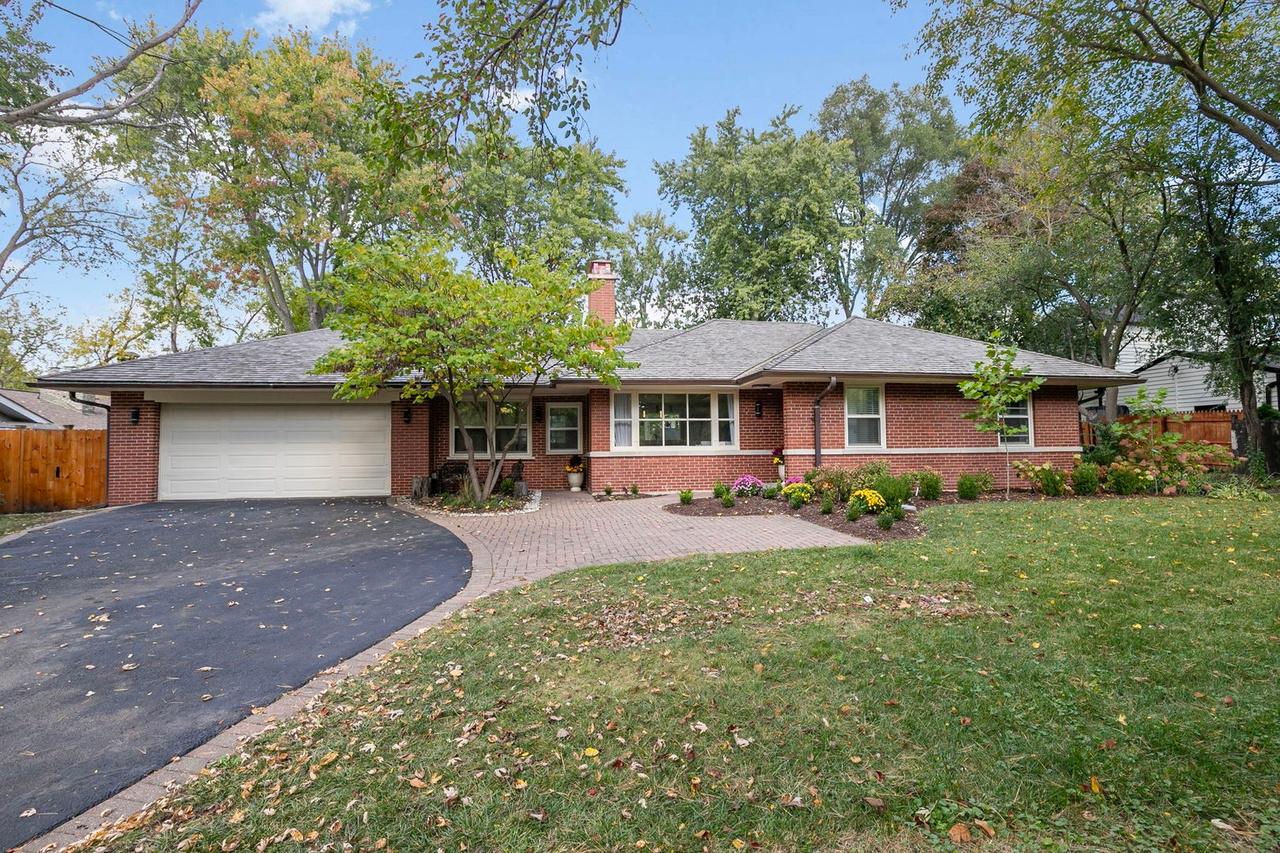
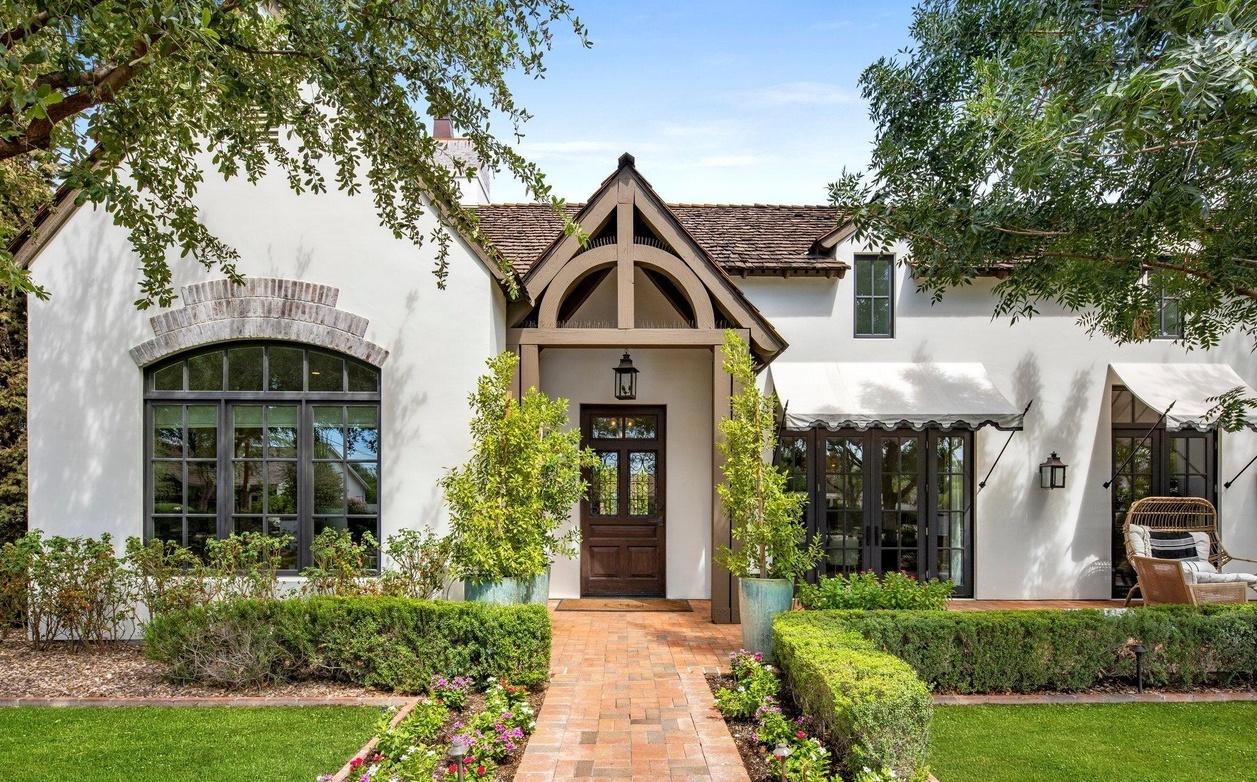
Reading about these landscaping design ideas for the backyard is the first exciting step. The real challenge, however, often lies in visualizing how these concepts will actually look on your property. How will the soft textures of a Native Plant garden contrast with your brick siding? Will the bold geometry of a Modern design feel welcoming or cold? This uncertainty can lead to hesitation, costly design revisions, or worse, a finished project that doesn't meet your expectations.
This is precisely where the process can be simplified. Instead of relying solely on imagination or generic sketches, you can now see a photorealistic preview of your future backyard. The key is to remove the guesswork.
Here are the actionable next steps to turn your chosen idea into a tangible plan:
- Assess Your Site: Before committing to a style, take a clear photo of your backyard. Note the sun exposure, soil conditions, and existing features you want to keep or remove. This is your blank canvas.
- Define Your "Why": Revisit the core purpose of your project. Are you creating a play area for kids, a quiet spot for morning coffee, or a grand space for hosting parties? Your primary goal will guide every decision.
- Test Drive Your Designs: This is the most crucial step. Use a visualization tool to apply different styles directly to your photo. Compare a lush Tropical oasis against a structured Mediterranean patio. This process provides immediate clarity and confidence.
- Create a Phased Plan: A complete backyard overhaul can be a significant investment. Break your project into manageable phases. Perhaps you start with the hardscaping this year (patios and walkways) and tackle the planting beds next spring.
Mastering this approach of visualizing before building is invaluable. It saves you money by preventing poor plant and material choices. It saves you time by avoiding second-guessing and rework. Most importantly, it empowers you to take control of the design process, ensuring the final result is a space you and your family will cherish for years to come. Your backyard is not just land; it's an extension of your home and your life.
Don't just dream about the possibilities; see them. Upload a photo of your backyard to Curb Appeal AI and instantly generate stunning, realistic designs in any style. Our platform helps you visualize your perfect backyard with climate-appropriate plant and material suggestions, turning your inspiration into an actionable plan. Try Curb Appeal AI for free and take the first real step toward your dream outdoor space today.