8 Inspiring Island Landscape Ideas to Transform Your Yard in 2026
Dreaming of a backyard that feels like a permanent vacation? The allure of an island escape, with its lush foliage, serene atmosphere, and unique character, is a powerful inspiration for any homeowner looking to elevate their outdoor space. But 'island style' isn't a single look; it's a diverse collection of aesthetics, from the dense, vibrant jungles of Bali to the sun-drenched, herb-scented hills of the Mediterranean. The key is finding the perfect island landscape ideas that match your home's climate, architecture, and personal taste, transforming your property into a true retreat.
This comprehensive guide moves beyond generic advice to explore eight distinct island-inspired designs, providing a clear blueprint for creating your personal paradise. We will dive deep into specific, actionable strategies for each concept, covering everything from plant palettes and hardscape materials to layout configurations tailored for different USDA hardiness zones. Whether you envision a Tropical Caribbean Plantation or a Modern Minimalist Island, you'll find practical steps for bringing it to life.
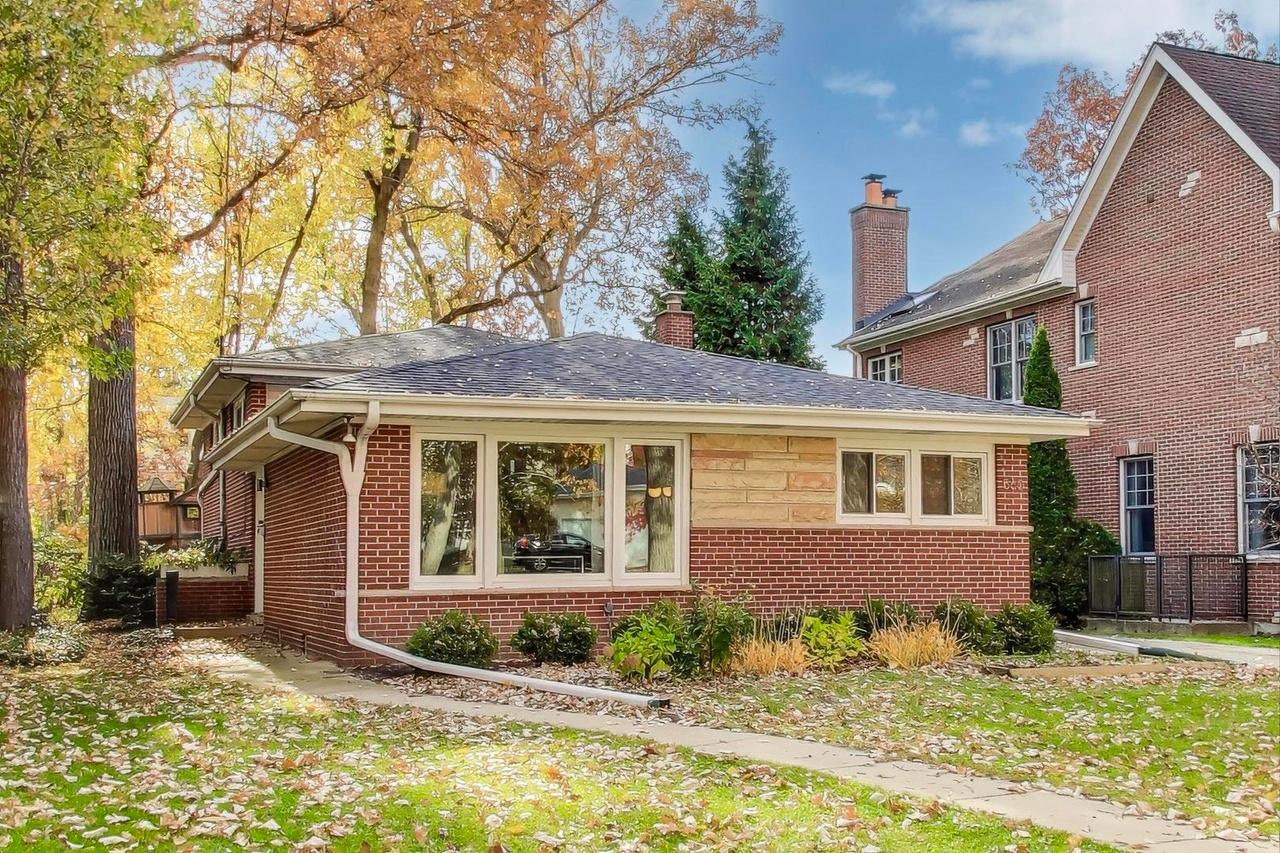
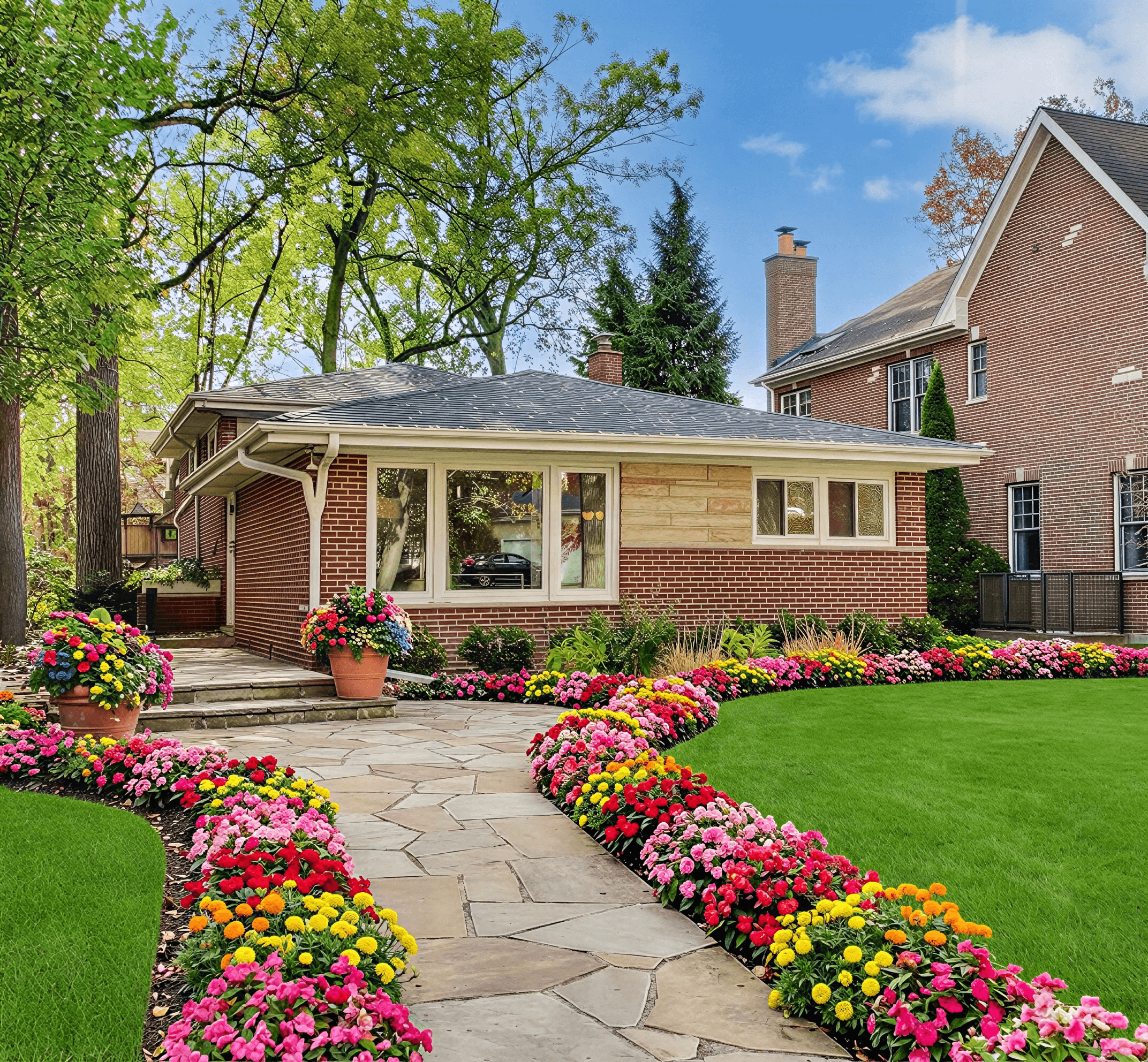
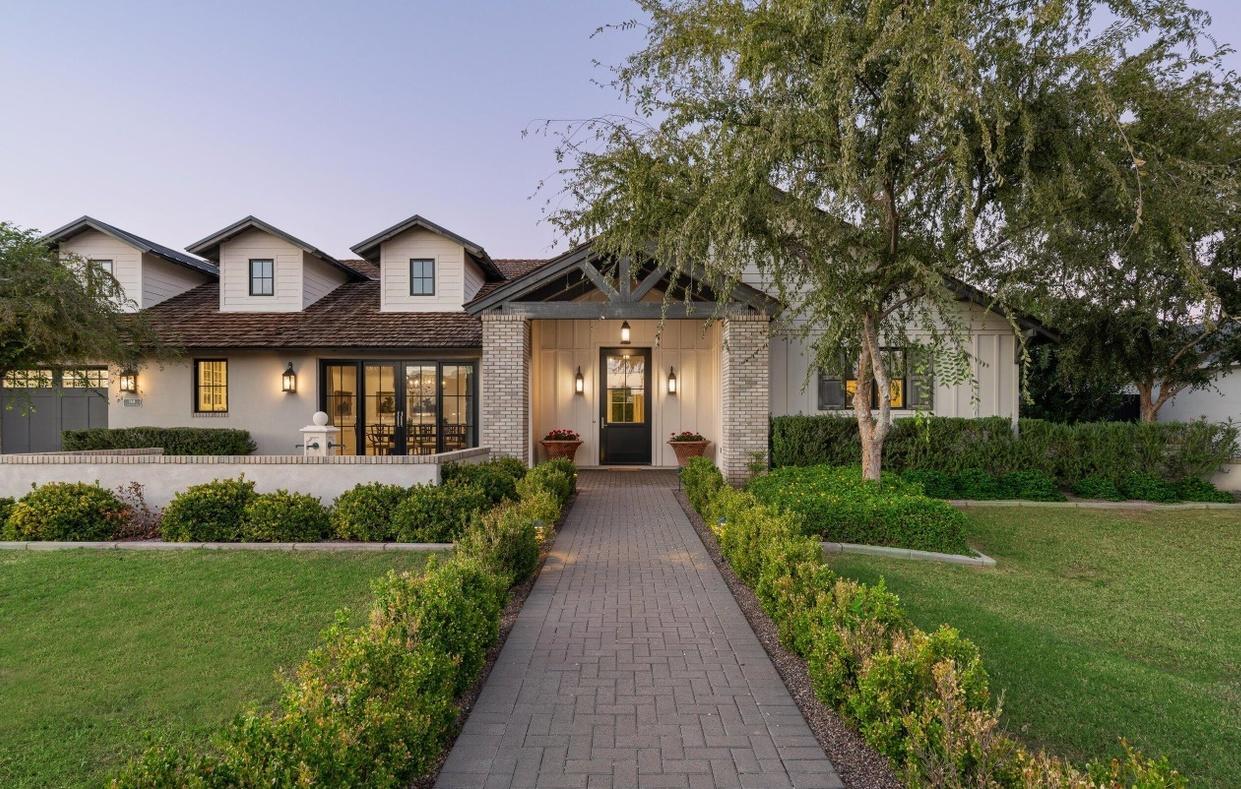
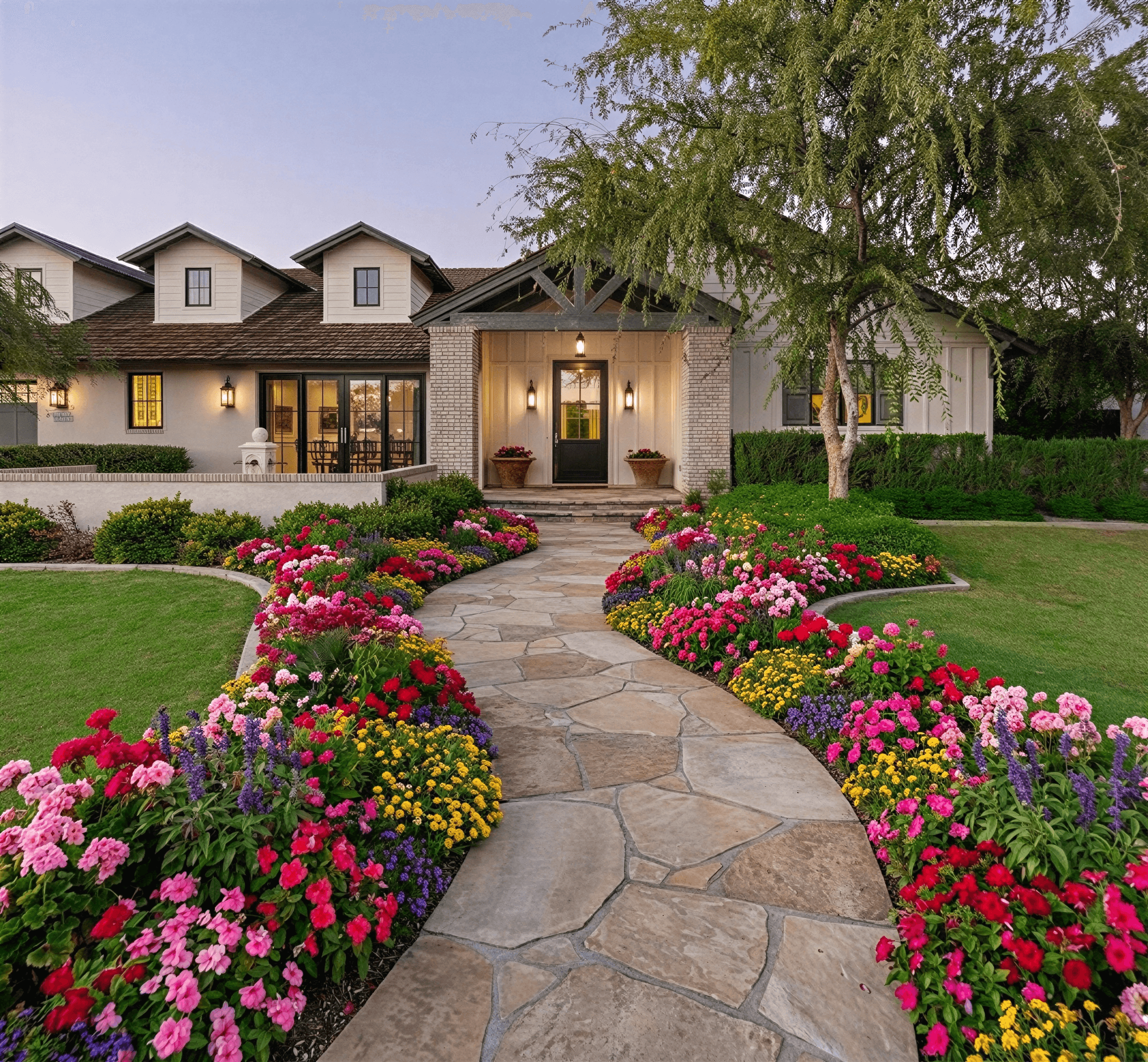
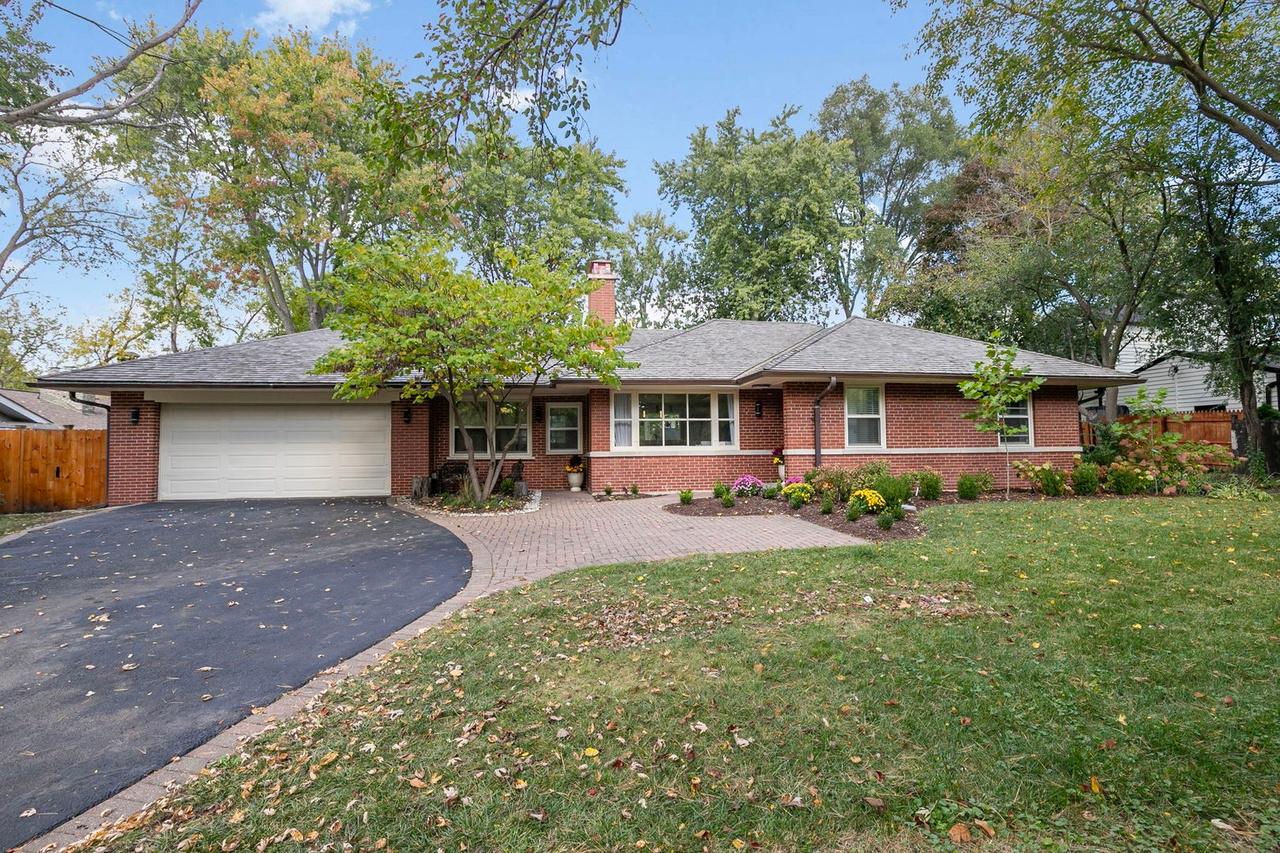
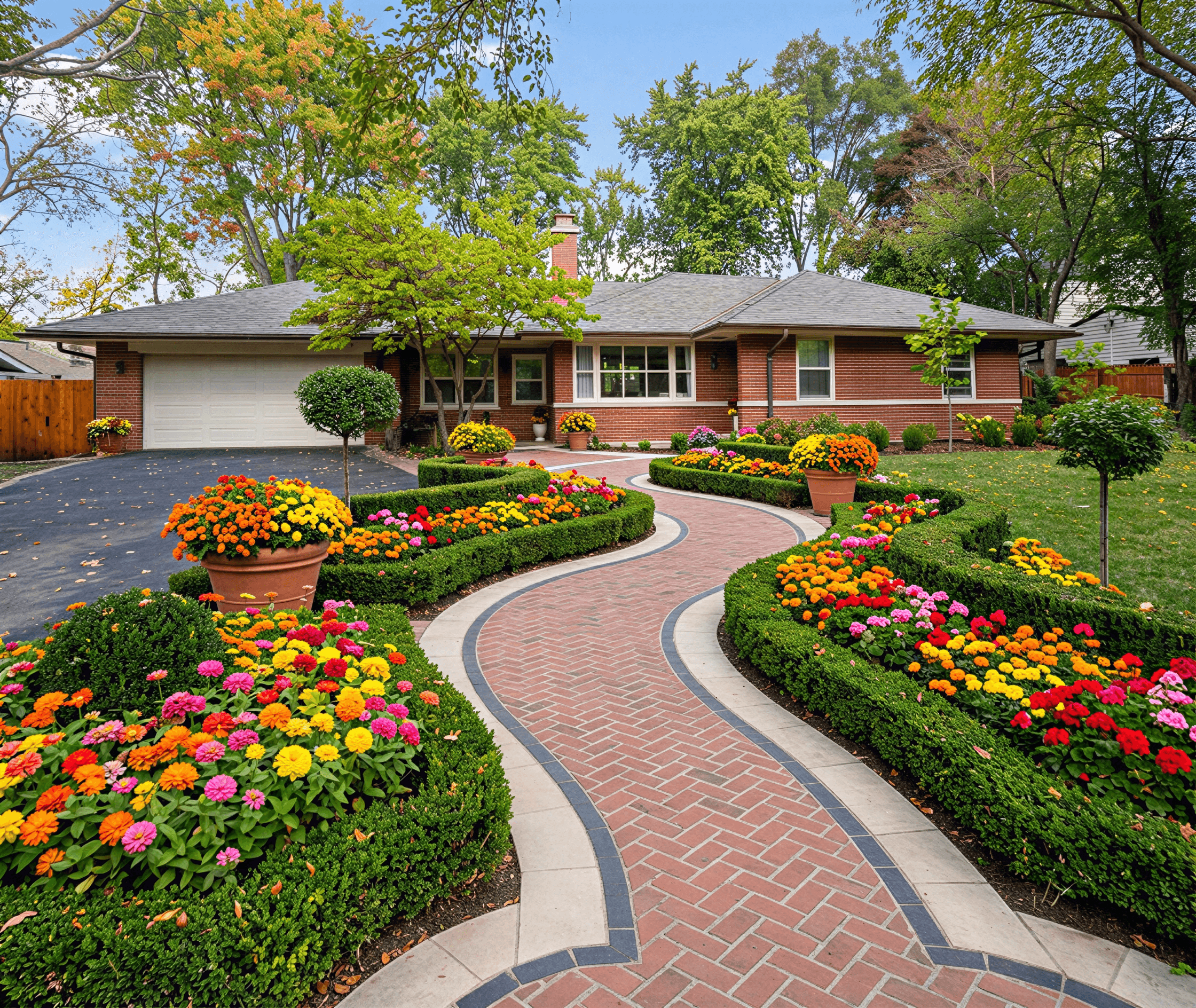
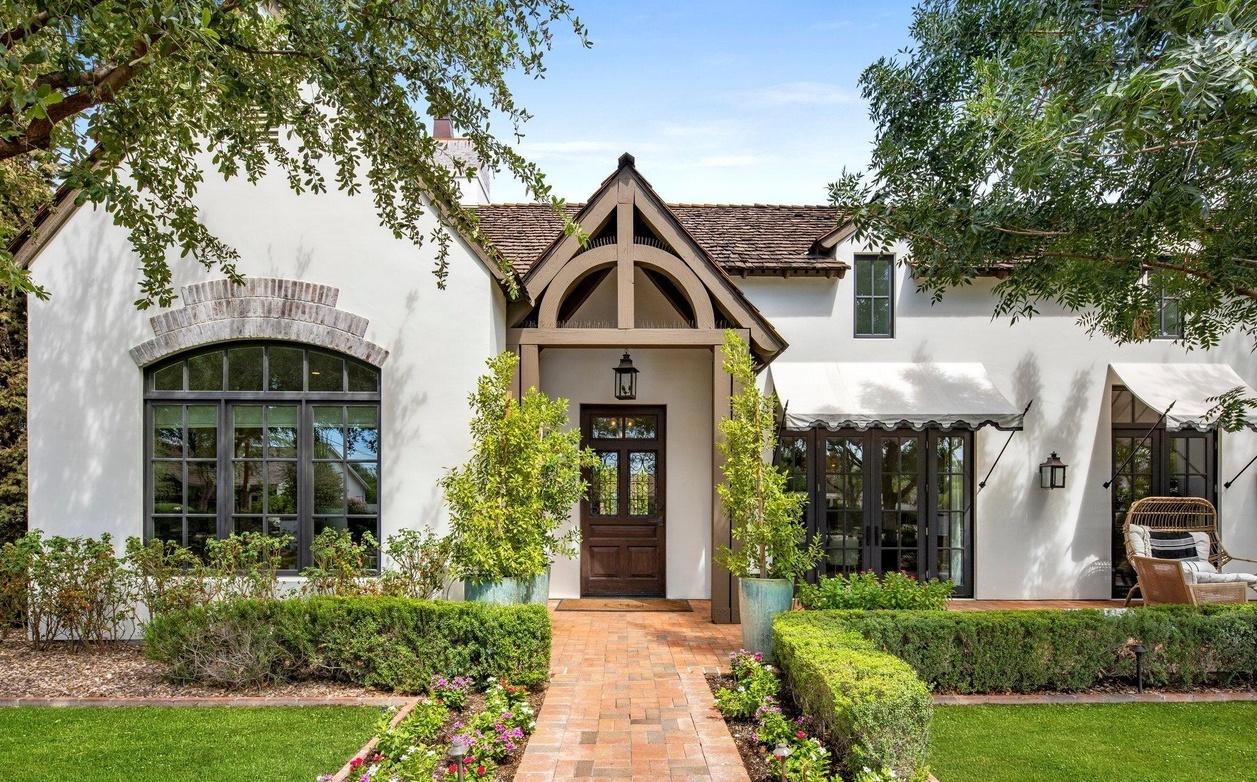
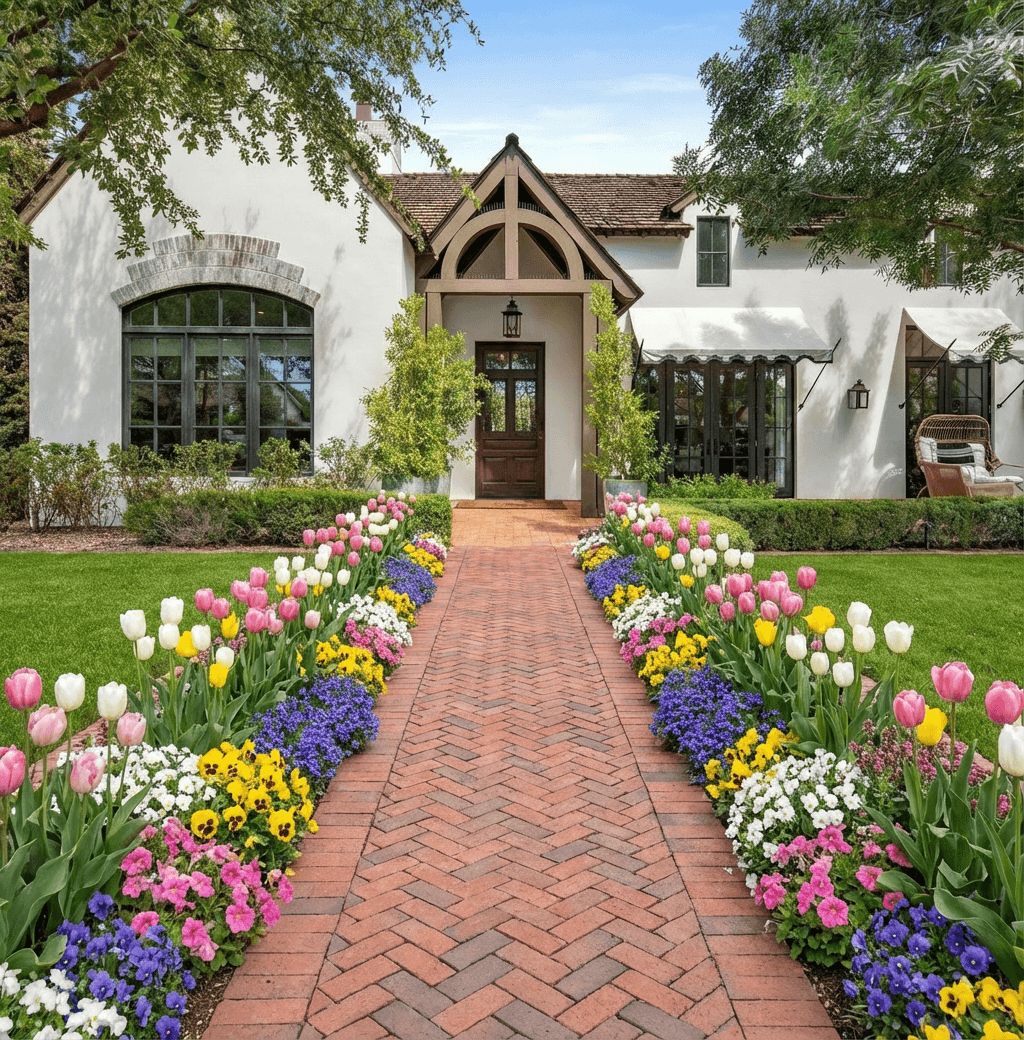
Furthermore, we will demonstrate how to bridge the gap between inspiration and implementation. You will learn how to use advanced visualization tools, like Curb Appeal AI, to see these concepts applied directly to your own property before committing to a single plant or paver. This process eliminates guesswork and costly mistakes, ensuring you can confidently design an island retreat that's not only visually stunning but perfectly suited to thrive right outside your door. Let's begin creating an oasis that redefines your home's curb appeal.
1. Tropical Island Paradise
The Tropical Island Paradise style aims to transform your front yard into a lush, verdant escape reminiscent of a high-end island resort. This approach is characterized by dense, layered plantings, bold foliage, vibrant flowers, and often, the soothing presence of a water feature. It’s one of the most impactful island landscape ideas for homeowners in warmer climates (USDA Hardiness Zones 9-11) who want to create an immediate sense of luxury and escape right at their doorstep.
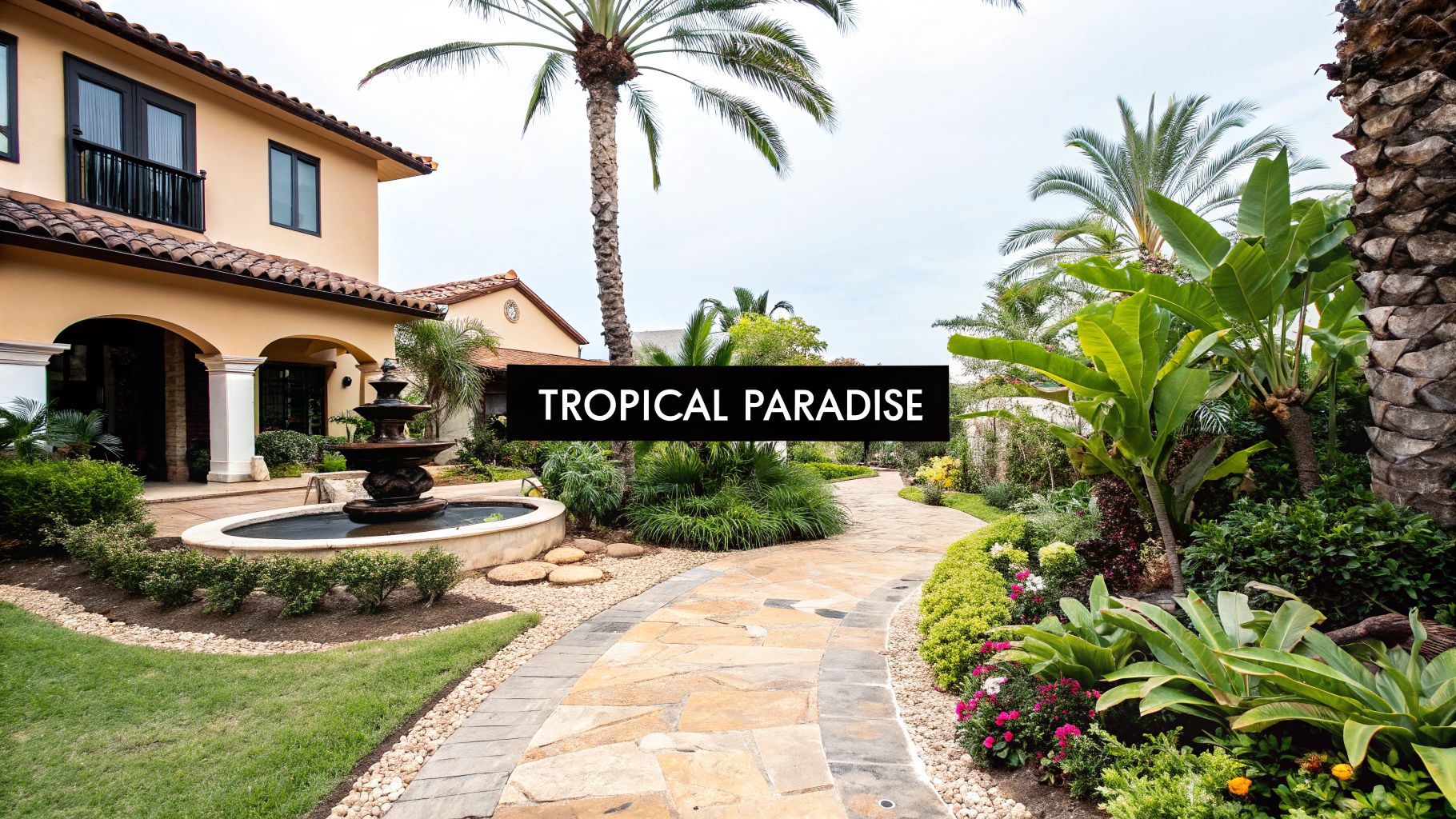
The core principle is creating a multi-sensory experience through rich textures, dramatic leaf shapes, and a palette of deep greens punctuated by exotic bursts of color. This style is not just about planting a few palm trees; it's about creating an immersive environment that feels both wild and meticulously curated.
Key Plants & Materials
- Canopy Layer: Queen Palm (Syagrus romanzoffiana), Foxtail Palm (Wodyetia bifurcata), and Banana Trees (Musa spp.).
- Mid-Layer: Bird of Paradise (Strelitzia nicolai), Elephant Ear (Colocasia), and Hibiscus (Hibiscus rosa-sinensis) for vibrant blooms.
- Groundcover & Fillers: Bromeliads, Ferns, and lush groundcovers like Mondo Grass (Ophiopogon japonicus).
- Hardscape: Natural flagstone for pathways, dark river rock or lava rock as mulch, and bamboo accents for privacy screens or decorative elements.
Design & Implementation Tips
To achieve an authentic tropical look, focus on creating layers. Start with taller palms or trees at the back of your garden beds, then add medium-sized shrubs and foliage plants in front of them, finishing with low-growing groundcovers along the edges. This technique adds visual depth and makes the landscape feel more established.
Pro Tip: Incorporate a small bubbling rock or stone fountain near your entryway. The sound of moving water is a hallmark of tropical resort design and instantly elevates the ambiance.
Consider how the plants will mature. Many tropical species grow quickly, so proper spacing is crucial to avoid an overgrown, messy look in just a few years. For properties with a pool, this style is a natural fit. You can find more ideas for creating a cohesive resort-like feel by exploring our guide to pool landscaping concepts. Before you begin, use a tool like Curb Appeal AI to visualize different plant combinations and hardscape materials, ensuring your tropical paradise looks perfect from day one.
2. Mediterranean Coastal Island Style
Evoking the sun-drenched hillsides of islands in Greece and Italy, the Mediterranean Coastal Island style blends rustic elegance with rugged, drought-tolerant beauty. This approach is defined by its use of natural stone, gravel pathways, silvery-green foliage, and fragrant herbs. It's an ideal choice for island landscape ideas in drier, sunnier climates (USDA Hardiness Zones 8-10), offering a sophisticated, water-wise solution that feels both timeless and grounded.
The essence of this style is to create a harmonious relationship between the hardscape and softscape, where stone walls, patios, and walkways provide structure for informal, naturalistic plantings. The color palette is earthy and subdued, featuring tones of terracotta, sand, and stone, accented by pops of purple, blue, and yellow from flowering perennials. This design is less about lush density and more about texture, form, and fragrance.
Key Plants & Materials
- Architectural Plants: Olive Trees (Olea europaea), Italian Cypress (Cupressus sempervirens), and Bougainvillea for dramatic color on walls and trellises.
- Mid-Layer & Herbs: Lavender (Lavandula), Rosemary (Salvia rosmarinus), and Santolina for their silvery foliage and aromatic qualities.
- Grasses & Perennials: Westringia (Westringia fruticosa), Agapanthus (Agapanthus africanus), and ornamental grasses like Blue Fescue (Festuca glauca) for soft texture.
- Hardscape: Decomposed granite or pea gravel for pathways and seating areas, natural stone (like limestone or flagstone) for retaining walls and patios, and terracotta pots as accents.
Design & Implementation Tips
Achieve an authentic Mediterranean feel by creating distinct "rooms" or zones with low stone walls or terraced garden beds. This not only adds visual interest and elevation but also mimics the way landscapes are traditionally cultivated on hilly European islands. Group plants with similar water needs together to maximize efficiency, a practice known as hydrozoning.
Pro Tip: Invest in high-quality, large-scale stone for your hardscape elements. A well-built stone wall or a substantial flagstone patio serves as the visual anchor for the entire design and will age beautifully over time.
Before you start, use Curb Appeal AI to experiment with different gravel colors and stone textures. Visualizing how these warm-toned materials complement plants like olive trees and lavender ensures you capture the perfect European coastal aesthetic. Consider planting fragrant herbs like rosemary and lavender along walkways where their scent will be released as you brush past them.
3. Japanese Island Garden Design
Drawing from Zen principles and the tradition of Japanese island gardens (shakkei, or borrowed scenery), this minimalist approach emphasizes tranquility, balance, and the beauty of natural materials. This style creates a serene, meditative space by carefully curating plant selections, rocks, and water features. It is one of the more profound island landscape ideas, focusing on philosophical coherence and a deep connection to nature, suitable for a wide range of climates (USDA Hardiness Zones 5-9).
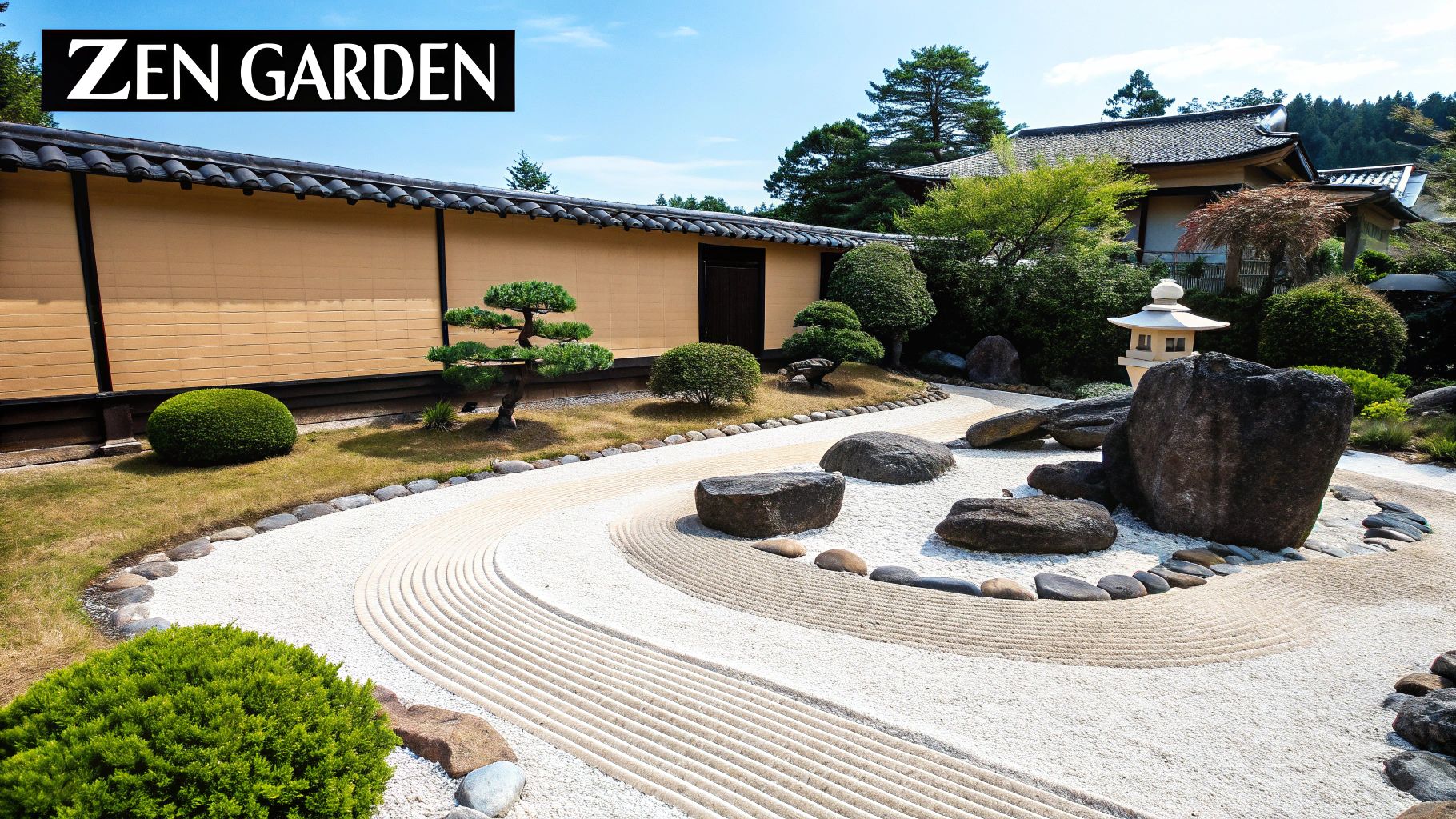
The core principle is creating a miniaturized, idealized landscape that evokes a larger natural scene, such as a mountainous island in the sea. Every element is intentional, from the placement of a single rock to the raked patterns in the gravel. This design is less about vibrant color and more about form, texture, and the interplay of light and shadow.
Key Plants & Materials
- Focal Trees: Japanese Maple (Acer palmatum), Black Pine (Pinus thunbergii), and Weeping Cherry (Prunus pendula).
- Shrubs & Accent Plants: Azaleas (Rhododendron), Japanese Holly (Ilex crenata), and Boxwoods (Buxus) for sculpted shapes.
- Groundcover & Moss: Moss is highly prized, but where it's not feasible, Mondo Grass (Ophiopogon japonicus) or Irish Moss (Sagina subulata) can be used.
- Hardscape: Large, moss-covered boulders (Ishi), raked white or grey gravel (shirakawa-suna), bamboo for fences or water features (shishi-odoshi), and simple stone lanterns (tōrō).
Design & Implementation Tips
To achieve an authentic Japanese garden feel, start with the foundational elements: stone, water, and a few key plants. Arrange stones in odd-numbered groups (three, five, or seven) to create natural-looking compositions that represent islands or mountains. The negative space, or ma, is just as important as the objects themselves, so avoid clutter.
Pro Tip: Keep the plant palette limited to just three to five core species. This restraint is a hallmark of Japanese design and enhances the garden's tranquil, uncluttered aesthetic, allowing the unique forms of each plant to stand out.
Use stepping stones (tobi-ishi) to create a deliberate path that slows the pace and encourages mindful observation of the garden. Even a small stone basin (tsukubai) or a simple bowl of water can introduce the vital element of water. Using Curb Appeal AI's minimalist or Asian garden filters can help you visualize the precise placement of rocks and plants to achieve perfect balance before you begin.
4. Coastal Beach Island Landscape
The Coastal Beach Island Landscape captures the relaxed, windswept beauty of seaside living. This style is less about dense tropical foliage and more about texture, open spaces, and resilience. It evokes the feeling of a charming Cape Cod cottage or a laid-back California beach house by using sandy palettes, salt-tolerant plants, and weathered, natural materials. It stands out among island landscape ideas for its ability to create a serene, coastal ambiance, even for homes not directly on the water.
This design philosophy embraces the natural elements of the coast: sand, stone, and resilient plants that thrive in salty air and sun. The goal is to create a landscape that feels organic and harmonious with a maritime environment, prioritizing a low-profile, informal, and soothing aesthetic over structured formality. It is particularly effective for properties in USDA Hardiness Zones 6-11, with plant choices varying by specific coastal region.
Key Plants & Materials
- Grasses: Blue Fescue (Festuca glauca), Dune Grass (Ammophila breviligulata), and Pink Muhly Grass (Muhlenbergia capillaris) for soft, windswept texture.
- Shrubs & Perennials: Rugosa Rose (Rosa rugosa), Hydrangea, Coastal Rosemary (Westringia fruticosa), and Sea Lavender (Limonium) for hardy color and form.
- Trees: Eastern Red Cedar (Juniperus virginiana) or appropriate salt-tolerant pines that can withstand coastal conditions.
- Hardscape: Crushed oyster shells or pea gravel for pathways, sand-colored mulch or actual sand beds, driftwood accents, and weathered wood for fences, raised boardwalks, or arbors.
Design & Implementation Tips
To create an authentic coastal feel, think in terms of natural drifts rather than rigid lines. Group ornamental grasses in clusters of varying sizes to mimic how they grow on dunes. Use sand, light-colored gravel, or crushed shells as a mulch replacement in key areas to instantly establish the beachy foundation of the design. This not only looks authentic but also improves drainage.
Pro Tip: Incorporate a raised wooden boardwalk-style path leading to your front door. This single element is highly evocative of a beach path and adds architectural interest while being practical.
Keep plantings relatively low to maintain open sightlines and create a windswept look. For properties exposed to strong winds, use tougher, native coastal shrubs to create a windbreak that protects more delicate plants behind them. Before starting, try using a tool like Curb Appeal AI with its "Coastal" or "Beach" style filters to experiment with different combinations of grasses, weathered wood, and groundcovers to perfect your seaside vision.
5. Desert Island Oasis Design
The Desert Island Oasis style reimagines the concept of an island, drawing inspiration from arid, sun-drenched landscapes rather than tropical shores. This approach focuses on water-wise beauty, celebrating the sculptural forms of succulents, the rugged texture of stone, and a minimalist aesthetic. It’s one of the most sustainable and striking island landscape ideas for homeowners in dry climates (USDA Hardiness Zones 8-11), particularly in regions like the American Southwest.
The core principle of this design is to create a resilient, low-maintenance environment that thrives with minimal water. It’s about crafting a landscape that is both visually dramatic and environmentally responsible, using bold shapes and contrasting textures to create a powerful statement. This style proves that an "oasis" can be defined by its striking form and smart design, not just an abundance of water.
Key Plants & Materials
- Structural Plants: Agave (Agave americana), Yucca (Yucca filamentosa), and Palo Verde Trees (Parkinsonia spp.) for filtered shade.
- Mid-Layer & Accent: Prickly Pear Cactus (Opuntia), Barrel Cactus (Ferocactus), and Desert Marigold (Baileya multiradiata) for pops of color.
- Groundcover & Fillers: Ice Plant (Delosperma), and low-growing succulents like Sedum.
- Hardscape: Large decorative boulders as focal points, decomposed granite for pathways and mulch, and corten steel for modern edging or planters.
Design & Implementation Tips
To capture the essence of a desert oasis, start with your hardscape. Place large boulders first to act as structural anchors for the entire design. Arrange plants in natural-looking clusters of varying sizes and textures, leaving ample space between them to allow for growth and to highlight their individual shapes. This "less is more" approach is central to the design's success.
Pro Tip: Use decomposed granite or pea gravel as mulch instead of wood chips. This not only provides an authentic desert look but also improves drainage and helps prevent root rot in drought-tolerant plants.
For those new to xeriscaping, it's a great idea to explore a variety of drought-tolerant landscaping ideas to see how different plant combinations and materials work together. Before purchasing materials, use a tool like Curb Appeal AI with a "Desert" or "Xeriscape" filter to visualize how boulders, succulents, and pathways will look in your specific front yard, ensuring a cohesive and professional result.
6. Balinese Island Retreat Landscape
The Balinese Island Retreat style blends lush, tropical abundance with a profound sense of Zen-like serenity. This approach transforms a property into a private sanctuary, drawing inspiration from the spiritual and verdant landscapes of Bali. It is defined by its harmonious integration of dense plantings, tranquil water features, traditional stone sculptures, and natural hardwood structures, creating an atmosphere that is both luxurious and meditative. This is one of the most sophisticated island landscape ideas for homeowners in warm, humid climates (USDA Zones 9-11) who want to craft a deeply personal and restorative outdoor space.
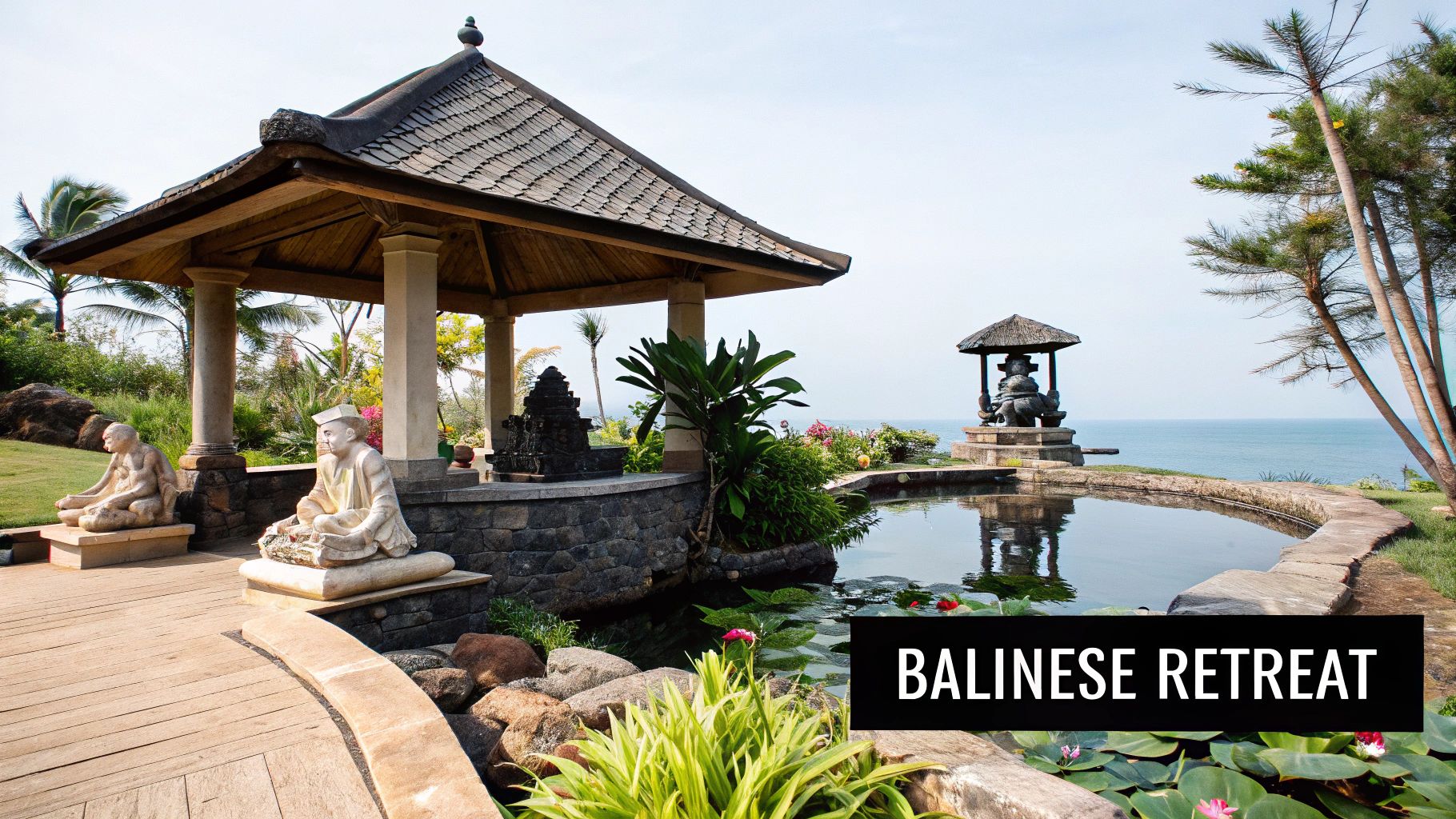
The core principle of this design is to create a seamless connection between the built environment and nature, fostering a feeling of escape and introspection. It goes beyond typical tropical landscaping by incorporating spiritual and artistic elements that invite quiet contemplation, making it a popular choice for high-end resort properties and luxury estates in areas like Southern California, Hawaii, and Florida.
Key Plants & Materials
- Canopy & Structure: Frangipani (Plumeria), Bamboo (clumping varieties like Bambusa multiplex), and Tree Ferns (Dicksonia antarctica) to create a filtered canopy.
- Lush Foliage: Giant Taro (Alocasia macrorrhizos), Heliconias, and a variety of Ginger species (Alpinia and Zingiber) for dramatic, large-leaf texture.
- Groundcover & Accents: Black Mondo Grass (Ophiopogon planiscapus 'Nigrescens') for contrast, and water-loving plants like Water Lilies and Lotus for ponds.
- Hardscape: Natural volcanic stone (basalt), dark river pebbles, teak or other tropical hardwood for decking and gazebos, and authentic carved stone statuary (like Buddha heads or temple guardians).
Design & Implementation Tips
To achieve an authentic Balinese feel, the design must feel intentional yet completely natural. Plan winding pathways made from irregular stone that encourage slow, mindful exploration rather than direct travel. Layering is crucial; use dense, multi-level plantings to create a sense of privacy and discovery around every corner. This dense foliage also helps to absorb sound, enhancing the garden's tranquility.
Pro Tip: Invest in a central, high-quality water feature, such as a still reflection pond or a stone fountain with a gentle flow. The sound and sight of water are fundamental to the Balinese aesthetic and should be the heart of your design, organizing the surrounding space.
Use an online tool to test different layouts before you commit. Visualizing how a hardwood gazebo, a serene pond, and sculptural elements fit together can help you perfect the balance between structure and nature. Ensure you plan for adequate drainage, especially around water features, to handle rainfall in tropical environments.
7. Modern Minimalist Island Landscape
The Modern Minimalist Island style reinterprets coastal living through a contemporary lens, emphasizing clean lines, geometric forms, and uncluttered space. This design approach strips the landscape down to its essential elements, creating a powerful statement with a "less is more" philosophy. It's one of the most sophisticated island landscape ideas for homeowners who appreciate modern architecture and want a landscape that is both sculptural and serene, adaptable to zones 4-11 depending on plant choice.
The core principle is intentionality. Every element, from a single specimen tree to a precisely placed concrete paver, serves a distinct purpose. This style creates a sense of calm and order by valuing negative space as much as the plants and materials themselves, turning the front yard into a living art installation.
Key Plants & Materials
- Sculptural Plants: Japanese Maple (Acer palmatum), Agave or Yucca for arid climates, and slender columnar evergreens like Italian Cypress (Cupressus sempervirens).
- Textural Fillers: Ornamental grasses such as Blue Fescue (Festuca glauca) or Black Mondo Grass (Ophiopogon planiscapus 'Nigrescens') provide movement and contrast.
- Groundcover: Smooth river stones, black lava rock, or pea gravel are used in place of traditional mulch to create clean, uniform beds.
- Hardscape: Large-format concrete or porcelain pavers, board-formed concrete walls, Cor-ten steel planters, and linear water features with sharp angles.
Design & Implementation Tips
Achieving a true minimalist look requires restraint. Instead of filling every space, select just two or three bold, sculptural plant specimens and give them room to be appreciated. The hardscape often becomes the main feature, with geometric pathways and patios defining the space. Maintain a limited color palette of grays, blacks, and whites, allowing the vibrant green of the foliage to provide a pop of natural color.
Pro Tip: Strategic use of negative space is your most powerful tool. A large, open area of meticulously raked gravel or a simple, unadorned concrete patio can have more visual impact than a densely planted garden bed.
Regular maintenance is key to preserving the clean lines that define this style. Sharp, defined edges between garden beds, lawns, and hardscape are crucial. For a deeper dive into this aesthetic, explore our comprehensive guide on modern landscaping ideas. Before finalizing your plans, use a tool like Curb Appeal AI with the "Modern" style filter to experiment with different material combinations and plant placements, ensuring a perfectly balanced and impactful result.
8. Tropical Caribbean Island Plantation Style
The Tropical Caribbean Island Plantation style marries the lush, untamed growth of the tropics with the formal structure and elegance of colonial-era estates. This design is characterized by a refined balance, featuring grand specimen trees, manicured hedges, and symmetrical planting arrangements set against graceful hardscape elements. It's an excellent choice for homeowners in warmer climates (USDA Hardiness Zones 9-11) who appreciate both tropical abundance and classical, orderly design principles.
This aesthetic evokes the historic heritage and sophistication of Caribbean estates found in places like Barbados or Jamaica. The core concept is to create a sense of established grandeur by using strong structural elements, like formal hedges and pathways, to contain and frame the vibrant, often large-scale tropical foliage. This creates a powerful contrast between controlled design and natural exuberance.
Key Plants & Materials
- Specimen Trees: Royal Palm (Roystonea regia), Banyan Tree (Ficus benghalensis), or large, mature Live Oaks (Quercus virginiana) draped in Spanish Moss.
- Structural Hedges: Boxwood (Buxus), Podocarpus (Podocarpus macrophyllus), or flowering hedges like Ixora (Ixora coccinea) kept tightly clipped.
- Accent & Color: Bougainvillea trained on walls or arbors, Crotons (Codiaeum variegatum) for vibrant foliage, and classic White Ginger Lily (Hedychium coronarium).
- Hardscape: Crushed coquina shell or white gravel for pathways, coral stone or brick for edging and patios, and formal wrought-iron gates or fencing.
Design & Implementation Tips
Achieving this style requires a focus on symmetry and structure. Use formal hedging to create parterres or define garden "rooms." Flank entryways or long walkways with identical plantings, such as a row of Royal Palms, to establish a grand sense of arrival. Allow tropical plants like ferns and large-leafed philodendrons to fill the beds, but keep their edges crisply defined by the hardscape or hedges.
Pro Tip: Incorporate period-appropriate architectural elements like a wooden gazebo, a classic colonnade, or a formal fountain as a central focal point. These structures anchor the design in its historical context and add a layer of timeless elegance.
This is one of the more maintenance-intensive island landscape ideas due to the need for regular pruning and upkeep to maintain its refined appearance. Before you begin, use Curb Appeal AI’s Formal Garden and Tropical style filters to experiment with plant arrangements and visualize how structural hedges and specimen trees will define your space. This helps ensure your vision of Caribbean elegance translates perfectly to your property.
8-Style Island Landscape Comparison
| Style | 🔄 Implementation Complexity | ⚡ Resource Requirements | ⭐ Expected Outcomes | 📊 Ideal Use Cases | 💡 Key Advantages & Tips |
|---|---|---|---|---|---|
| Tropical Island Paradise | 🔄🔄🔄 High — layered plantings, water features, frost protection needed | ⚡⚡⚡ High — exotic plants, irrigation, ongoing maintenance | ⭐⭐⭐ High-impact resort aesthetic; strong curb appeal | Coastal/warm homes (zones 9–11); luxury properties | 💡 Dramatic visual impact; choose hardy tropicals, plan irrigation early |
| Mediterranean Coastal Island Style | 🔄🔄 Moderate — stone terracing and planting layout | ⚡⚡ Moderate — quality stone, drought-tolerant plants, drip irrigation | ⭐⭐⭐ Elegant, water-efficient, timeless curb appeal | Arid/semi‑arid homes (zones 8–10); upscale low-water markets | 💡 Invest in natural stone; space plantings and use drip irrigation |
| Japanese Island Garden Design | 🔄🔄🔄 Moderate–High — precise placement, pruning, rock/water work | ⚡⚡ Moderate — quality materials, skilled pruning, seasonal upkeep | ⭐⭐⭐ Serene, distinctive minimalist aesthetic with lasting appeal | Zones 5–9; small yards, meditation spaces, design‑focused homes | 💡 Start with rock+water+limited species; budget for regular raking/pruning |
| Coastal Beach Island Landscape | 🔄🔄 Low–Moderate — native plantings and simple hardscape | ⚡⚡ Low — salt‑tolerant plants, minimal irrigation, coastal materials | ⭐⭐ Authentic beachy aesthetic; high appeal for coastal listings | Actual coastal properties (zones 6–11); vacation rentals | 💡 Use native coastal species and driftwood; create wind‑protection zones |
| Desert Island Oasis Design | 🔄🔄 Low — succulent groupings and rock anchors | ⚡ Low — drought‑tolerant plants, minimal water, low upkeep | ⭐⭐⭐ Striking, sustainable, low long‑term cost | Arid zones (9–11); water‑restricted areas, sustainable projects | 💡 Begin with large boulders; space succulents generously; use decomposed granite |
| Balinese Island Retreat Landscape | 🔄🔄🔄 High — water features, statuary, layered tropical elements | ⚡⚡⚡ Very high — statuary, water systems, specialty materials & labor | ⭐⭐⭐ Luxurious sanctuary feel with strong experiential appeal | Warm climates (zones 9–11); luxury/resort and wellness properties | 💡 Center a water feature; source authentic stone/hardwood; plan maintenance |
| Modern Minimalist Island Landscape | 🔄🔄 Moderate — precise hardscape and clean detailing | ⚡⚡ Moderate–High — premium hardscape materials, skilled installation | ⭐⭐⭐ High visual impact with minimal plant material; contemporary fit | Modern/contemporary homes (zones 4–11); urban and new‑build projects | 💡 Invest in quality hardscape; use 2–3 sculptural plants and negative space |
| Tropical Caribbean Island Plantation Style | 🔄🔄🔄 High — specimen trees, formal hedges, period details | ⚡⚡⚡ High — mature trees, specialized maintenance, upscale materials | ⭐⭐⭐ Grand, historic estate aesthetic; strong perceived property value | Warm zones (9–11); historic or luxury waterfront estates | 💡 Budget for long‑term care; use period-appropriate hardscape (crushed shell) |
Bring Your Island Vision to Life with Confidence
As we've journeyed through the diverse and captivating world of island-inspired landscaping, it's clear that your yard holds the potential to become a personal sanctuary. The "island" concept is not a single, monolithic style; it's a rich tapestry of aesthetics, each with a unique story to tell. From the lush, vibrant canopies of a Tropical Paradise to the serene, contemplative arrangements of a Japanese Island Garden, the perfect design is one that resonates with your personal taste while respecting your home's architecture and local climate.
The true art of creating a successful landscape lies in the synthesis of inspiration and practical application. Whether you were captivated by the rugged, sun-drenched elegance of the Mediterranean Coastal Island style or the breezy, laid-back charm of a Coastal Beach retreat, each theme offers a blueprint for transformation. The key is to move beyond the photos and begin to visualize these elements in your own space.
From Inspiration to Implementation: Your Path Forward
Mastering these island landscape ideas means understanding that every element, from a single plant to a sprawling patio, contributes to the overall narrative. A Desert Island Oasis thrives on the stark beauty of succulents and the strategic use of hardscaping, while a Balinese Retreat depends on creating intimate, secluded "rooms" surrounded by dense foliage. Similarly, the clean lines of a Modern Minimalist Island design offer a sophisticated, low-clutter alternative to the rich, historical layers of the Caribbean Plantation style.
The most important takeaway is the power of a cohesive plan. Before you purchase a single plant or lay one paver, a clear vision is your most valuable asset. It prevents costly mistakes, ensures a harmonious final result, and turns a potentially overwhelming project into a series of manageable, exciting steps.
Actionable Next Steps for Your Island Oasis
To bridge the gap between your dream landscape and reality, consider this structured approach:
- Select Your Core Theme: Review the eight styles and choose the one or two that best align with your home's aesthetic and your lifestyle. Do you crave a space for entertaining or a quiet spot for reflection?
- Conduct a Site Analysis: Evaluate your property's specific conditions. Note your hardiness zone, sun and shade patterns, soil type, and existing features you wish to keep. This practical assessment will ground your creative ideas.
- Create a Material and Plant Palette: Based on your chosen theme and site analysis, list potential hardscape materials (like travertine for a Mediterranean look or dark volcanic stone for a Balinese feel) and a curated list of climate-appropriate plants.
- Visualize the Transformation: This is the most crucial step. Use modern tools to see how your chosen island landscape ideas will look in your actual yard. Seeing a photorealistic render can highlight potential issues and confirm your design choices before any physical work begins.
Embracing these concepts allows you to create more than just a beautiful yard; it enables you to extend your living space outdoors, crafting an environment that reduces stress, enhances your home's value, and brings a touch of paradise to your everyday life. The confidence to begin this transformation comes from knowing your plan is not only beautiful but also practical and perfectly suited to your home.
Ready to see how a Balinese retreat or a modern minimalist island would look in your front yard? Don't leave your vision to chance. With Curb Appeal AI, you can upload a photo of your property and instantly generate stunning, realistic designs based on these very island landscape ideas, complete with plants and materials tailored to your climate. Start your free trial at Curb Appeal AI and transform your inspiration into a clear, actionable blueprint today.