Ground Cover Grasses: A Low-Mow Landscape Guide

A lot of homeowners arrive at the same frustrating conclusion the same way. They mow, reseed, water, edge, and patch a problem spot again, and that spot still looks tired. Maybe it’s the bare ring under a maple where grass never thickens. Maybe it’s the slope you dread mowing. Maybe it’s the strip by the driveway that bakes all summer and turns crisp before August is over.
That doesn’t mean you’re bad at lawn care. It usually means you’re asking turf to do a job that site conditions won’t support well.
Ground cover grasses offer a different approach. Instead of forcing a uniform lawn into deep shade, steep grade, or dry heat, you plant species that naturally fit those conditions. The result can look softer, more intentional, and much easier to maintain. You give up the idea that every square foot must act like a putting green, and in return you gain texture, seasonality, weed suppression, and often a lot less mowing.
The End of the Unwinnable Lawn War
Maria had a front yard that looked fine from the street, except for three spots that never cooperated. Under the old oak, the lawn thinned every year. Along the side bank, mowing felt like a balancing act. Near the mailbox, the grass scorched faster than the rest of the yard no matter how carefully she watered.
She kept treating each problem like a repair issue. More seed under the tree. More irrigation by the curb. More trimming on the slope. The yard kept asking for more work and giving less back.
That pattern is common. Traditional turf performs best when the site is relatively even, sunny enough, and not too dry or too shady. Once you move outside that range, homeowners often spend their weekends trying to fix what is really a plant-match problem.
Some lawn areas aren’t failing because you neglected them. They’re failing because they’re the wrong plant in the wrong place.
Ground cover grasses solve that in a practical way. They can spread gently through a bed, form clumps with strong texture, hold soil on a bank, or fill the dry shade under trees where lawn roots struggle. Some are true grasses. Others are grass-like plants such as liriope, mondo grass, and sedges. In garden settings, they fill a similar role. They cover soil, soften edges, and reduce the amount of open ground where weeds move in.
They also change the look of a yard. A difficult patch stops looking like a failed lawn repair and starts looking like a designed planting. That shift matters. Instead of apologizing for an awkward area, you can turn it into one of the most attractive parts of the property.
What Exactly Are Ground Cover Grasses
Ground cover grasses are low-growing grasses and grass-like plants that cover soil on purpose as part of a planting design. They fill a very different role than a conventional lawn. Turf is managed for a flat, uniform surface that tolerates regular mowing. Ground cover grasses are selected for their natural habit, whether that means tidy clumps, arching mounds, spreading runners, or a soft carpet that knits an area together.

A living layer over the soil
The simplest way to understand these plants is by the job they do. Like mulch, they cover exposed ground, help hold moisture in the soil, and limit open space where weeds can sprout. Unlike mulch, they are alive, so their leaves and roots keep working through the season.
That lower layer matters more than many homeowners realize. In ecological terms, ground-level plant cover can shape how a space feels and functions, from weed pressure to soil protection. The overview in this groundcover reference also notes that people often read ground-hugging plantings as more natural and species-rich than plain turf.
In a yard, that means a bare trouble spot can become intentional. Instead of reading as an area where grass would not grow, it starts to read as a planned planting with texture, rhythm, and structure. That shift is useful on its own, and it becomes even more useful once you start planning visually. A tool like Curb Appeal AI can help you test how a sedge under a tree will read differently from mondo grass along a walk or liriope around a mailbox bed before you buy a single plant.
What they do well, and where people get confused
Ground cover grasses usually ask for less mowing than turf, and many need none at all. They often handle a specific stress better too, such as dry shade, reflected heat, or a sloped bank where mowing is awkward. Their texture is part of the appeal. Some look fine and soft. Others read as bold, upright, or fountain-like.
They also have limits.
A planting of ground cover grass is usually not the right choice for heavy foot traffic, ball play, or any area that needs to act like a durable lawn. It also will not fill overnight unless you space plants tightly and give them time to grow together. Homeowners sometimes expect instant coverage because the plants are sold in small pots. A better mental picture is a quilt coming together square by square.
True grasses and grass-like plants
This category confuses readers for a good reason. Some of the best options are not true grasses in the botanical sense.
A few common groups include:
| Plant type | What it includes | Why it gets grouped here |
|---|---|---|
| True grasses | Blue fescue and other ornamental grasses | Fine texture, clumping habit, slope or sun use |
| Sedges | Carex species such as Pennsylvania sedge | Grass-like appearance, excellent for shade and naturalistic plantings |
| Lilyturf relatives | Liriope and mondo grass | Strap-like foliage, dense coverage, useful in borders and under trees |
For practical garden planning, the key question is not the plant family. The key question is how the plant behaves in the space you have. If it gives you a grassy look, covers soil well, and suits the site conditions, it belongs on your shortlist.
That is where design visualization helps. A plant tag might tell you height, spread, and sun needs, but it does not always show how a drift of carex will soften a fence line or how a band of liriope will frame a front entry. Using Curb Appeal AI alongside good plant selection lets you connect horticulture to appearance, which is often the step that turns a vague idea into a plan you can install.
Popular Ground Cover Grasses for Your Landscape
Some plants earn a spot in outdoor areas because they solve a problem elegantly. Others stick around because they’re forgiving. The best ground cover grasses usually do both.

Liriope for shade and tidy edges
If you’ve seen “monkey grass” edging a walk or filling the dry shade beneath street trees, you were probably looking at Liriope. It’s one of the workhorses in this category because it handles tough conditions and keeps a neat profile.
LSU AgCenter notes that liriope can reduce garden maintenance by 70-80% compared to turfgrass in similar shady locations because it needs no mowing, and its dense canopy can block up to 95% of sunlight from reaching the soil, which helps suppress weeds in established plantings, as described by LSU AgCenter’s guide to landscape ground covers.
Best use: under trees, around foundations, along front walks, and in places where a clipped lawn edge would be difficult to maintain.
Mondo grass for a dense, refined carpet
Ophiopogon japonicus, usually called mondo grass, gives you a finer, lower look than liriope. It’s useful where you want the appearance of a dark green carpet rather than a bold clump. It grows more slowly, which many gardeners appreciate near pavers, stepping stones, and small courtyard spaces.
Mondo grass fits formal and modern designs especially well. It reads as calm and orderly. If your planting style leans clean-lined and restrained, it often looks more convincing than broader-leaved options.
Best use: small beds, path edges, narrow side yards, and high-visibility spots where you want a polished look.
Blue fescue for sun and strong texture
Festuca glauca, or blue fescue, brings color and structure. Its blue-gray foliage stands out against stone, gravel, concrete, and dark mulch. Unlike a lawn, it wants to be seen as individual clumps repeated across a space.
Because it stays relatively low and forms neat tufts, blue fescue works well in modern schemes, especially with boulders, steel edging, or minimalist planting palettes. It’s also a smart choice where the site is sunny and drainage is good.
Design note: Repetition matters more than variety with blue fescue. A drift of matching tufts usually looks stronger than a scattered mix of unrelated plants.
Best use: sunny borders, retaining wall edges, rock gardens, and slopes where fine texture helps soften hardscape.
Pennsylvania sedge for dry shade
Carex pensylvanica, or Pennsylvania sedge, is one of the most useful lawn alternatives for shaded sites that need a natural look. It doesn’t mimic a sports lawn. It creates a soft, woodland-like matrix.
That distinction is important. If you want a green understory beneath deciduous trees, sedge often looks more at home than conventional turf. It pairs beautifully with native shrubs, spring bulbs, and woodland perennials.
Best use: tree canopies, naturalized front yards, and broad shaded areas where a relaxed texture looks appropriate.
A quick comparison
| Plant | Light preference | Growth style | Visual character | Good for |
|---|---|---|---|---|
| Liriope | Shade to sun | Clumping or spreading, depending on species | Bold, strappy, evergreen | Foundation beds, tree understories, edging |
| Mondo grass | Mostly shade to part shade | Dense clumps | Fine, dark, uniform | Pathways, courtyards, formal details |
| Blue fescue | Sun to part shade | Clumping | Blue-gray, tufted, architectural | Sunny slopes, modern borders, gravel gardens |
| Pennsylvania sedge | Part shade to shade | Soft spreading clumps | Natural, meadow-like, fine textured | Dry shade, woodland edges, lawn replacement zones |
If you’re trying to choose among them, don’t start with color or trend. Start with light, moisture, and how formal you want the planting to feel.
Find the Perfect Grass for Any Problem Area
A plant list is useful. A problem-first approach is better. Most homeowners know the trouble spot before they know the plant name.
For deep shade where lawn always thins
Under mature trees, lawn often loses the contest for light, water, and root space. For these areas, liriope, mondo grass, and Pennsylvania sedge become practical choices.
Liriope suits homeowners who want a clear edge and a denser, more defined look. Mondo grass works when the space is smaller and more polished, such as an entry court or stepping-stone path. Pennsylvania sedge fits the site if you’d rather lean into a natural woodland effect than force a manicured one.
When clients ask me what usually goes wrong under trees, the answer is simple. They keep trying to make the area behave like open lawn instead of treating it like a different habitat.
For stabilizing a steep, sunny slope
This is one of the strongest use cases for ground cover grasses. On a bank, mowing is awkward, water runs off quickly, and exposed soil erodes fast.
For sunny slopes, ornamental grasses such as blue fescue can achieve up to 90% soil stabilization and reduce runoff velocity by 50-70% compared to bare soil, according to Clemson Home and Garden Information Center guidance on groundcovers. That’s a practical reason to think beyond turf.
Try these combinations:
- Blue fescue with stone mulch for a clean, modern slope
- Low ornamental grasses mixed with drought-adapted perennials for a looser, layered bank
- Repeated clumps along contour lines to make the slope look intentional instead of patched
If your bigger goal is reducing irrigation while improving design, this guide to drought-resistant landscaping ideas can help you think beyond a single plant choice.
For hot, dry front yards
In arid climates, some homeowners want the visual softness of green ground cover without the water demand of a standard lawn. One especially notable option from USGA desert-course research is Kurapia, a low-growing sterile hybrid that maintained acceptable quality using 60% less water than bermudagrass, as reported in the USGA Green Section Record study on turf alternatives.
That study focused on desert conditions, so the lesson isn’t that every yard should use Kurapia. The lesson is broader. In difficult dry sites, species selection matters far more than trying to “push” a thirsty lawn through summer.
On hot sites, the smartest landscape often isn’t the one with the greenest lawn. It’s the one with plants that stay attractive without constant rescue.
For softening edges near walkways and entryways
This is an overlooked category. Many resources discuss shade or erosion, but homeowners often need something that looks good right beside a front path. You want a plant low enough to frame pavers, soft enough to make hardscape feel planted, and durable enough that occasional foot brushing won’t ruin it.
Good candidates include:
- Mondo grass for a crisp, narrow border
- Liriope where you need stronger presence and quicker visual mass
- Carex species where the look should feel relaxed and less formal
If the area gets regular cutting across it, keep a path material in place. Ground cover grasses can tolerate incidental contact better than many broadleaf ground covers, but they aren’t a substitute for a designed walkway.
How to Plant Ground Cover Grasses for Success
A planting bed for ground cover grasses works a lot like a quilt. If the base is uneven and full of gaps, the finished surface never reads as one clean piece. If the bed is prepared well and the plants are spaced with intention, they knit together faster, shade out weeds, and give you the low, finished look you wanted in the first place.

Start with a clean, fully prepared bed
New plants struggle when they are dropped into existing turf or a bed full of perennial weeds. Those established roots already control the water, nutrients, and space.
Clear the area first. Remove sod, creeping weeds, and any large roots you can safely cut. Then loosen compacted soil so young roots can spread sideways instead of circling in a tight pocket.
Organic matter helps, but use it with purpose. Compost can improve water-holding capacity in sandy soil and help clay soil drain and crumble more easily. After that, rake the surface smooth. A level bed makes spacing easier to judge and gives the planting a cleaner appearance from day one.
Space for coverage, not crowding
Spacing is where many homeowners either overspend or create a weed problem they have to manage for years. Plants set too close compete early. Plants set too far apart leave open soil for weed seed to colonize.
For blue fescue and similar ground covers, Clemson Home & Garden Information Center recommendations for planting groundcovers describe well-prepared soil and moderate spacing so plants can fill in without being packed too tightly. LSU AgCenter gives similar guidance for liriope, which is one reason these plants are often grouped at roughly a foot to a foot and a half apart in residential beds.
Use the mature spread on the plant tag as your starting point, then adjust for your goal. If you want a bed to read full in the first growing season, plant on the tighter end of the range. If you can wait for fill-in, give each plant a little more room.
Before you dig every hole, set the pots out on top of the soil and look at them from the sidewalk, driveway, or front window. That small step saves a lot of replanting. It also fits neatly into a modern planning workflow. Homeowners who test ideas with Curb Appeal AI can mock up denser versus looser spacing on a photo of their own yard, then use the planting layout on site instead of guessing by eye.
Plant at the right depth and water them in well
Set each plant so the crown sits level with the surrounding soil. The crown is the point where roots meet shoots. Bury it too low and rot becomes more likely. Leave it too high and the upper roots dry out fast.
Water each plant thoroughly right after installation so soil settles around the root ball. The first season is the establishment phase, and even drought-tolerant selections need steady moisture while roots move into the surrounding soil. A practical reference for that period is this guide to watering schedules for garden plants.
Contractors and design-build firms can use the same process. A photo-based concept, a spacing plan, and an establishment watering schedule make client communication much easier, especially for companies trying to understand AI's impact on your trade firm and add visual planning tools to their sales workflow.
Here’s a quick visual walkthrough before you plant a full bed:
Finish with mulch, but don’t bury the crowns
A light mulch layer helps hold soil moisture and slows weed germination while the plants spread. Keep mulch pulled back from each crown so air can circulate.
Check the bed often during the first year. Remove stray weeds while they are small and before they seed. Once the grasses or grass-like plants grow together and shade the soil, upkeep gets much easier.
Visualize Your Design with Curb Appeal AI
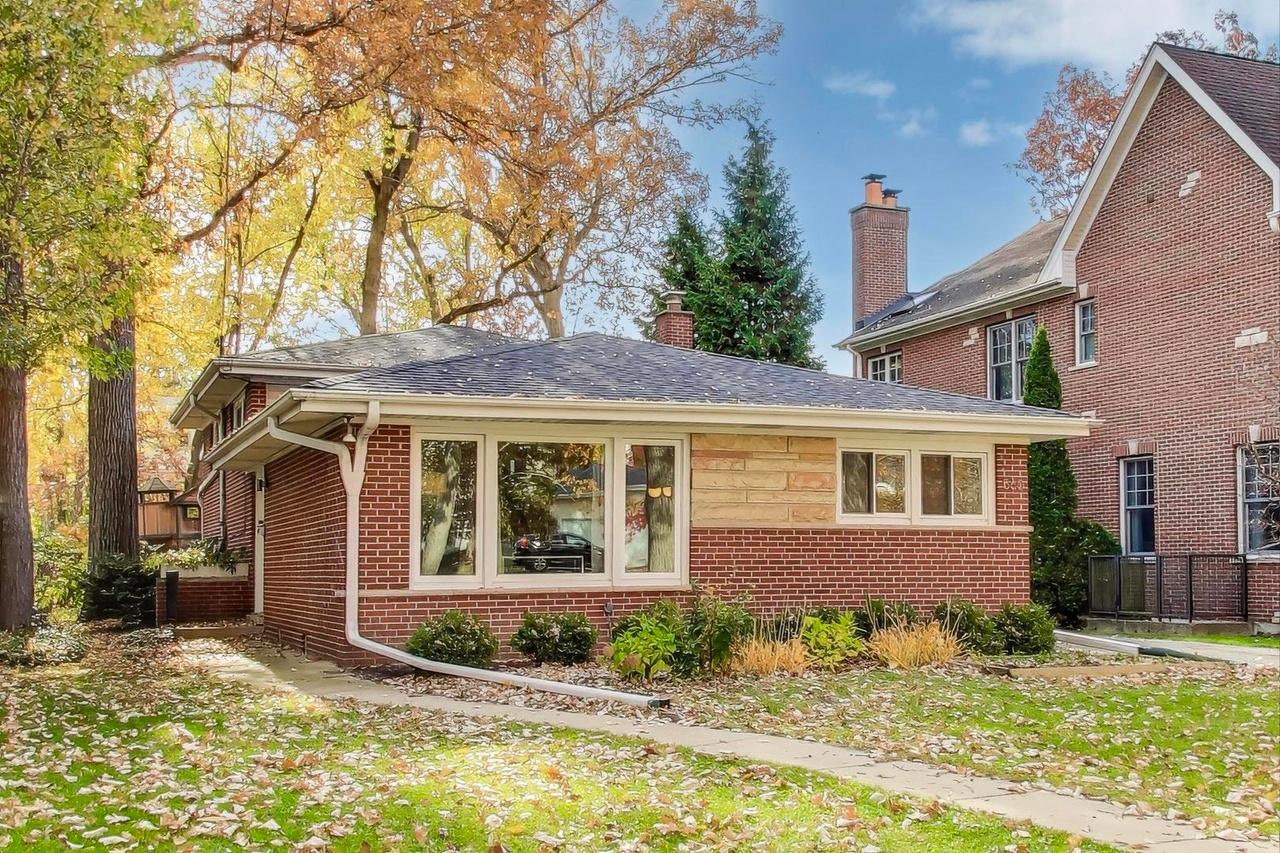
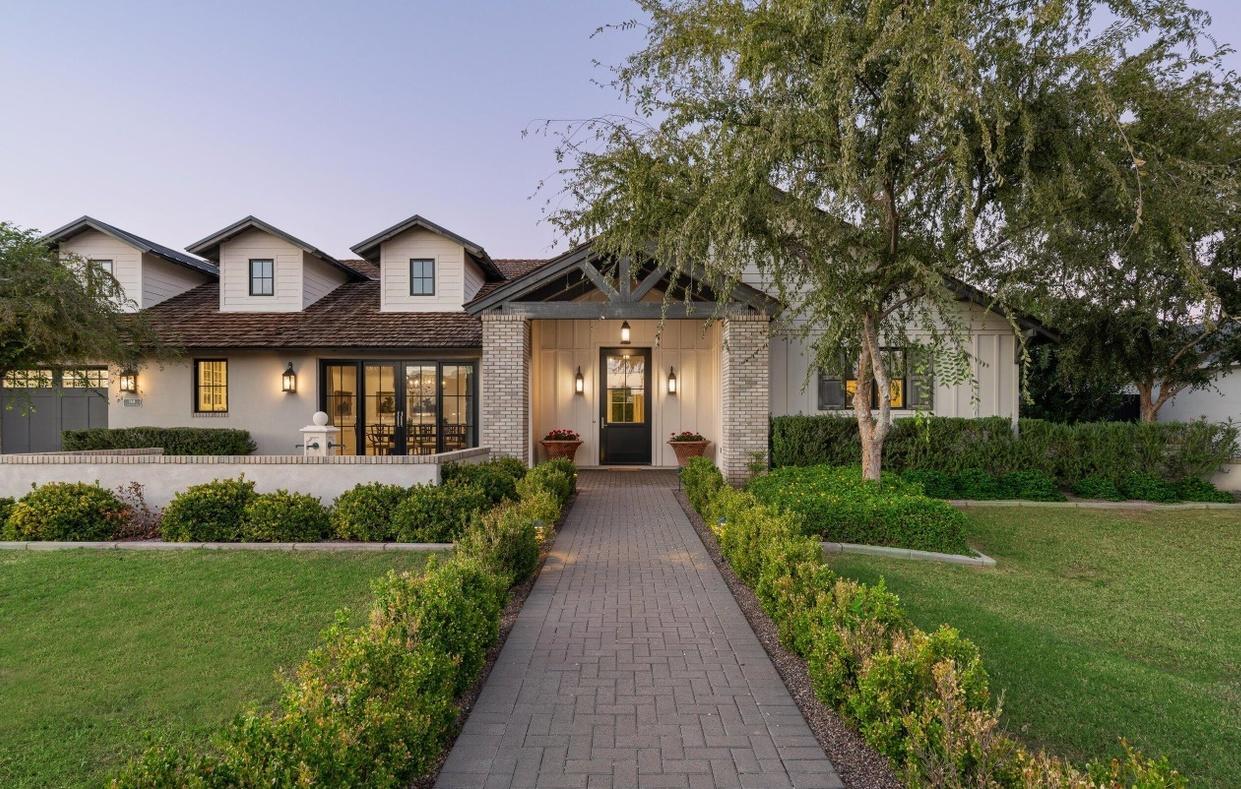
You stand at the curb, look at a bare bed or a patchy strip of turf, and the plant list suddenly stops being helpful. Blue fescue sounds right. Liriope sounds practical. A sedge under the maple seems smart. The hard part is seeing how any of those choices will read against your house, walkway, and windows once they are planted at full scale.

That uncertainty is common because plant tags answer one question and leave out another. They tell you height, spread, and sun needs. They do not show whether a repeated mass will look calm and modern, soft and natural, or too busy for the front of the house.
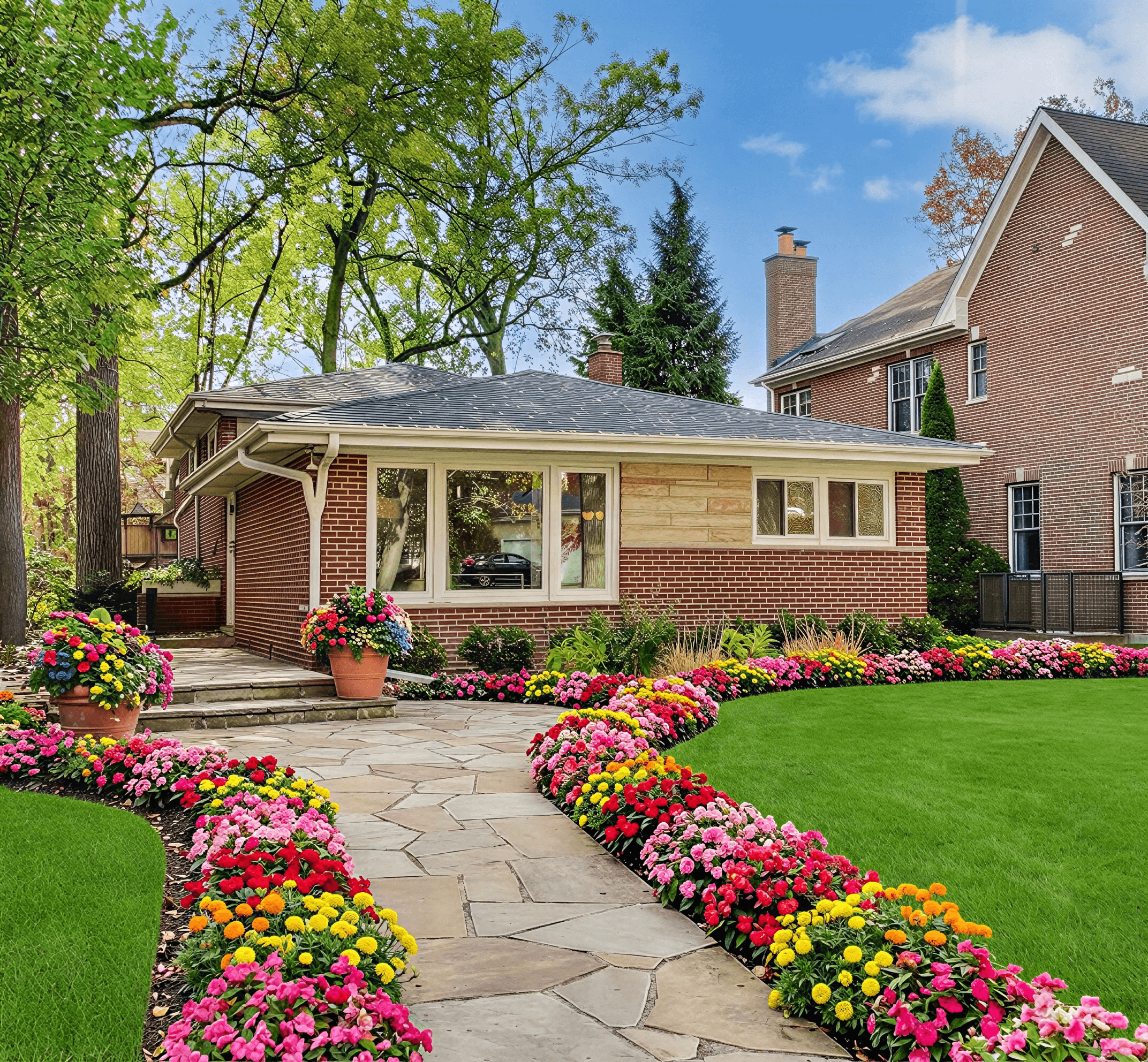
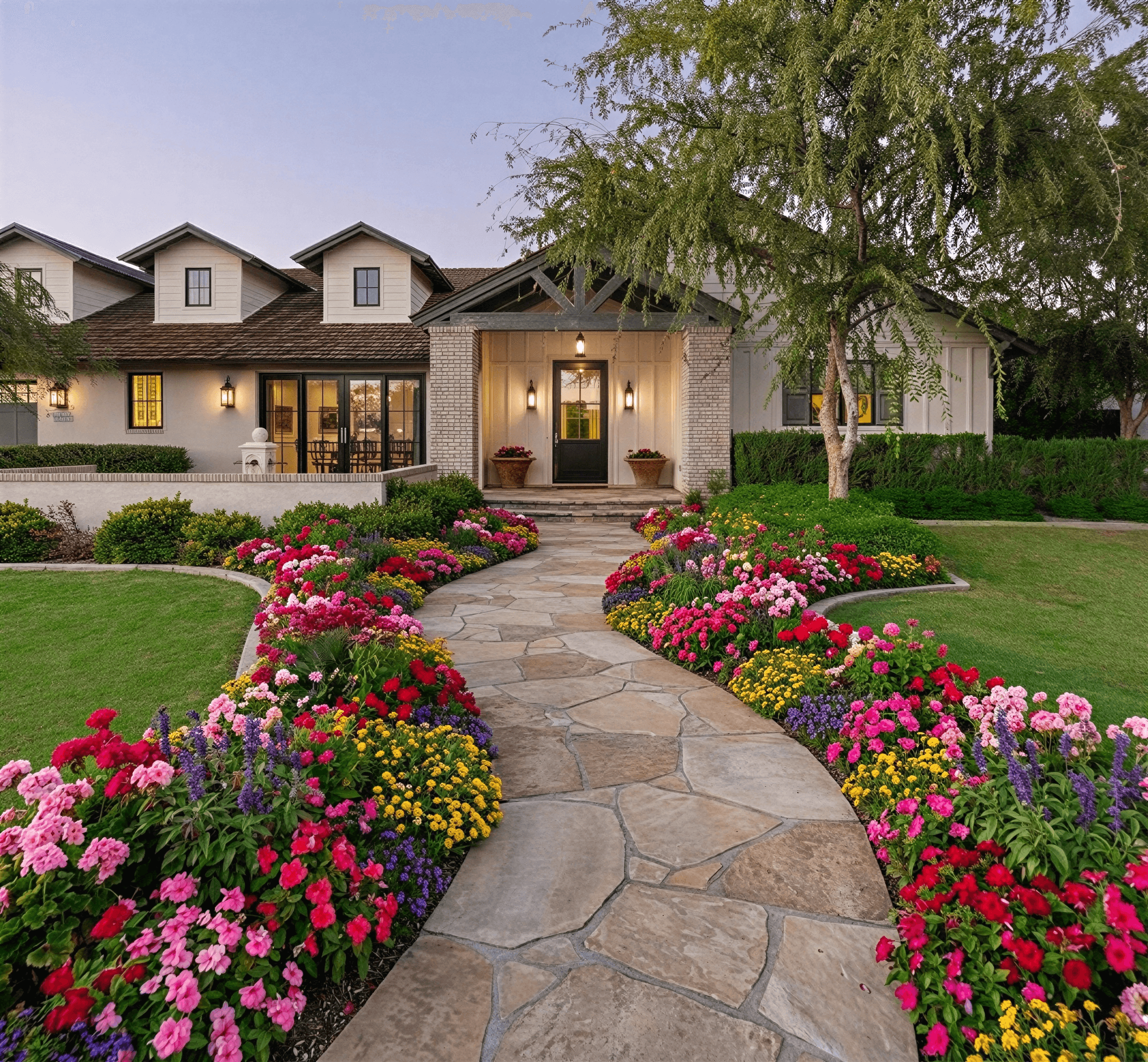
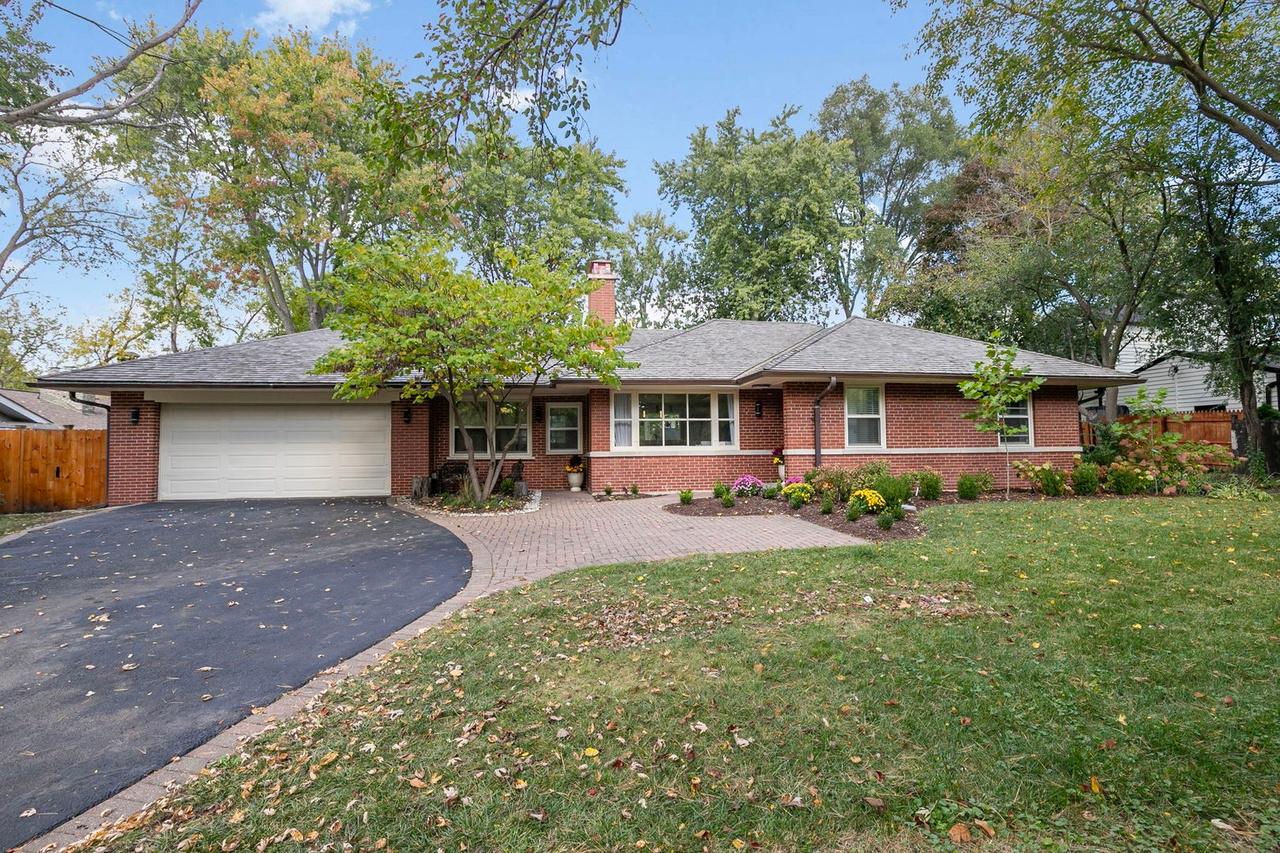
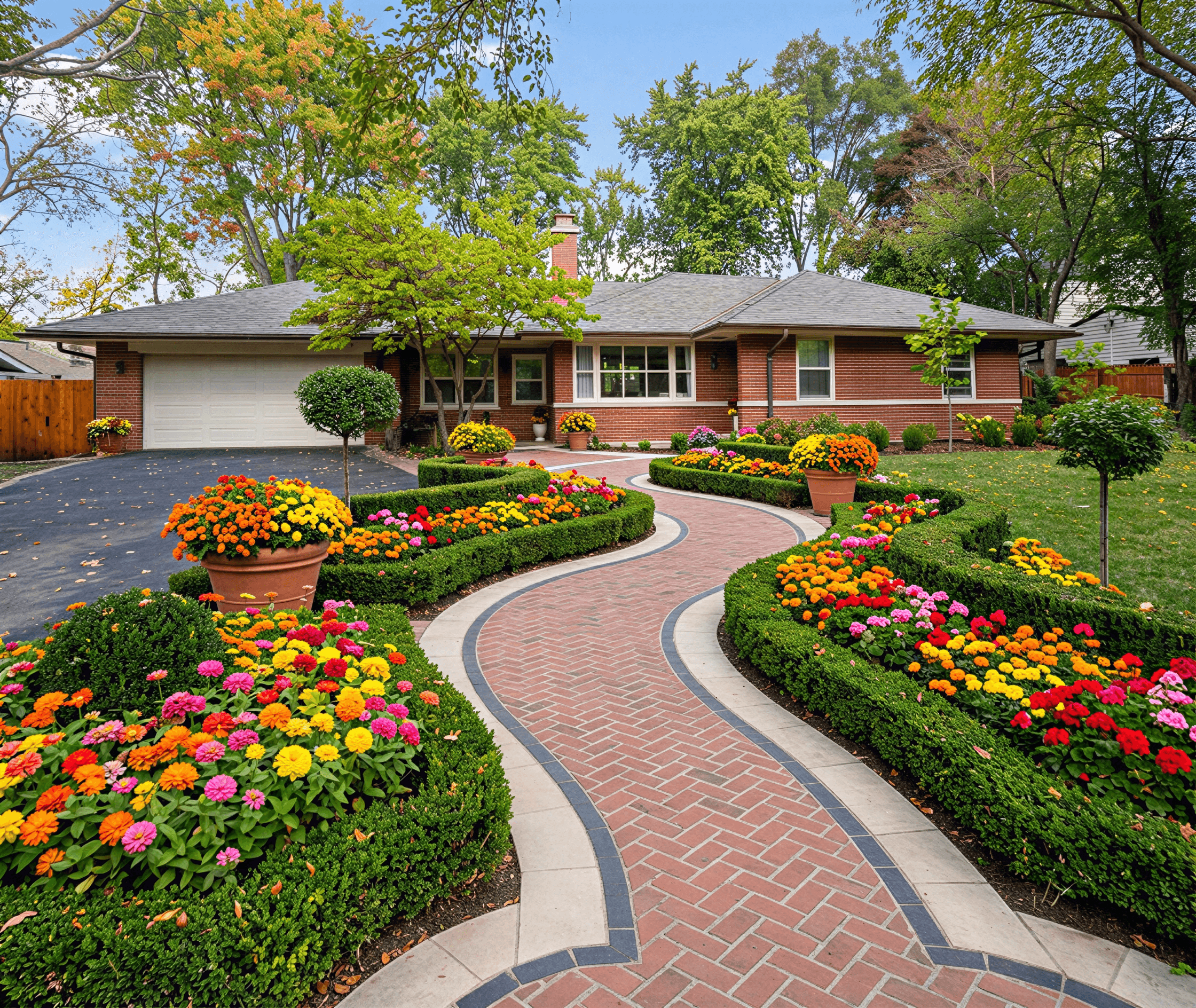
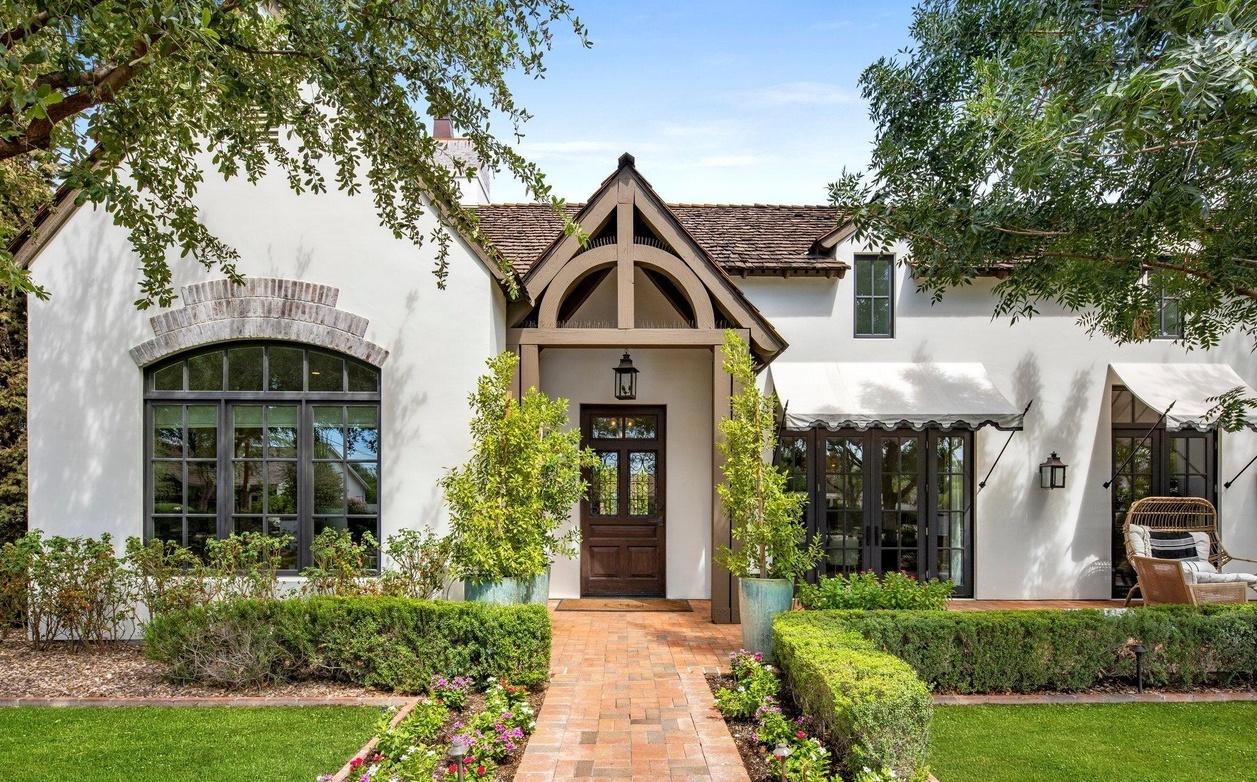
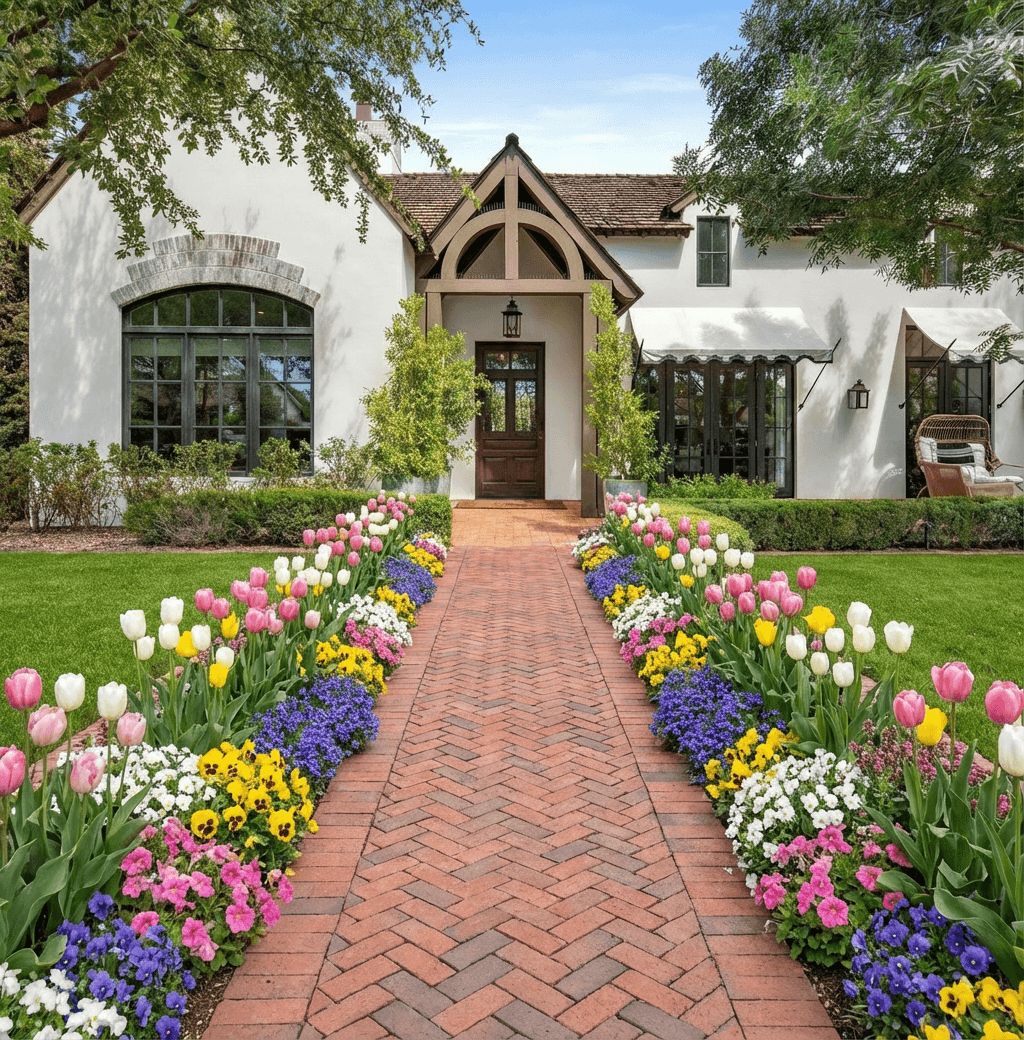
Curb Appeal AI helps close that gap between idea and installation. Instead of guessing from separate photos, you can test ground cover grasses on an image of your own property and compare layout options before you buy trays of plants or pay for labor.
A practical workflow for planning
Start with a clear photo of the bed, slope, or front entry you want to change. Straight-on shots usually work best because they make spacing and proportion easier to judge.
Then narrow your test to one main question at a time:
- Which plant form fits the architecture? Fine-textured grasses often suit clean, modern homes. Broader, arching plants can soften cottage or traditional facades.
- How much repetition looks right? Three clumps can look accidental. A larger drift often reads as intentional and polished.
- What should sit around the plants? Ground covers rarely work in isolation. Edging, stone, gravel, and nearby shrubs all change how the planting feels.
- How will the bed look in two or three seasons? A young planting can seem sparse at first, so use the rendering to judge the mature pattern, not just the day-one spacing.
This process works like a dress rehearsal for the yard. You are not choosing between random pretty plants. You are checking scale, rhythm, and coverage on the actual site.
A rendered concept also helps prevent a very common mistake. Homeowners often choose a good species, then arrange it in a weak pattern. The plant is fine. The spacing or grouping is what looks off.
Useful for homeowners, useful for pros
Homeowners can use these previews to sort out ideas before visiting the garden center. Contractors, stagers, and design-build firms can use the same visuals to explain options faster and reduce revision cycles. If your company is adding more digital planning tools to sales and client communication, this primer can help you understand AI's impact on your trade firm.
If you want a broader introduction to testing concepts on photos of real properties, this guide to AI tools for yard design is a useful starting point.
Long-Term Care and Simple Troubleshooting
Ground cover grasses are low maintenance, not no maintenance. The first year asks for the most attention. After that, care usually becomes simple and seasonal.
Keep the routine light and consistent
A few habits go a long way:
- Trim tired foliage when needed. Liriope often benefits from a late-winter haircut before fresh growth starts.
- Weed early in year one. Small weeds are easy to pull. Established weeds in a young planting are not.
- Divide overcrowded clumps. If a plant thins in the center or creeps beyond its space, divide and replant the healthiest pieces.
- Check yellowing leaves carefully. Yellowing can signal poor drainage, planting too deep, or stress from inconsistent watering during establishment.
Sparse patches usually come from one of three things. The site was shadier or drier than expected. Plants were spaced too far apart. Or weeds outcompeted them early.
A tidy landscape rarely depends on one plant alone. It comes from steady, modest upkeep across the whole front yard.
If you want a broader refresher on finishing details that strengthen the overall look of a home exterior, these window cleaning and curb appeal tips pair well with thoughtful planting design.
If you're ready to turn an awkward lawn problem into a clear design plan, try Curb Appeal AI. Upload a photo of your home, test ground cover grasses in different styles, and see photorealistic options before you buy a single plant.