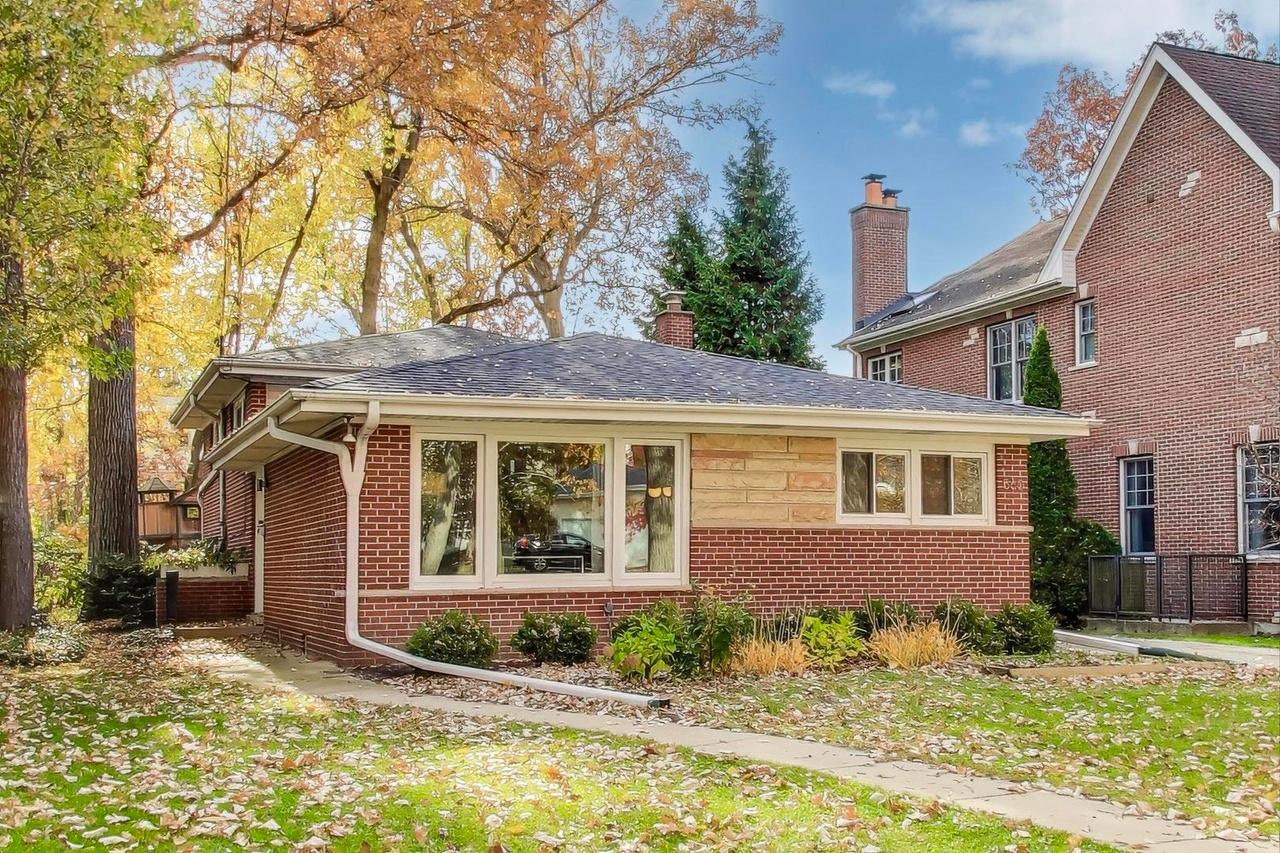
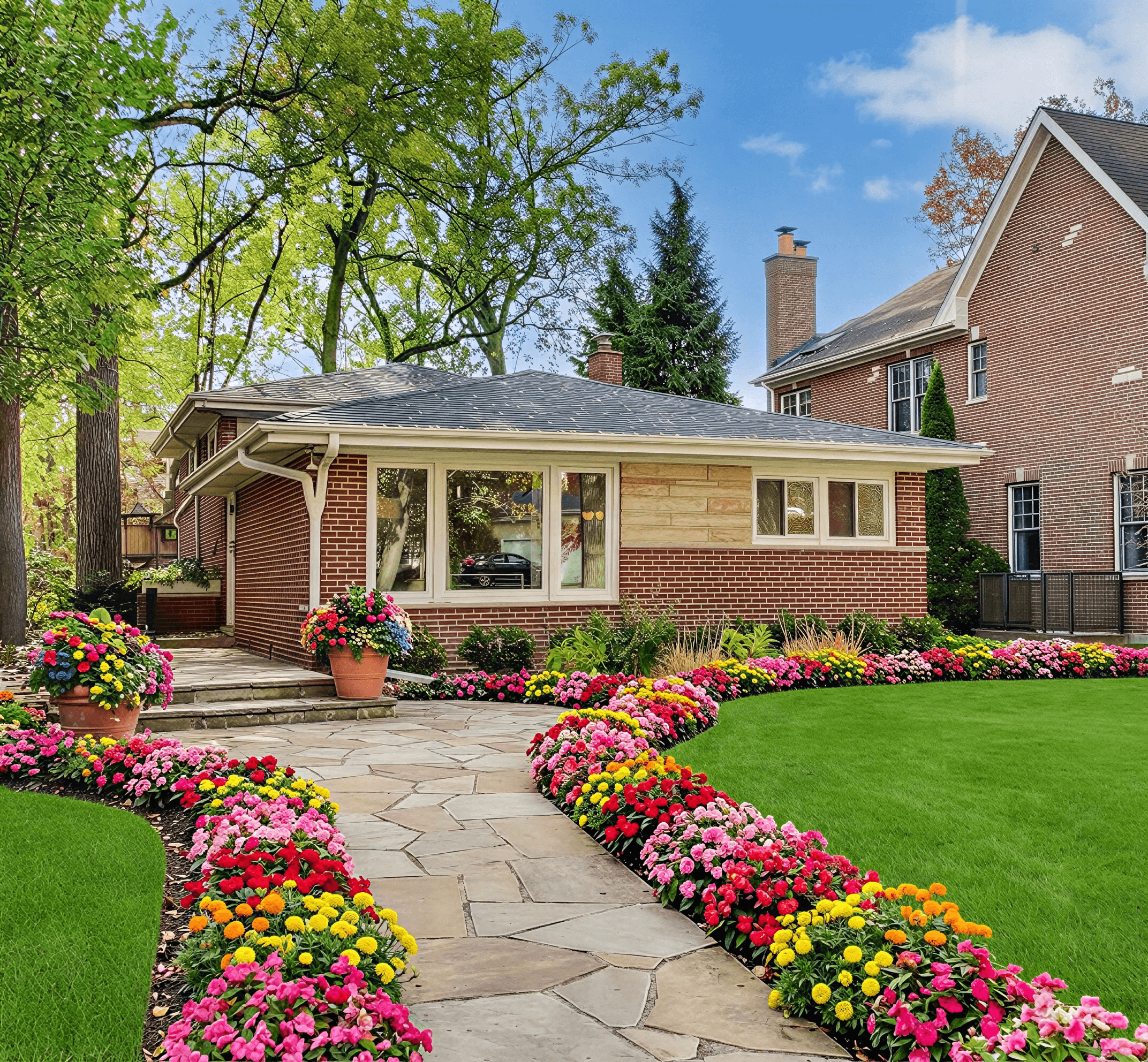
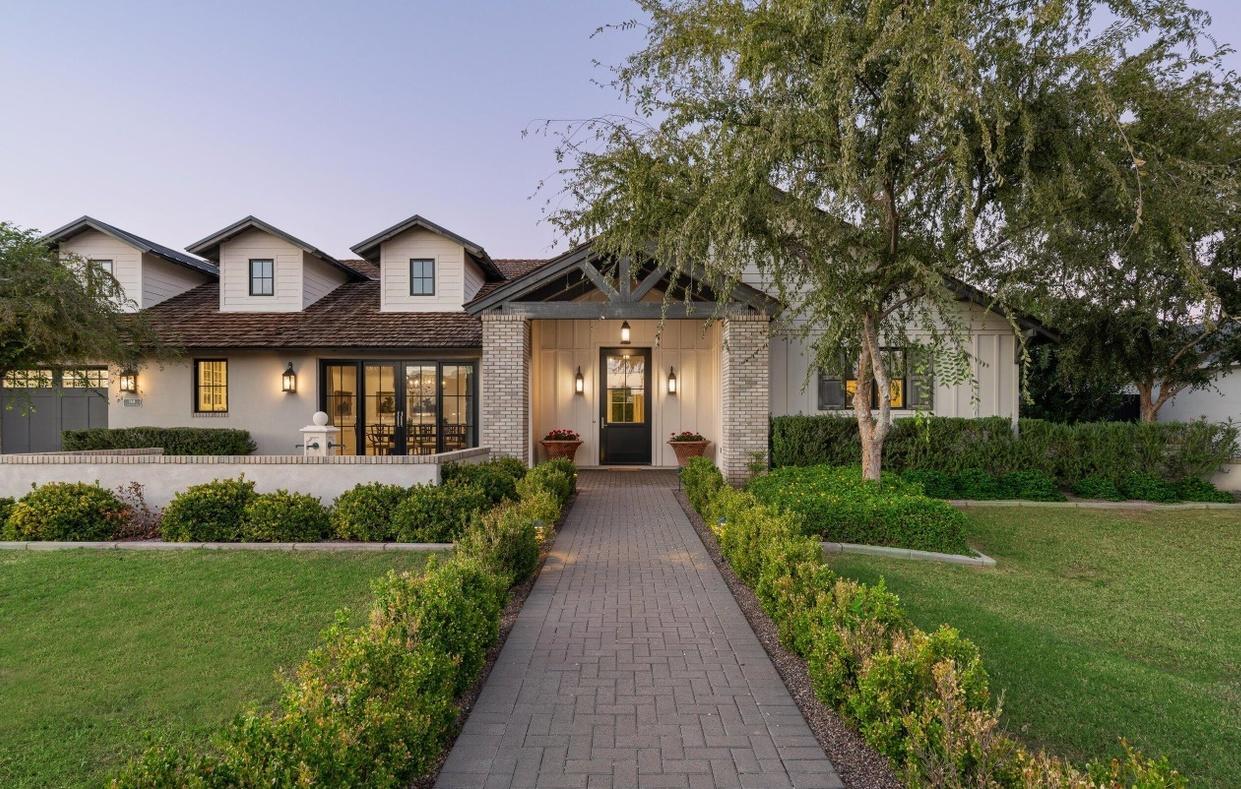
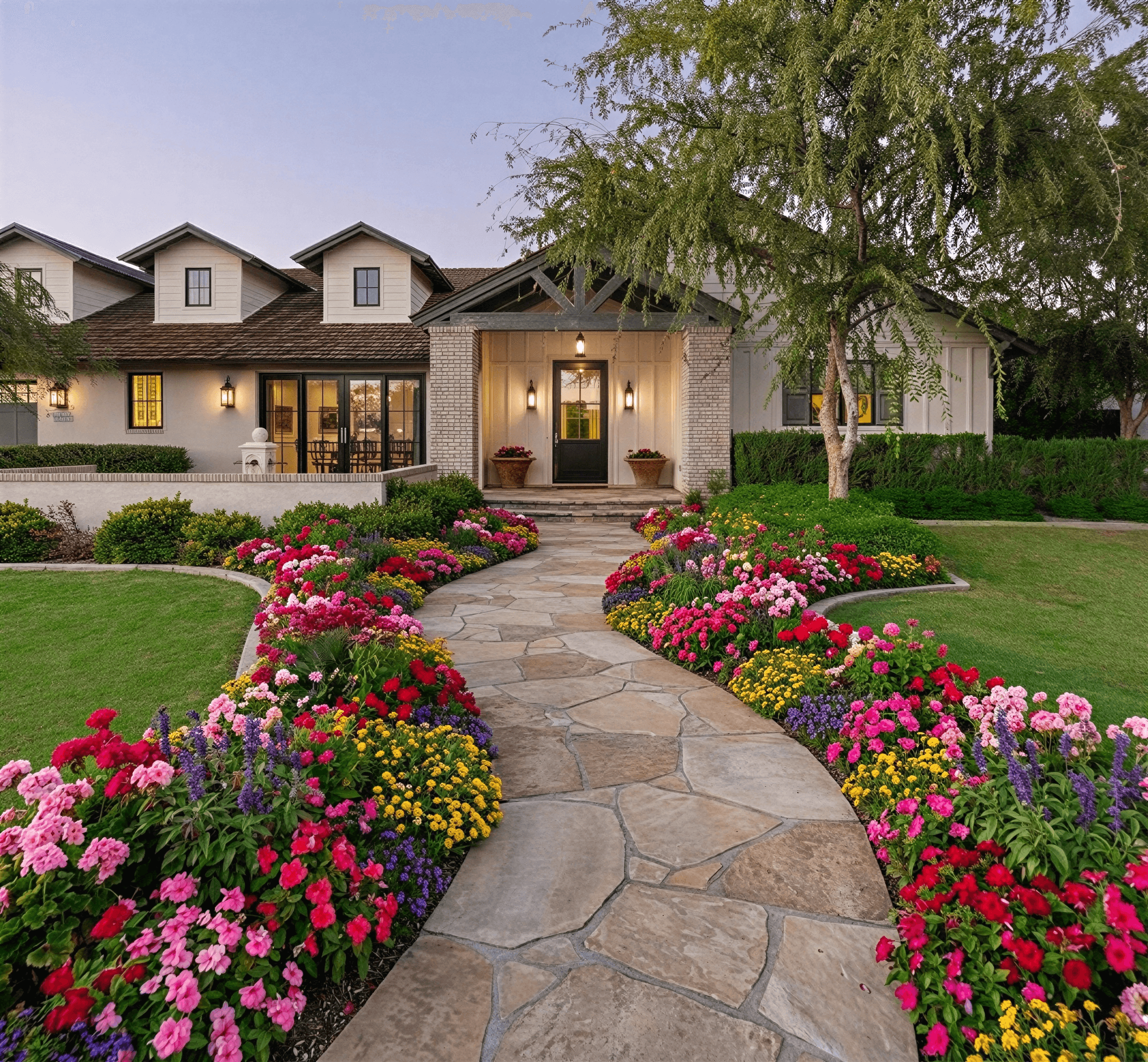
Budget landscaping ideas: Transform your yard with DIY, low-cost upgrades
Dreaming of a stunning yard but constrained by a tight budget? Many homeowners assume a beautiful landscape requires a significant financial investment, but the reality is that strategic, thoughtful design can deliver breathtaking results for a fraction of the cost. The secret isn't spending more; it's spending smarter. This guide demystifies the process by breaking down 10 proven budget landscaping ideas that maximize visual impact without draining your savings.
We’ll explore everything from clever material sourcing and low-maintenance planting strategies to simple DIY projects that add instant character and value. Whether you have a weekend and $100 or a bit more to invest, these actionable tips will empower you to create an outdoor space you’ll love. From establishing lush groundcover and building a DIY paver patio to mastering container gardening and creating striking focal points with affordable lighting, each idea is designed for high impact and low cost.
Embarking on any significant yard transformation means you'll likely generate a fair amount of debris, from pulled weeds to trimmed branches. Efficiently managing this is crucial to keeping costs down and adhering to local rules. Before you start digging, it's wise to understand how to dispose of garden waste safely and legally. With a solid plan for both creation and cleanup, you can focus on the fun part. Get ready to unlock your property's hidden potential and build the yard you've always wanted, one smart and affordable step at a time.
1. Mulch and Groundcover Strategy
One of the most effective and affordable ways to create a polished landscape is by strategically using mulch and low-maintenance groundcovers. This powerful combination instantly cleans up garden beds, defines spaces, and creates a high-end look without the cost of extensive plantings or hardscaping. It's a foundational budget landscaping idea that addresses multiple problems at once: weed control, soil health, and visual appeal.
A fresh layer of mulch immediately gives bare or tired garden beds a clean, uniform appearance, making existing plants stand out. Beyond aesthetics, it suppresses weed growth, retains soil moisture to reduce watering needs, and regulates soil temperature, protecting plant roots from extreme heat and cold. Pairing it with carefully chosen groundcovers adds texture, color, and a living element that can fill in spaces faster and more cheaply than individual shrubs or perennials.
How to Implement This Strategy
To get the best results, focus on proper application and plant selection. A common mistake is applying too little mulch, which fails to block sunlight and prevent weed seeds from germinating. Aim for a consistent depth to maximize its benefits.
- Mulch Depth: Apply a layer of organic mulch, like shredded bark or wood chips, 2 to 4 inches deep. This is the sweet spot for effective weed suppression without suffocating plant roots.
- Weed Barrier: For maximum prevention in very weedy areas, lay down cardboard or several sheets of newspaper before mulching. This biodegradable layer smothers existing weeds and breaks down over time, adding organic matter to the soil.
- Groundcover Selection: Choose groundcovers that are well-suited to your climate and sun exposure. For sunny, dry areas, consider Creeping Thyme or Sedum. For shady spots, Pachysandra or Ajuga (Bugleweed) are excellent choices that will spread to form a dense mat.
- Visualize First: Before you buy bags of mulch, consider how the color will look against your home. You can use a tool like Curb Appeal AI to upload a photo of your house and test different mulch colors and groundcover textures to find the perfect match. This prevents costly mistakes and ensures the final result complements your architecture.
2. DIY Hardscaping with Recycled Materials
Creating durable and attractive hardscaping features like pathways, patios, and garden borders is often one of the most expensive parts of a landscape project. By turning to recycled and salvaged materials, you can achieve this high-impact look for a fraction of the cost. This approach infuses your yard with unique character and sustainability, transforming potential waste into a stunning, functional design element.
This budget landscaping idea is about looking beyond the big-box store and finding beauty in reclaimed items. Salvaged bricks can create a charming cottage-style pathway, while old concrete slabs can be broken up and reset as rustic stepping stones. The imperfections and history of these materials add a layer of texture and story to your garden that new materials simply cannot replicate. It’s an environmentally friendly choice that saves money and adds priceless personality.

How to Implement This Strategy
Success with recycled hardscaping depends on smart sourcing and proper installation techniques to ensure safety and longevity. Finding the right materials is the first step, followed by careful preparation to create a stable and level surface.
- Source Smartly: Keep an eye on local classifieds like Facebook Marketplace, Craigslist, and construction demolition sites (with permission). Often, people are happy to have you haul away old bricks, pavers, or stone for free.
- Prepare a Solid Base: No matter the material, a proper base is critical. For pathways or patios, excavate the area, add a layer of compacted gravel, and top it with about an inch of sand. This provides drainage and a level surface to work on.
- Clean and Inspect: Before installation, thoroughly clean the materials to remove dirt and debris. Check for major cracks or weaknesses that could pose a safety hazard, especially for walking surfaces.
- Visualize the Layout: Gather your materials and lay them out in the desired pattern before setting them permanently. You can use a tool like Curb Appeal AI to upload a photo of your yard and test different layouts and material combinations to see how the final project will look against your home.
3. Native Plant Gardens
Choosing plants native to your region is one of the smartest long-term budget landscaping ideas available. Native plants are adapted to your local climate, soil, and rainfall patterns, meaning they establish quickly and thrive with minimal intervention. This approach dramatically reduces ongoing costs associated with watering, fertilizing, and pest control, creating a beautiful, self-sustaining garden that also supports local ecosystems.
By designing your landscape around natives, you move away from a high-maintenance model to one of natural resilience. These plants have evolved alongside local wildlife, providing essential food and habitat for birds, bees, and butterflies. The result is a vibrant, low-cost garden that looks naturally beautiful and contributes positively to the environment, saving you money and effort year after year.
How to Implement This Strategy
Success with native plants comes from selecting species that are truly local to your specific area, not just the broader continent. Proper research and sourcing are key to building a landscape that flourishes on its own.
- Identify Your Ecoregion: Go beyond your USDA hardiness zone and identify your specific ecoregion. Resources from organizations like the Audubon Society can help pinpoint plants best suited for your immediate environment.
- Source from Specialists: Visit local native plant nurseries instead of big-box stores. These specialists offer a wider selection of locally appropriate plants and provide expert advice on placement and care.
- Observe Nature: Take a trip to nearby botanical gardens or nature preserves to see which native plants thrive together in a mature setting. This provides real-world inspiration for plant combinations and garden design.
- Plan with Confidence: For a deeper look into which species will work best for your yard and visual style, you can explore native plant landscaping ideas for your specific region. This helps ensure your choices are not only beautiful but also perfectly matched to your climate.
4. Container Gardening and Potted Plants
Creating mobile garden displays with pots and containers is one of the most versatile and affordable budget landscaping ideas. This approach adds color, structure, and personality to entryways, patios, and decks without the commitment or cost of digging permanent garden beds. Containers offer incredible flexibility, allowing for easy seasonal updates and are perfect for renters or anyone wanting to add instant charm.
Potted plants can be used to frame architectural features, define outdoor "rooms," or introduce styles from Mediterranean to modern. A pair of matching black planters with tidy topiaries can create a sleek, formal entrance, while a collection of mismatched terra cotta pots overflowing with annuals gives off a relaxed, cottage-style vibe. The key is using containers to create focal points and inject life exactly where you need it most.
How to Implement This Strategy
Success with container gardening comes from thoughtful arrangement and proper plant care. Simply placing a few random pots won't achieve a designer look; the goal is to create curated, intentional groupings that feel like a cohesive part of your landscape.
- Group for Impact: Arrange containers in odd-numbered groups (3, 5, or 7) for a more natural and visually appealing composition. Mix pot sizes, placing a large statement piece as the anchor and surrounding it with smaller, complementary planters.
- The Thriller, Filler, Spiller Method: For a full, professional-looking pot, combine three types of plants. Use a tall "thriller" for height (like a cordyline), a "filler" to add mass (like petunias or coleus), and a "spiller" to cascade over the edge (like sweet potato vine or calibrachoa).
- Use Quality Potting Mix: Never fill containers with garden soil, which is too dense, compacts easily, and drains poorly. A quality potting mix is lightweight and formulated to provide the right balance of aeration, drainage, and nutrients for healthy roots.
- Plan Your Placement: Before committing, visualize how different container styles and plant combinations will look. You can use a tool like Curb Appeal AI to upload a photo of your entryway and experiment with various pot colors, sizes, and plant arrangements to see what best complements your home's exterior.
5. Lawn Alternatives and Xeriscaping
One of the most impactful budget landscaping ideas for long-term savings is replacing a water-intensive lawn with xeriscaping and lawn alternatives. This approach reduces or eliminates traditional turf grass in favor of drought-tolerant plants, ornamental grasses, and decorative hardscapes like gravel or decomposed granite. The goal is to create a beautiful, low-maintenance landscape that dramatically cuts down on water consumption, mowing, and fertilizing costs.
Xeriscaping is a sustainable practice that creates a resilient yard by working with the local climate, not against it. By grouping plants with similar water needs and using non-living materials for texture and coverage, you can design a visually stunning yard that thrives with minimal input. From a modern minimalist design using boulders and architectural succulents to a Mediterranean-inspired garden with lavender and rosemary, the aesthetic possibilities are vast and vibrant.
How to Implement This Strategy
A successful transition from lawn to xeriscape involves thoughtful planning and execution. Start small to keep the project manageable and budget-friendly, focusing on the areas that will make the biggest visual impact first.
- Start Small: Begin by converting a high-visibility section of your lawn, such as a parking strip or a corner of the front yard. This makes the project more affordable and less overwhelming.
- Prepare the Soil: Before planting, amend your soil with compost. This improves drainage and provides essential nutrients, helping drought-tolerant plants establish strong root systems.
- Layer Textures: Create visual interest by layering materials of different sizes and textures. Combine fine decomposed granite, medium-sized river rocks, and a few statement boulders alongside plants with varying foliage, like soft ornamental grasses and rigid succulents.
- Smart Watering: Use drip irrigation during the first year to help new plants get established. After that, most xeriscape plants will require little to no supplemental water, further reducing your utility bills. To further enhance your yard's resilience and save water, exploring dedicated resources on drought-resistant lawn alternatives can provide valuable insights.
- Preview Your Design: It can be difficult to imagine a yard without grass. Use a design tool with a Desert/Xeriscaping style to upload a photo of your home and see how different combinations of rocks and plants will look before you commit.
6. Seasonal Planting and Annuals Rotation
For a dynamic landscape that changes with the seasons, rotating affordable annual flowers offers one of the best returns on investment. This strategy provides consistent, vibrant color and allows you to refresh your home's curb appeal multiple times a year without the long-term commitment or high initial cost of perennials and shrubs. It’s an excellent budget landscaping idea for homeowners who enjoy experimenting with new color palettes and styles.
Annuals complete their life cycle in one season, which means they are bred for maximum floral impact. This focus on blooms provides a burst of color that can fill garden beds, borders, and containers quickly and economically. Instead of a static landscape, you can create evolving displays, such as a cheerful border of pansies in the spring, a lush bed of heat-loving zinnias in the summer, and a rich display of mums and ornamental kale in the fall.
How to Implement This Strategy
Successful seasonal planting is about smart purchasing and consistent care to keep the floral show going. By planning ahead and maintaining your plants, you can achieve a professional-looking display for a fraction of the cost of other landscaping projects.
- Buy in Bulk: Purchase annuals in flats or multi-packs rather than individual pots. This significantly reduces the cost per plant, allowing you to fill a larger area for less money.
- Encourage Continuous Blooming: Regularly deadhead, or pinch off, spent flowers. This simple task prevents the plant from setting seed and channels its energy into producing more blooms, extending the color display for weeks.
- Plan Your Palette: Decide on a color scheme before you go to the nursery to avoid impulse buys. A cohesive palette, like cool blues and purples or warm reds and oranges, creates a more intentional and high-impact look.
- Visualize Seasonal Changes: It can be difficult to imagine how different seasonal combinations will look against your home. Use a tool like Curb Appeal AI to upload a photo and test various annual flower arrangements. This helps you visualize the final result, ensuring your spring, summer, and fall displays complement your home's exterior perfectly.
7. DIY Raised Garden Beds and Edging
Building your own raised garden beds and installing clean edging is a fantastic budget landscaping idea that adds instant structure and definition to your yard. This DIY approach allows you to create organized planting areas, improve soil drainage, and introduce clean, architectural lines without the high cost of professional installation. It’s a project that brings a sense of order and intention to a garden, making it look more deliberate and well-maintained.
Raised beds elevate planting areas, making gardening more accessible while offering superior control over soil quality. Paired with crisp edging along walkways and garden perimeters, they create a cohesive and polished look. Whether you’re aiming for a modern vegetable garden with corrugated metal beds or a classic cottage feel with simple wooden frames, this method provides a high-impact visual upgrade for a fraction of the price of hiring a contractor.
How to Implement This Strategy
Success with DIY raised beds and edging comes down to choosing the right materials and ensuring proper construction from the start. A level base and thoughtful soil preparation are key to creating a healthy and long-lasting garden feature.
- Material Selection: Use untreated wood like cedar for natural rot resistance. Composite lumber or galvanized steel are also great, long-lasting options that offer different aesthetics. Avoid pressure-treated wood for edible gardens, as chemicals can leach into the soil.
- Ensure a Level Base: Before building, clear and level the ground where the bed will sit. Use a simple level tool on your boards as you construct the frame to prevent warping and ensure even water distribution.
- Weed Prevention: Lay down a layer of cardboard at the bottom of the empty bed before adding soil. This smothers existing grass and weeds, preventing them from growing up into your new garden while breaking down over time to enrich the soil.
- Proper Soil Mix: Fill your beds with a high-quality mix, not just topsoil from your yard. A combination of topsoil, compost, and perlite or vermiculite will provide excellent drainage and nutrients for healthy plant growth.
- Visualize Placement: The location of your raised beds can frame views or highlight architectural features. Use a tool like Curb Appeal AI to upload a photo of your yard and experiment with different placements, materials, and plant combinations. This helps you finalize the design and ensure it enhances your home's overall look before you start building.
8. Strategic Tree and Shrub Pruning
Transforming your landscape doesn't always require new plants; sometimes, the biggest impact comes from skillfully editing what you already have. Strategic pruning of existing trees and shrubs is one of the most effective budget landscaping ideas, offering a dramatic visual return for little to no cost. This approach reshapes overgrown plants, opens up sightlines, and highlights your home's best architectural features, creating a clean, intentional look.
Proper pruning can make a yard feel larger, brighter, and more welcoming. By removing dead or crowded branches and shaping plants with care, you improve their health and vigor while framing your property in a more flattering way. This isn't just about hacking back bushes; it's a thoughtful process of subtraction that reveals the hidden beauty of your home and garden, turning unruly greenery into a valuable design asset.
How to Implement This Strategy
The key to successful pruning is knowing what to cut, when to cut, and how much to remove. Done correctly, it rejuvenates plants and enhances curb appeal; done poorly, it can damage plants and detract from your home's appearance.
- Define Your Goals: First, identify your objectives. Do you want to open a sightline to the front door, allow more light into a window, or simply restore the natural shape of an overgrown shrub? Having a clear goal prevents over-pruning.
- Timing is Everything: The best time to prune most deciduous trees and shrubs is during their dormant season in late winter or early spring. This allows you to see the branch structure clearly and encourages vigorous new growth when the weather warms.
- The Rule of Thirds: A safe guideline is to never remove more than one-quarter to one-third of a plant's total mass in a single year. This avoids stressing the plant and ensures it has enough foliage to recover.
- Visualize the Impact: Overgrown foundation shrubs often hide attractive windows or entryways. Before you make any cuts, use a tool like Curb Appeal AI to visualize how trimming specific plants will change the overall look. This helps you identify which shrubs offer the most impact once pruned, revealing your home's best features without guesswork.
- Know When to Call a Pro: For large trees or any work requiring a ladder, it's safest to hire a certified arborist. They have the training and equipment to do the job safely and correctly, protecting both you and your property.
9. Budget-Friendly Lighting and Focal Point Features
Creating a captivating landscape doesn't stop when the sun goes down. Affordable outdoor lighting and unique focal points can completely change the character of your property, adding ambiance, guiding attention, and highlighting your home's best features. This is a powerful budget landscaping idea because it works day and night, adding immense visual value for a minimal investment in fixtures or creative repurposed objects.
Strategic lighting transforms a dark yard into a welcoming and dramatic space, improving both safety and curb appeal. A well-placed solar spotlight on a beautiful tree or a warm string of lights over a patio creates a high-end feel. Pairing this with a distinct focal point, like a repurposed sculpture or a unique planter, gives your garden personality and a central point of interest, preventing it from looking flat or generic.
How to Implement This Strategy
The key to success is subtlety and thoughtful placement. Your goal is to create inviting pools of light and direct the eye, not to illuminate the entire yard like a sports stadium. Focus on key areas and choose objects that reflect your personal style.
- Warm, Welcoming Light: Opt for solar-powered or low-voltage LED lights with a warm-white color temperature (around 2700K). This creates a soft, inviting glow rather than a harsh, blue-toned glare.
- Strategic Placement: Position pathway lights at ground level to define walkways safely and attractively. Use uplighting to create drama by aiming a spotlight at the base of a textured tree trunk, an interesting architectural feature, or a stone wall.
- Create Focal Points: Find unique objects to serve as visual anchors. This could be an old metal watering can planted with flowers, a brightly painted piece of salvaged wood, or a small, tasteful statue. The goal is to add personality that complements your landscape style.
- Visualize the Impact: Lighting placement dramatically affects how your home appears at night. You can use a tool like Curb Appeal AI to upload a photo of your house and experiment with different lighting arrangements, such as pathway lights, uplighting, and wall sconces, to see how they highlight your home's architecture before you buy and install them.
10. Front Entry and Porch Makeover
If your landscaping budget is tight, concentrating your efforts on the front entry and porch area delivers the biggest visual return on investment. This high-impact zone is the focal point of your home's exterior and where visitors form their first impression. By focusing on strategic plantings, container arrangements, and clean edging right at the doorstep, you can create a powerful sense of welcome and significantly boost curb appeal without overhauling the entire yard.
This approach works because it directs funds to the area with the most visual traffic. A well-designed entry feels intentional and cared for, which elevates the perception of the entire property. Whether your style is minimalist and modern or lush and cottage-inspired, a thoughtful porch makeover is one of the most effective budget landscaping ideas for making a statement where it counts the most.

How to Implement This Strategy
A successful entry makeover is about creating a cohesive look that complements your home’s architecture. The goal is to draw the eye toward the front door using layers of color, texture, and structure.
- Match Plants to Architecture: Align your plant choices with your home's style. Symmetrical arrangements of clipped boxwoods or topiaries work beautifully for formal, traditional homes. For a more relaxed cottage or bungalow look, opt for an asymmetrical design with overflowing perennials and climbing roses.
- Use Statement Containers: A pair of large, attractive planters flanking the door can define the entrance and provide a home for seasonal color. Choose pots that match your home’s materials or trim color for a coordinated look.
- Layer for Depth: Create visual interest by layering plants. Place taller, structural plants like a small evergreen or a topiary in the back, mid-sized flowering plants in the middle, and low, spilling groundcovers or annuals at the front edge of beds or containers.
- Visualize the Final Look: Before you start buying plants and pots, it’s wise to see how they’ll look. You can learn more about how to improve curb appeal with these techniques and use a visualization tool to test different plant combinations and container styles against a photo of your actual entry. This ensures your investment achieves the high-end look you’re aiming for.
10-Point Comparison of Budget Landscaping Ideas
| Strategy | Implementation Complexity 🔄 | Resources & Cost ⚡ | Expected Outcomes 📊⭐ | Ideal Use Cases 💡 |
|---|---|---|---|---|
| Mulch and Groundcover Strategy | Low — quick DIY (1–2 weekends) 🔄 | Low cost ⚡ $50–$300; minimal tools | Immediate visual polish, weed suppression, reduced watering 📊⭐ | Budget makeovers, framing beds, broad climates 💡 |
| DIY Hardscaping with Recycled Materials | Medium — moderate skills, labor-intensive (2–4 weekends) 🔄 | Very low materials ($0–$150) but higher time investment ⚡ | Unique, long-lasting character; variable finish quality 📊⭐ | DIYers with salvage access; rustic/eclectic styles 💡 |
| Native Plant Gardens | Medium — research + seasonal planning (install 1–2 weekends) 🔄 | Moderate upfront $100–$400; low long-term inputs ⚡ | High long-term water/maintenance savings; biodiversity boost 📊⭐ | Sustainable landscaping, drought-prone regions, long-term owners 💡 |
| Container Gardening and Potted Plants | Low — fast setup (1–2 hours) 🔄 | Low–moderate $50–$300; ongoing water & replacement ⚡ | Instant curb appeal; highly flexible but temporary 📊 | Renters, small spaces, seasonal styling and entry accents 💡 |
| Lawn Alternatives and Xeriscaping | Medium–High — planning and demolition (2–4 weekends) 🔄 | Moderate–high $200–$800 upfront; big water savings ⚡ | Major reduction in water/maintenance; modern aesthetic 📊⭐ | Dry climates, water-restricted areas, eco-focused homes 💡 |
| Seasonal Planting and Annuals Rotation | Low — recurring effort each season (2–3 hrs/rotation) 🔄 | Low per-rotation $30–$100; recurring labor ⚡ | Frequent color refreshes; temporary visual impact 📊 | Those wanting seasonal variety or testing color schemes 💡 |
| DIY Raised Garden Beds and Edging | Low–Medium — basic carpentry (2–4 hrs/bed) 🔄 | Low cost $20–$80 per bed; basic tools ⚡ | Improved drainage, defined beds, better plant health 📊 | Vegetable gardens, tidy borders, small yards 💡 |
| Strategic Tree and Shrub Pruning | Low (but requires expertise) — short job (1–2 hrs pro) 🔄 | Moderate $100–$300 for professional service ⚡ | Immediate reveal of architecture; healthier plants; high impact 📊⭐ | Overgrown yards hiding features; quick high-ROI upgrade 💡 |
| Budget-Friendly Lighting & Focal Points | Low — simple installs (1–2 hrs) 🔄 | Low cost $25–$150; solar/LED options ⚡ | Enhanced evening ambiance and focal emphasis; improved safety 📊 | Highlighting entry/features; low-cost evening curb appeal 💡 |
| Front Entry and Porch Makeover | Low–Medium — concentrated effort (1–2 weekends) 🔄 | Moderate $100–$300 focused spend ⚡ | Highest first-impression ROI; dramatic visual impact 📊⭐ | Sellers or anyone prioritizing curb-first impressions 💡 |
Your Dream Yard Is Within Reach
Creating an inviting, beautiful landscape is not about the size of your budget; it’s about the strength of your strategy. Throughout this guide, we've explored a variety of powerful, cost-effective methods to elevate your outdoor space, proving that a stunning yard is an attainable goal for every homeowner. The path to a professionally designed look doesn't require a blank check, but rather a combination of smart planning, creative resourcefulness, and a clear vision.
The most successful projects are built on a foundation of high-impact, low-cost choices. From the foundational texture of a fresh layer of mulch to the architectural interest of a DIY recycled-material pathway, the ideas we've covered target the elements that deliver the most visual return for your investment. Mastering these budget landscaping ideas means understanding how to create a rich, layered look without overspending on individual components.
Recapping the Core Principles of Affordable Landscaping
Let's distill the key takeaways that will guide you from inspiration to implementation. These are the concepts that separate a piecemeal yard from a cohesive, thoughtfully designed landscape.
- Focus on High-Impact Zones: As we saw with the front entry and porch makeover ideas, concentrating your efforts and budget on the areas people see first, like your entryway or walkway, creates a powerful first impression that elevates the entire property.
- Embrace Nature's Efficiency: Choosing native plants, xeriscaping, or lawn alternatives isn't just a budget-friendly move; it's a smart, sustainable one. These choices reduce long-term costs associated with water, fertilizer, and maintenance, saving you money and effort for years to come.
- Work with What You Have: Strategic pruning can completely reshape existing trees and shrubs, revealing their natural beauty and improving your yard's structure without costing a dime. Similarly, recycled materials can be repurposed into unique and functional hardscaping elements.
- Build Your Design in Layers: A successful landscape has depth. Combine different elements like groundcover, container gardens, raised beds, and subtle lighting to create a multi-dimensional space. This layered approach adds a sense of maturity and intentionality that belies its affordable origins.
From Plan to Reality: Your Actionable Next Steps
Knowledge is only the first step; action is what transforms your yard. Before you head to the garden center, take a moment to create a concrete plan. Start by walking your property and identifying one or two projects from this list that would make the most significant difference. Would a well-defined garden edge and a vibrant container garden near the door provide the biggest boost? Or perhaps tackling an overgrown shrub and adding solar path lighting is the best starting point?
Key Insight: The single most effective way to avoid costly mistakes is to visualize the outcome before you begin. A clear mental or digital picture of your goal ensures every purchase and every hour of labor contributes to a unified, beautiful result. This prevents the common pitfall of buying mismatched plants or materials on impulse.
A well-executed landscape does more than just look good; it extends your living space, increases your home's value, and provides a personal sanctuary for relaxation and enjoyment. It demonstrates pride of ownership and contributes to the character of your entire neighborhood. By applying these budget landscaping ideas, you are not just saving money, you are making a smart, long-term investment in your property and your quality of life. The beautiful, functional, and affordable yard you've been dreaming of is not a distant fantasy. It’s a project waiting for you to begin, armed with the right knowledge and a clear plan.
Don't leave your final design to guesswork. Visualize these budget-friendly ideas on your own home with Curb Appeal AI. Upload a photo of your property to see photorealistic renderings of different plants, materials, and layouts, ensuring every dollar you spend helps create the perfect look. Try Curb Appeal AI today and build your dream yard with confidence.