Mediterranean Front Yard Landscape Design — Austin, Texas
Before
Inspiration
Design and Planning
Developing a detailed design and selecting materials and plants for the project.
1 weekSite Preparation
Clearing the existing path and preparing the site for new installations.
2 daysInstall Stone Walkway
Laying down the stone walkway.
3-4 daysInstall Stone Fountain
Setting up and securing the stone water fountain feature.
2-3 daysGarden Bed Construction
Building raised garden beds around trees and along the walkway.
3 daysPlanting and Mulching
Planting selected plants and flowers and applying mulch.
2-3 daysFinal Touches
Placing decorative pots and ensuring everything is properly arranged and cleaned.
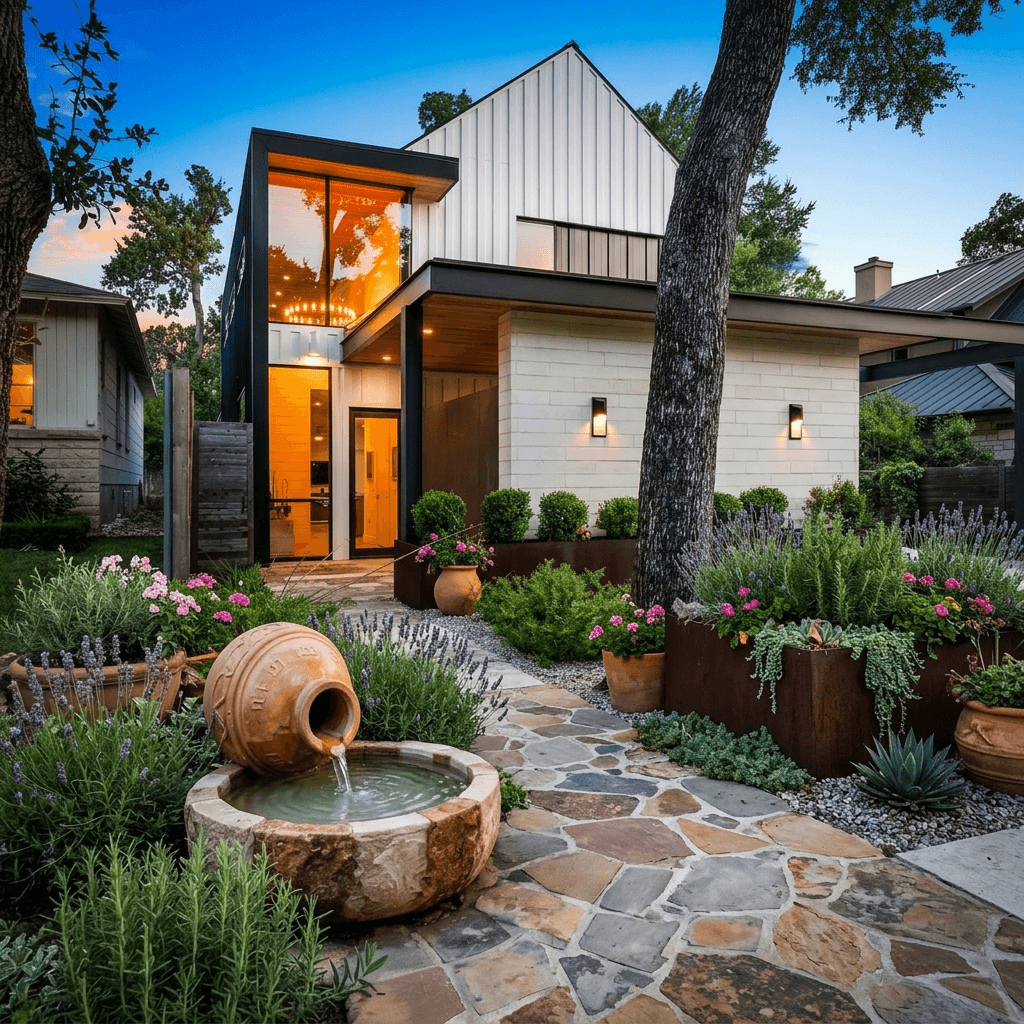
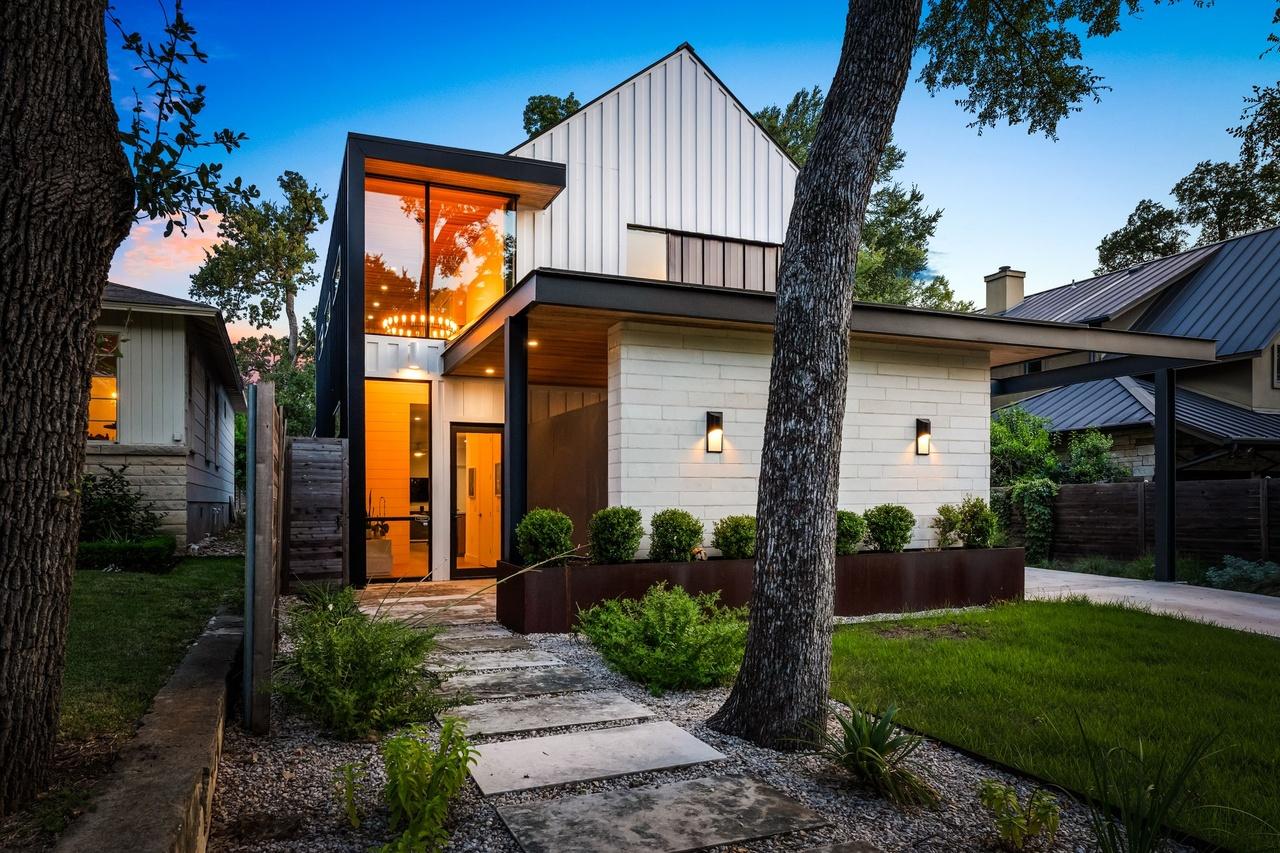
1-2 daysThe home's exterior transformation includes extensive landscaping with added plants and flowers, a stone fountain feature, and a new stone walkway replacing the previous path.
The home's exterior transformation includes extensive landscaping with added plants and flowers, a stone fountain feature, and a new stone walkway replacing the previous path. These enhancements create a more inviting and visually appealing front yard.
$10,500 - $15,200
Why this style works in Austin's climate
A compact Mediterranean front yard suits Austin because it uses heat-tolerant, low-water plants like lavender, rosemary and succulents that handle hot summers with proper mulch and occasional irrigation. The stone walkway and irregular stone paving keep surfaces cool and blend with local limestone tones. Mulched raised beds around trees reduce evaporation and protect roots in summer heat. This composition balances a relaxed cottage look with Mediterranean formality — restrained plant palettes and terracotta accents that age attractively in Austin’s sun. For homeowners looking for curb appeal and resilience, this approach fits both aesthetic and practical needs.
Plants, pots, and materials used in this build
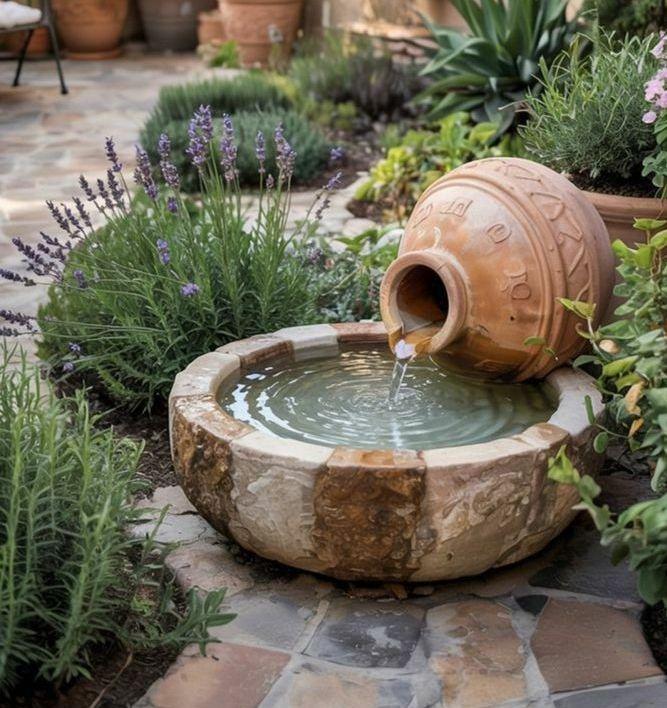
The plan adds lavenders and shrubs, mixed succulents, trailing groundcover and pops of pink flowering perennials planted into raised garden beds filled with fresh soil and mulch. A central stone fountain fed by a tilted terracotta urn becomes the focal point, set into irregular stone paving that replaces the old concrete path. Decorative terracotta and ceramic pots sit near the entrance for layered texture. Materials listed in the build include mulch and soil, stone for walkway and fountain, terracotta pots, and plant materials; professional installation handled hardscape placement and bed construction. Curb Appeal AI helped visualize plant placement and material palettes before construction.
Cost breakdown for this Mediterranean front yard
Total estimated cost: $10,500–$15,200. Typical allocation in this project: stone walkway and paving $3,000–$5,000, stone fountain and terracotta urn $1,500–$3,000, plants and flowers (lavender, rosemary, succulents, shrubs) $1,200–$2,000, raised garden bed materials and soil $800–$1,500, decorative pots and smaller materials $300–$700, and professional installation/labor $3,000–$4,500. Final price depends on stone selection, fountain complexity, and plant sizes. These ranges reflect the build plan items — stone walkway, stone fountain, raised beds, mulch and soil, decorative pots, and labor.
DIY vs professional installation: what to hire out
Several parts of this project can be DIY if you have experience: planting lavenders, rosemary and succulents, filling raised beds with soil and mulch, and arranging terracotta pots around the entrance. Major hardscape work — installing the stone walkway, setting the stone fountain and tilting a terracotta urn into the basin — is best handled by professionals for drainage, leveling and water-proofing. The build steps (design and planning, site prep, walkway 3–4 days, fountain 2–3 days, garden bed construction 3 days, planting 2–3 days, final touches 1–2 days) show where hired crews save time and reduce risk.
Timeline and maintenance tips for longevity
The project timeline from planning to final touches runs about 3–4 weeks: one week design, a couple days site prep, about a week for hardscaping (walkway and fountain), then bed construction and planting over several days. Maintenance is moderate: prune lavender and rosemary after flowering to keep shape, replenish mulch annually, check fountain pump and basin seasonally, and water new plants regularly the first 12–24 months until established. In Austin you may need supplemental irrigation in the hottest months; once established, lavender and many Mediterranean shrubs reduce seasonal water needs compared with typical turf.
Frequently Asked Questions
How much does Mediterranean landscaping cost in Austin?
For this compact front yard build, plan on $10,500–$15,200. Costs vary with stone choice, fountain complexity, mature plant sizes, and labor rates. Key line items include the stone walkway, stone fountain and terracotta urn, plant palette (lavender, rosemary, succulents), raised bed materials, mulch and soil, plus professional installation.
Is Mediterranean landscaping worth the investment?
Yes for many homeowners: it improves curb appeal, often lowers seasonal water use, and uses durable hardscape materials that age well. Value depends on your goals — if you want low-maintenance, drought-tolerant planting and strong visual impact (stone walkway, fountain, terracotta accents), this style can be a good long-term investment in Austin.
What maintenance does a Mediterranean front yard require?
Maintenance is moderate: annual mulch refresh, seasonal pruning of lavender and rosemary, checking irrigation or hand-watering during hot, dry periods, and routine fountain pump care. Succulents and shrubs need minimal fertilizing; raised beds may need soil top-ups over several years.
Can I plant lavender and succulents successfully in Austin?
Yes, many lavenders, rosemary and drought-tolerant succulents perform well in Austin when planted in well-draining soil and mulched. Ensure good drainage in raised beds and provide supplemental water while plants establish, especially during the first two summers.
Related Transformations
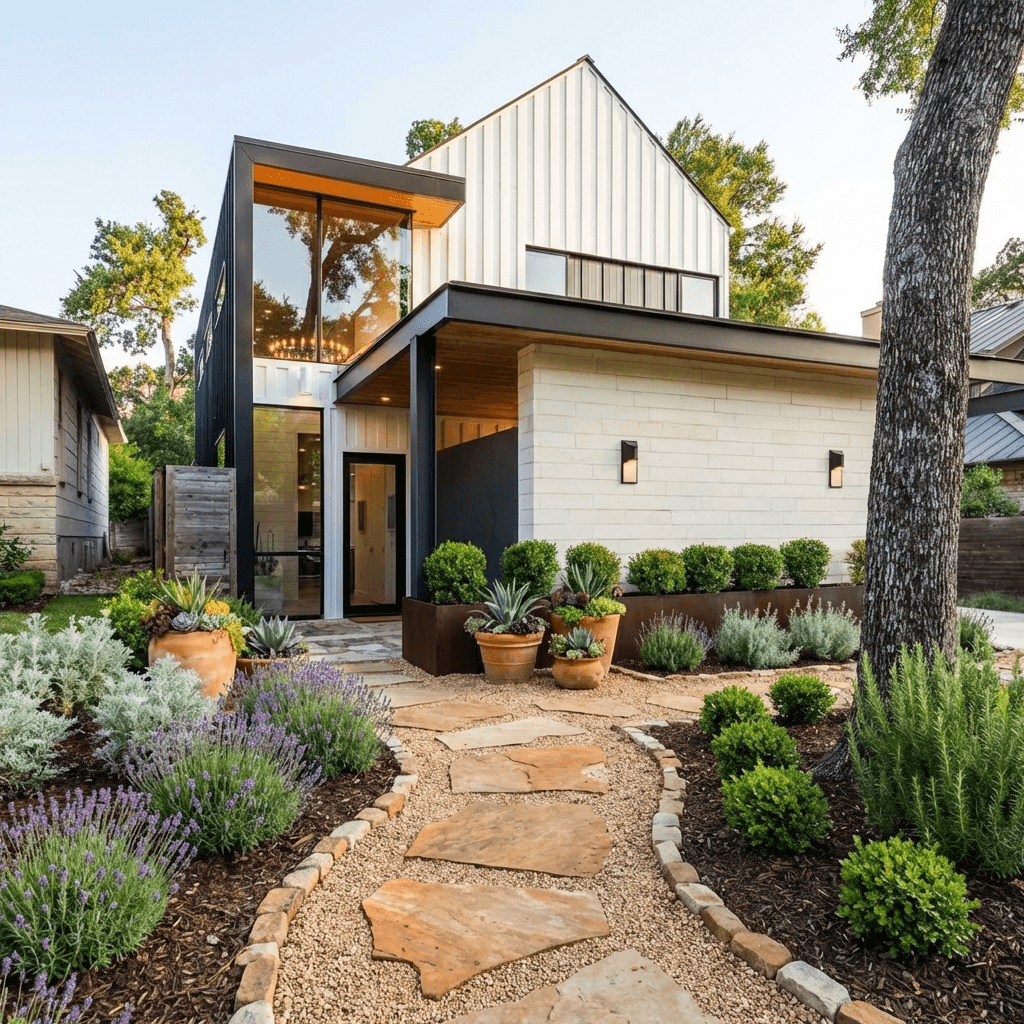
The home exterior underwent a transformation focused on enhancing the landscape and hardscape design.
$11,500 - $17,200
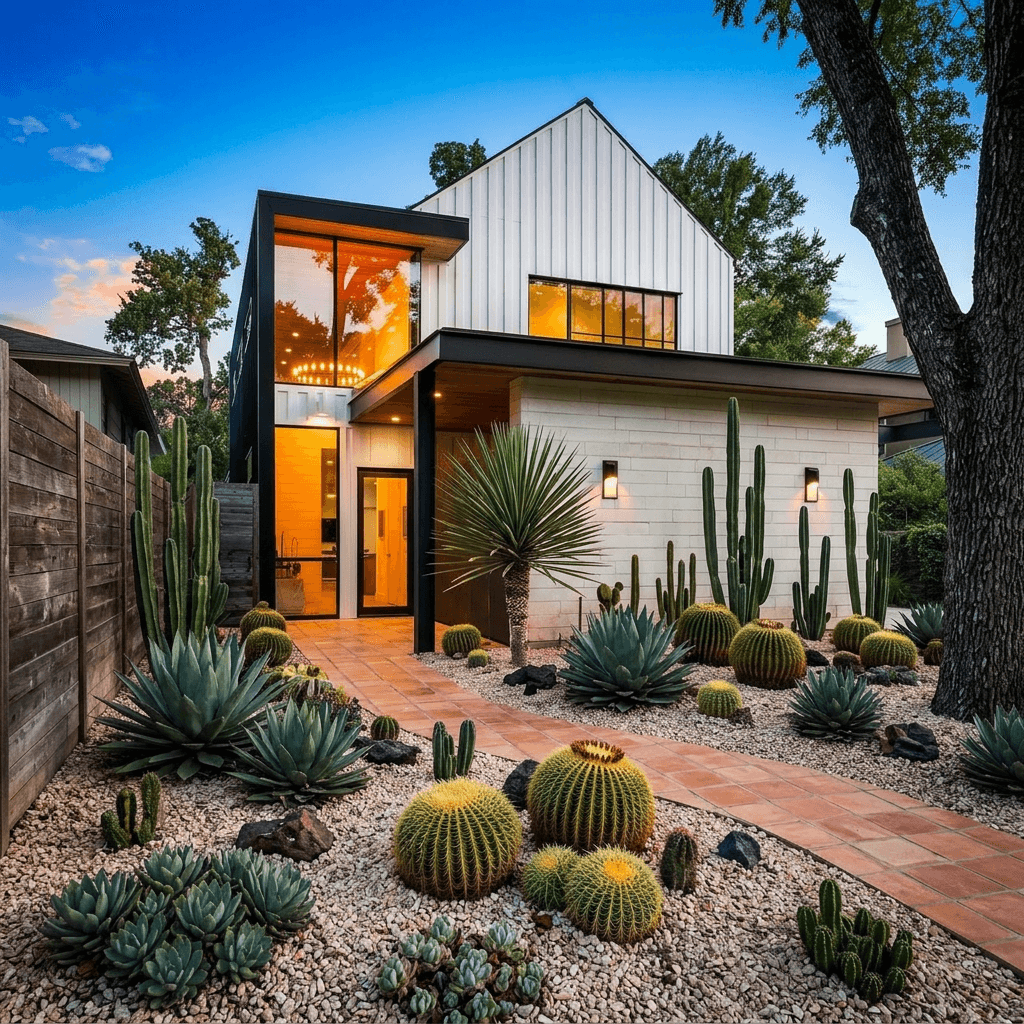
The transformation involves a shift to a desert-themed landscape with the replacement of grass and small shrubs by cacti and succulents, along with gravel and stone ground cover replacing sod.
$17,500 - $27,000
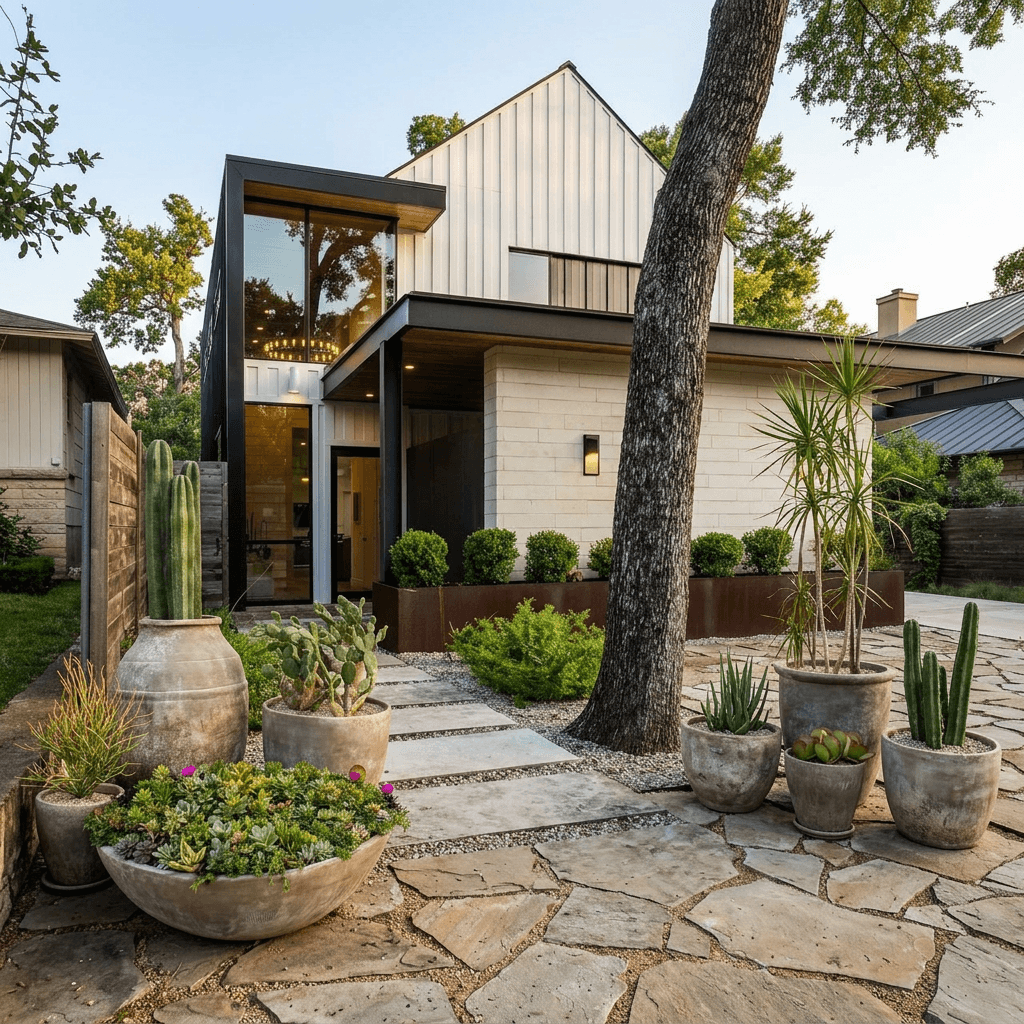
The home exterior has undergone a transformation focusing on enhancing its landscaping and hardscape elements.
$5,000 - $9,500
More Transformations
The home exterior underwent a transformation focused on enhancing the landscape and hardscape design.
$11,500 - $17,200
The transformation involves a shift to a desert-themed landscape with the replacement of grass and small shrubs by cacti and succulents, along with gravel and stone ground cover replacing sod.
$17,500 - $27,000
The home exterior has undergone a transformation focusing on enhancing its landscaping and hardscape elements.
$5,000 - $9,500
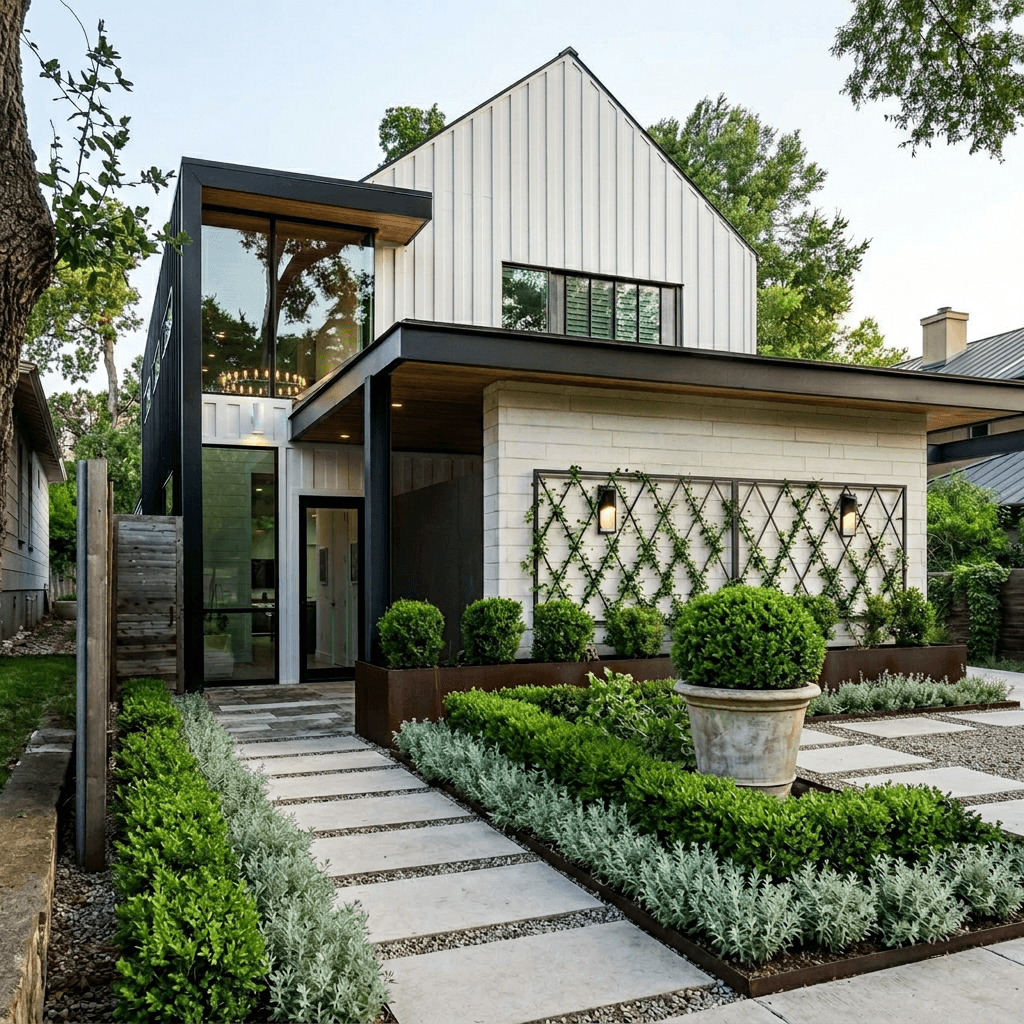
The transformation includes enhanced landscaping with new plants and planters, additional trellis work on the facade, and an upgraded pathway.
$10,000 - $15,000
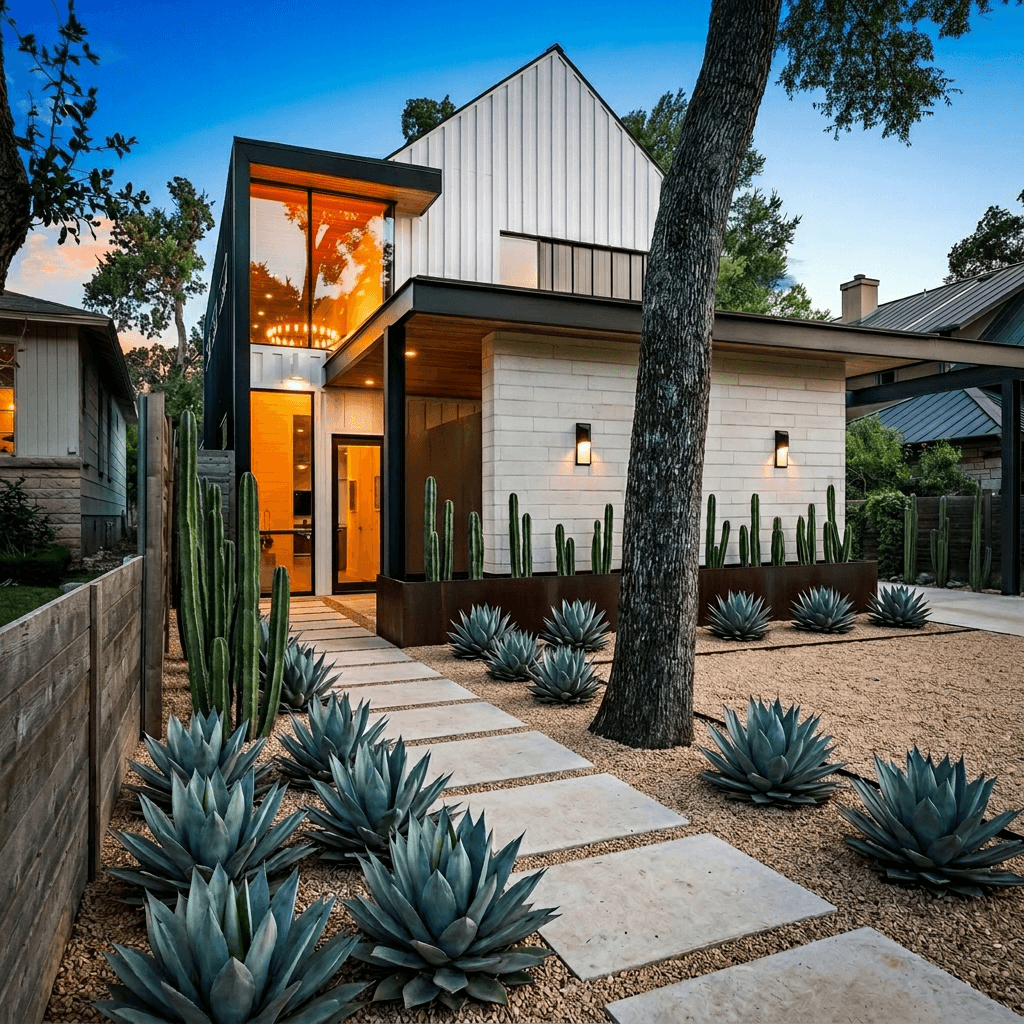
The home exterior has undergone a transformation featuring a shift to a more arid and contemporary landscaping design.
$12,000 - $17,000