Desert Cacti and Agave Landscape Design — Austin, Texas
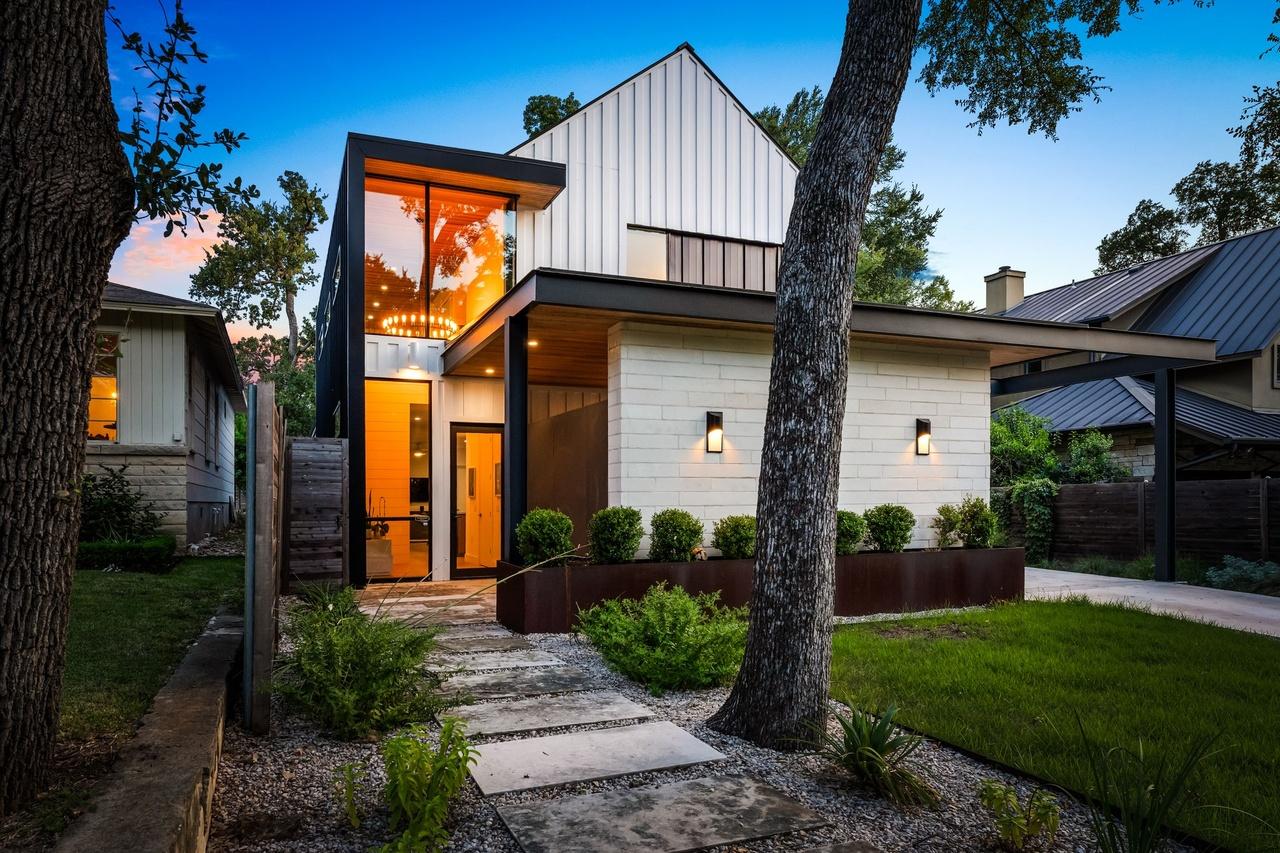
Before
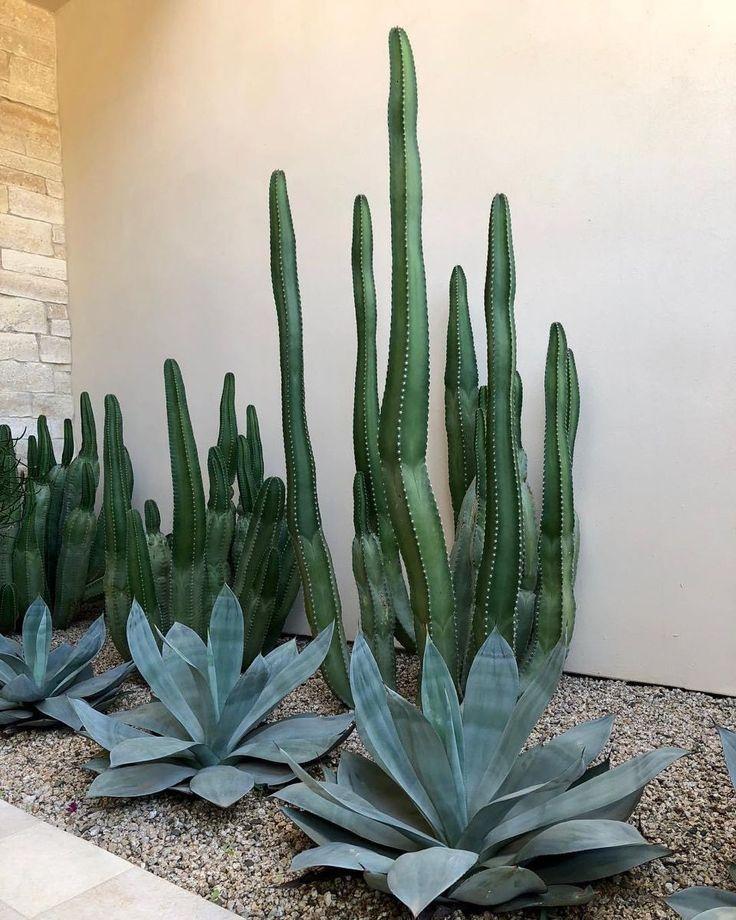
Inspiration
Remove Existing Grass and Plants
Clear existing greenery and grass to prepare for new landscaping.
2 daysInstall Stone Pavers
Lay down stone pavers to create the new pathway design.
3 daysApply Edging and Gravel
Place edging stones and spread gravel in designated areas.
2 daysPlant Cacti and Agave
Install cacti and agave plants in planned locations.
2 daysApply Mulch
Spread mulch around newly planted areas.
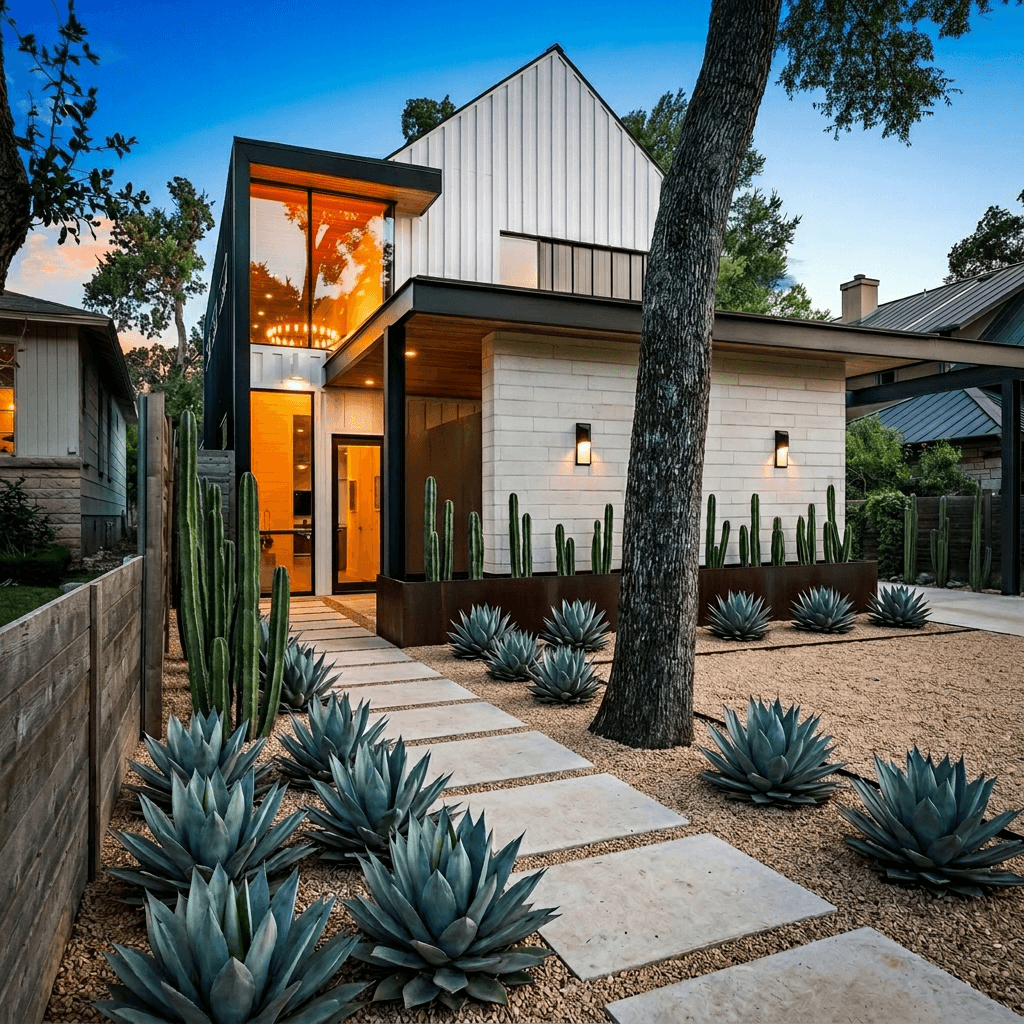
1 dayThe home exterior has undergone a transformation featuring a shift to a more arid and contemporary landscaping design.
The home exterior has undergone a transformation featuring a shift to a more arid and contemporary landscaping design. The traditional greenery and grass have been replaced with drought-tolerant cacti and agave plants, while the pathway and bordering areas have been updated with stone pavers and gravel.
$12,000 - $17,000
Why desert style works in Austin
Austin's hot summers and increasingly variable rainfall make a desert xeriscape a practical choice for front yards. Replacing thirsty turf with beige gravel and drought-tolerant species like blue-gray Agave and columnar cacti reduces irrigation needs and creates a low-maintenance palette that still reads formal from a straight-on, eye-level view of the house. The minimalist layout—clean stone edging and narrow linear gravel beds—also reflects local water restrictions and lowers seasonal maintenance. This approach preserves curb appeal while reducing long-term water bills and upkeep compared with traditional lawns and mixed perennial beds.
Plants and materials used in this build
The build plan centered on sculptural, low-water plants: large blue-gray agave rosettes in the foreground and tall columnar cacti as a vertical backdrop. Grass was removed and replaced with small beige gravel in narrow linear beds, edged with light stone or tile edging. Stone pavers were installed to form the walkway, and stone edging defines the planting beds. The materials list also included a light mulch application around new plants where needed for root protection. Professional installation covered planting of the cacti and agave to ensure correct depth and stabilization for these heavier specimens.
Cost breakdown for this transformation
This front-yard conversion in Austin is estimated at $12,000–$17,000. Typical allocation: plant material (cacti and agave) and planting labor $2,000–$4,000; stone pavers and installation $3,000–$5,000; gravel, edging, and placement $1,500–$2,500; mulch and finishing touches $500–$1,000; professional labor and contingency $4,000–$6,000. Actual costs depend on plant sizes (large agave and tall columnar cacti cost more), paver type, and any grading required. The build schedule used in planning — remove grass (2 days), install pavers (3 days), add edging and gravel (2 days), plant cacti and agave (2 days), apply mulch (1 day) — helps set expectations for timeline and labor costs.
DIY versus professional installation guidance
Homeowners can handle some steps to reduce cost: removing existing grass, spreading gravel, and applying edging can be DIY-friendly if you have tools and time. Planting smaller succulents is manageable, but installing large agave rosettes and tall columnar cacti often requires professionals for safe handling and correct anchoring. Setting stone pavers for a stable walkway typically needs a trained crew to ensure proper base, slope, and long-term durability. Given the $12,000–$17,000 budget range, many homeowners choose a hybrid approach: DIY prep plus professional hardscape and heavy-plant installation to protect the investment.
How Curb Appeal AI helps plan this desert yard
Curb Appeal AI was used to visualize the minimalist desert xeriscape while keeping the house unchanged and maintaining a straight-on camera angle. The tool applies the inspiration's cool blue-green palette—blue-gray agave rosettes and upright columnar cacti—into the existing front-yard photo, showing stone pavers, beige gravel beds, and light stone edging before committing to purchase. Visualizing options helps confirm plant placement, material choices, and overall rhythm of low-to-high layers, and supports budgeting by comparing different paver types or plant sizes within the $12,000–$17,000 cost range.
Frequently Asked Questions
How much does desert landscaping cost in Austin?
For a front-yard conversion like this one, expect roughly $12,000–$17,000. Costs vary with plant sizes (large agave and columnar cacti increase price), stone paver choices, and labor. The estimate covers grass removal, pavers, gravel, edging, planting, mulch, and professional installation.
Is desert landscaping worth the investment?
Yes for many Austin homeowners: it reduces water use and routine lawn care, increases drought resilience, and creates a distinctive, low-maintenance aesthetic. Consider plant quality and professional hardscape work to ensure long-term durability and curb appeal.
What maintenance does desert landscaping require?
Maintenance is lower than a lawn but not zero: occasional watering for newly planted agave and cacti (establishing year), minimal pruning of spent leaves, weeding between gravel, and checking edging or pavers. Mulch was applied around new plants per the build plan to protect roots, though gravel is the main groundcover.
How long will installation take?
The build plan schedules about 10 working days: remove existing grass and plants (2 days), install stone pavers (3 days), apply edging and gravel (2 days), plant cacti and agave (2 days), and apply mulch (1 day). Weather or site prep could extend the timeline.
Related Transformations
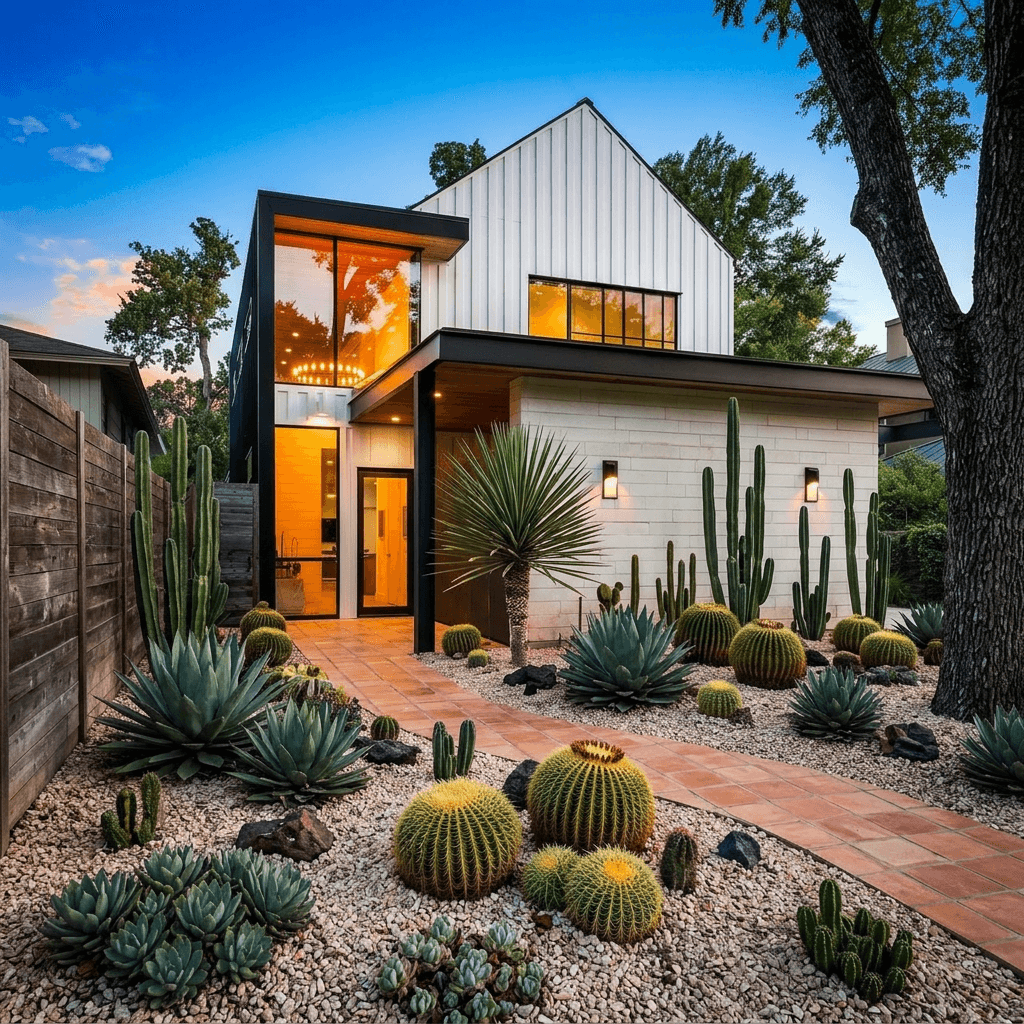
The transformation involves a shift to a desert-themed landscape with the replacement of grass and small shrubs by cacti and succulents, along with gravel and stone ground cover replacing sod.
$17,500 - $27,000
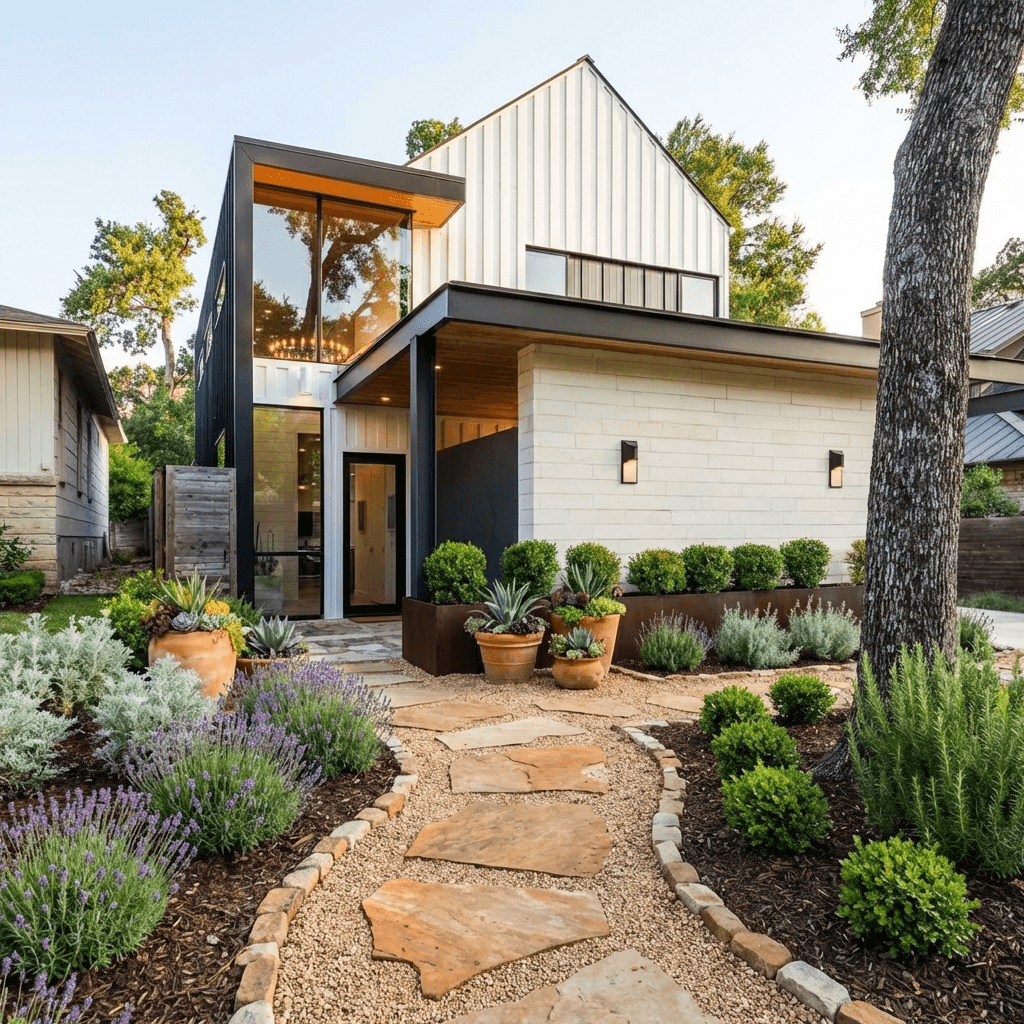
The home exterior underwent a transformation focused on enhancing the landscape and hardscape design.
$11,500 - $17,200
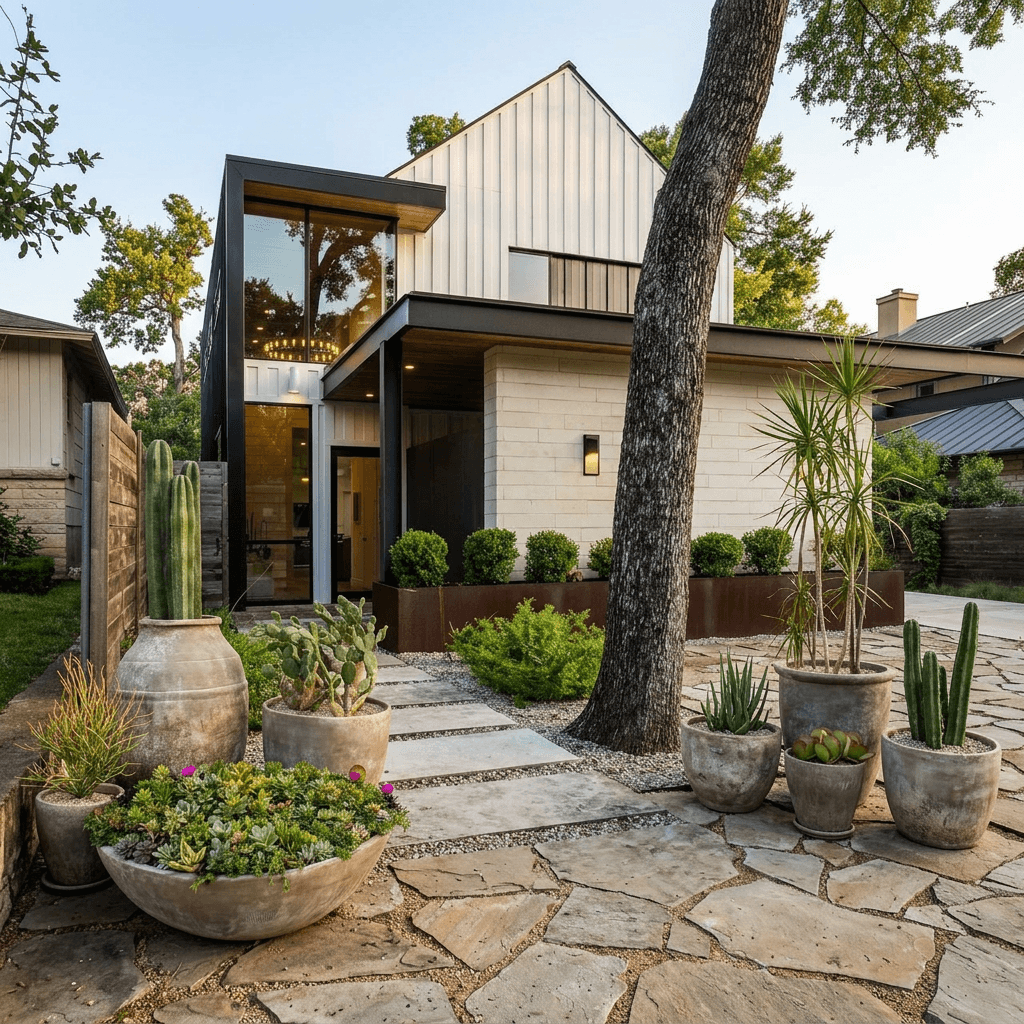
The home exterior has undergone a transformation focusing on enhancing its landscaping and hardscape elements.
$5,000 - $9,500
More Transformations
The home exterior underwent a transformation focused on enhancing the landscape and hardscape design.
$11,500 - $17,200
The transformation involves a shift to a desert-themed landscape with the replacement of grass and small shrubs by cacti and succulents, along with gravel and stone ground cover replacing sod.
$17,500 - $27,000
The home exterior has undergone a transformation focusing on enhancing its landscaping and hardscape elements.
$5,000 - $9,500
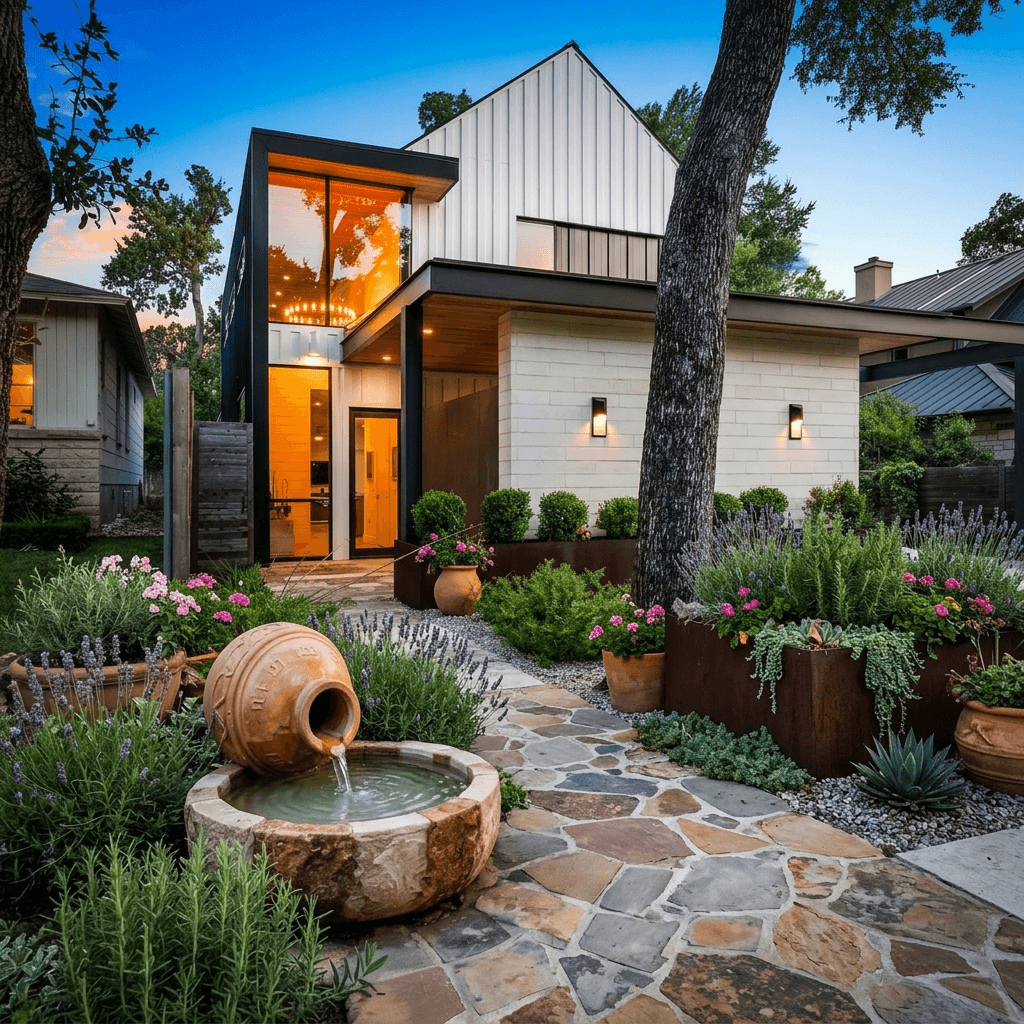
The home's exterior transformation includes extensive landscaping with added plants and flowers, a stone fountain feature, and a new stone walkway replacing the previous path.
$10,500 - $15,200
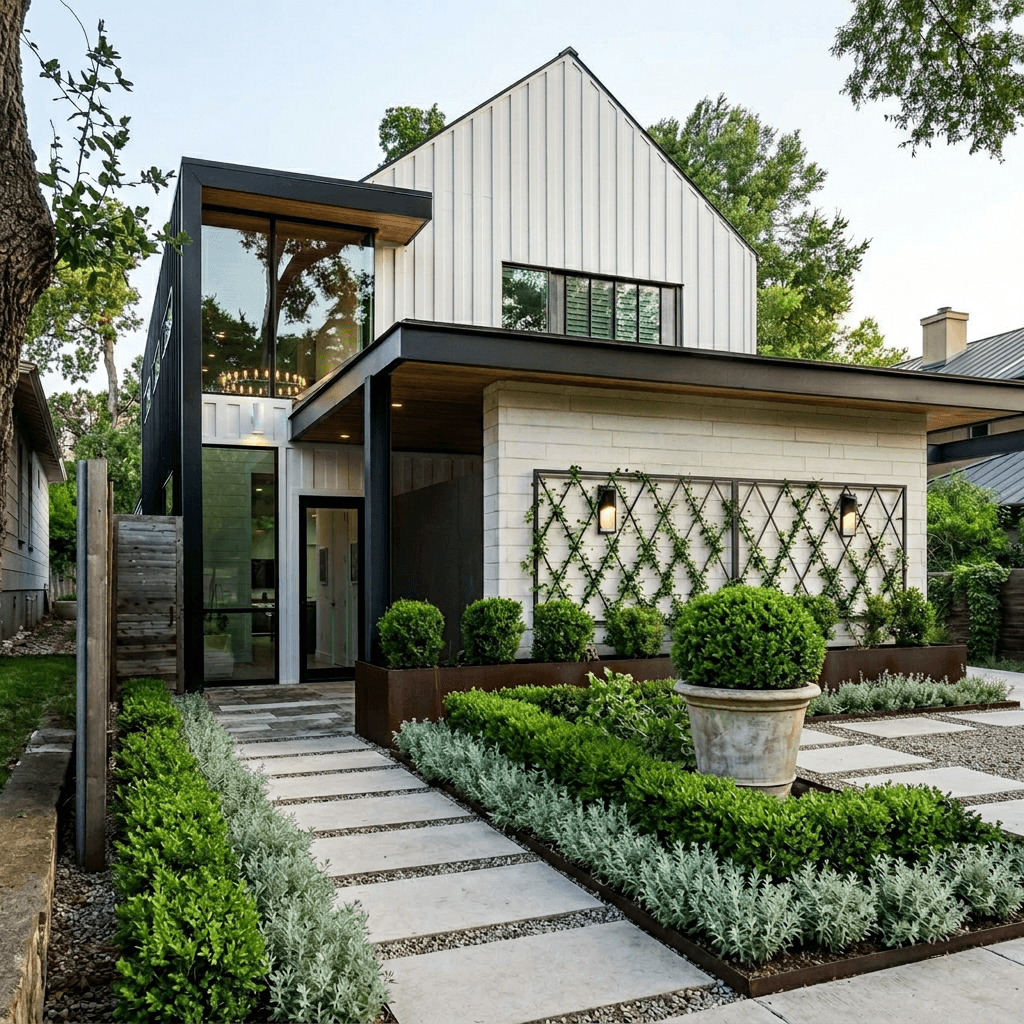
The transformation includes enhanced landscaping with new plants and planters, additional trellis work on the facade, and an upgraded pathway.
$10,000 - $15,000