8 Small Front Yard Landscaping Ideas to Maximize Curb Appeal in 2026
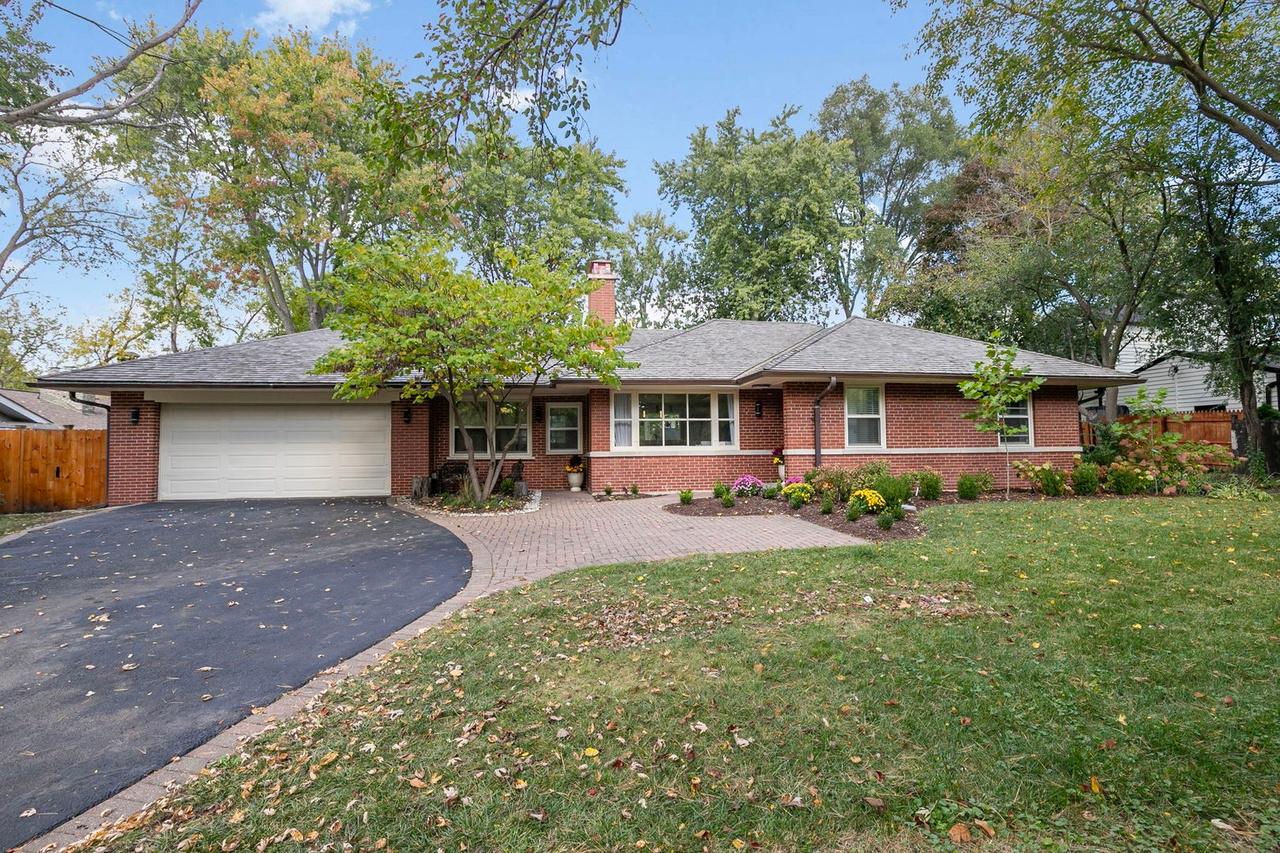
A small front yard isn't a limitation; it's a canvas for focused creativity. The challenge of limited space forces intentional, high-impact design choices that can transform your home's curb appeal more dramatically than a sprawling landscape ever could. Gone are the days of a simple patch of grass being the default option. Today's most compelling small front yard landscaping ideas focus on creating functional, beautiful, and style-forward outdoor ‘rooms’ that extend your home’s personality right to the street. A well-designed small yard makes a powerful first impression, suggesting attention to detail and care that resonates throughout the entire property.
This approach is about maximizing every square foot. From sleek minimalist designs that use clean lines and negative space to create an illusion of size, to lush, overflowing cottage gardens that welcome visitors with vibrant color and fragrance, the right strategy can significantly boost your property's value and your daily enjoyment. It’s about creating a journey from the curb to your front door.
This comprehensive guide moves beyond generic advice to explore eight distinct, actionable strategies tailored for compact spaces. We will provide detailed blueprints and practical steps for implementing styles like Modern Minimalist, Cottage Garden Charm, and Desert Xeriscaping. For each concept, you'll find:
- Specific plant recommendations suited for various climate zones.
- Actionable layout templates and design principles.
- Budget and maintenance level considerations.
We will equip you with the knowledge to turn your small yard into a stunning and purposeful introduction to your home, proving that great design doesn't require a large footprint. Let's explore how to make your front yard a true asset.
1. Modern Minimalist Front Yard
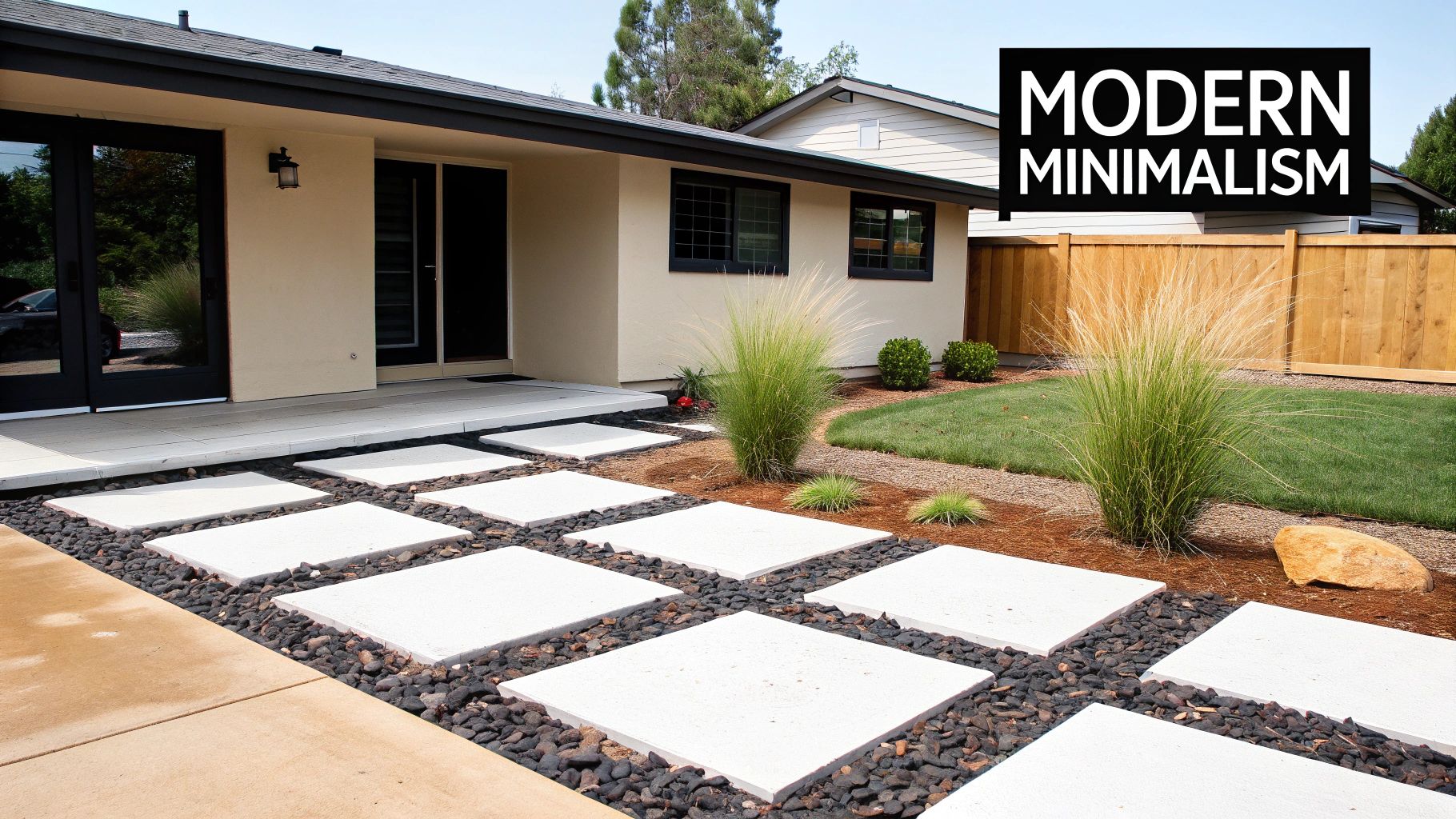
A modern minimalist approach is one of the most effective small front yard landscaping ideas because it champions the principle of "less is more." This style focuses on clean, geometric lines, a restrained plant palette, and the strategic use of hardscape materials like concrete, gravel, and metal. The goal is to create a visually striking yet uncluttered space that feels intentional, organized, and larger than its actual footprint. It’s a perfect match for contemporary, mid-century modern, and urban homes where architecture is a key feature.
Why It Works for Small Spaces
Minimalism naturally avoids the clutter that can make a small yard feel cramped. By emphasizing negative space, or unplanted areas, the design allows each element to stand out. Strong geometric forms in pathways and planter beds create clear sightlines, guiding the eye and enhancing the sense of order and space. This style replaces a traditional, high-maintenance lawn with low-upkeep gravel beds, architectural pavers, and a few sculptural plants, reducing upkeep while maximizing impact.
How to Implement a Modern Minimalist Design
Achieving this look involves careful curation and a focus on form and texture over a profusion of color. Follow these steps to get started:
- Establish a Strong Foundation: Begin with hardscaping. Define walkways with large-format concrete pavers or create a gravel courtyard using decomposed granite or dark river rock. Use steel or aluminum edging to maintain crisp, clean lines between materials.
- Select a Limited Plant Palette: Choose just three to five types of plants and repeat them throughout the design. Focus on plants with strong architectural shapes and year-round interest, such as ornamental grasses (Feather Reed Grass), succulents (Agave), and sculptural evergreens (Dwarf Alberta Spruce).
- Create a Focal Point: Select one standout element to draw attention. This could be a single specimen tree like a Japanese Maple, a minimalist water feature, or a large, striking planter.
- Embrace Asymmetry: Arrange plants in odd-numbered groups (one, three, or five) for a balanced but naturalistic feel. This is a core principle in modern design that avoids rigid symmetry.
This structured and intentional approach elevates your home's exterior, turning a small front yard into a sophisticated architectural statement. To dive deeper into material choices and plant selections, you can explore a wide range of modern landscaping designs and find inspiration that perfectly complements your home's style.
2. Cottage Garden Charm
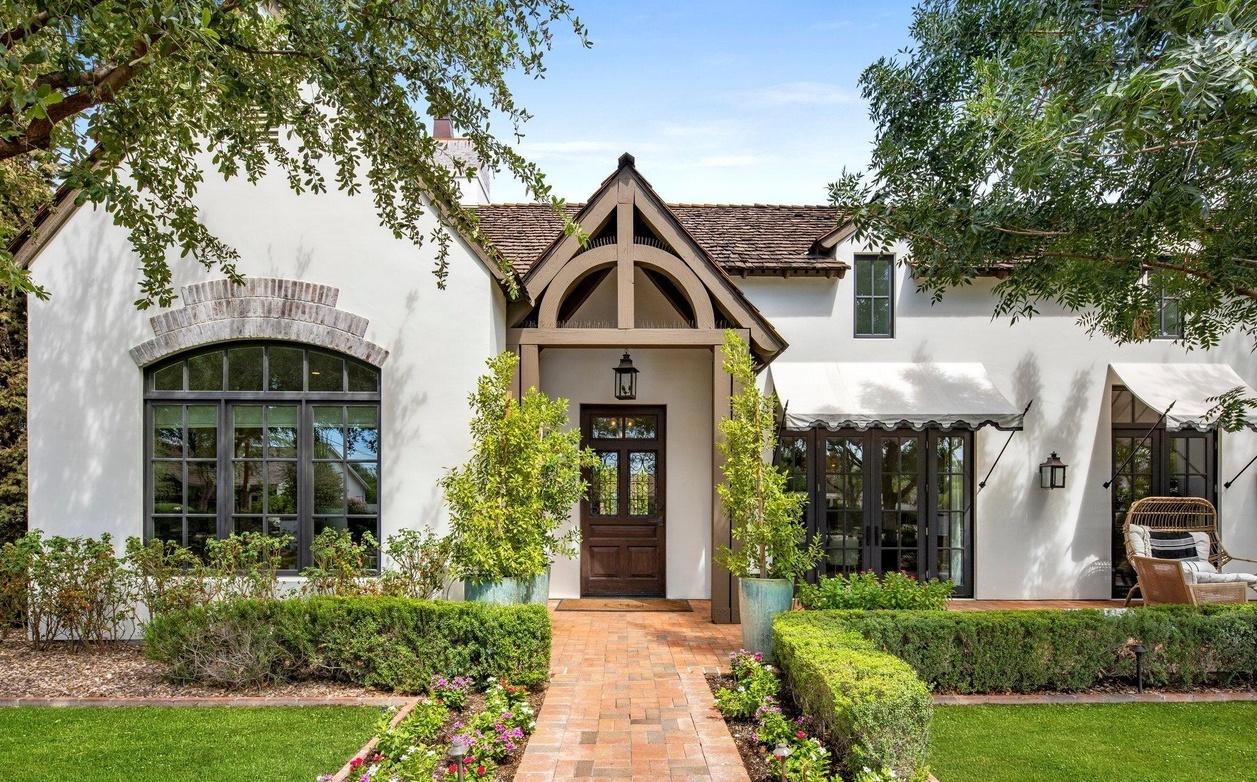
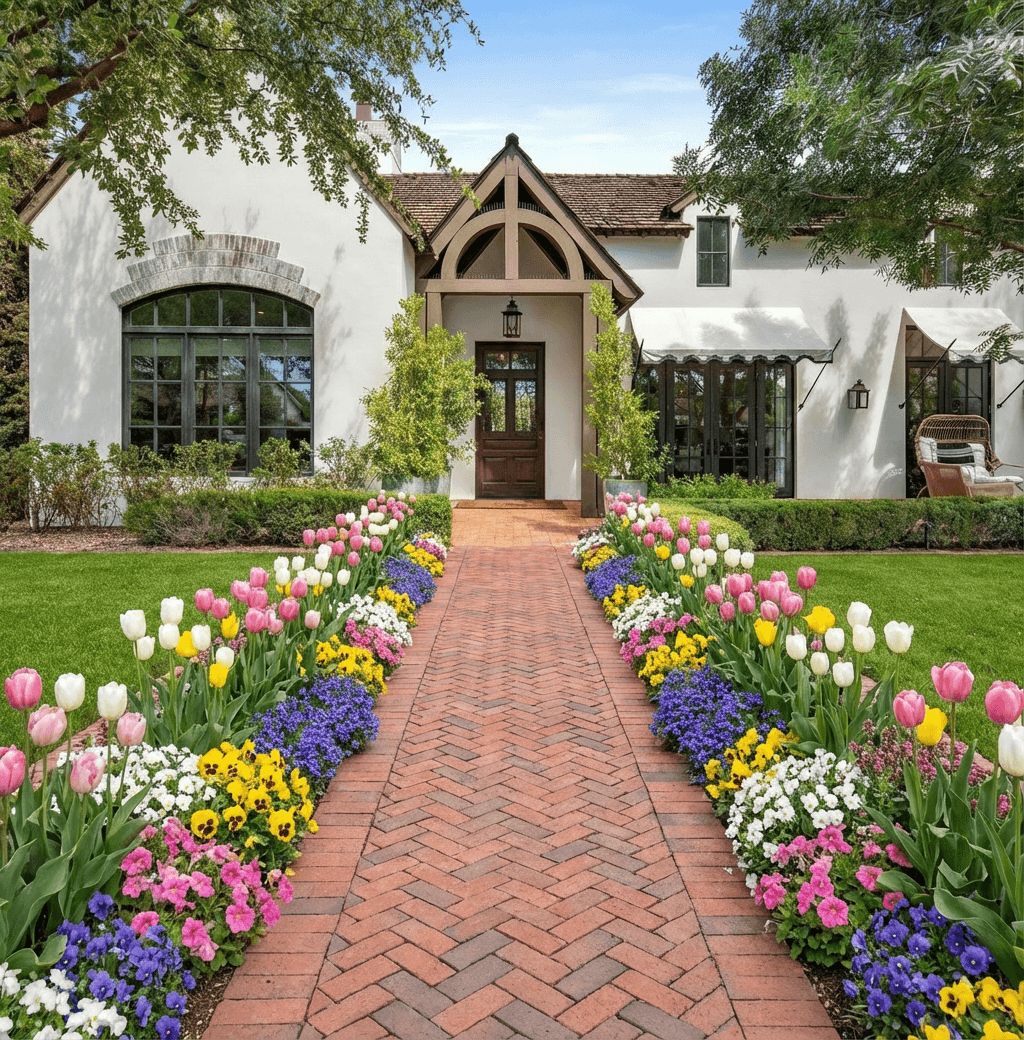
A cottage garden brings romantic, abundant charm to the forefront, making it one of the most beloved small front yard landscaping ideas. This style embraces a seemingly informal, overflowing aesthetic packed with a diverse mix of flowering perennials, annuals, shrubs, and even edibles. The design philosophy is one of joyful abundance, using dense, layered plantings to create a rich tapestry of color, texture, and form. It is the perfect complement for English Tudor, Victorian, farmhouse, and traditional-style homes, adding a touch of whimsical, storybook appeal.
Why It Works for Small Spaces
The cottage garden's "more is more" approach is surprisingly effective in a small yard. By planting in dense layers and using vertical space with climbing vines and tall flowers, you can pack a tremendous amount of visual interest into a compact footprint. This style draws the eye up and around the garden, making the area feel larger and more immersive. Its lack of rigid lines and formal structure means every square inch can be used for planting, turning a tiny patch of lawn into a vibrant, blooming paradise.
How to Implement a Cottage Garden Design
Creating this lush, informal look requires thoughtful planning to achieve a beautifully curated chaos. Follow these steps to cultivate your own cottage garden:
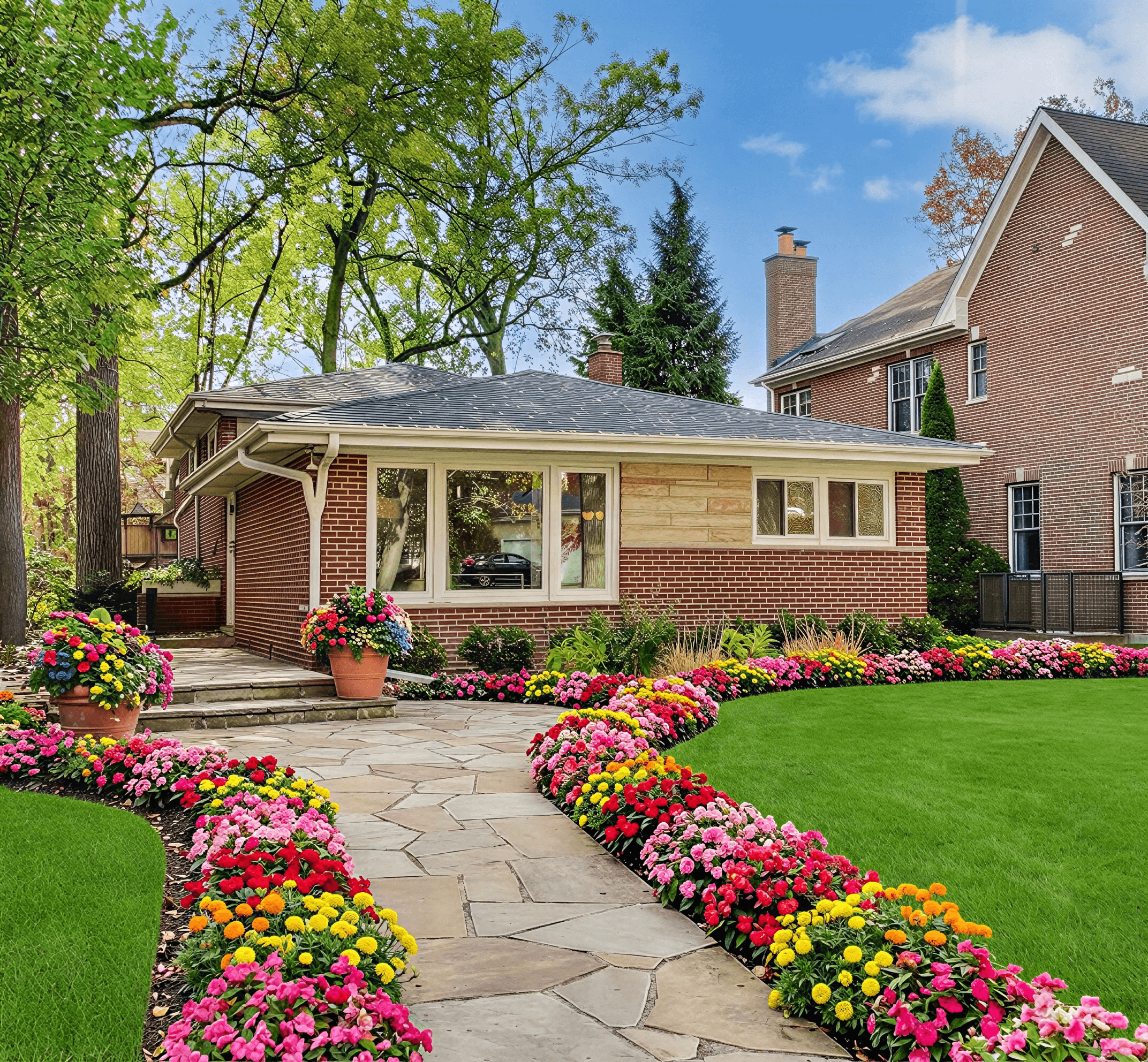
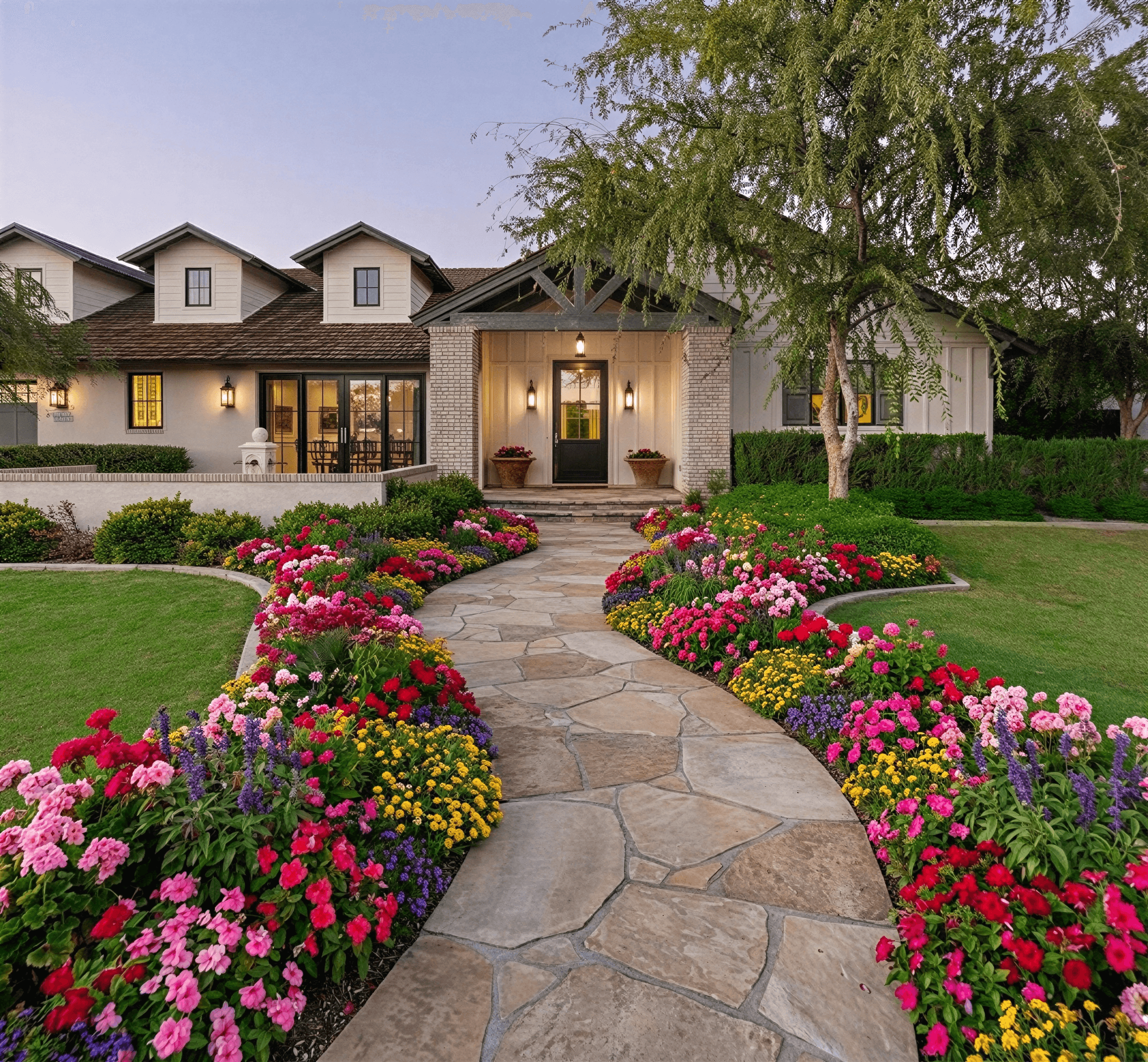
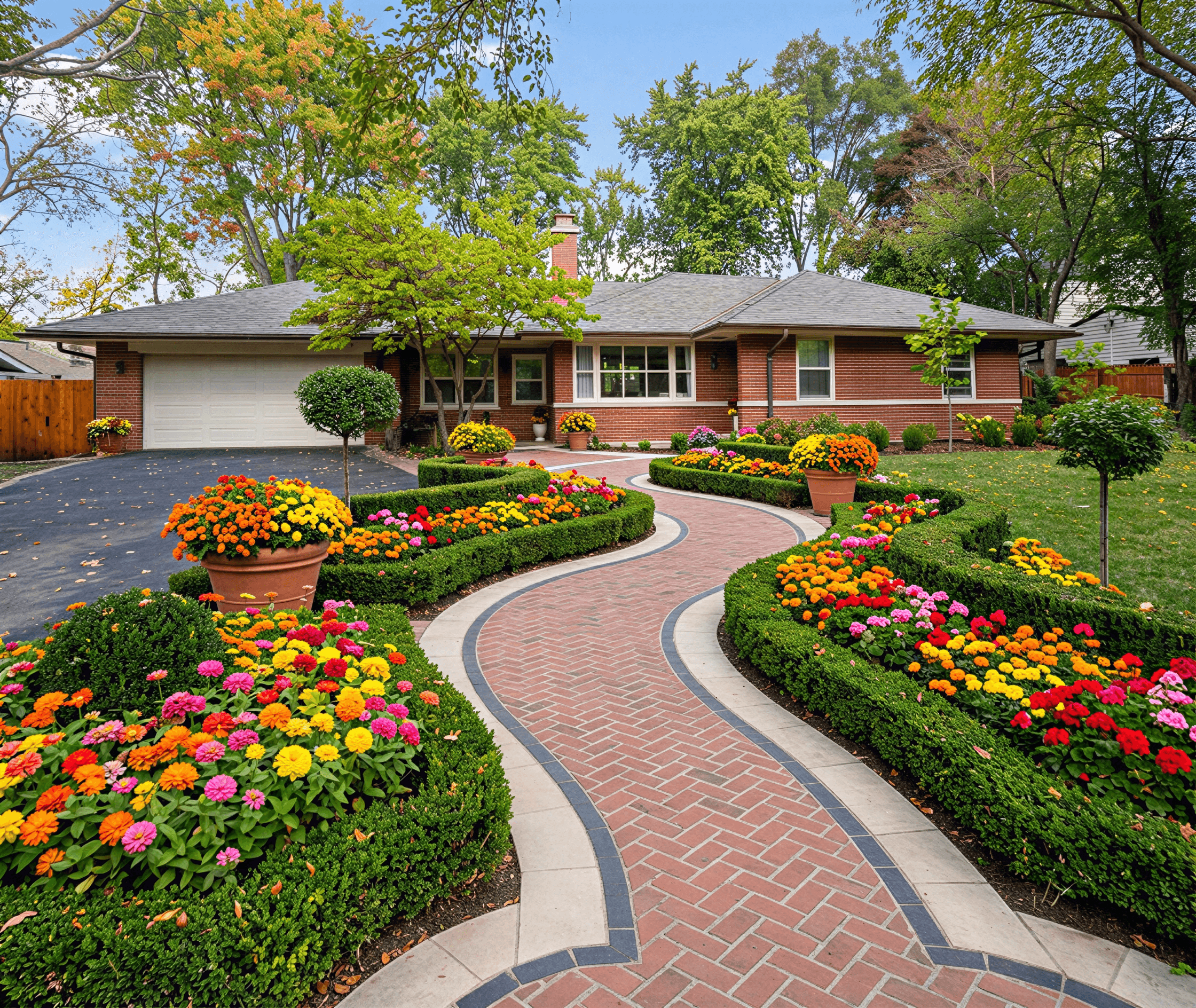
- Establish Informal Pathways: Create gentle, curving walkways using natural materials like flagstone, brick, or gravel. These paths will provide structure amidst the dense plantings and guide visitors through the garden. An arbor or gate at the entrance can add instant charm.
- Layer Your Plantings: Group plants by height. Place taller plants like Delphiniums or Foxgloves at the back, mid-size fillers like Roses and Peonies in the middle, and low-growing or spilling plants like Creeping Thyme or Alyssum along the edges. This creates depth and a full, lush appearance.
- Plan for Succession Blooming: Select a mix of plants that flower at different times throughout the growing season. This ensures your garden has continuous color and interest from spring through fall. Combine spring bulbs, summer perennials, and fall-blooming asters.
- Incorporate Vertical Elements: Use trellises, fences, or the front of your house to support climbing plants like Clematis or climbing roses. This technique draws the eye upward and maximizes planting space without taking up valuable ground area.
This approach transforms a small front yard from a simple lawn into an enchanting and personal garden that welcomes guests with fragrance and color. To help visualize different plant pairings, you can explore a gallery of cottage-style gardens to find combinations that will thrive in your specific climate.
3. Desert Xeriscaping & Native Plants
Xeriscaping is a water-wise landscaping philosophy that is one of the most sustainable small front yard landscaping ideas, particularly for arid climates. This approach minimizes the need for supplemental irrigation by utilizing drought-tolerant and native plants, such as succulents, cacti, and regional grasses. The goal is to create a visually stunning, low-maintenance landscape that conserves water, supports local ecosystems, and thrives in challenging conditions. It’s a perfect solution for homes in the Southwest, California, and other dry regions, or for any eco-conscious homeowner.
Why It Works for Small Spaces
A xeriscaped yard replaces a thirsty lawn with dynamic textures and forms, making a small space feel more interesting and visually expansive. The use of gravel, decorative rock, and strategically placed plants creates a clean, uncluttered look that prevents a small yard from feeling overgrown. By focusing on sculptural plants like agave or yucca and interspersing them with colorful native perennials like California poppies or desert marigolds, the design achieves high visual impact without high density, making the yard appear purposeful and well-designed.
How to Implement a Desert Xeriscaping Design
Creating a thriving xeriscape garden involves smart planning and plant selection. Follow these steps for a successful transition:
- Choose Region-Specific Native Plants: The cornerstone of xeriscaping is using plants adapted to your local climate. Research native species for your area, as they will require the least amount of water and maintenance once established.
- Group Plants by Water Needs: Arrange plants with similar water requirements together in "hydrozones." This practice, known as zoning, prevents overwatering some plants while underwatering others, ensuring efficient water use.
- Incorporate Hardscape and Mulch: Use elements like decomposed granite paths, river rock beds, or boulders to add structure and reduce the amount of planted area. Apply a thick layer of organic or inorganic mulch (like gravel or shredded bark) to retain soil moisture, suppress weeds, and regulate soil temperature.
- Install Efficient Irrigation: A drip irrigation system or soaker hoses deliver water directly to plant roots, minimizing evaporation. Once established, most native plants will need very little supplemental watering.
This approach not only dramatically cuts down on water usage and maintenance but also creates a resilient landscape that celebrates your region's natural beauty. For more ideas on plant selection and design, you can find a wealth of inspiration for drought-tolerant landscaping that will help you create a beautiful and sustainable front yard.
4. Mediterranean & Coastal Elegance
Inspired by the sun-drenched coastlines of Italy, Greece, and Spain, a Mediterranean design is one of the most sophisticated small front yard landscaping ideas. This style pairs drought-tolerant, sculptural plants with warm, earthy hardscape materials to create an atmosphere of rustic luxury and timeless appeal. It relies on texture, fragrance, and strong architectural forms to craft a welcoming and elegant entry that feels like a permanent vacation getaway, perfect for Tuscan, Spanish-style, or coastal homes.
Why It Works for Small Spaces
The Mediterranean aesthetic thrives in compact areas because it emphasizes vertical elements and curated focal points over expansive lawns. A single, slender Italian Cypress or a gnarled olive tree can add significant height and drama without consuming valuable ground space. The use of gravel, stone, and terracotta containers adds texture and warmth while requiring minimal maintenance and water, making the design both beautiful and practical. This style’s focus on a limited, yet impactful, plant selection prevents a small yard from feeling cluttered.
How to Implement a Mediterranean Design
Creating this coastal-inspired look involves a thoughtful blend of plants and hardscape materials that evoke a warm, sun-baked environment. Follow these steps to get started:
- Choose Warm-Toned Hardscaping: Lay a foundation with materials like decomposed granite, pea gravel in golden or tan hues, or flagstone pavers. These materials reflect heat and create the bright, airy feel characteristic of the region.
- Select a Drought-Tolerant Plant Palette: Focus on iconic Mediterranean plants. Incorporate fragrant herbs like Lavender and Rosemary for their scent and silvery foliage. Use ornamental grasses for movement and texture. Olive trees and Italian Cypress provide essential vertical structure.
- Incorporate a Striking Focal Point: Anchor the design with a central element. This could be a multi-trunk olive tree, a large terracotta urn planted with succulents, or a small bubbling fountain. This draws the eye and gives the small space a clear sense of purpose.
- Use Containers Strategically: Place terracotta pots and urns of various sizes to add layers and elevation. They are perfect for framing an entryway or adding a splash of color with flowering plants like Bougainvillea or Geraniums.
This approach transforms a small front yard into a sophisticated, low-water retreat that is rich in sensory details. To visualize how specific plants like lavender and olive trees would look in your space, you can use the Mediterranean style filter to generate designs suited to your home and climate.
5. Japanese Zen & Contemplative Spaces
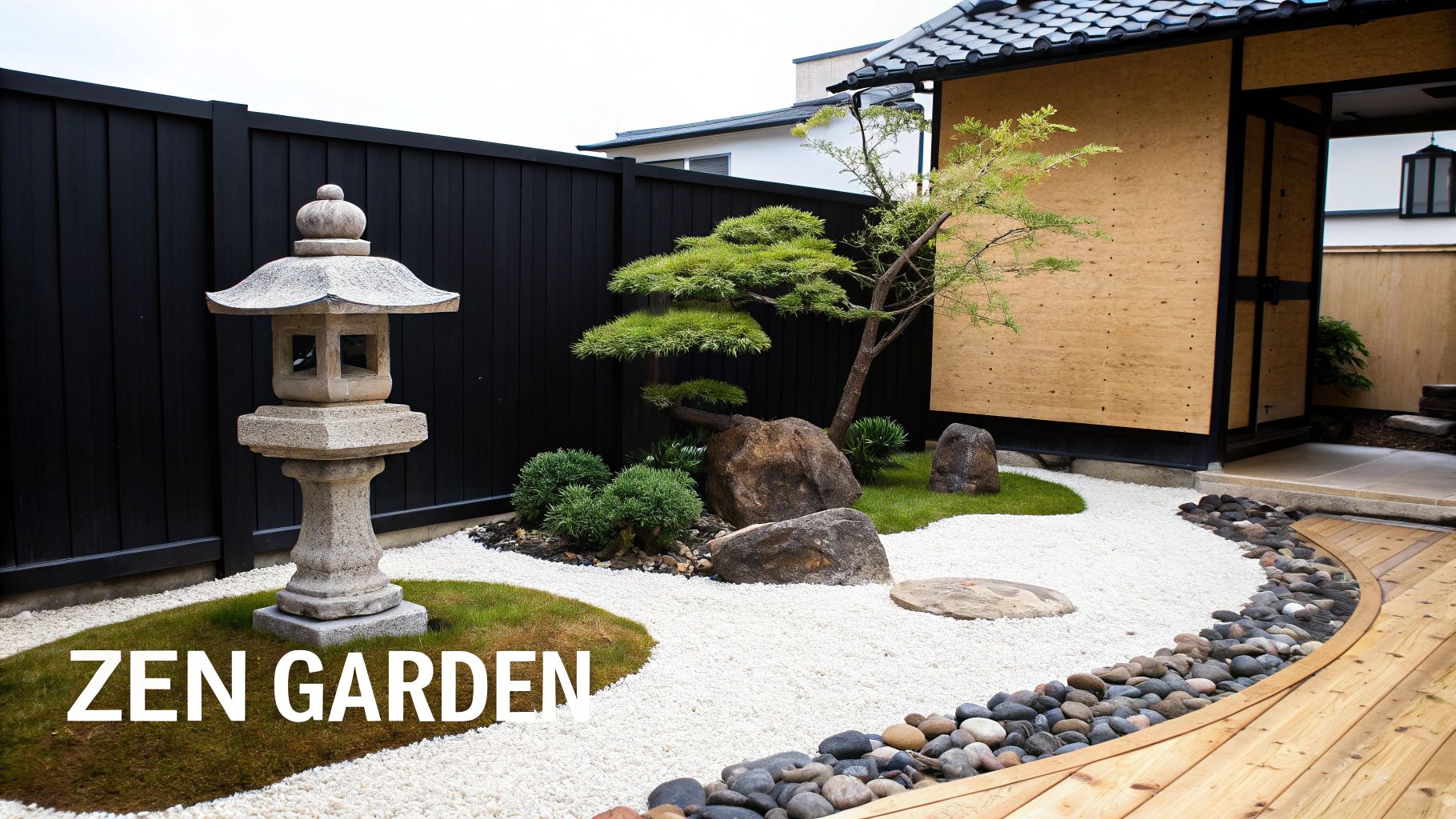
Creating a Japanese Zen garden is one of the most profound small front yard landscaping ideas because it transforms a limited area into a tranquil, meditative retreat. This style emphasizes simplicity, natural elements, and thoughtful composition to evoke a sense of peace and balance. Rather than filling the space with dense plantings, Zen design uses carefully placed rocks, pruned plants, gravel, and often a water element to create a serene and artful scene. It's a perfect fit for homeowners seeking a low-maintenance, high-impact landscape that offers a moment of calm.
Why It Works for Small Spaces
The core principles of Japanese Zen design are perfectly suited for small front yards. This approach celebrates the beauty of restraint and the power of negative space, making a compact area feel intentional and uncluttered. Instead of a lawn, raked gravel or sand can represent water, creating a clean, expansive ground plane that visually enlarges the space. Each element, from a single sculptural rock to a carefully pruned maple, is chosen for its specific form and purpose, ensuring that even a tiny yard feels like a complete and harmonious landscape.
How to Implement a Japanese Zen Design
Achieving a Zen-inspired space requires a focus on symbolism, natural materials, and meticulous placement. Follow these steps to create your own contemplative garden:
- Arrange Natural Elements Thoughtfully: Begin by placing a few large, unique rocks (Ishi) to serve as the garden's foundation or "bones." Arrange them in odd-numbered groups (three or five is common) to create a natural, asymmetrical balance. These rock arrangements are central to the design, so for more inspiration, consider exploring different approaches to landscaping with rocks to find a style that resonates.
- Select a Refined Plant Palette: Choose plants known for their elegant forms and year-round interest. Japanese Maples (Acer palmatum), Dwarf Hinoki Cypress, and Mondo Grass are classic choices. Add texture with moss between stones or as a groundcover.
- Create a Symbolic "Water" Feature: Use light-colored gravel or sand to create a karesansui (dry landscape). Rake it in patterns to symbolize the ripples of water, a central practice in Zen gardening that adds a meditative quality.
- Incorporate a Focal Point: Add a single, meaningful element like a stone lantern (Tōrō), a small bamboo water fountain (Shishi-odoshi), or a beautiful specimen tree. This element should draw the eye and anchor the entire composition.
This approach turns your front yard from a simple lawn into a peaceful sanctuary, offering a unique and sophisticated welcome that calms the mind and enhances your home's curb appeal.
6. Tropical & Lush Oasis
A tropical and lush oasis is one of the most dramatic small front yard landscaping ideas, transforming a compact area into a vibrant, vacation-like retreat. This style embraces bold foliage, exotic flowers, and dense, layered plantings to create a sense of immersive paradise. It relies on large leaves, dramatic textures, and a profusion of color to make a powerful statement, perfect for homes in warm climates or for homeowners aiming to create a unique, resort-inspired atmosphere.
Why It Works for Small Spaces
A tropical design excels in small yards by using vertical space and visual density to its advantage. Layering plants of different heights, from groundcovers to tall palms, creates a sense of depth and enclosure that makes the space feel like a secluded haven rather than a small plot. The large, architectural leaves of plants like Bird of Paradise or Elephant Ears act as living sculptures, commanding attention and making the yard feel grand and intentionally designed, distracting from its limited dimensions.
How to Implement a Tropical & Lush Design
Creating this vibrant look is all about layering, texture, and strategic pops of color. Here are the key steps to cultivate your own front yard paradise:
- Layer Plants by Height: Start with a taller "canopy" layer using plants like pygmy date palms or banana trees. Add a mid-story layer with bold shrubs like Croton or Ti plants, and finish with a groundcover layer of plants like Bromeliads or Mondo Grass.
- Emphasize Bold Foliage: Mix and match leaf shapes, sizes, and colors. Contrast the huge leaves of an Alocasia with the feathery fronds of a fern. Use plants with variegated or brightly colored leaves (lime green, deep red, vibrant yellow) to create visual excitement year-round.
- Incorporate Exotic Flowers: Use flowering plants as focal points. A strategically placed Hibiscus, Bougainvillea, or Plumeria can provide stunning bursts of color that draw the eye and serve as the star of the garden.
- Maintain a Moist Environment: Tropical plants thrive in humidity and consistent moisture. Install a drip irrigation system or soaker hoses to deliver water directly to the roots. Applying a thick layer of organic mulch will help retain soil moisture and suppress weeds.
- Choose Hardy Varieties: If you live in a marginal climate, select cold-hardy tropical-style plants. Varieties like the Windmill Palm and Canna Lily can provide a tropical feel while withstanding cooler temperatures.
This approach turns a small yard into an expressive and energetic landscape. To experiment with different tropical plant combinations and find what works best for your home and climate, you can use landscaping design tools to visualize your own tropical-style garden before you start planting.
7. Cottage-Core & Farmhouse Aesthetic
The cottage-core and farmhouse aesthetic is one of the most charming small front yard landscaping ideas for creating a warm, inviting, and nostalgic atmosphere. This style embraces intentional imperfection, drawing inspiration from countryside simplicity and pastoral romance. It features informal, overflowing flower beds, vintage or rustic hardscaping, and a mix of ornamental and edible plants. The goal is to create a landscape that feels authentic, personal, and lovingly tended over time, perfect for historic homes and modern farmhouses alike.
Why It Works for Small Spaces
The cottage style’s emphasis on dense, layered planting makes it exceptionally well-suited for small yards. By filling the space with a variety of textures, colors, and heights, you create a sense of lush abundance that distracts from the limited square footage. Vertical elements like climbing roses on a trellis or a rustic arbor draw the eye upward, adding dimension without consuming valuable ground space. This approach turns a compact area into an enchanting and immersive garden scene.
How to Implement a Cottage & Farmhouse Design
Achieving this look is about balancing romantic abundance with underlying structure to prevent it from looking messy. Follow these steps to cultivate your own charming front yard:
- Establish a Charming Framework: Begin with rustic hardscaping. A winding flagstone path, a low picket fence, or a vintage-style arbor provides structure and a sense of entry. These elements define the space and guide the eye through the informal plantings.
- Embrace Abundant, Mixed Plantings: Choose a mix of perennials, annuals, and even edibles. Classic cottage plants include climbing roses, foxgloves, lavender, and daisies. Intersperse them with herbs like rosemary or heirloom tomatoes to blend beauty with function.
- Incorporate Vintage and Reclaimed Materials: Add character with authentic details. Use a reclaimed wooden gate as a focal point, plant flowers in a vintage watering can, or use weathered terra-cotta pots. These elements tell a story and add a layer of handmade charm.
- Allow for Controlled Chaos: While the look is informal, it's not unkempt. Use subtle edging like river rocks or bricks to keep garden beds contained. Allow plants to self-seed and spill over pathways slightly, but prune regularly to maintain clear access and shape.
This heartfelt approach transforms your home's entrance into a welcoming haven, proving that even the smallest front yard can be rich with personality and life.
8. Contemporary Edible & Pollinator Gardens
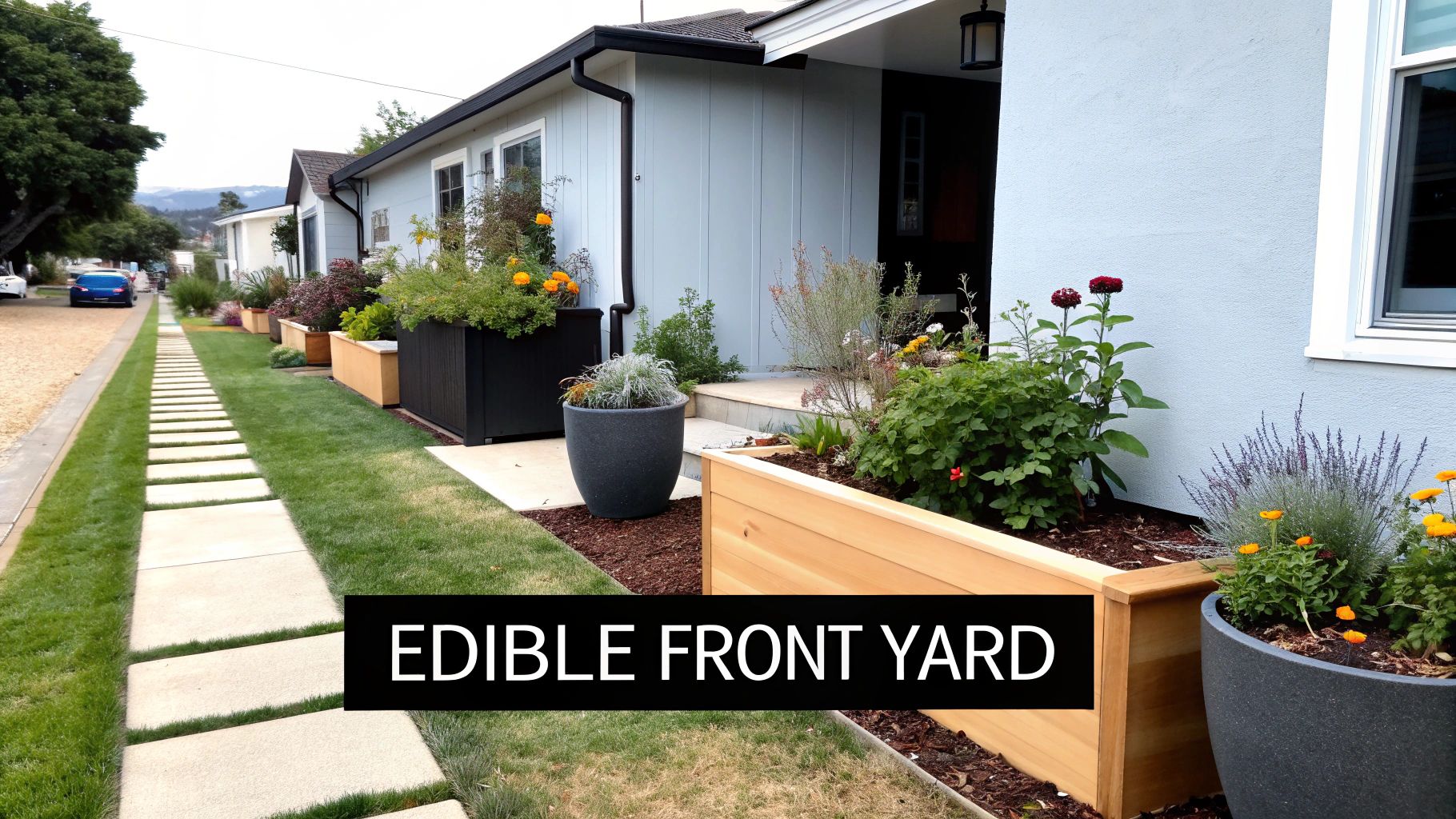
A contemporary edible and pollinator garden is one of the most functional small front yard landscaping ideas, transforming a purely ornamental space into a productive and beautiful ecosystem. This approach integrates vegetables, herbs, berry plants, and pollinator-friendly flowers into a cohesive, modern design. The goal is to create a front yard that is both aesthetically pleasing and provides fresh produce, all while supporting local biodiversity. It's a perfect fit for eco-conscious homeowners, urban homesteaders, and anyone looking to merge sophisticated curb appeal with a sustainable lifestyle.
Why It Works for Small Spaces
This style maximizes the utility of every square foot, which is critical in a small yard. Instead of a uniform lawn, the space is layered with productive plants of varying heights, colors, and textures, creating visual interest that makes the area feel more dynamic and less confined. Raised beds and vertical planters draw the eye upward, adding a sense of volume. By combining food production with pollinator habitats, you create a self-sustaining micro-environment that is both beautiful and beneficial.
How to Implement a Contemporary Edible & Pollinator Garden
Creating this functional landscape requires thoughtful planning to ensure it looks organized and stylish, not like a messy farm plot. Here’s how to get started:
- Choose Modern Planters: Use sleek raised beds made from metal, composite materials, or dark-stained cedar to create a polished, contemporary look. These defined structures keep the garden tidy and accessible.
- Integrate Edible Ornamentals: Select plants that are both beautiful and edible. Bright Lights Swiss chard, Purple Sprouting broccoli, ornamental kales, and the vibrant flowers of nasturtiums add color and texture just like traditional ornamental plants.
- Attract Pollinators: Intersperse your vegetable rows with pollinator-attracting flowers like lavender, salvia, coneflowers, and borage. This not only supports bees and butterflies but also improves the pollination and yield of your edible plants.
- Select Compact Varieties: Choose dwarf or container-friendly varieties of vegetables and fruits, such as patio tomatoes, bush cucumbers, and dwarf berry bushes, which are specifically bred for small-space gardening.
- Plan for Access: Design clear pathways using gravel, pavers, or wood chips to ensure you can easily access your plants for watering, weeding, and harvesting without compacting the soil.
This approach turns your front yard into a beautiful, productive extension of your home. It’s a powerful way to connect with your food source while enhancing your property's curb appeal in a meaningful, modern way.
8-Style Small Front Yard Landscaping Comparison
| Style | 🔄 Implementation complexity | 💡 Resource requirements | ⚡ Maintenance & efficiency | ⭐ Expected outcomes | 📊 Ideal use cases |
|---|---|---|---|---|---|
| Modern Minimalist Front Yard | 🔄 Moderate — precise hardscape layout and plant placement | 💡 Moderate materials cost (hardscape-heavy; few plants) | ⚡ Low — drought/low-maintenance elements | ⭐⭐⭐ High curb appeal and photogenic, limited seasonal color | 📊 Small urban yards; modern architecture; real-estate staging |
| Cottage Garden Charm | 🔄 Moderate–High — layered planting and succession planning | 💡 Higher plant diversity and ongoing inputs | ⚡ Higher — regular deadheading, pruning | ⭐⭐⭐ Abundant, welcoming look with strong seasonal interest | 📊 Temperate yards; historic or farmhouse homes; pollinator-friendly sites |
| Desert Xeriscaping & Native Plants | 🔄 Low–Moderate — plant selection focused, simple layout | 💡 Low water needs; upfront cost for rock/hardscape and natives | ⚡ Very high efficiency — low water, low upkeep once established | ⭐⭐⭐ Sustainable, sculptural aesthetic; slower establishment | 📊 Arid climates, water-restricted areas, eco-conscious homeowners |
| Mediterranean & Coastal Elegance | 🔄 Moderate — combines stonework with specimen plantings | 💡 Moderate–High (stone, specimen trees, fragrant perennials) | ⚡ Moderate — water-wise but needs pruning/establishment watering | ⭐⭐⭐ Elegant, upscale, fragrant curb appeal | 📊 Warm/coastal climates; upscale/resort-style properties |
| Japanese Zen & Contemplative Spaces | 🔄 High — requires thoughtful composition and design skill | 💡 Moderate (quality materials, specialty plants, water feature) | ⚡ Moderate — pruning and water-feature maintenance | ⭐⭐⭐ Tranquil, space-efficient, timeless visual impact | 📊 Small contemplative yards; modern/traditional homes; meditation spaces |
| Tropical & Lush Oasis | 🔄 Moderate–High — dense layering and microclimate planning | 💡 High water and plant investment; may need humidity control | ⚡ Low efficiency — high watering and pruning needs | ⭐⭐⭐ Dramatic, vacation-like impact in warm zones | 📊 Warm zones (9–11); coastal properties; resort-inspired gardens |
| Cottage-Core & Farmhouse Aesthetic | 🔄 Low–Moderate — informal but intentionally composed | 💡 Moderate (reclaimed materials, mixed ornamentals/edibles) | ⚡ Moderate — weeding, seasonal care | ⭐⭐ Charming, approachable, trend-forward curb appeal | 📊 Farmhouse/historic homes; casual neighborhoods; mixed edible beds |
| Contemporary Edible & Pollinator Gardens | 🔄 Moderate — balance of aesthetics and productivity | 💡 Moderate–High (raised beds, irrigation, diverse plantings) | ⚡ Moderate — active care but provides yield/ecosystem benefits | ⭐⭐⭐ Functional beauty; supports pollinators and produces food | 📊 Eco-conscious homeowners; urban lots; educational or productive gardens |
From Vision to Reality: Your Next Steps to a Stunning Front Yard
You've just explored a comprehensive toolkit of eight distinct and powerful small front yard landscaping ideas, ranging from the sleek lines of Modern Minimalism to the abundant charm of a Cottage-Core garden. We’ve moved beyond generic advice, providing you with actionable layouts, climate-specific plant recommendations, and practical implementation steps for each unique aesthetic. The journey from an uninspired patch of grass to a stunning, high-impact entryway is not about having more space; it's about making smarter, more intentional choices with the space you have.
The core takeaway is that a small yard is not a limitation but an opportunity for focused, creative design. Whether you’re drawn to the water-wise wisdom of Xeriscaping, the serene balance of a Japanese Zen garden, or the vibrant energy of a Tropical oasis, the right design will amplify your home's character and extend your living space outdoors.
Synthesizing Your Inspiration into an Actionable Plan
The path forward begins with a clear-eyed assessment of your specific context. Before you buy a single plant or lift a single paver, take a moment to ground your vision in reality. This crucial step will save you time, money, and frustration down the road.
Your Three-Step Action Blueprint:
-
Site & Style Assessment:
- Analyze Your Environment: Map your yard's sun exposure throughout the day (full sun, part shade, full shade). Test your soil's pH and composition. Most importantly, identify your USDA Hardiness Zone to ensure any plants you choose will thrive.
- Complement Your Architecture: Look at your home. Is it a modern new-build, a classic colonial, a rustic farmhouse, or a mid-century ranch? The most successful small front yard landscaping ideas create a harmonious dialogue between the house and the garden. A Mediterranean landscape might clash with a craftsman home, while a Cottage garden could feel out of place against a starkly modern facade.
- Define Your Lifestyle: Be honest about your commitment. Do you envision spending weekends tending to a lush, edible garden, or do you need a "set it and forget it" landscape that looks great with minimal effort? Your answer will immediately narrow down your options to the most suitable styles.
-
Eliminate the Guesswork with Visualization:
- The single biggest challenge for homeowners is bridging the gap between an idea on a page and the reality in their yard. It's difficult to picture how a specific plant combination, walkway material, or garden bed shape will actually look against your home.
- This is where modern technology becomes an indispensable tool. Instead of relying on imagination alone, you can remove all uncertainty. Using a platform that generates photorealistic designs based on an actual image of your property de-risks the entire project.
-
Phase Your Implementation:
- Once your vision is clear and visually confirmed, break the project into manageable phases. Don't feel pressured to do everything at once.
- Phase 1 (The Foundation): Focus on hardscaping, soil amendment, and irrigation.
- Phase 2 (The Structure): Plant larger structural elements like trees and shrubs.
- Phase 3 (The Details): Add perennials, groundcovers, mulch, and decorative accents.
By following this structured approach, you transform a collection of inspiring small front yard landscaping ideas into a concrete, achievable project. You move from dreaming to doing, equipped with a plan that is perfectly tailored to your home, your climate, and your life. The result is a beautifully executed front yard that not only elevates your curb appeal but also brings you joy every time you come home.
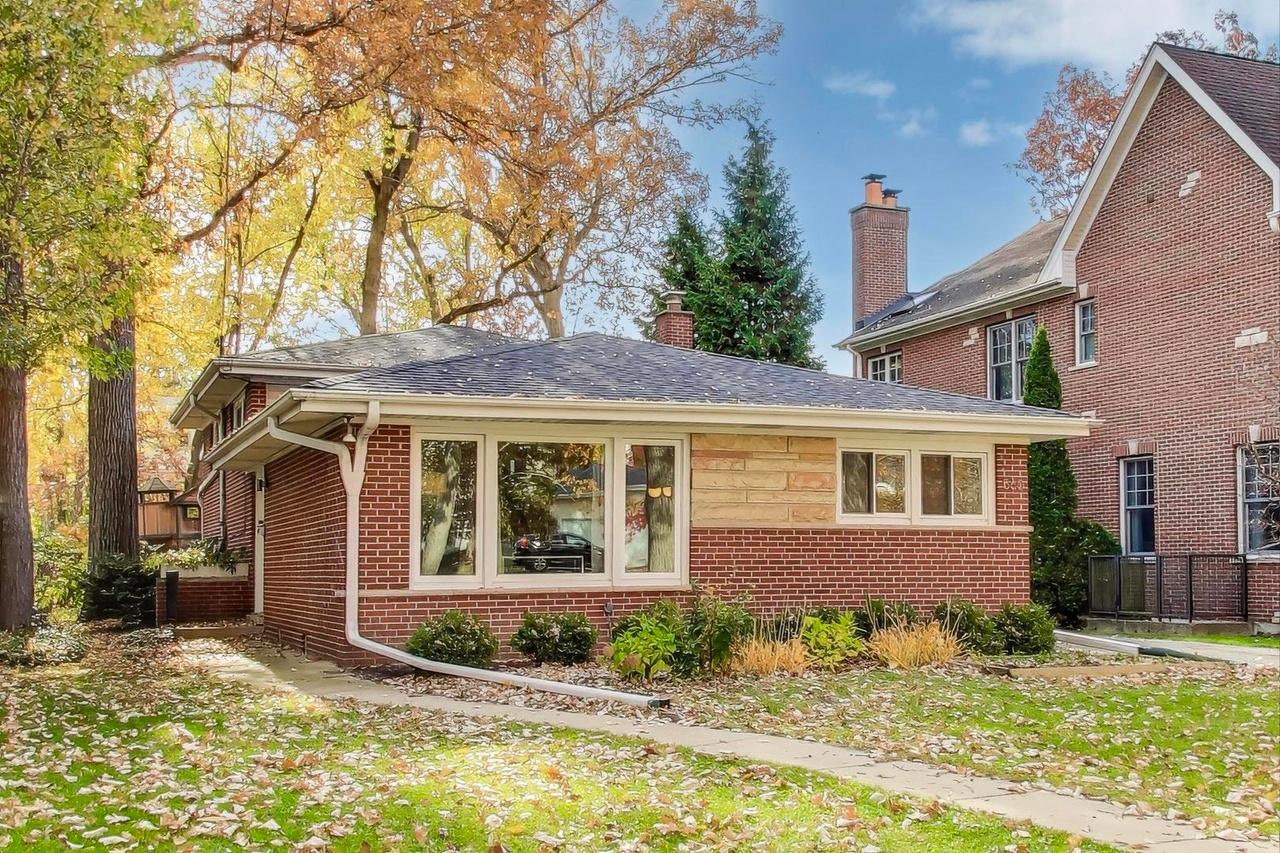
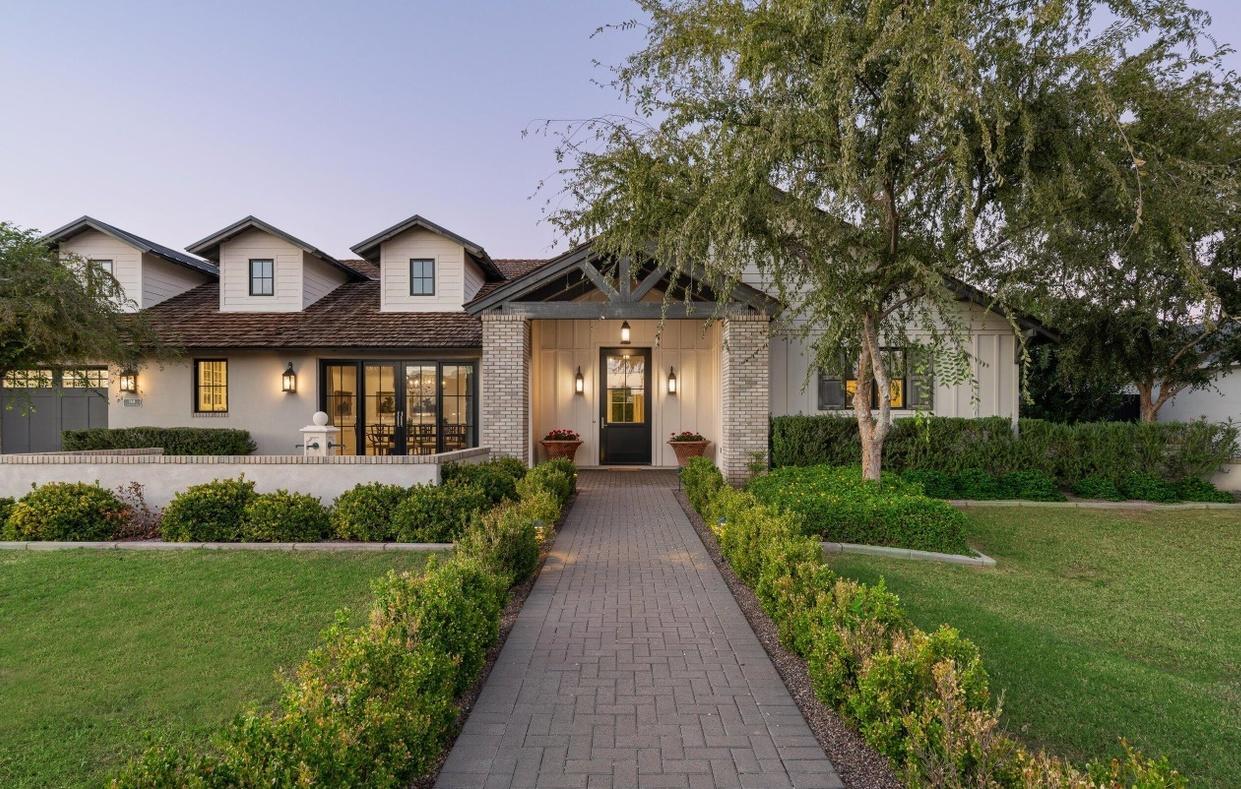
Ready to see how these styles would look on your own home? Stop guessing and start visualizing with Curb Appeal AI. Upload a photo of your front yard and instantly generate stunning, photorealistic landscape designs in seconds, complete with climate-appropriate plant lists. Try it now and bring your vision to life at Curb Appeal AI.