A Homeowner's Guide to Landscaping for Florida
Landscaping in Florida isn't about fighting the elements; it's about working with them. If you learn to embrace the intense sun, sandy soil, and seasonal storms, you can create a gorgeous, resilient yard that practically takes care of itself.
Thriving in the Sunshine State
Creating a beautiful Florida landscape is a rewarding experience, but it requires a different mindset. You have to learn to partner with the climate, not wage war against it. The secret weapon? A simple but powerful principle I tell every homeowner: “right plant, right place.” This guide is designed to show you exactly how to put that principle into practice.
From the Panhandle down to the Keys, landscaping is a huge part of Florida's identity and its economy. The state’s green industry—which includes thousands of landscape service businesses—generated an economic impact of nearly $42 billion in 2023. This boom is driven by a constant influx of new residents who want beautiful, functional outdoor spaces to enjoy the Florida lifestyle. You can learn more about the industry's growth and its crucial role in the state's economy.
Your Quick-Reference Guide
Before we dive deep, let's get a bird's-eye view of the common hurdles you'll face. Think of this as your cheat sheet for smart Florida landscaping.
The table below breaks down the biggest challenges and the go-to strategies we'll explore throughout this guide.
Florida Landscaping Challenges and Smart Solutions
| Challenge | Strategic Solution | Key Benefit |
|---|---|---|
| Intense Sun & Heat | Choose sun-loving, heat-tolerant native plants and use mulch to retain soil moisture. | Prevents scorched leaves and drastically cuts down on watering. |
| Sandy, Nutrient-Poor Soil | Amend soil with compost and other organic matter to improve its structure and fertility. | Creates a rich foundation that supports healthy, deep root growth. |
| Hurricane-Force Winds | Select wind-resistant trees and group smaller plants in clusters for mutual support. | Minimizes expensive storm damage and helps protect your home. |
| High Humidity & Pests | Ensure good air circulation between plants and avoid overwatering to keep roots healthy. | Reduces the risk of frustrating fungal diseases and pest infestations. |
| Coastal Salt Spray | Use salt-tolerant plants that can handle salty air and soil if you're near the coast. | Allows you to have a thriving garden even in harsh coastal conditions. |
Understanding these solutions is the first step toward creating a landscape that works for you, not the other way around.
Visualizing Your Florida Yard
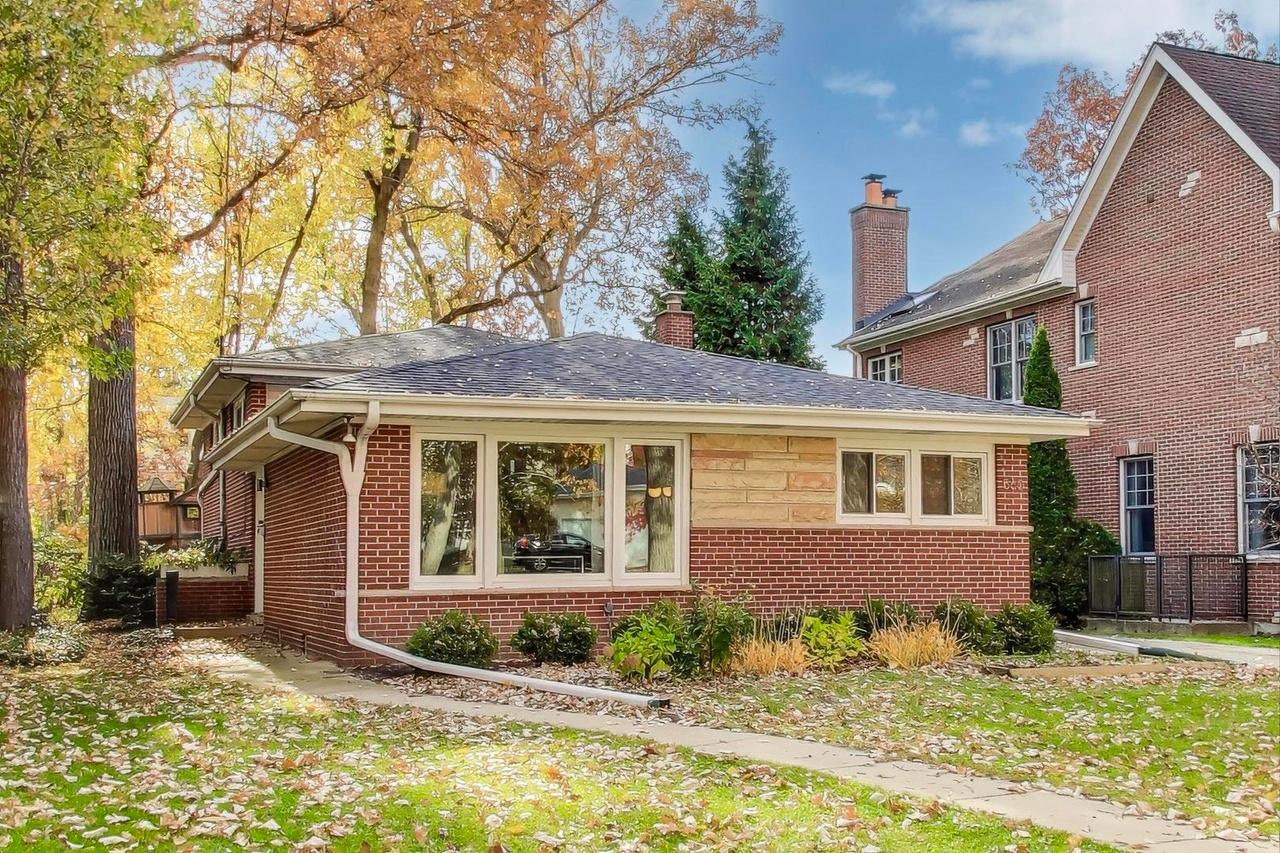
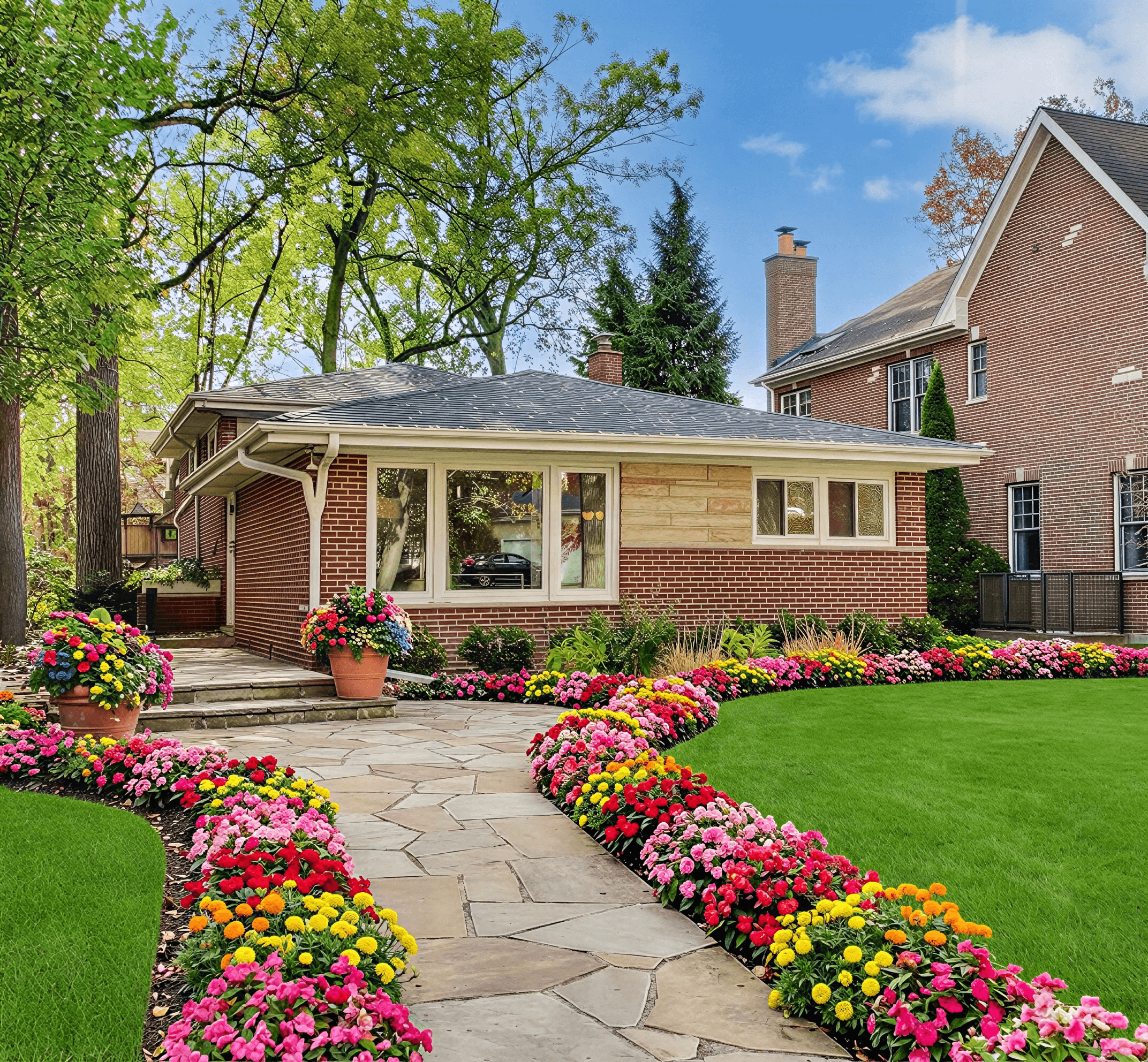
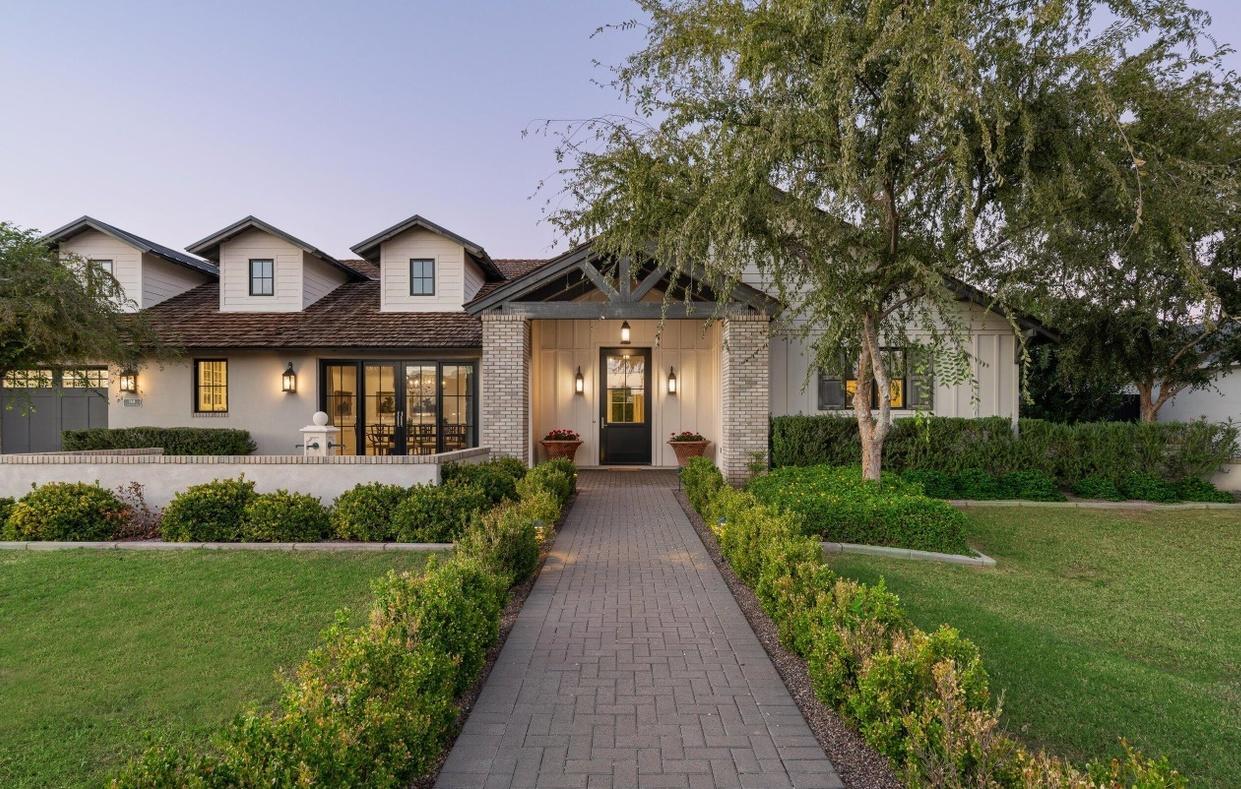
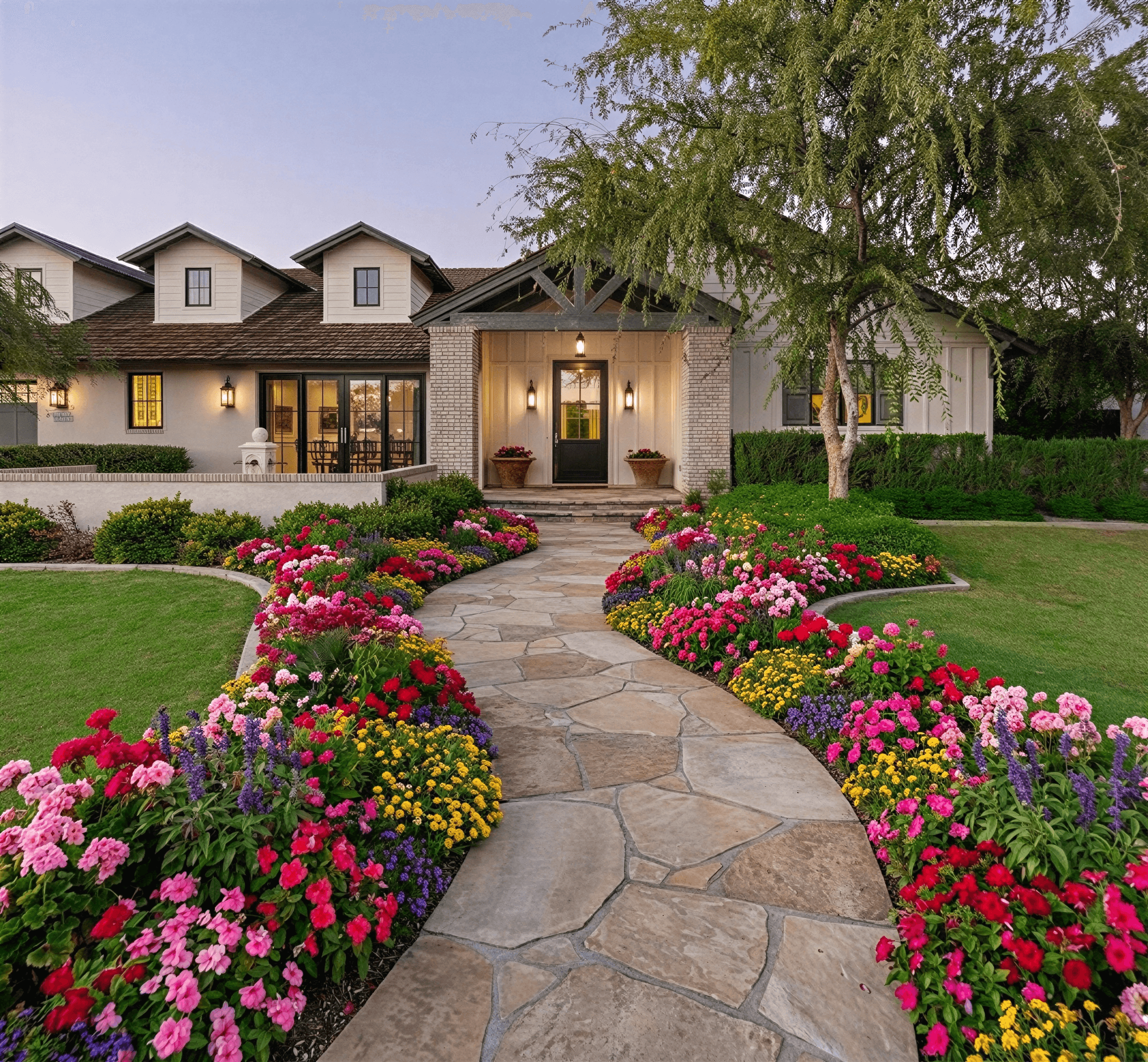
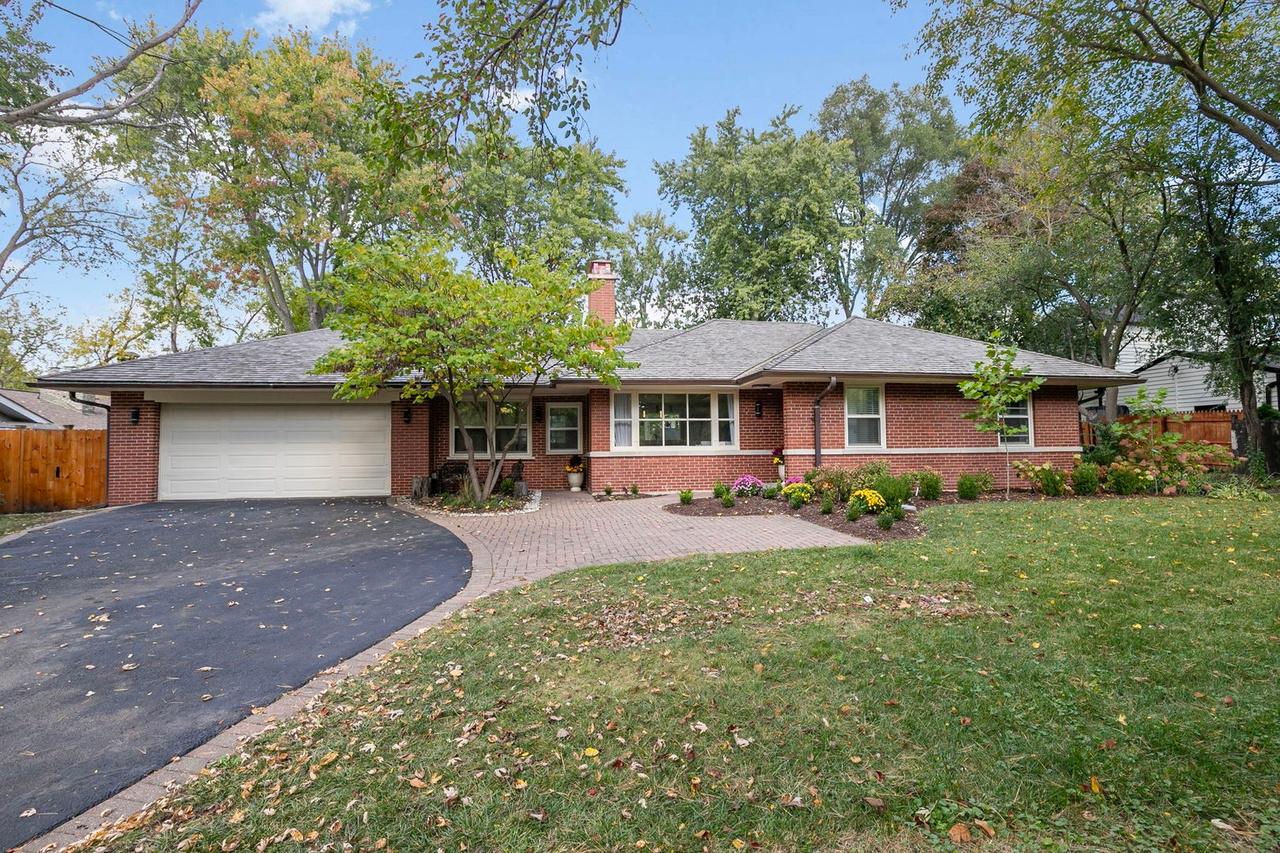
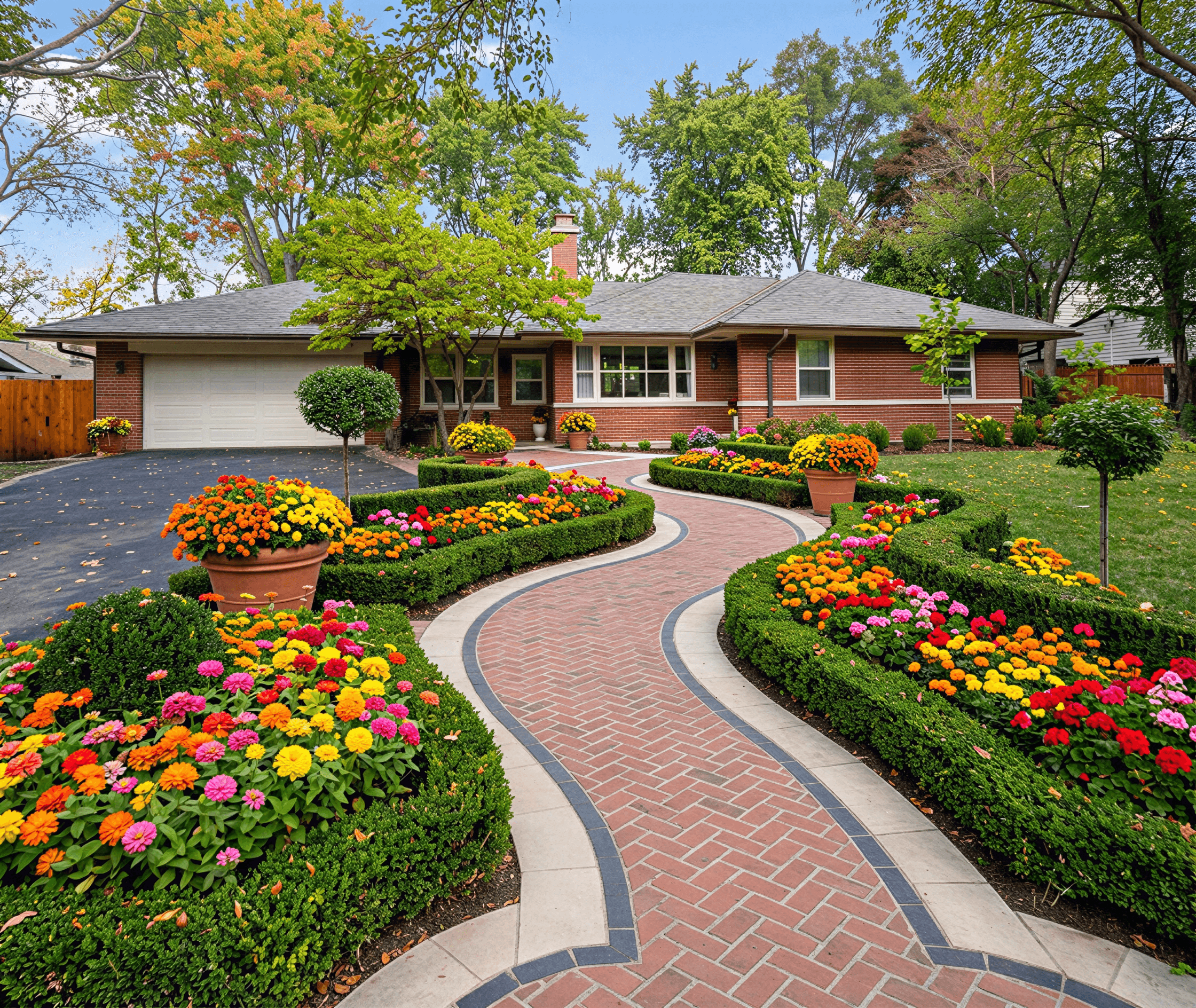
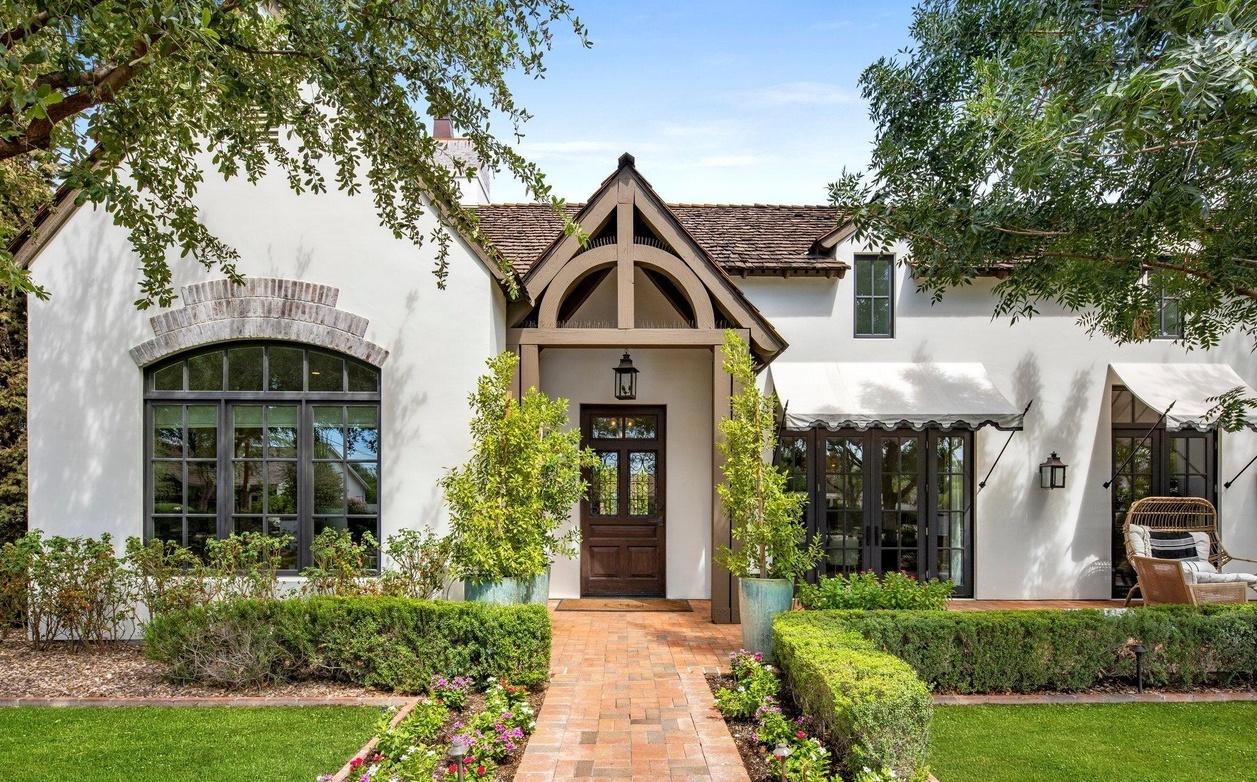
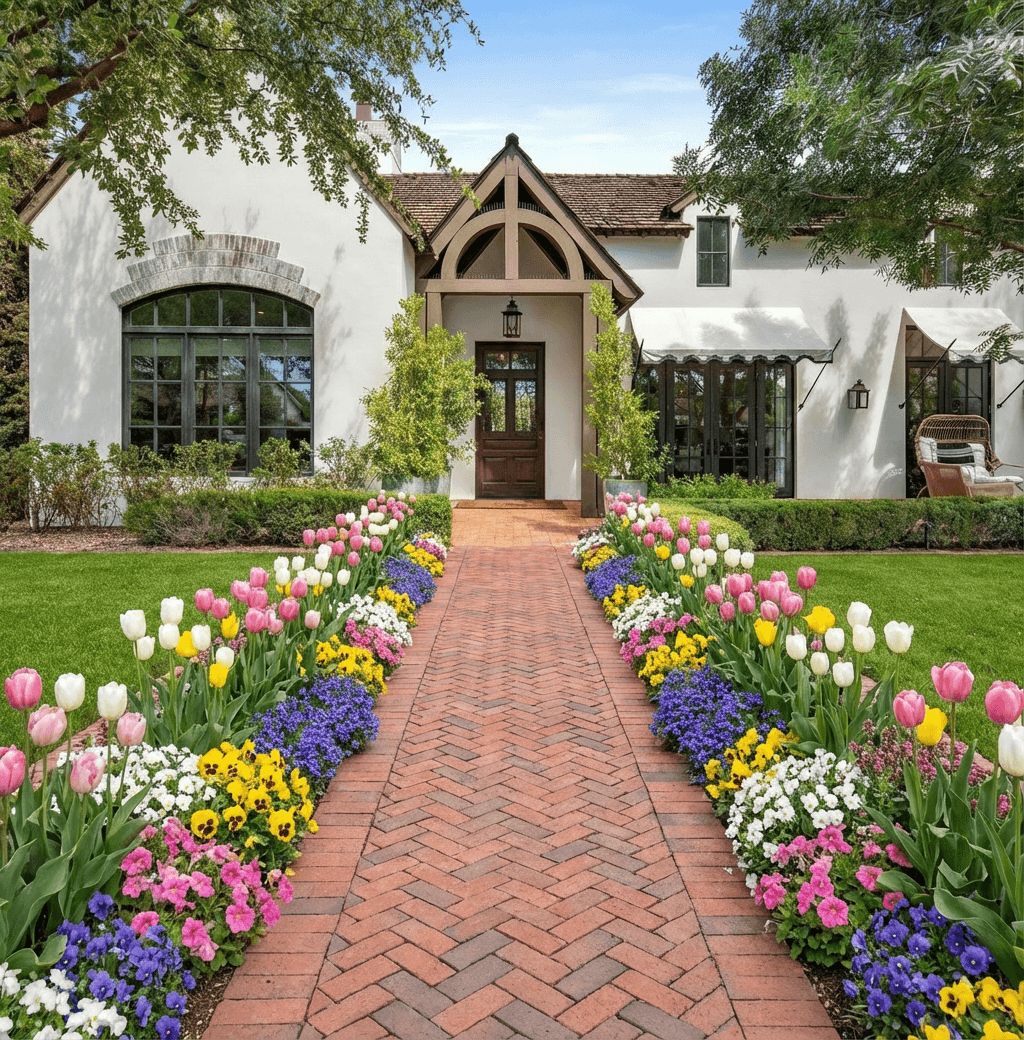
One of the biggest hang-ups for homeowners is just picturing the final result. Modern design tools, like Curb Appeal AI, have completely changed the game by taking the guesswork out of planning. You can simply upload a photo of your own home and test out different styles.
Instead of just imagining what a lush tropical garden or a water-wise xeriscape would look like, you can see it for yourself.

This lets you experiment with Florida-friendly plant combinations and layouts until you find the perfect look—all before you ever pick up a shovel or spend a dime.
Working with Florida's Climate and Soil
If you want a truly successful Florida landscape, your first tool isn't a shovel—it's knowledge. You have to understand that you're not just gardening in "Florida," but in one of three distinct climate regions packed into a single state. Getting a handle on your specific local conditions is the secret to a beautiful yard that doesn't demand constant work.
The state is mapped out by USDA Hardiness Zones. These are crucial maps that tell you the absolute coldest winter temperature a plant can be expected to survive. Florida spans a huge range, from the cooler Panhandle in Zone 8a, where you’ll see a few light frosts, all the way down to the genuinely tropical Keys in Zone 11b, which almost never freezes.
A plant that thrives in the balmy winters of Naples could be wiped out by a single cold snap in Tallahassee. Figuring out your zone is the first, most important step you can take to pick the right plants and save yourself a lot of money and heartache.
Decoding Your USDA Zone
These zones tell you much more than just how cold it gets. They’re a shorthand for the intensity of the summer heat, the length of your growing season, and even the amount of rainfall you can expect. A plant labeled for "Zone 9b," for instance, is a solid bet for central Florida spots like Orlando and Tampa, as it’s tough enough for the summer heat and can handle their mild winter lows.
Florida's climate is a classic double-edged sword. The same warmth and humidity that make plants explode with growth also create the perfect breeding ground for other problems. It’s worth understanding why most Florida homes have mold because of this pervasive humidity. Smart landscaping, like ensuring good drainage and airflow around your foundation, can actually help reduce some of that risk.
Trying to grow a plant outside its zone is a losing battle. You’ll pour time and money into forcing it to survive where it was never meant to be. When you work with your zone, you unlock a massive palette of plants that will feel right at home in your corner of the state.
Getting Your Hands Dirty: Florida Soil
Now, let's talk about the ground beneath your feet. In most of Florida, you won’t find rich, dark, loamy earth. What you'll find is sand. Our soil is famously sandy, a leftover from ancient coastlines, and it behaves exactly like you’d think.
For gardeners, this sand presents two big hurdles:
- Poor Water Retention: It’s like a sieve. Water—and any nutrients dissolved in it—pours right through, leaving your plants high and dry.
- Low Nutrient Content: Sand doesn’t hold onto the organic matter that plants need for food, so they’re constantly hungry.
On top of that, Florida’s soil tends to be on the acidic side. Some natives like azaleas and blueberries adore this, but many other plants will struggle without some intervention. The good news? You can absolutely work with this and build a fantastic foundation for your garden.
Building Better Soil from the Ground Up
You don't have to haul in truckloads of new topsoil. The fix is much simpler and far more sustainable: amend your soil with organic matter. Think of it as mixing a protein shake into a glass of water to give it substance.
Compost is the undisputed champion here. It acts like a sponge, helping that porous sand grab onto water and vital nutrients. It also introduces a universe of beneficial microbes that create a healthy, living ecosystem for your plant’s roots. Mixing a few inches of compost into your beds before you plant anything is the single best investment you can make.
A few other fantastic soil builders include:
- Peat Moss: Amazing for holding moisture. It also helps lower the pH for those acid-loving plants.
- Aged Manure: A nutrient-packed choice that’s full of rich organic material.
- Leaf Mold: Just what it sounds like—decomposed leaves that create a wonderfully rich, humus-filled soil.
By taking the time to improve your soil, you’re building resilience right into your landscape. Your plants will grow deeper, tougher roots, making them far more resistant to drought, pests, and disease. This work up front pays off for years, meaning less watering and less fertilizing for you down the road.
Choosing Plants That Flourish in Florida
Alright, you've figured out your climate zone and what kind of soil you’re working with. Now comes the fun part: picking the plants for your Florida landscape. The secret to a beautiful, low-maintenance yard isn’t about finding the most exotic-looking flowers, but about choosing plants that are already built for our unique environment. This means focusing on Florida-native and Florida-Friendly varieties.
Think of it like building a sports team. You wouldn't put a star hockey player on your basketball roster and expect them to dominate. In the same way, picking plants that evolved here—or in a climate just like ours—gives you an instant home-field advantage. They’re ready for the intense sun, sandy soil, and thick humidity, which means less work for you and a healthier habitat for local birds and butterflies.
Florida's landscaping industry is a powerhouse. In 2023, the state was home to nearly 62,000 landscaping businesses, leading the nation. This competitive environment means that truly great landscaping stands out. Properties with thoughtful designs can sell 5-10% faster and often fetch prices up to 15% higher. You can dig deeper into these trends over at ConsumerAffairs.com.
Start with Structure: Resilient Shade Trees
Trees are the backbone of any Florida garden. They cast that all-important shade to cool your home, give wildlife a place to live, and add some much-needed height and structure to your design. Just be sure to plan for their mature size so you don't have problems with power lines or your roof down the road.
Here are a few tough-as-nails champions for Florida yards:
- Live Oak (Quercus virginiana): The iconic southern tree. Live Oaks are incredibly strong, live for generations, and create a dense, cooling canopy. They’re a perfect choice if you want that classic, established look. (Zones 8a-10b)
- Gumbo Limbo (Bursera simaruba): Nicknamed the "tourist tree" for its peeling red bark, this native grows fast and is extremely resistant to drought and wind—a fantastic pick for South and Central Florida. (Zones 9b-11)
- Simpson's Stopper (Myrcianthes fragrans): This smaller native tree is a gem for tighter spaces. It offers fragrant white flowers, edible red berries that birds flock to, and has attractive, peeling bark. (Zones 9a-11)
To help narrow down your options, this simple decision tree can point you toward the right plants based on where you live in the state.

As you can see, your plant list will look very different depending on whether you're landscaping in the cooler north or the tropical south.
Layer in Hardy Shrubs for Texture
Shrubs are the garden's workhorses. They fill in the middle layer of your design, add structure, create privacy screens, and provide visual interest all year long with their leaves and flowers. Pick shrubs that work well with your trees and fit the scale of your yard.
By focusing on native plants, you are doing more than just beautifying your yard; you're actively restoring a piece of Florida's natural ecosystem. Native plants provide the specific food and shelter that local pollinators and wildlife depend on to survive.
Here are some top-performing shrubs that thrive in Florida:
- Coontie (Zamia integrifolia): This ancient, palm-like plant is a bulletproof native that does well in sun or shade. It's incredibly drought-tolerant and happens to be the only food source for the beautiful Atala butterfly caterpillar. (Zones 8b-11)
- Firebush (Hamelia patens): If you want to attract hummingbirds and butterflies, this is the plant for you. Firebush puts out bright, reddish-orange tubular flowers from spring through fall and handles the heat like a champ. (Zones 9a-11)
- Beautyberry (Callicarpa americana): A real showstopper in the fall. This native shrub produces incredible clusters of vibrant, metallic-purple berries along its branches, giving birds a vital food source. (Zones 8a-10b)
Finish with Colorful and Functional Groundcovers
Finally, we have the perennials and groundcovers—the "living mulch" of your garden. They fill in the gaps between larger plants, help keep weeds down, and add pops of color and texture at ground level. Many native groundcovers are also excellent lawn alternatives, cutting down on mowing and watering. For more inspiration, take a look at our guide to native plant landscaping ideas by state.
Consider these vibrant, low-growing options:
- Beach Sunflower (Helianthus debilis): This sprawling, cheerful groundcover absolutely loves full sun and sandy soil. In frost-free areas, it blooms all year, covering the ground with small, sunflower-like flowers. It’s a go-to for coastal yards and hot, dry spots.
- Black-Eyed Susan (Rudbeckia hirta): A classic, daisy-like flower that brings a splash of sunny yellow to any garden bed. It’s a short-lived perennial that easily reseeds itself, so you'll get blooms year after year with almost no effort.
- Blue-Eyed Grass (Sisyrinchium angustifolium): Don't let the name fool you—this isn't a grass but a member of the Iris family. It forms neat little clumps and produces delicate, star-shaped blue flowers in the spring. It's perfect for borders and rock gardens.
Designing for Hurricane and Salt Resilience

In Florida, a beautiful yard is one thing. A yard that can stand up to a hurricane is something else entirely. Designing for resilience against howling winds and corrosive salt spray isn't just a good idea—it’s an essential part of smart landscaping for Florida that protects your home, your investment, and your peace of mind.
Think of your landscape as the first line of defense. A well-designed yard can actually slow down floodwaters, break up powerful wind gusts, and drastically reduce the amount of flying debris. By making the right choices before a storm is on the horizon, you create a landscape that can bend without breaking and recover quickly once the sun comes back out.
Fortifying Your Yard Against Wind and Rain
The trick to a hurricane-ready landscape is creating a flexible, interconnected system. You don't want isolated trees and shrubs facing the wind alone; you want a community of plants that work together to buffer the force. It all starts with your plant choices and, just as importantly, how you arrange them.
A fantastic strategy is to create layered plantings. By placing smaller shrubs and groundcovers around the base of a larger tree, you build a sloped, aerodynamic profile. This helps deflect wind up and over the tree's canopy instead of hitting it like a brick wall, easing the strain on your most valuable plants.
Choosing the right plants is like picking out building materials for a house on the coast. You wouldn't frame it with weak, brittle lumber, and the same logic applies to your garden. Strength and flexibility are everything.
This shift toward resilient design is a major trend. The U.S. landscaping industry is projected to see major growth through 2026, driven largely by consumer demand for sustainable yards. Here in Florida, that's especially true—a staggering 40% of new projects now incorporate xeriscaping and native plants, which can slash water use by up to 50%. You can explore more landscaping industry forecasts to see how these smarter, tougher yards are taking over.
Hurricane-Ready Plant Selection
When it comes to wind resistance, not all plants are created equal. Some are notoriously weak, with brittle wood or shallow roots that turn them into hazards during a storm. Others, thankfully, are born survivors.
Wind-Resistant Winners:
- Live Oak (Quercus virginiana): This is the gold standard for a reason. With its incredibly deep root system and strong, low-slung canopy, the Live Oak is a true champion of hurricane resistance.
- Sabal Palm (Sabal palmetto): Our state tree is practically designed for storms. Its fibrous trunk flexes in high winds, and it can shed its fronds without taking permanent damage.
- Gumbo Limbo (Bursera simaruba): Known for its remarkable ability to withstand gales, this native can even re-root itself if a large branch breaks off and falls to the ground.
Popular but Weaker Species to Use Cautiously:
- Queen Palm (Syagrus romanzoffiana): These are infamous for snapping right at the crown in high winds.
- Laurel Oak (Quercus laurifolia): It grows fast, but it's a short-lived oak with weak wood that’s prone to dropping massive limbs.
- Water Oak (Quercus nigra): Notorious for its shallow roots and weak branches, this tree is a high-risk choice in storm-prone areas.
Winning the Battle Against Salt Spray
If you live anywhere near the coast, you know that wind isn't your only adversary. The relentless salt spray carried on the breeze can burn and desiccate the leaves of sensitive plants, leaving your garden looking brown and scorched. The secret to a lush coastal yard is picking plants that come with their own natural defenses.
These coastal warriors often have waxy, leathery, or even slightly fuzzy leaves that help them repel salt and lock in moisture. A great pro tip is to plant a "sacrificial" hedge of the most salt-tolerant species on the ocean-facing side of your yard. This living wall will take the brunt of the spray, protecting the more delicate plants behind it.
Top Salt-Tolerant Plants:
- Sea Grape (Coccoloba uvifera): An iconic coastal native, its large, round, leathery leaves are practically immune to salt spray and it thrives in pure sand.
- Saw Palmetto (Serenoa repens): This tough, clumping palm is a fixture of coastal dunes for a reason—it’s just about indestructible.
- Blanket Flower (Gaillardia pulchella): This cheerful, daisy-like perennial couldn't care less about salt or sand, providing vibrant color in the absolute toughest spots.
Finding Your Florida Landscaping Style
Alright, you’ve got the essentials down—you understand Florida’s unique climate, our tricky soil, and which plants can actually handle the heat. Now comes the fun part: picking a style that pulls it all together. This is where your yard goes from a simple collection of plants to a cohesive, intentional outdoor space. It’s what turns a random mix into a landscape with personality.
Let's walk through three of the most popular looks in Florida. Each has a completely different vibe, but they all work beautifully when you use the smart, climate-friendly principles we’ve been talking about.
The Lush Tropical Paradise
This is the look that screams "Florida" to so many people. A tropical style is all about creating a dense, layered, jungle-like escape. It’s built on bold textures, massive leaves, and bright pops of exotic-looking color. The goal is to make you feel like you’ve stepped into your own private, humid oasis.
This design is defined by a sense of abundance, of being completely surrounded by greenery. You won't find many straight lines here. Instead, winding, informal pathways made of natural flagstone or wood planks might disappear behind a cluster of dense foliage, creating a little mystery and encouraging you to explore. Small ponds or bubbling fountains are perfect additions, adding to that humid, jungle atmosphere.
Plants That Create the Look:
For a true tropical feel, you have to think big, bold, and dramatic.
- Go big on leaves: Elephant Ears, Monstera, and Giant Bird of Paradise are the heavy lifters that create that instant jungle canopy.
- Splash in the color: Hibiscus, Bromeliads, and even carefully placed Orchids add those crucial bursts of hot pink, fiery orange, and deep red.
- Add height and sway: Graceful palms like Areca and Foxtail Palms give you that essential vertical layer and gentle movement in the breeze.
To support these thirsty plants, dark mulch is a must for holding in moisture. Bamboo can also be a great choice for fencing or decorative accents to complete the vibe.
The Elegant Mediterranean Escape
On the complete other end of the spectrum is the Mediterranean style. Inspired by the sun-drenched coasts of Italy and Spain, this look is more structured but still feels relaxed and elegant. It’s all about the interplay between fragrant plants, earthy textures, and warm, sun-baked colors. It’s a fantastic match for Florida’s climate, creating a timeless and romantic setting.
Think of this style as rustic but organized. It leans into clean lines, geometric garden beds, and the generous use of gravel and stone. It’s less about untamed wilderness and more about creating beautiful, functional outdoor "rooms" for dining and relaxing.
The Mediterranean style proves that great landscaping for Florida isn't just about one look. It's about finding an aesthetic that resonates with you and adapting it with plants that are proven to thrive here.
For a deeper dive into region-specific designs, you can explore more curb appeal ideas for Florida front yards.
Plants That Set the Scene:
Scent and texture are everything in a Mediterranean garden.
- Bring in the fragrance: Rosemary, Lavender, and Thyme are absolute must-haves. They release incredible scents and are tough as nails in the sun.
- Create structure: Tall, slender Italian Cypress trees provide that classic vertical accent, while Olive trees (be sure to choose a fruitless variety!) and citrus trees add an authentic touch.
- Add a touch of romance: Bougainvillea and Jasmine are perfect for training over walls and pergolas, where they’ll spill over with stunning color and scent.
Hardscaping is a star player here. Terracotta pots of all shapes and sizes are essential, as are pathways of light-colored gravel or crushed shells that crunch underfoot. Stucco walls, wrought iron details, and stone patios help nail that sun-baked, old-world feel.
The Smart Florida-Friendly Xeriscape
When people hear "xeriscape," they often picture a barren desert of rocks and cacti. But that couldn’t be further from the truth in Florida. A Florida-Friendly Xeriscape is a smart, water-wise landscape that is absolutely packed with life, color, and texture. It's designed from the ground up to need minimal irrigation once the plants are established.
This style is both beautiful and environmentally brilliant. It saves water, cuts down on maintenance, and creates a habitat that supports local wildlife.
The core principle is grouping plants by their water needs, creating "hydrozones" so you're not overwatering one plant just to keep another alive. Large patches of thirsty grass are replaced with creative mixes of groundcovers, mulch, and permeable pavers. The final look is clean, intentional, and celebrates the rugged beauty of drought-tolerant plants.
Plants That Work Smarter, Not Harder:
The plant list is full of hardy natives and other tough species that don't need constant watering.
- Sculptural standouts: Agave and Yucca provide strong, architectural forms that act as focal points.
- Native color: Beach Sunflower, Blanket Flower (Gaillardia), and Coreopsis offer vibrant, long-lasting blooms without demanding much water.
- Soft textures: Ornamental grasses like the iconic pink Muhly Grass or Fakahatchee Grass add softness and graceful movement that contrasts beautifully with the spikier plants.
Here, hardscape materials are chosen to conserve water. A thick 3-inch layer of pine bark or pine straw mulch is non-negotiable—it keeps the soil moist and suppresses weeds. Using permeable pavers for patios and walkways allows precious rainwater to soak back into the ground.
Feeling a little overwhelmed by the choices? Visualizing how these different styles, from a dense jungle to a breezy xeriscape, would actually look on your property can be a challenge. Using a tool like Curb Appeal AI, where you can upload a photo of your home and test out different designs, can be a huge help in bridging that gap between inspiration and a real, workable plan.
Visualizing Your New Florida Landscape
Planning a major landscaping overhaul can feel a bit abstract. It’s one thing to pin inspiration photos and sketch out ideas, but it's another thing entirely to know how those lush palms or clean-lined pavers will actually look on your property.
That’s where design visualization tools have completely changed the game. Instead of crossing your fingers and hoping for the best, you can see a realistic preview of your new yard before a single shovel hits the dirt. This doesn't just give you peace of mind; it helps you sidestep costly mistakes, like picking plants that will quickly outgrow a space or choosing a style that just doesn't complement your home's architecture.
See Your Design Instantly
The best part is how surprisingly simple it is. With a tool like Curb Appeal AI, you can get a clear vision for your project in a matter of minutes, not weeks. It cuts through the guesswork of planning the perfect landscaping for Florida.
Here's all it takes:
- Take a Photo: Snap a clear picture of your house and yard from the street. Think of this as your digital canvas.
- Choose a Style: Pick from a library of popular Florida landscape styles, whether that's a dense Tropical oasis, a water-wise Modern Xeriscape, or a classic Mediterranean look.
- Generate Designs: The AI gets to work, instantly applying your chosen style to the photo and creating a photorealistic rendering of what your home could look like.
Being able to flip between different aesthetics so quickly is invaluable. You can compare a yard full of vibrant hibiscus and palms to one with native grasses and coquina shell paths, letting you zero in on the perfect fit for your home and your personal taste. To really dive into the process, check out our guide to help you visualize landscape design before planting.
Seeing your finished landscape ahead of time isn't just about looks—it's a critical financial planning step. It helps you lock in your vision and build a concrete plan, ensuring every dollar you invest creates a yard you'll absolutely love.
A Powerful Tool for Real Estate
Beyond your own enjoyment, smart landscaping is a proven way to increase home value, which is a key consideration for any Florida homeowner. For real estate agents, these visualizations are a secret weapon. An AI-generated design can completely reframe a listing that suffers from poor curb appeal, showing buyers the property's hidden potential.
Instead of asking buyers to "imagine the possibilities," you can actually show them. This simple step helps properties move faster and command a better price, making it a must-have in Florida’s competitive real estate market.
Frequently Asked Questions About Florida Landscaping
Even with a great plan, a few questions always seem to come up when you start digging into a Florida landscaping project. I hear these all the time, so let's tackle some of the most common challenges homeowners face with some practical, field-tested advice.
What Is the Best Low-Maintenance Grass for Florida?
This is probably the number one question I get. For a lawn that won't chain you to your mower, you can’t go wrong with St. Augustine 'Floratam' or Zoysia 'Empire'.
St. Augustine 'Floratam' is a classic for a reason. It grows into a thick, dense carpet that naturally chokes out most weeds, but it's a sun-worshipper and needs plenty of direct light to thrive. On the other hand, Zoysia 'Empire' is a fantastic choice if you have some shady spots; it's also more drought-tolerant and needs less water and mowing once it's established. The right one for you really boils down to your yard's sun map and how much time you want to spend on upkeep.
How Can I Landscape to Deter Mosquitoes?
Fighting mosquitoes in Florida is a two-front war: water management and strategic planting. First, you have to get rid of any standing water. It's the number one breeding ground for them. Make sure your landscape drains well after a rain, and don't forget to empty saucers under pots or any other containers that collect water.
Next, you can add plants that mosquitoes naturally hate. Planting citronella grass, lavender, marigolds, and rosemary near your patio, doors, and windows creates a wonderfully fragrant barrier. They release oils that act as a natural repellent, helping you enjoy your outdoor spaces without getting eaten alive.
For a deep dive into creating a healthy, resilient yard, check out the resources from the University of Florida/IFAS. Their Green Industries Best Management Practices (GI-BMP) program is packed with science-backed advice for Florida-friendly landscapes that also protect our local ecosystems.
When Is the Best Time of Year to Plant?
In Florida, we essentially have two main planting seasons that sync up with our natural wet and dry cycles. Timing is everything.
-
Rainy Season (May-October): This is your window for planting trees, palms, and shrubs. The near-daily summer rains do the heavy lifting for you, helping new plants establish deep roots without needing constant irrigation.
-
Dry Season (November-April): The cooler, drier weather is perfect for putting in colorful annual flowers and your vegetable garden. You'll have much more control over watering, which cuts down the risk of root rot from overly saturated soil.
Ready to see how these ideas could look in your own yard? Instead of just imagining it, you can visualize it instantly. With Curb Appeal AI, just upload a photo of your home to generate beautiful, realistic landscape designs that are perfect for Florida's unique climate. See your home’s potential in seconds at https://www.curbappealai.co.