Top 10 Shade Tolerant Plants to Elevate Your Curb Appeal in 2026
A shaded yard isn't a limitation; it's an opportunity. While sun-drenched gardens often get the spotlight, the cool, quiet corners of a property hold immense potential for creating lush, textured, and sophisticated landscapes. Many homeowners struggle with these areas, facing patchy lawns and sparse flower beds under the canopy of mature trees or along the north-facing side of a home. This guide is designed to shift that perspective, revealing how to transform those challenging spots into vibrant, thriving gardens.
This article provides a detailed roundup of proven shade tolerant plants that offer more than just survival; they bring color, form, and year-round interest to low-light environments. We will explore ten exceptional plants, from the bold foliage of Hostas to the delicate, late-season blooms of Toad Lilies. For each plant, you'll find essential details:
- Hardiness Zones: Ensuring you select plants that will survive your local climate.
- Mature Size: Helping you plan spacing and layering for a professional look.
- Soil and Moisture Needs: Critical information for successful establishment.
- Design Uses: Actionable ideas for integrating them into your landscape design.
We'll also provide guidance on assessing your specific type of shade and practical planting combinations. To fully unlock your yard's shady potential, it's beneficial to consider the trees that create the shade. For insights into establishing the foundational elements, explore articles on the best shade trees for your landscape. By choosing the right plants, you can turn a dim, overlooked space into the most captivating part of your garden.
1. Hostas (Hosta spp.)
Hostas are the quintessential foliage plants for shade gardens, celebrated for their lush, architectural leaves that offer incredible variety in color, size, and texture. These herbaceous perennials are among the most reliable shade tolerant plants, forming neat, mounded clumps that bring structure and elegance to low-light areas. Their foliage ranges from deep blue-greens to vibrant chartreuse, with many cultivars featuring striking variegation in white, cream, or gold.
While primarily grown for their leaves, most hostas also produce delicate, lily-like flowers on tall scapes in summer, attracting hummingbirds. They are exceptionally versatile, working well as specimen plants, groundcover in mass plantings, or as elegant edging along a shaded walkway. Their seasonal cycle provides long-lasting interest, emerging in spring, looking full and vibrant through summer, and then turning a beautiful golden-yellow in the fall before going dormant.
Key Hosta Details & Planting Tips
- USDA Hardiness Zones: 3-9
- Size: Varies dramatically from miniature 6-inch varieties like 'Blue Mouse Ears' to giant 4-foot-tall cultivars like 'Empress Wu'.
- Soil & Moisture: Prefers consistently moist, well-drained soil rich in organic matter. Amend heavy clay or sandy soil with compost or leaf mold to improve texture and water retention.
- Design Uses: Perfect for foundation plantings near north-facing walls, massed under mature deciduous trees, or accenting a shaded front entryway. Their bold leaves contrast beautifully with fine-textured ferns and astilbes.
- Deer Resistance: Low. Deer often find hostas very palatable. If deer are a problem in your area, consider planting deer-resistant alternatives or using repellents.
To ensure your hostas thrive, space them according to their mature width to prevent overcrowding and promote good air circulation. A layer of mulch helps retain soil moisture and suppress weeds. To keep plants vigorous and to create new ones, divide the clumps every 3 to 4 years in either spring or early fall.
For more inspiration on combining hostas with other plants, explore these additional shade garden landscaping ideas to create a layered and dynamic front yard design.
2. Helleborus (Helleborus spp.)
Hellebores, commonly known as Lenten Rose or Christmas Rose, are remarkable evergreen perennials that offer winter and early spring blooms when most of the garden is dormant. These exceptionally hardy, shade tolerant plants are invaluable for providing color and structure, with flowers appearing from late winter through early spring. Their thick, leathery, and often serrated foliage remains attractive year-round, adding sustained textural interest to cottage, woodland, and even modern landscapes.

The cup-shaped, often downward-facing flowers come in a sophisticated palette of white, green, pink, deep purple, and near-black, many with beautiful speckles or veining. Because they bloom during the colder months, they are a perfect choice for foundation plantings or borders visible from a driveway or front window, ensuring your home has curb appeal even in the dead of winter. Their ability to naturalize in ideal conditions makes them a lasting investment for any shade garden.
Key Helleborus Details & Planting Tips
- USDA Hardiness Zones: 4-9
- Size: Typically grows 12-18 inches tall and 18-24 inches wide, forming tidy, compact clumps.
- Soil & Moisture: Thrives in rich, well-drained, neutral to alkaline soil. It is crucial to amend heavy clay with compost or sand to prevent crown rot, as they do not tolerate "wet feet."
- Design Uses: Ideal for winter entryway plantings, foundation beds beneath mature trees, and shade borders in contemporary or English-style gardens. Plant them on a gentle slope or in a raised bed to better appreciate their nodding flowers.
- Deer Resistance: High. The leathery foliage and plant toxins make hellebores highly resistant to deer and rabbits, a major advantage for many gardeners.
For best results, plant hellebores in the fall or early spring to allow them to establish strong root systems. In late winter, trim away any tattered or dead foliage from the previous year to make way for new growth and to better showcase the emerging flowers. Deadheading spent blooms can prevent excessive self-seeding, although some gardeners enjoy the volunteer seedlings. A light layer of mulch will help conserve moisture, but be careful not to bury the plant's crown.
3. Japanese Painted Ferns (Athyrium niponicum)
Japanese Painted Ferns are a standout choice among shade tolerant plants, prized for their sophisticated color and delicate texture that few other perennials can offer in low-light conditions. Instead of a simple green, their feathery fronds display a breathtaking tapestry of silvery-blue, often accented with deep burgundy or red veining that runs through the stems. This elegant coloration brings a luminous quality to shaded corners, creating visual lightness and movement.

Unlike many shade plants that offer bold, solid forms, the arching, deciduous fronds of the Japanese Painted Fern provide a soft, fine-textured contrast. This makes them an exceptional partner for plants with large leaves like Hostas and Hellebores, as seen in layered borders at botanical gardens like Chanticleer. Their ability to thrive in moist conditions also makes them ideal for woodland-style entryways, rain gardens, and plantings near downspouts, adding functional beauty to practical landscape solutions. They emerge in spring, hold their color through the heat of summer, and remain a feature until the first hard frost.
Key Japanese Painted Fern Details & Planting Tips
- USDA Hardiness Zones: 4-9
- Size: Typically grows 12 to 18 inches tall and wide, forming a graceful, arching clump.
- Soil & Moisture: Prefers consistently moist, well-drained soil rich in organic material. These ferns are not drought-tolerant and flourish in humusy, compost-amended earth.
- Design Uses: Perfect for creating contrast in shaded borders, accenting woodland paths, or filling in rain gardens. Their unique color is highlighted when planted against solid green foliage, making them a focal point in a layered design.
- Deer Resistance: High. Deer and rabbits generally avoid Japanese Painted Ferns, making them a reliable choice for gardens where these animals are present.
For the most vibrant coloration, site your ferns where they will receive some dappled or gentle morning sun; deep, constant shade can cause the silvery tones to fade to a more uniform green. Plant them in spring after the last frost and apply a 1- to 2-inch layer of leaf mold or compost to help maintain soil moisture. To keep the planting looking tidy, cut back dead fronds in late winter or early spring just before new growth emerges.
4. Epimedium (Epimedium spp.)
Often called Barrenwort or Fairy Wings, Epimedium is a superb semi-evergreen groundcover that not only survives but excels in dry, dense shade where many other plants fail. Celebrated for its delicate, heart-shaped leaves and ethereal spring flowers that seem to float above the foliage, this perennial adds a refined texture to low-light gardens. It is one of the most reliable and low-maintenance shade tolerant plants for creating a lush carpet under trees or along shaded foundations.
The plant's multi-season interest is a significant asset. New foliage often emerges in stunning shades of bronze or red in spring, transitioning to a cool green for summer, and then taking on rich burgundy and bronze tones in the fall. This seasonal color shift, combined with its weed-suppressing growth habit, makes it a functional and beautiful choice for woodland borders and Japanese-inspired gardens. Its tough, wiry rhizomes allow it to colonize difficult areas, forming a dense, elegant mat.
Key Epimedium Details & Planting Tips
- USDA Hardiness Zones: 4-9
- Size: Typically grows 8-12 inches tall with a spread of 12-24 inches per plant, forming a continuous groundcover over time.
- Soil & Moisture: Prefers well-drained soil amended with compost but is notably tolerant of poor, dry soils once established. Water regularly during the first season; it becomes impressively drought-tolerant thereafter.
- Design Uses: Ideal as a groundcover under mature deciduous trees, for foundation plantings on the north or east side of a home, or along shaded pathways. It pairs beautifully with taller, bolder plants like Hostas, ferns, and Hellebores, creating layered and texturally rich designs.
- Deer Resistance: High. Deer and rabbits generally avoid Epimedium, making it an excellent choice for gardens with wildlife pressure.
For best results, plant Epimedium in spring or fall, spacing individual plants 12 to 18 inches apart to allow them to grow together into a solid mass. To refresh its appearance and make way for the colorful new spring growth, you can shear back the old foliage in late winter. An annual application of light organic mulch will help retain moisture and further suppress weeds as the plants become established.
Discover more ways to integrate these tough groundcovers by exploring different shade landscaping solutions that can transform challenging, low-light areas into beautiful garden features.
5. Coral Bells (Heuchera spp.)
Coral Bells are one of the most dynamic and colorful shade tolerant plants, prized almost exclusively for their spectacular foliage. These compact, mounding perennials have become a staple for adding season-long color to low-light areas where flowering is often limited. Their leaves emerge in a breathtaking spectrum of colors, from deep, moody purples and burgundies to electric lime greens, warm ambers, and frosty silvers, often with intricate veining or ruffled edges.

While they do produce delicate, airy flower wands (panicles) in late spring or summer that attract pollinators, the foliage is the main event. Cultivars like 'Palace Purple,' 'Obsidian,' and 'Lime Rickey' demonstrate how these plants can create stunning visual contrast against green-dominant shade gardens. They are exceptionally useful in modern landscape designs, container arrangements, and as colorful edging along a shaded entryway or path, providing a pop of color that rivals any annual.
Key Coral Bells Details & Planting Tips
- USDA Hardiness Zones: 3-9 (varies by cultivar)
- Size: Typically forms mounds 8-12 inches tall and 12-18 inches wide, with flower scapes reaching up to 24 inches.
- Soil & Moisture: Requires exceptionally well-drained soil; they are prone to crown rot in heavy, wet winter soil. Amend clay with compost or fine grit to improve drainage. Prefers average, consistent moisture.
- Design Uses: Ideal for adding color contrast to the front of a border, massing as a groundcover, or accenting containers and window boxes. Pair deep purple varieties with chartreuse hostas or golden Japanese Forest Grass for high-impact visual tension.
- Deer Resistance: Moderate. While not deer-proof, they are generally less favored by deer than hostas, making them a good alternative in areas with some deer pressure.
To get the most vibrant foliage, plant Coral Bells in partial or dappled shade; intense afternoon sun can scorch the leaves of many varieties. Apply a 1-2 inch layer of organic mulch to keep the soil cool and moist. You can deadhead the flower stalks after they fade to redirect the plant's energy back into its beautiful leaves. Divide crowded clumps every 3-4 years in the spring to maintain plant health and create new starts.
6. Ivy (Hedera helix and H. hibernica)
English and Irish Ivies are classic evergreen vines that excel in deep shade where many other plants fail. Known for their vigorous growth, these shade tolerant plants are masters at quickly covering bare ground, climbing walls, or adorning shade structures. Their dense, lobed leaves form a lush green tapestry, providing year-round coverage and a sense of timeless elegance, making them a go-to solution for softening hardscapes or creating living backdrops in low-light entryways.
While sometimes viewed as aggressive, their robust nature is precisely what makes them so effective. On steep, shaded slopes where mowing is impossible, ivy provides excellent erosion control. On a modern home, it can soften stark architectural lines, while on historic properties, it reinforces a classic, established feel. Its ability to create a "green wall" effect is perfect for properties with limited planting space, adding verdant texture without taking up valuable square footage.
Key Ivy Details & Planting Tips
- USDA Hardiness Zones: 4-9 (depending on the species)
- Size: Can climb or spread 50 feet or more if not controlled. Groundcover height is typically 6-8 inches.
- Soil & Moisture: Highly adaptable to a wide range of soil types but performs best in well-drained, average soil. Water regularly during the first growing season to establish a strong root system; it is quite drought-tolerant once established.
- Design Uses: Ideal as a groundcover under large shade trees, for climbing a north-facing brick wall or stone chimney, or for covering a pergola to create a shaded seating area. Variegated cultivars can brighten up particularly dark corners.
- Deer Resistance: High. Deer generally avoid eating ivy, making it a reliable choice for areas with high deer pressure.
Before planting, it is critical to verify the local invasiveness status of Hedera helix, as it is restricted in some regions. Prune ivy at least once a year to control its size, keep it from growing onto roofs and gutters, and prevent it from overwhelming other plants. When used as a groundcover, space new plants about 12 to 18 inches apart to encourage rapid coverage.
7. Liriope (Liriope spp.)
Liriope, commonly known as Lilyturf, is a tough and reliable semi-evergreen perennial that excels as a groundcover and edging plant in shady conditions. Its appeal lies in its dark green, grass-like foliage that forms dense, tidy clumps, providing excellent structure and definition along borders, walkways, and foundation plantings. This low-maintenance plant is one of the most versatile shade tolerant plants, valued for its ability to thrive where many other plants struggle.
Beyond its durable foliage, Liriope produces attractive spikes of small, bell-shaped flowers in shades of purple, lilac, or white in late summer and early fall, adding a subtle splash of color when many other perennials are fading. These blooms are often followed by clusters of dark, berry-like fruits. Its ability to create a clean, uniform edge makes it invaluable for framing garden beds, defining entryways, or massing under large deciduous trees for a simple yet elegant groundcover solution.
Key Liriope Details & Planting Tips
- USDA Hardiness Zones: 4-11
- Size: Typically grows 12 to 18 inches tall and wide, forming spreading clumps.
- Soil & Moisture: Highly adaptable and tolerates a range of soils, including poor, compacted clay. It performs best in average, well-drained soil amended with compost. Once established, it is quite drought-tolerant.
- Design Uses: Ideal for creating formal or informal borders along shaded pathways and front entryways. It works exceptionally well in mass plantings under shade trees or on sloped properties where it can help control erosion. Its fine texture contrasts well with broad-leaved plants like hostas and coral bells.
- Deer Resistance: High. Liriope is seldom browsed by deer, making it a dependable choice for gardens with wildlife pressure.
To establish a dense border or groundcover, plant Liriope about 12 to 18 inches apart in spring or early fall. While it requires minimal care, cutting back the old foliage in late winter or early spring before new growth appears will keep the plant looking fresh and neat. You can simply use a string trimmer or mower on its highest setting for this task. Clumps can be divided every few years to manage their spread or propagate new plants.
8. Astilbe (Astilbe spp.)
Astilbe, also known as False Spirea, is a shade-loving perennial renowned for its feathery, plumed flower panicles that bring a surge of color and airy texture to low-light gardens. These showy blooms appear in vibrant shades of pink, red, white, lavender, and peach, standing out beautifully against their dark green or bronze-tinged, fern-like foliage. As one of the most reliable shade tolerant plants for adding color, Astilbe bridges the gap between early spring bulbs and late summer perennials.
The fine-textured, deeply cut leaves provide significant interest even when the plant is not in bloom, creating a soft, lush mound that contrasts well with bolder plants. The plumes emerge in late spring to mid-summer, lasting for several weeks and attracting pollinators. Even after the color fades, the dried seed heads provide excellent structural interest through fall and into winter, catching frost and snow. They are a top choice for adding vertical accents to damp, shaded borders or entryways.
Key Astilbe Details & Planting Tips
- USDA Hardiness Zones: 3-9
- Size: Varies by cultivar, from dwarf varieties around 18 inches tall to taller types reaching over 3 feet in height.
- Soil & Moisture: Thrives in consistently moist, well-drained soil rich in organic matter. They are an excellent choice for rain gardens, bioswales, or areas near a downspout, but will not tolerate standing water or dry conditions.
- Design Uses: Perfect for cottage-style shade borders, Japanese-inspired gardens, and mass plantings under high-canopy trees. They shine near shaded entryways where their colorful plumes can be appreciated up close. Pair them with moisture-loving companions like Hostas and Liriope.
- Deer Resistance: High. Deer and rabbits generally avoid astilbe, making it a dependable choice for areas with wildlife pressure.
For best results, plant Astilbe in spring after the last frost, amending the soil heavily with compost to increase its water-holding capacity. Space plants 18 to 24 inches apart to ensure good air circulation and prevent crowding. A 2 to 3-inch layer of organic mulch is critical for retaining soil moisture and keeping roots cool. To maintain vigor, divide congested clumps in the spring every 3 to 4 years.
9. Tricyrtis (Toad Lily) (Tricyrtis hirta)
Toad Lily is an exceptionally graceful shade perennial that brings an exotic, orchid-like beauty to the garden in late summer and fall, a time when many other shade plants have finished their display. These unique shade tolerant plants are true conversation starters, offering a touch of sophisticated charm with their delicately spotted or striped flowers. Their arching stems and intricate blooms provide unexpected elegance, making them a superb choice for extending curb appeal well into autumn.
While many shade gardens peak in spring or early summer, Tricyrtis ensures your low-light areas remain interesting. The small, star-shaped flowers appear along the leaf axils, creating a captivating display up close. They are ideal for adding a layer of late-season interest to woodland borders, shaded entryways, or Japanese-inspired garden designs where their fine details can be appreciated. Their presence offers a final flourish of color before the first frost.
Key Toad Lily Details & Planting Tips
- USDA Hardiness Zones: 4-9
- Size: Grows to a height of 2-3 feet with a similar spread, forming an upright, slightly arching clump.
- Soil & Moisture: Thrives in consistently moist, well-draining, humus-rich soil. It is crucial to amend the soil with compost and never let it dry out completely, especially during the growing season.
- Design Uses: Excellent as a focal point near a front entryway or patio where its intricate flowers can be viewed up close. It pairs beautifully with the bold textures of hostas and the fine foliage of ferns. Plant them in drifts in a woodland setting for a naturalized effect.
- Deer Resistance: Moderate. While not a primary target, deer may occasionally browse them if other food sources are scarce.
For best results, plant Toad Lilies in a location that receives dappled light or morning sun with afternoon shade. Siting them where they are visible from a window, driveway, or path allows you to fully appreciate their late-season bloom. A layer of mulch is beneficial for retaining soil moisture and suppressing weeds. After the first hard frost, cut the foliage back to the ground. In colder zones (4-5), applying a layer of winter mulch can provide extra protection for the crown.
10. Oakleaf Hydrangea (Hydrangea quercifolia)
Oakleaf Hydrangea is a standout multi-stemmed deciduous shrub that brings four seasons of interest to shaded areas. Celebrated for its bold, deeply lobed foliage that resembles oak leaves, this North American native adds exceptional texture and structure to the landscape. It is one of the most versatile shade tolerant plants, offering elegant, elongated panicles of white flowers that bloom from late spring into summer, gradually aging to a lovely pinkish-brown.
Unlike many other hydrangeas, Hydrangea quercifolia offers significant winter appeal. After its leaves turn a brilliant mix of mahogany, red, and purple in the fall, they drop to reveal rich, cinnamon-colored exfoliating bark. This year-round performance makes it a superb choice for foundational plantings and woodland gardens, where its architectural form can be appreciated even in dormancy. It thrives in settings from partial to full shade, especially in hotter climates where it needs protection from the afternoon sun.
Key Oakleaf Hydrangea Details & Planting Tips
- USDA Hardiness Zones: 5-9
- Size: Standard varieties grow 6-8 feet tall and wide. Dwarf cultivars like 'Pee Wee' or 'Ruby Slippers' stay a more compact 3-4 feet, perfect for smaller spaces.
- Soil & Moisture: Prefers moist, well-drained, acidic soil amended with plenty of compost. While it needs consistent moisture to get established, mature plants are surprisingly drought-resistant.
- Design Uses: Excellent as a specimen plant in a shaded front yard, massed along a woodland edge, or as a structural anchor in foundation plantings, especially against homes with Southern or Colonial architecture.
- Deer Resistance: Moderate. Deer may browse new growth, but they typically leave it alone more often than smooth or bigleaf hydrangeas.
To ensure success, plant Oakleaf Hydrangeas in spring or fall, allowing their roots to establish before summer heat or winter cold. A 2 to 3-inch layer of mulch is beneficial for retaining soil moisture and suppressing weeds. Pruning is rarely necessary but can be done lightly right after flowering to shape the plant. For a cohesive and intentional look, it is important to consider the overall aesthetic of your property; you can explore expert guidance on landscape design to integrate plants like this seamlessly.
10 Shade-Tolerant Plants Comparison
| Plant | Implementation Complexity 🔄 | Resource Needs ⚡ | Expected Outcomes ⭐📊 | Ideal Use Cases 💡 | Key Advantages ⭐ |
|---|---|---|---|---|---|
| Hostas (Hosta spp.) | Low 🔄 — simple planting; slow to establish first season | Moderate–high water; rich, moist shade soils; space varies | ⭐ High foliage impact; 📊 season-long interest; long-lived (20+ yrs) | Shade beds, foundation plantings, woodland entryways | Bold foliage variety, low maintenance, cost-effective for massing |
| Helleborus (Lenten/Christmas Rose) | Moderate 🔄 — needs good drainage and placement (toxic) | Low–moderate water; well-drained soil; evergreen habit | ⭐ Exceptional winter–spring blooms; 📊 extends off-season curb appeal | Winter interest at entryways, luxury or historic landscapes | Evergreen winter color, long bloom season, refined appearance |
| Japanese Painted Fern (Athyrium niponicum) | Low–moderate 🔄 — prefers consistent moisture and sheltered sites | High water; rich, moist soils; tolerant of deep shade | ⭐ Unique silvery foliage; 📊 strong textural contrast (dies back in winter) | Woodland borders, layered shade plantings, rain gardens | Distinctive color, exceptional shade tolerance, low maintenance |
| Epimedium (Barrenwort) | Low 🔄 — easy to plant but slow to fill in | Low–moderate water once established; prefers well-drained soil | ⭐ Effective weed-suppressing groundcover; 📊 seasonal foliage color change | Dense shade under trees, groundcover for entryways | Drought-tolerant when established, attractive multi-season foliage |
| Coral Bells (Heuchera spp.) | Low–moderate 🔄 — choose cultivars for zone and site | Moderate water; good drainage essential; partial shade | ⭐ Spectacular foliage color year-round; 📊 stable landscape performer | Color contrast in shade borders, contemporary front entries | Wide foliage palette, designer customization, low maintenance |
| Ivy (Hedera spp.) | Moderate–high 🔄 — vigorous growth requires regular control | Low–moderate water; very tolerant of poor soils; aggressive spread | ⭐ Rapid evergreen coverage; 📊 immediate year-round backdrop (invasive risk) | Softening architecture, groundcover on slopes, living walls | Fast coverage, winter greenery, effective weed suppression |
| Liriope (Lilyturf) | Low 🔄 — very tough and low-maintenance | Low–moderate water; tolerates compacted/poor soils | ⭐ Durable border plant; 📊 late-season flowers extend curb appeal | Edging, mass plantings, shaded borders and slopes | Extremely hardy, foot-traffic tolerant, low care for massing |
| Astilbe (False Spirea) | Moderate 🔄 — needs moisture management and division | High water; rich organic soil; prefers moist/boggy sites | ⭐ Showy feathery plumes; 📊 strong summer focal points (dies back in winter) | Rain gardens, moist shade focal points, layered borders | Dramatic blooms, long flowering period, moisture-loving performer |
| Tricyrtis (Toad Lily) | Moderate 🔄 — late emergence; consistent moisture required | High water; rich, well-drained shade soil; may need winter protection in cold zones | ⭐ Exotic late-summer–fall blooms; 📊 extends seasonal interest into autumn | Late-season focal points, Japanese-inspired gardens, shaded borders | Unique orchid-like flowers, late-season charm, low pest issues |
| Oakleaf Hydrangea (Hydrangea quercifolia) | Moderate–high 🔄 — site/space planning and moisture management | Moderate–high water; room for 4–6 ft mature size; well-drained soil | ⭐ Architectural shrub with white panicles; 📊 year-round interest (flowers, fall color, bark) | Specimen or foundation planting in larger shaded yards | Large structural presence, multi-season interest, native-friendly |
Bringing It All Together: Your Action Plan for a Lush Shade Landscape
Transforming a dim, underused corner of your property into a vibrant, textured garden is a deeply rewarding project. This guide has equipped you with a detailed catalog of reliable shade tolerant plants, from the bold foliage of Hostas to the delicate, late-season blooms of Toad Lilies. We’ve moved beyond a simple list, exploring the practical steps of assessing your unique shade conditions, preparing your soil for success, and arranging these plants into compelling designs.
The key takeaway is that shade is not a limitation; it is an opportunity for a different kind of beauty. It invites a more subtle and sophisticated approach to garden design, where the interplay of leaf shape, texture, and subtle color variegation becomes the main event. A well-designed shade garden offers a cool, peaceful retreat that feels established and serene.
Your Path Forward: From Idea to Implementation
Your journey to a beautiful shade landscape starts now. To ensure your efforts produce lasting results, let’s distill the process into a clear, actionable plan. This is your roadmap to success.
- 1. Finalize Your Site Assessment: Revisit your chosen area. Use your new knowledge to definitively classify your shade: Is it the dappled light under a locust tree or the deep shade on the north side of your home? This single piece of information will be the most critical factor in your plant selection. Document the hours of direct sun, if any.
- 2. Build Your Plant Palette: Review the plants we've covered, like the structural Oakleaf Hydrangea, the striking Japanese Painted Fern, or the evergreen groundcover potential of Liriope. Cross-reference their specific needs (soil moisture, hardiness zone) with your site conditions. Choose a mix of plants that offer varied heights, textures, and seasonal interest. Don't forget to consider foliage as the primary "color" in your design.
- 3. Commit to Soil Preparation: This is the step that separates struggling plants from thriving ones. Do not skip it. Amending your soil with rich organic compost before planting is non-negotiable. This improves drainage in heavy clay and boosts water retention in sandy soils, creating the ideal foundation for root growth.
- 4. Focus on Proactive Plant Wellness: Once planted, your garden's long-term success depends on consistent attention. A proper watering routine, especially during the first year, is vital for establishment. Furthermore, being vigilant about pests, diseases, and nutritional needs will keep your investment healthy. To ensure your shade-tolerant plants truly flourish, a proactive approach to Plant Health Care is essential as part of your action plan.
Expert Insight: The most successful shade gardens are not planted and forgotten. They are nurtured. Consistent moisture, an annual top-dressing of compost, and strategic pruning to maintain shape and airflow are the secrets to a garden that looks better year after year.
By following these steps, you are not just planting; you are creating a dynamic, living system. You are curating an atmosphere of tranquility and natural elegance that will enhance your home’s curb appeal and provide you with a personal sanctuary. The challenge of a shady spot is what makes the final, lush result so deeply satisfying.
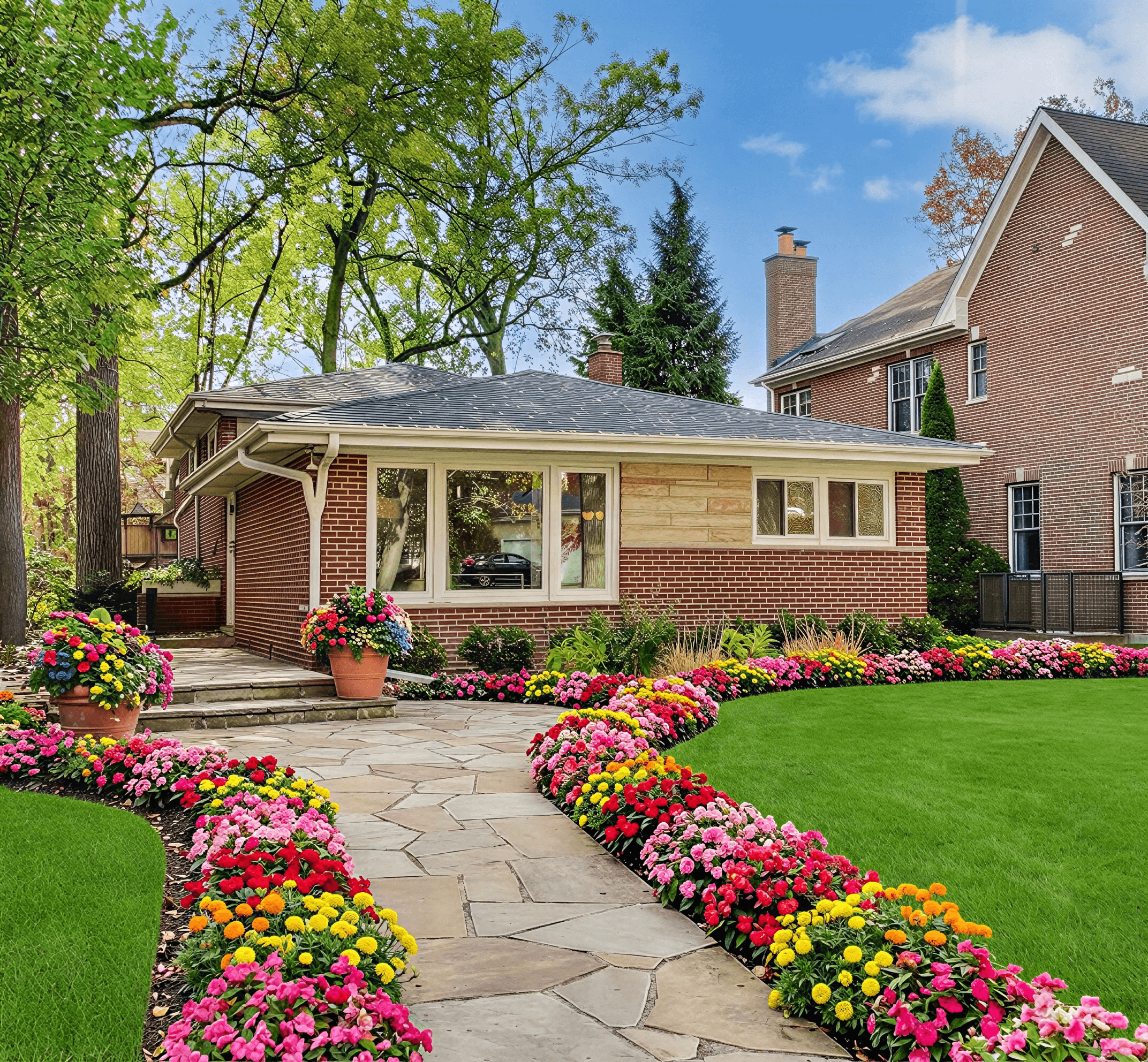
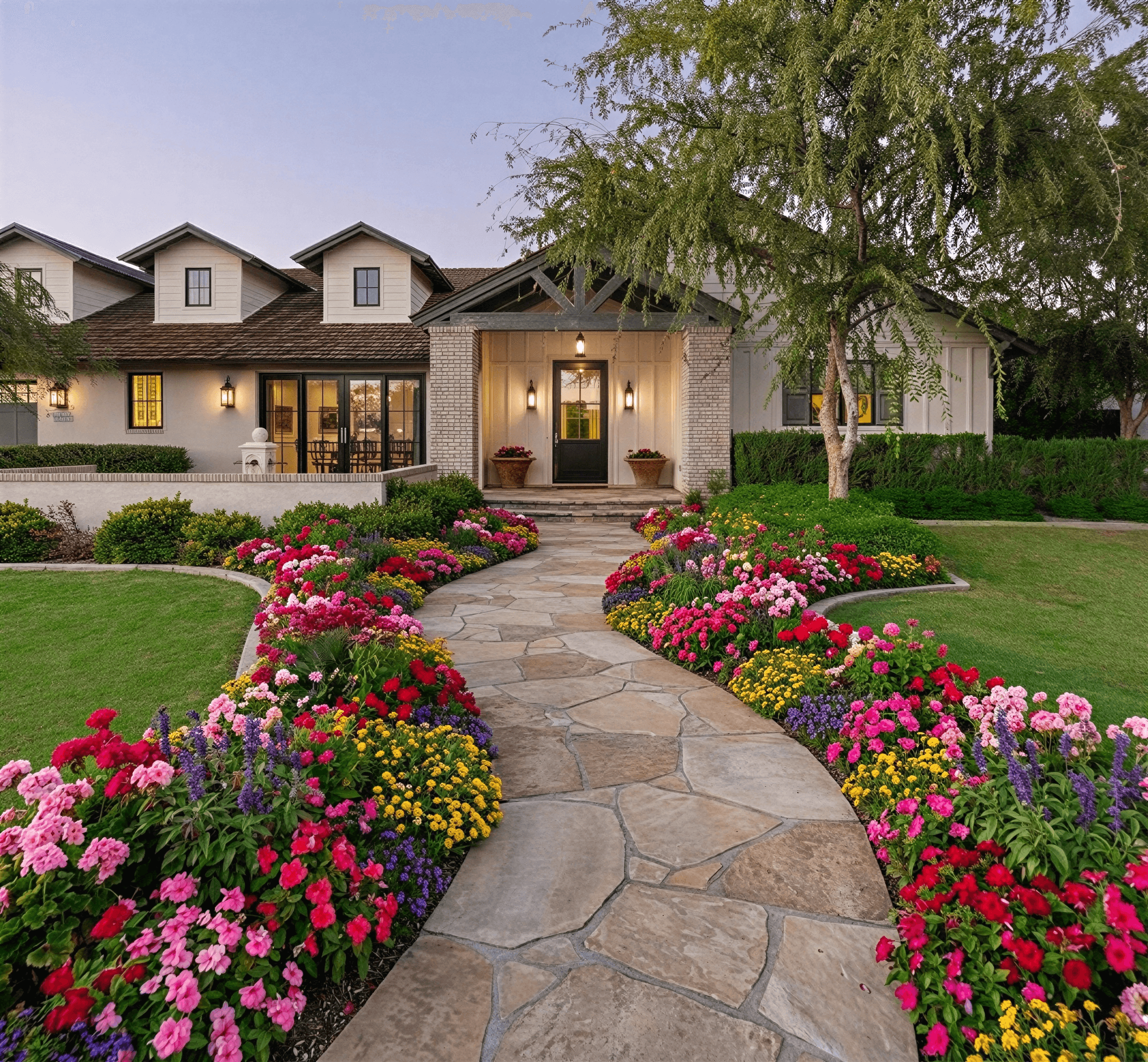
Ready to see how these shade tolerant plants will look in your front yard before you even break ground? Stop guessing and start visualizing. Curb Appeal AI can take a photo of your space and instantly generate photorealistic designs featuring climate-appropriate plants, allowing you to perfect your plan. See your future curb appeal today at Curb Appeal AI.