Sacramento Planting Zone: Your Guide to a Thriving Garden
If you're starting a garden in Sacramento, the first and most important piece of information you need is your planting zone. For the vast majority of the Sacramento area, that's USDA Hardiness Zone 9b. This simple code is the key to unlocking a successful, thriving garden. It tells you which plants can survive our winters, taking the guesswork out of your landscaping projects.
Decoding the Sacramento Planting Zone
Think of the USDA Hardiness Zone map as the ultimate cheat sheet for your garden. It carves the country into different zones based on one critical factor: the average lowest winter temperature. For Sacramento, landing squarely in Zone 9b means our winters typically see lows between 25 to 30 degrees Fahrenheit.

Knowing this "climate fingerprint" is the foundation of smart gardening. It’s what keeps you from the heartbreak of planting a gorgeous tropical plumeria, only to watch it wither after the first real January frost. Understanding your zone is the first step toward building a resilient landscape that looks great year after year.
What Zone 9b Means for Your Garden
So, what does being in Zone 9b actually mean for your day-to-day planting decisions? Here's the breakdown:
- Long Growing Season: Our mild winters give us two fantastic growing seasons. You can plant cool-season crops like kale and lettuce in the fall and winter, followed by a long, hot summer perfect for tomatoes, peppers, and vibrant flowers.
- Minimal Freeze Risk: We definitely get frost, but the kind of deep, hard freeze that kills established, zone-appropriate plants is rare.
- A Gardener's Paradise: Zone 9b supports an incredible diversity of plants. Think Mediterranean mainstays like lavender and rosemary, citrus trees heavy with fruit, and heat-loving showstoppers like crape myrtles.
To give you a clearer picture, here’s a quick summary of what to expect in our local climate.
Sacramento Planting Zone 9b At a Glance
| Attribute | Details |
|---|---|
| Average Minimum Winter Temp | 25°F to 30°F (-3.9°C to -1.1°C) |
| First Average Frost Date | Around mid-to-late November |
| Last Average Frost Date | Around mid-to-late February |
| Growing Season Length | Approximately 9-10 months |
| Key Climate Feature | Hot, dry summers and mild, wet winters |
This table serves as a handy reference for planning your planting calendar and choosing species that are set up for success from the start.
Even with recent updates to the national map that shifted zones in other areas, Sacramento's Zone 9b classification has held steady. This stability in our average winter lows is a huge asset. It makes our region a hotspot for diverse and beautiful landscaping—a major plus for homeowners and real estate professionals looking to boost curb appeal. You can see how these climate patterns influence our region’s larger agricultural footprint in the latest agricultural statistics review.
By knowing you're in Zone 9b, you're not just buying plants; you're making an informed investment in your home's curb appeal. It’s the difference between guessing and gardening with confidence.
How Microclimates Shape Your Sacramento Garden
While knowing you're in Zone 9b gives you a great starting point, the real magic happens when you look closer at your own backyard. Every property has its own tiny weather patterns, or microclimates, and learning to spot them is the secret to taking your garden from good to great.
Think of your yard like a house. You know how one room might always be a bit warmer or catch a better breeze? Your garden is the same. These small variations in sun, shade, and wind can mean the difference between a plant that thrives and one that just... survives. A plant that loves one spot might languish just 30 feet away.
Learning to read these environmental pockets is how you give your plants the best possible home.
Becoming a Backyard Climate Detective
So, what creates these little climate zones? It's all about how the features of your landscape interact with the elements. By paying attention to how sun, shade, and structures play together throughout the day, you can start to map out your yard's unique conditions.
Here are the biggest players to watch for:
- Heat Sinks (Walls and Patios): Got a south- or west-facing wall? Or a big concrete patio? These surfaces soak up the sun's energy all day long and then radiate that heat back out, especially at night. This creates a cozy pocket that can be a half-zone warmer, making it the perfect spot for heat-lovers like citrus or bougainvillea. These are prime locations for full-sun landscaping ideas where plants need to handle intense, reflected warmth.
- Frost Pockets (Low-Lying Areas): Cold air is heavier than warm air, so on a calm winter night, it naturally sinks and settles in the lowest parts of your yard. If you have a small dip or swale, that's your frost pocket. It'll get colder there than anywhere else, so it's a bad place for frost-tender plants like young fruit trees or delicate perennials.
- Shade and Windbreaks (Fences and Trees): A solid fence doesn't just give you privacy; it can also block those drying summer winds, creating a sheltered spot for more delicate plants. The north side of your house or the deep shade under a mature oak tree will stay much cooler, offering a perfect home for things like ferns, hostas, and camellias that would fry in direct sun.
Paying attention to these subtle differences lets you garden with real precision. You’re no longer just following the broad rules of Zone 9b; you’re responding to the unique reality of your own space. That microclimate can be the difference between a plant that struggles and one that truly flourishes.
Putting Microclimate Knowledge to Work
Once you've identified these areas, the fun begins. You can start making smarter, more strategic planting choices. That warm, protected spot against the house? That's where you put the Meyer lemon tree you've always wanted. The cool, shady corner behind the garage is suddenly the ideal home for hydrangeas that always seem to wilt elsewhere.
By mapping out your microclimates, you can even start to gently push the boundaries of the official Sacramento planting zone. You might get away with growing something rated for a slightly warmer zone in that protected heat sink, or you could provide a cool refuge for a plant that typically prefers a milder climate. It’s all about giving each plant exactly what it needs to put on its best show.
A Year-Round Planting Calendar for Sacramento
One of the best things about gardening in the Sacramento valley is that it never really stops.## A Year-Round Planting Calendar for Sacramento
One of the best things about gardening in the Sacramento valley is that it never really stops. Our Zone 9b climate isn't about a single growing season; it’s a continuous cycle. Forget the idea of putting your garden to bed for half the year—here, we get to enjoy two distinct planting windows that keep things interesting from January to December.
Think of the gardening year as a two-act play: the cool season and the warm season. Each has its own star performers and a unique set of chores to keep the show running smoothly. Fall and winter are perfect for hardy greens and setting the stage with foundational plantings. Then, spring and summer arrive, bringing out the vibrant, sun-worshipping showstoppers.
Understanding how your own yard behaves is a huge part of this. The sun's path, the heat bouncing off a wall, or a shady corner can create microclimates that bend the rules of the calendar.

As the timeline shows, that south-facing wall can act like a little heat bank, giving you a jumpstart on planting tomatoes or peppers a few weeks earlier than in a cooler, more exposed part of your yard.
Cool-Season Gardening: Fall Through Winter
The cool season, which generally kicks off around October and lasts through February, is the time for plants that actually enjoy chilly weather. This is when you’ll plant vegetables that can shrug off a light frost and get the "bones" of your landscape established for the long haul.
The soil is still holding onto summer’s warmth, but the cooler air means less stress on new transplants. This encourages them to focus on building a strong, deep root system before the summer heat arrives.
What to Plant in the Cool Season:
- Hearty Greens: Get seeds or starts in the ground for kale, spinach, chard, and a huge variety of lettuces.
- Root Veggies: Carrots, beets, radishes, and turnips are best sown directly into your garden beds now.
- Winter Color: Keep things bright with annuals like pansies, violas, snapdragons, and calendula.
- Bare-Root Plants: This is the absolute best time to plant bare-root fruit trees, roses, and cane berries. They’ll settle in all winter and be ready for explosive growth in the spring.
Key Cool-Season Garden Tasks:
- Mulch Everything: A thick layer of mulch is your best friend. It holds in moisture, keeps winter weeds down, and insulates roots from cold snaps.
- Pruning Time: Once the leaves drop, it's time to prune deciduous fruit trees to improve their shape and encourage a healthy harvest. Roses get their major haircut in January.
- Stay Ahead of Weeds: Cool-season weeds are sneaky. Pull them before they have a chance to set seed and create a bigger problem in the spring.
Warm-Season Gardening: Spring Through Summer
Once the soil starts to warm up around March, the garden really comes to life. This is the classic summer gardening season we all dream of, filled with heat-loving vegetables, fruits, and flowers that scream "summer."
The trick is to be patient. You need to wait until the danger of the last frost has passed, which is usually by late February or early March in our area, before putting tender plants in the ground.
What to Plant in the Warm Season:
- Summer Veggies: It’s go-time for transplants of tomatoes, peppers, eggplant, and squash.
- Vibrant Annuals: For that classic summer flower garden, plant zinnias, cosmos, marigolds, and sunflowers.
- Heat-Loving Shrubs: This is a great time to add shrubs that adore our climate, like the iconic Sacramento Weeping Crape Myrtle, which puts on a spectacular show all summer.
For a successful summer garden, timing is everything. Plant tender crops too early, and a late frost can wipe them out. Wait too long, and you'll shorten your harvest window before the intense heat of July and August sets in.
By getting in sync with this seasonal rhythm, you can create a Sacramento garden that’s not just surviving, but truly thriving all year long.
To make it even simpler, here is a quick reference table to guide your planting and maintenance efforts throughout the year.
Seasonal Planting Guide for Zone 9b
| Season | What to Plant (Examples) | Key Garden Tasks |
|---|---|---|
| Spring (Mar - May) | Tomatoes, peppers, corn, beans, squash, melons, zinnias, marigolds, basil. | Prepare beds with compost, plant summer bulbs, stay on top of weeding, set up irrigation. |
| Summer (Jun - Aug) | Eggplant, okra, pumpkins, cucumbers, sunflowers. Successive sowings of beans. | Deep watering, mulch to conserve moisture, monitor for pests, harvest regularly. |
| Fall (Sep - Nov) | Lettuce, spinach, kale, chard, broccoli, carrots, beets, pansies, snapdragons. | Clear out summer annuals, amend soil, plant cover crops, divide perennials. |
| Winter (Dec - Feb) | Bare-root fruit trees, roses, asparagus crowns, onions, garlic, potatoes. | Prune dormant trees and shrubs, plan spring garden, clean and sharpen tools. |
Following a schedule like this helps you maximize your garden's potential, ensuring you have something growing, blooming, or ready to harvest in every season.
The Best Plants for a Thriving Sacramento Landscape
Okay, you've got a handle on Sacramento's planting zone and you've started to see the little pockets of unique microclimates in your own yard. Now for the fun part: picking the plants. Choosing species that are naturally wired for our Zone 9b climate isn't just about helping them survive; it's about creating a landscape that truly thrives with less work and a lot more reward.
This isn't about just grabbing a random assortment of pretty flowers at the nursery. The most successful gardens are built in layers. Think of it like building a house: you need a strong foundation of trees and shrubs for structure, and then you bring in the perennials for seasonal color and flair. It's a simple strategy that guarantees your yard looks great all year long.

Foundation Trees to Anchor Your Design
Trees are the backbone of any great landscape. They give you shade, structure, and a sense of permanence that you just can't get from anything else. In a city famous for its lush canopy, planting the right tree is a nod to our local heritage.
You see, Sacramento earned its "City of Trees" nickname back in the 1930s during a massive planting boom. At its peak, the city was planting one tree for every two residents—that's about 50,000 trees annually! This was a direct response to some brutal heat waves in the early 20th century. Volunteers planted natives like valley oaks right alongside imports that were perfectly happy in Zone 9b, turning dusty, sun-baked streets into the leafy havens we enjoy today.
Here are a couple of fantastic choices to continue that legacy:
- Valley Oak (Quercus lobata): This is the quintessential Sacramento tree. It's a stunning native that becomes incredibly drought-tolerant once it settles in, and it's an absolute magnet for local wildlife.
- Crape Myrtle (Lagerstroemia indica): A true summer superstar. When the heat is relentless, the Crape Myrtle puts on a spectacular, long-lasting show with blooms in every shade of pink, purple, and white.
Evergreen Shrubs for Year-Round Structure
If trees are the backbone, evergreen shrubs are the workhorses of the garden. They provide that consistent green backdrop that keeps your yard from looking sad and bare in the winter. They're perfect for defining spaces, creating privacy, and adding texture that makes your flowering plants pop.
Consider these tried-and-true options:
- California Lilac (Ceanothus): A gorgeous native shrub that absolutely explodes with blue or purple flowers in the spring, drawing in pollinators from all over. It’s also exceptionally tough when it comes to drought.
- Indian Hawthorn (Rhaphiolepis indica): This is a tough, low-maintenance shrub with glossy green leaves and delicate pink or white flowers. It’s a go-to for foundation plantings or creating a tidy, low hedge.
Choosing evergreen shrubs is like dressing your garden in a classic, year-round outfit. Flowering perennials are the vibrant accessories you change with the seasons, but the evergreens provide the essential, timeless structure.
Flowering Perennials for Seasonal Color
Perennials are the plants that bring the "wow" factor. They're the ones that come back year after year to fill your garden with color, fragrance, and life. They’re also absolutely critical for supporting our local bees and butterflies. Our guide to native plant landscaping ideas by state can give you even more ideas for supporting our local ecosystems.
For reliable showstoppers in Sacramento, you can't go wrong with these:
- Salvia (Sage): There are countless varieties out there, and they are all famous for their long bloom times, vibrant colors, and their ability to attract hummingbirds. They absolutely thrive in our sun and heat.
- Lavender (Lavandula): That iconic scent is a perfect match for our Mediterranean climate. Lavender loves full sun, needs very little water once it's established, and its silvery foliage is beautiful on its own.
Drought-Tolerant Stars for a Water-Wise Garden
With our hot, dry summers, picking plants that sip water instead of guzzling it is just plain smart. A xeriscape, or low-water garden, doesn't have to be a barren rockscape—it can be just as lush and beautiful as any traditional yard.
Here are a couple of power players for a water-wise garden:
- Agave: These succulents make a huge statement. Their bold, architectural forms add a dramatic touch to any landscape, and they require almost no summer water. In fact, they pretty much thrive on neglect.
- Rosemary (Salvia rosmarinus): It's so much more than a kitchen herb! Rosemary is a tough-as-nails woody perennial that can be a groundcover, a hedge, or a beautiful cascading shrub. It’s evergreen, fragrant, and incredibly resilient.
Mastering Sacramento's Soil and Water Needs
Picking the right plants for the Sacramento planting zone is a great start, but long-term success really boils down to two things: understanding our soil and managing our water. Most of us are working with heavy clay soil. It’s a double-edged sword—packed with nutrients, but a real headache for drainage and root growth.
Imagine that clay soil as a dense, stubborn sponge. When it’s soaked, it holds onto water so tightly that plant roots can literally drown. Then, when our dry summer heat bakes it, it turns into something closer to a brick, making it nearly impossible for roots to stretch out. Thankfully, you can absolutely work with it.
The secret to taming clay soil is simple: consistently add organic matter. Each year, work a few inches of good compost or well-rotted manure into your garden beds. This stuff is magic. It breaks up the compacted clay, creating little air pockets that allow water to drain and give roots room to breathe and grow.
Building healthy soil isn’t a one-and-done job; it's a relationship. Every season you add more compost, you’re making your garden’s foundation stronger and more fertile for years to come.
Smart Watering for Hot Summers
Once you've started improving your soil, the next hurdle is keeping your garden alive through Sacramento's long, hot, dry summers. The goal here is to water smarter, not just more. We want to get water right to the roots where it counts, without losing most of it to the blazing sun.
Drip irrigation and soaker hoses are a gardener's best friend in this climate. Forget old-school sprinklers that spray water everywhere, feeding the weeds and losing a ton to evaporation. Drip systems deliver water slowly and precisely to the base of your plants. This targeted approach is a game-changer for getting through July and August, saving water, time, and money. You can dive deeper into creating watering schedules for plants that really work.
Best Practices for Sacramento Gardens
To really make your efforts pay off, try to build these habits into your gardening routine:
- Water Deeply and Infrequently: Don't just sprinkle the surface every day. A good, deep soak once or twice a week encourages plants to send their roots down deep, making them much tougher and more drought-resistant.
- Mulch is Your Friend: A two-to-three-inch layer of organic mulch, like shredded bark or wood chips, is non-negotiable here. It acts like a blanket, keeping the soil cool, holding in precious moisture, and stopping weeds from taking over.
- Water in the Morning: Give your plants a drink early in the day. This lets them hydrate before the heat kicks in and allows the leaves to dry off quickly, which helps prevent common fungal diseases.
By improving your soil and dialing in your watering, you’ll create a garden that doesn’t just survive our unique climate—it thrives in it.
Common Questions About Gardening in Sacramento
Gardening is a journey, not a destination. No matter how well you know the Sacramento planting zone, new questions always seem to sprout up. That's the fun of it! Getting clear answers to those common sticking points can give you the confidence to tackle that next big project you've been dreaming about.
Let's dig into some of the most frequent questions we hear from local gardeners. From dodging that last surprise frost to making sense of different climate maps, we'll clear up the confusion so you can get back to what you love—making your garden grow.
When Is the Last Frost Date in Sacramento?
This is the big one, especially for anyone chomping at the bit to get their summer vegetable garden started. While Mother Nature always has the final say, the average last frost date for the Sacramento area typically lands somewhere in mid-to-late February.
That said, most of us who've been gardening here for a while have learned to be a little cautious. It’s often wiser to wait until early March before putting tender plants like tomatoes, peppers, or basil in the ground. Always, and I mean always, check a reliable 10-day forecast before you plant. A single unexpected cold snap can undo all your hard work.
Can I Grow Citrus Trees in Sacramento?
You absolutely can! Sacramento's Zone 9b climate is a dream for growing a whole host of citrus trees. Meyer lemons, navel oranges, mandarins, and kumquats all do incredibly well here.
The trick is just giving them what they crave:
- Sun, Sun, Sun: Find the sunniest spot in your yard. If you can also give them some shelter from harsh winds, even better.
- Good Drainage: Citrus trees despise having "wet feet." Our native clay soil can be a problem, so amending it with plenty of compost is a must to prevent root rot.
- A Little Winter Protection: While a mature, healthy tree can shrug off our typical winter cold, young trees are much more fragile. For the first few years, it's a smart move to cover them with a frost cloth when the forecast calls for temperatures to dip below 32°F.
What Is the Difference Between USDA Zone 9b and Sunset Zone 14?
This is a fantastic question, and it gets to the heart of a lot of gardening confusion. The two systems look at climate through different lenses, and understanding both will make you a much smarter gardener.
Think of it this way: The USDA Zone is a simple snapshot of winter cold. The Sunset Zone is a full-length documentary about our entire climate story.
The USDA Hardiness Zone (9b) is based on one single data point: the average lowest winter temperature. It's great for answering the simple question, "Will this plant survive our winter?"
The Sunset Western Garden Zone (Zone 14 for us) is far more detailed. It takes a whole climate profile into account:
- Total length of the growing season
- Intensity of summer heat
- Humidity and local rainfall
- Coastal breezes versus inland valley air
For a Sacramento gardener, that Sunset Zone 14 designation is gold. It tells you if a plant can handle our long, hot, and bone-dry summers. Using both systems gives you the complete picture you need to choose plants that will truly thrive all year round.
How Can I Improve My Clay Soil?
Ah, the eternal struggle of the Sacramento gardener! Our heavy clay soil can feel like trying to plant in a brick. It's dense, drains slowly, and can be tough for roots to penetrate. But there is a silver bullet: organic matter.
Make it a yearly ritual to work several inches of good-quality compost, aged manure, or leaf mold into your garden beds. Over time, this transforms the soil's structure, improving everything from drainage to fertility. The one thing you should never do is add sand to clay—you'll end up with a substance surprisingly similar to concrete. If you're starting a new area and want to skip the back-breaking work, building raised beds and filling them with a quality garden mix is a fantastic shortcut.
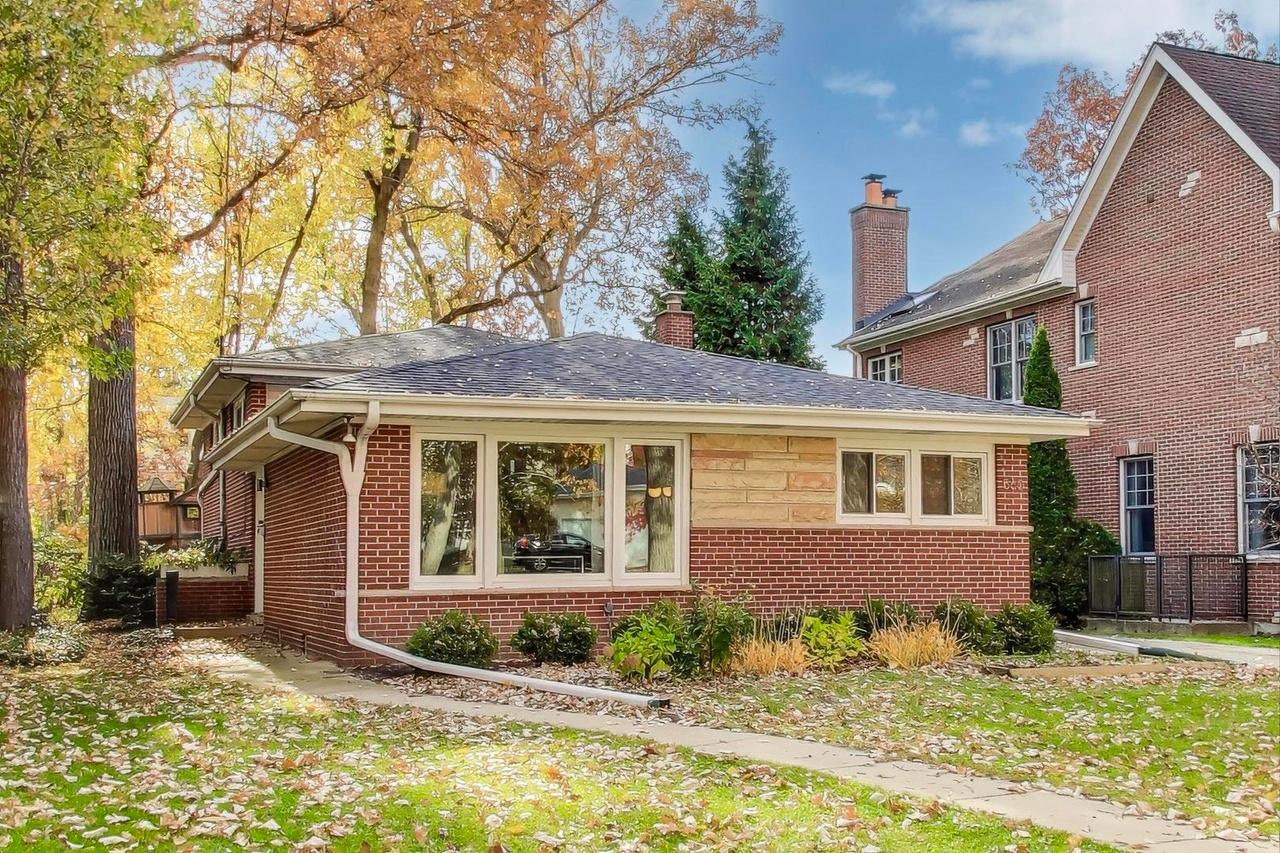
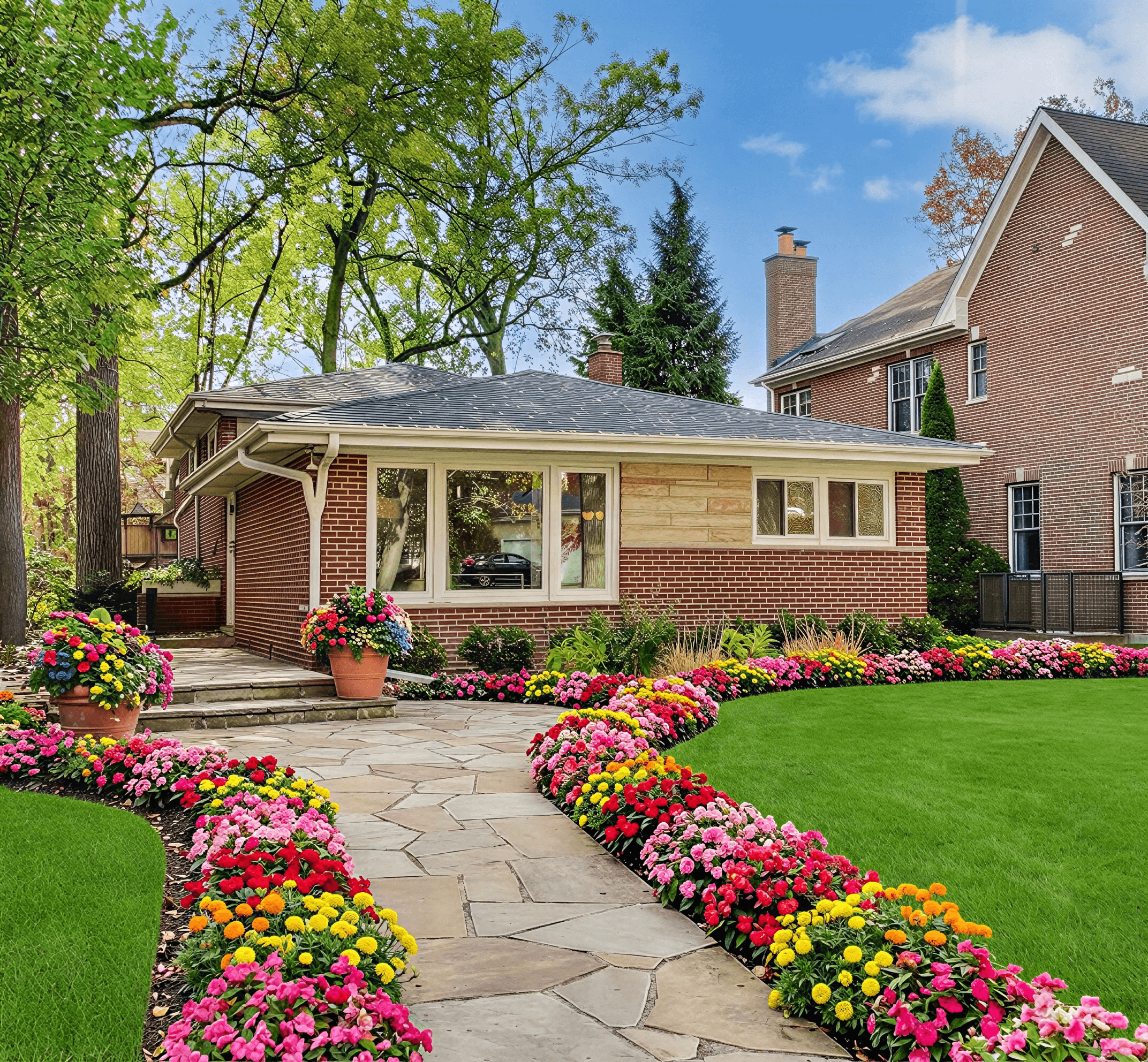
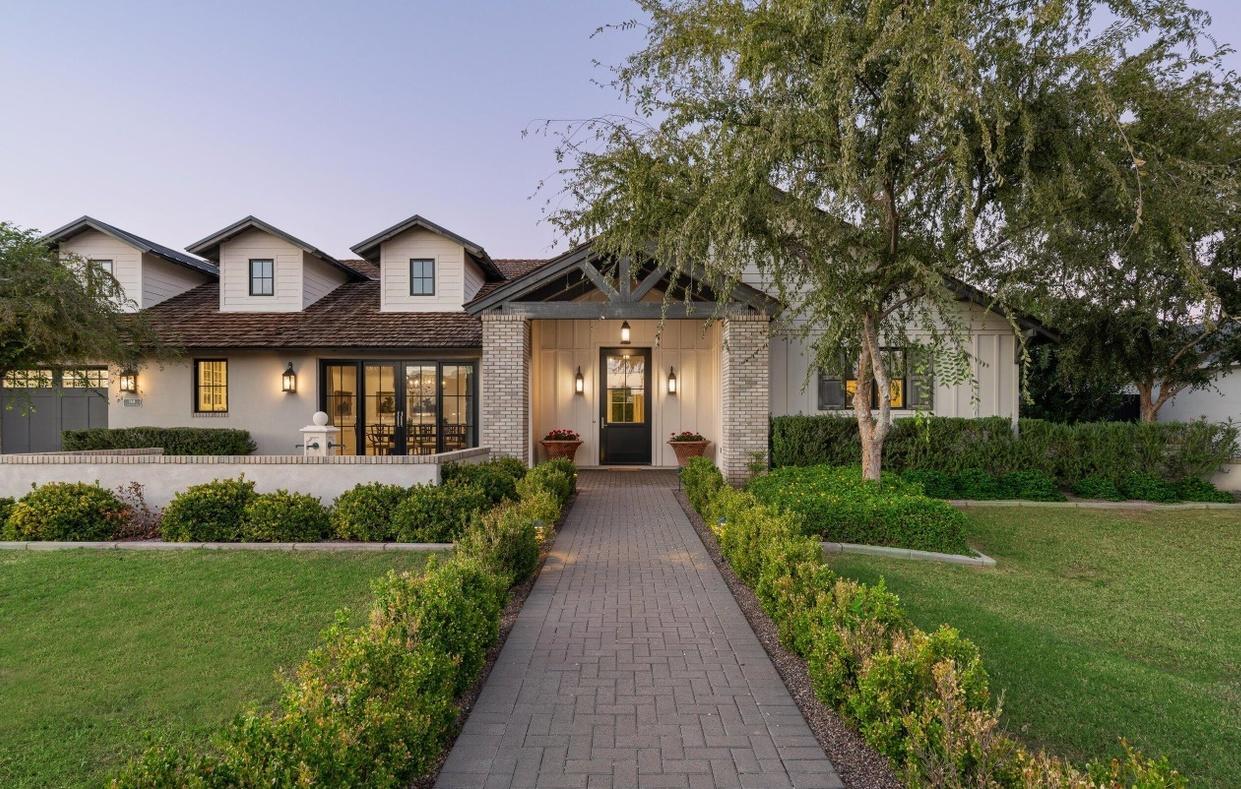
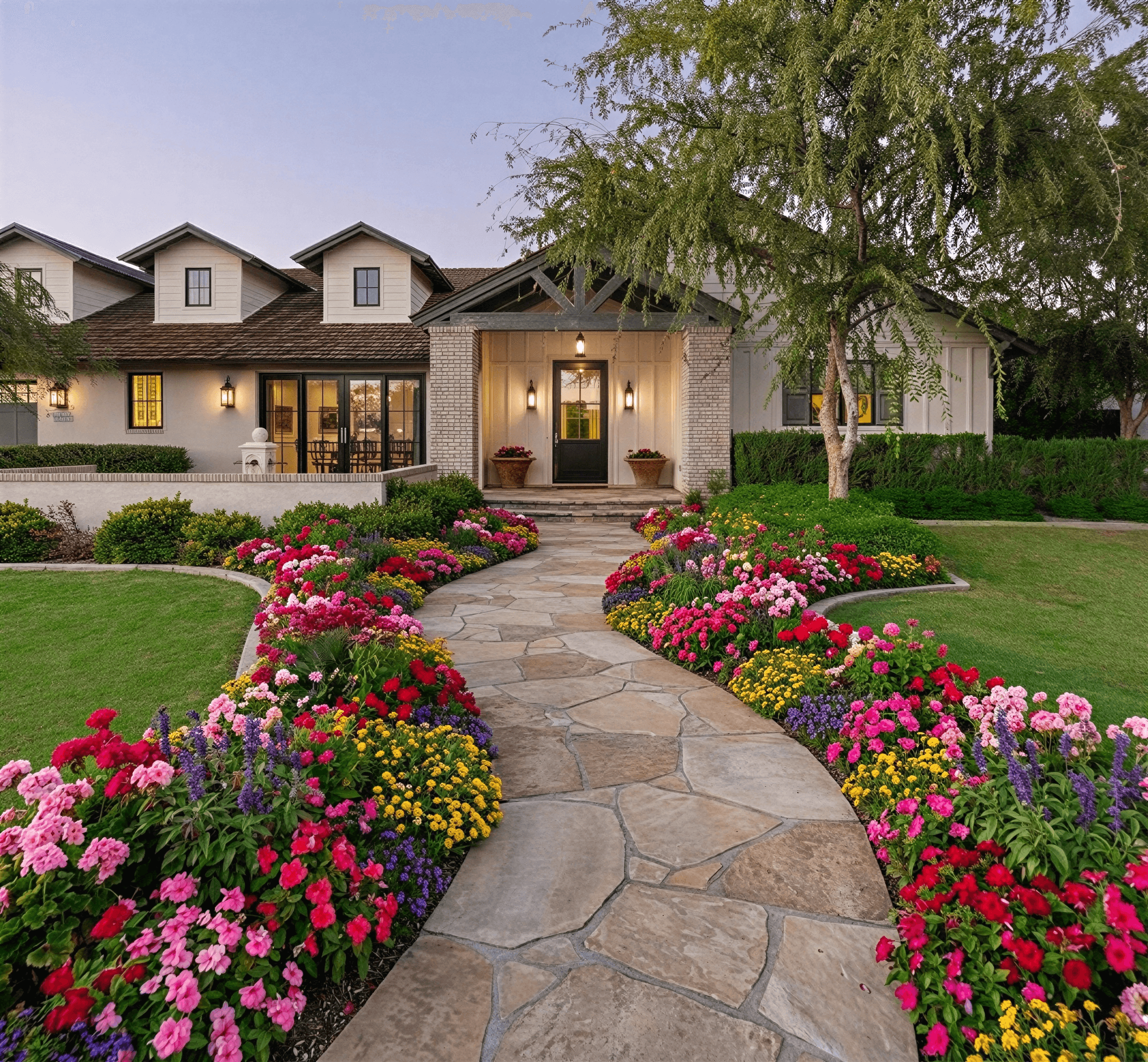
Ready to see what your home could look like with a landscape perfectly designed for Sacramento's climate? The Curb Appeal AI tool lets you visualize your yard in dozens of styles, from Mediterranean to Modern, using plants that are proven to thrive in Zone 9b. Stop guessing and start designing with confidence. Try Curb Appeal AI for free and reimagine your home's exterior today.