The Top 10 Potted Plants for Privacy to Screen Your Yard in 2026
Creating a private outdoor oasis doesn't always require permanent fences or slow-growing hedges. For homeowners, renters, and property managers seeking flexible, fast-acting, and beautiful solutions, potted plants for privacy offer a dynamic alternative. Whether you need to screen a balcony, define a patio space, or simply add a touch of green seclusion to your yard, container gardening provides an adaptable and stylish answer.
This guide moves beyond generic advice to give you a detailed roadmap for building your living screen. We will explore the best plant choices organized by light conditions and climate zones, ensuring you select species that will thrive, not just survive. You’ll find actionable strategies for everything from choosing the right container size to understanding growth rates, so you can decide between immediate coverage and long-term development.
We'll cover ten specific plant options, including the rapid growth of containerized bamboo, the elegant structure of columnar evergreens, and the seasonal beauty of flowering shrubs. For each, we provide maintenance tips, styling ideas, and practical implementation details to help you avoid common mistakes. While this guide focuses on container solutions, those considering more permanent installations can find additional inspiration. For additional inspiration on creating dense visual barriers, consider these effective privacy hedge ideas for a different approach. Our goal is to equip you with the knowledge to create a functional and beautiful living barrier that reclaims your space, one pot at a time.
1. Bamboo in Containers
For a fast-growing, evergreen privacy screen, few potted plants for privacy perform as well as clumping bamboo. When planted in large containers, these elegant grasses can grow several feet per year, forming a dense wall of foliage that effectively blocks sightlines. Unlike their aggressive running counterparts, clumping bamboo varieties have a predictable, non-invasive root system, making them perfectly suited for patios, balconies, and urban gardens where ground planting isn't an option.
The key to success is selecting the right type and providing adequate space. Clumping bamboos in the Fargesia and Bambusa genera are excellent choices. Fargesia species are more cold-hardy and prefer shadier conditions, while Bambusa varieties, such as the popular 'Alphonse Karr', thrive in warmer climates with more sun. This method is often seen in modern landscape design, from high-end residential entryways in Los Angeles to chic courtyard cafes in the San Francisco Bay Area, where they create a lush, resort-like atmosphere.
Implementation and Care
Proper setup is critical for long-term health and containing the plant. Follow these guidelines for a thriving bamboo screen:
- Container Choice: Select a large container at least 20 gallons in volume with a diameter of 18-24 inches. Ensure it has multiple drainage holes to prevent root rot, a common issue for bamboo.
- Sunlight: Position your pots to receive morning sun, which fuels growth, but provide protection from intense, direct afternoon sun that can scorch leaves.
- Watering: During the growing season (spring and summer), water deeply 2-3 times per week, allowing the soil to dry slightly between waterings. Reduce frequency in the fall and winter.
- Maintenance: Apply a layer of mulch on top of the soil to retain moisture and insulate the roots from temperature extremes. Feed with a balanced, slow-release fertilizer in the spring to support vigorous new growth.
Pro Tip: While clumping bamboo is not invasive, its root ball will eventually fill the container. Plan to divide and repot your bamboo every 3-5 years to maintain its health and vigor. This is also a great opportunity to propagate new plants.
2. Ornamental Grasses in Large Containers
For a softer, more dynamic privacy screen, tall ornamental grasses planted in spacious containers offer a graceful and modern solution. Unlike the rigid structure of a hedge, grasses like Miscanthus, Panicum, and Pennisetum create a billowing screen that moves with the breeze, filtering views rather than completely blocking them. This effect introduces a lightweight, contemporary look that preserves a sense of openness and air circulation, making them ideal potted plants for privacy on patios, decks, and balconies.

This approach is frequently seen in modern landscape designs where texture and movement are valued. Picture a row of Miscanthus x giganteus in sleek, tall planters defining the edge of a contemporary residential patio, or clusters of Panicum virgatum 'Heavy Metal' used in a high-end staging project to add color and motion. The soft foliage catches the light beautifully, creating a living screen that is as much a design feature as it is a functional barrier. Their seasonal changes also add year-round interest.
Implementation and Care
Success with potted grasses depends on choosing tall varieties and giving them the right foundation. Follow these tips for a beautiful, effective screen:
- Container Choice: Select extra-large containers, at least 25 gallons, to anchor tall grasses and prevent them from toppling in the wind. A wider base is more important than extreme depth. Ensure ample drainage.
- Sunlight: Most tall ornamental grasses perform best in full sun, which encourages robust, upright growth and strong seasonal color. Six or more hours of direct sunlight is ideal.
- Watering: Water deeply once or twice a week during the hot summer months, allowing the soil to dry out slightly between waterings. Grasses are fairly drought-tolerant once established but are thirstier in containers.
- Maintenance: Cut the entire clump of grass back to about 4-6 inches from the soil line in late winter or early spring before new shoots emerge. For a more detailed guide on low-maintenance gardening practices, consider these additional plant care tips.
Pro Tip: Plant grasses in clusters of 3-5 containers, slightly staggered, to create a denser visual block. This layered effect provides better privacy than a single, straight line and creates a more natural, meadow-like feel.
3. Evergreen Shrub Containers (Holly, Boxwood, Privet)
For a classic and structured approach to privacy, evergreen shrubs like Holly, Boxwood, and Privet in large containers are an excellent choice. This method provides dense, year-round screening with a formal or informal appeal, depending on the plant selection and pruning style. By choosing upright, columnar cultivars and planting them in a row, you can create a living wall that feels both elegant and permanent.
These versatile shrubs are ideal for framing entryways, defining patio edges, or screening undesirable views from a balcony. Their dense foliage is highly effective at blocking sightlines and dampening sound. This strategy is frequently seen in various design contexts, from the formal gardens of a townhouse using clipped boxwood in Versailles boxes to Mediterranean-style courtyards featuring variegated holly for a splash of color. They are among the best potted plants for privacy when a refined, architectural look is desired. For more ideas on integrating plants into your outdoor space, explore these backyard privacy landscaping ideas.
Implementation and Care
Correct plant choice and consistent maintenance are key to cultivating a healthy, dense evergreen screen. Follow these guidelines for a successful setup:
- Container Choice: Select deep containers that are at least 18-24 inches in diameter and 24 inches or more in depth to accommodate the root systems. Ensure ample drainage.
- Sunlight: Most hollies, boxwoods, and privets perform best in full to partial sun, needing at least 4-6 hours of direct light to maintain dense growth.
- Watering: Water consistently throughout the growing season, allowing the top inch of soil to dry out between waterings. Reduce frequency in winter but do not let the soil dry out completely.
- Maintenance: Prune 2-3 times per year to maintain the desired shape and encourage dense branching. Apply a slow-release evergreen fertilizer in the spring to fuel new growth.
Pro Tip: Focus on upright or columnar cultivars to achieve height without excessive width. Look for Ilex crenata 'Sky Pencil' (Holly), Buxus sempervirens 'Fastigiata' (Boxwood), or Ligustrum sinense 'Variegatum' (Privet) for a naturally narrow growth habit that is perfect for container screens.
4. Clipped Myrtle or Crepe Myrtle Topiary Containers
For a highly structured and elegant privacy solution, clipped myrtle or crepe myrtle topiaries offer a formal, architectural screen. These woody shrubs can be trained into stunning columnar, spiral, or cloud forms that provide both screening and a powerful design statement. Reaching heights of 5 to 8 feet in containers, they create a sense of refined order and can be used to frame views, flank doorways, or establish a sophisticated boundary along a patio.
This approach brings a distinctly Mediterranean or European charm, ideal for formal gardens and high-end properties. You will often see meticulously pruned myrtle topiaries defining exclusive residential gardens in climates like Southern California or lining the grand entryways of luxury hotels in Florida. Their dense, fine-textured foliage, combined with the sculptural form, makes them one of the most artistic potted plants for privacy.
Implementation and Care
Achieving and maintaining a perfect topiary form requires precision and consistent attention. Follow these guidelines for a beautiful and healthy display:
- Container Choice: Select very large, heavy, decorative urns or planters (20+ gallons) to provide a stable base and complement the topiary's visual weight. Excellent drainage is non-negotiable.
- Sunlight: Position the containers in a location that receives at least six hours of direct, full sun daily. This is crucial for dense growth, strong form, and abundant blooming on crepe myrtles.
- Watering: Water deeply and consistently, especially during the hot growing season. The soil should remain moist but not waterlogged; never allow the container to dry out completely, as this will stress the plant.
- Maintenance: Prune regularly, about 4-5 times during the growing season, to maintain the intricate shape. Fertilize monthly from spring through summer with a balanced, slow-release formula to support new growth and flowering.
Pro Tip: Invest in a nursery-trained topiary to start. Developing these intricate forms from scratch takes years of skilled work. For complex shapes like spirals or cloud forms, consider hiring a professional pruning service to maintain the plant's structure and health.
5. Climbing Ivy and Vine Containers with Trellises
For a romantic and highly effective living wall, training fast-growing vines on container-mounted trellises creates a soft, green privacy screen. This vertical gardening technique quickly covers a trellis, often 6 to 8 feet tall, to block unwanted views while adding lush texture and, in many cases, beautiful fragrance to a space. Unlike a solid hedge, a vine-covered trellis allows for dappled light and air circulation, making it an excellent choice for patios and balconies.

The versatility of this method is its greatest strength. It’s a staple in European-style entryways, where clematis climbs up elegant wooden trellises, and it defines cottage gardens with fragrant star jasmine creating a dreamy, secluded atmosphere. This approach is also adapted for modern urban patios, using sleek metal trellises and uniform English ivy to build a clean, architectural green wall. It’s an ideal solution for adding height and screening without a large footprint.
Implementation and Care
Success depends on choosing vigorous vines and providing a sturdy support structure. Use these guidelines for a flourishing vine screen:
- Container Choice: Select a heavy, substantial container of at least 20 gallons. A wider base provides stability for a tall trellis, especially in windy locations. Ensure the trellis is securely fastened to the container or staked deeply into the soil.
- Sunlight: Most flowering vines, like clematis and jasmine, perform best with morning sun and afternoon shade to prevent scorched leaves. Ivy is more tolerant of shadier conditions.
- Watering: Vines in containers require consistent moisture, especially during their first year of establishment. Water deeply whenever the top 1-2 inches of soil feel dry.
- Maintenance: During the growing season, gently weave new growth into the trellis monthly to guide its direction and ensure even coverage. Prune annually after the blooming period to control size, remove dead wood, and encourage fuller growth.
Pro Tip: Spacing is key for creating a solid wall of greenery. Place multiple containers 3 to 4 feet apart. As the vines grow, you can train them to spread horizontally and intertwine, closing the gaps between the individual trellises for a seamless, living privacy screen.
6. Japanese Maple Containers
For a privacy solution that doubles as a stunning landscape centerpiece, dwarf to semi-dwarf Japanese maples in large containers are an exceptional choice. While deciduous, these elegant trees provide three-season privacy with a sophisticated, fine-textured screen of foliage. Their delicate, often dissected leaves and graceful branching structure add an architectural element that few other potted plants for privacy can match.
These trees are not just for screening; they are living art, changing from the vibrant greens and reds of spring to brilliant autumnal shades of orange, yellow, and crimson. This seasonal drama is why they are frequently featured in modern landscape design, from the serene courtyards of the Pacific Northwest, where a 'Bloodgood' adds a splash of color, to contemporary Japanese-inspired gardens showcasing weeping dissectum varieties.

Implementation and Care
Success with potted Japanese maples hinges on protecting their sensitive roots and leaves. Follow these guidelines for a healthy, beautiful specimen:
- Container Choice: Go big from the start. A 25-gallon or larger container is ideal to accommodate the root system and provide stability. Superior drainage is non-negotiable to prevent root rot.
- Sunlight: The "diva" of the plant world, Japanese maples demand specific light. Position them for gentle morning sun but shield them from the harsh, direct afternoon sun, which can easily scorch their delicate leaves.
- Watering: Consistency is key. Never allow the soil to dry out completely. Water deeply whenever the top 1-2 inches of soil feel dry, adjusting frequency with the seasons.
- Maintenance: Apply a thick layer of mulch (like pine bark or shredded hardwood) to keep the roots cool, retain soil moisture, and insulate against temperature fluctuations. Prune only to remove dead or crossing branches, allowing the tree’s natural, graceful form to develop.
Pro Tip: Select a cultivar known for a more upright, screen-worthy habit, such as 'Bloodgood' or 'Emperor I', which can reach 6-12 feet in a container. For a softer, weeping effect, consider a 'Dissectum' variety. Protect the pot from freezing solid in cold climates by wrapping it or moving it to a sheltered location.
7. Photinia (Red Tip) Containers
For a privacy screen that combines functional density with striking seasonal color, Photinia shrubs are an exceptional choice. Known for their brilliant red new growth that emerges in spring, these evergreens provide a dense, opaque barrier while adding dramatic ornamental appeal. When grown in large containers, they can reach heights of 6-10 feet, creating a living wall that is both beautiful and effective at blocking views.
The key is selecting the right variety and giving it the space to mature. The most popular choice, Photinia x fraseri 'Red Tip', is prized for its vigorous growth and vibrant color. This method is frequently seen in residential properties across California and contemporary gardens in Arizona, where the fiery red tips create a stunning contrast against neutral-toned architecture. Mediterranean-style properties in the Southwest also use them to create formal yet colorful displays along driveways and patios.
Implementation and Care
Proper container selection and placement are essential for vibrant color and long-term health. Follow these guidelines for a successful Photinia screen:
- Container Choice: Opt for a large, deep pot that is at least 20-24 inches in diameter and 24 inches or more in depth. This accommodates the root system and provides stability. Excellent drainage is non-negotiable to prevent root diseases.
- Sunlight: Position the containers in a location that receives full sun, meaning a minimum of six hours of direct sunlight per day. This exposure is crucial for developing the signature red-tipped foliage.
- Watering: Water newly planted Photinias regularly to help them establish. Once mature, they are relatively drought-tolerant but will perform best with consistent moisture, allowing the top layer of soil to dry out between waterings.
- Maintenance: To encourage a flush of new, colorful shoots, prune the plant lightly after the initial spring growth spurt. Apply a balanced, slow-release fertilizer each spring to support healthy development. In humid climates, a preventative fungicide spray can help manage leaf spot diseases.
Pro Tip: For a seamless privacy hedge effect, space your containers 3-4 feet apart. As the shrubs grow, their canopies will merge, creating a continuous and solid screen of foliage that provides excellent year-round coverage.
8. Columnar Juniper Containers
For a minimalist and architectural approach to privacy, few potted plants for privacy offer the clean lines of columnar junipers. These narrow evergreen conifers provide a year-round screen with silvery-blue or deep green foliage. Growing between 8 to 15 feet tall but only 1 to 2 feet wide, they are perfectly suited for creating linear screening along a patio, balcony, or entryway without consuming valuable floor space.
Their strong vertical form adds a touch of formal elegance and structure that works exceptionally well in modern and Mediterranean designs. You can see this method used in contemporary Arizona residences where Juniperus scopulorum 'Skyrocket' provides a water-wise screen against the desert backdrop, or lining the patios of sleek townhouses for a sharp, uniform look. Their drought tolerance makes them a superb choice for sunny, low-maintenance settings.
Implementation and Care
Achieving a healthy, uniform juniper screen in pots depends on proper selection and placement. Follow these guidelines for success:
- Container Choice: Select a substantial, well-draining container that is at least 18-20 inches in diameter and over 24 inches deep to provide stability for the tall, narrow plant. Heavy materials like concrete or stone can prevent tipping in windy conditions.
- Sunlight: Position your junipers in a location that receives at least six hours of full, direct sun daily. Excellent air circulation is also crucial to prevent fungal diseases.
- Watering: These conifers are drought-tolerant and highly susceptible to root rot from overwatering. Water deeply only when the top few inches of soil are completely dry.
- Maintenance: Apply a layer of gravel or wood chip mulch to the soil surface, keeping it away from the trunk, to regulate soil temperature and moisture. Columnar junipers rarely require pruning; their natural upright form is their main appeal.
Pro Tip: For an almost immediate privacy barrier, purchase more mature specimens that are already 4-6 feet tall. Space the containers approximately 2-3 feet apart to create a continuous "green wall" effect while still allowing for adequate air circulation between plants.
9. Dwarf Conifer Mixed Containers (Emerald Green, Techny Arborvitae)
For classic, year-round privacy with a minimal footprint, few potted plants for privacy are as reliable as dwarf conifers. Cultivars like 'Emerald Green' and 'Techny' Arborvitae grow in tight, columnar forms that provide a dense screen without demanding excessive space. In containers, they can reach heights of 8-12 feet while maintaining their slender profile, making them an excellent choice for framing entryways, defining patio borders, or lining driveways where ground planting is impractical.
This strategy brings a formal, structured elegance to landscape design. You'll often see clusters of 'Emerald Green' arborvitae adding a touch of traditional charm to New England properties or modern residential developments using mixed conifer containers for a layered, textured screen. The key is their vertical growth, which draws the eye upward and effectively blocks views from neighboring windows or public walkways, all while providing lush, green foliage 365 days a year.
Implementation and Care
Proper container selection and placement are essential for creating a unified and healthy conifer screen. Follow these guidelines for a successful setup:
- Container Choice: Select pots with a diameter of at least 18-20 inches to provide adequate root space. Heavy materials like concrete or thick ceramic offer stability against wind. Critical to success is ensuring the containers have excellent drainage.
- Sunlight: Position the containers where they will receive a minimum of four hours of direct sunlight daily. While they tolerate part shade, full sun promotes the densest, most vibrant foliage.
- Watering: Keep the soil consistently moist but never waterlogged. Container-grown conifers dry out faster than those in the ground, so check the soil every few days, especially during hot, dry weather.
- Maintenance: Apply a slow-release fertilizer formulated for evergreens in the early spring. In exposed, windy locations, consider staking young trees for the first year to prevent them from toppling. Lightly prune in late winter or early spring only if needed to maintain shape.
Pro Tip: For a seamless visual barrier, arrange individual containers in a tight cluster of three to five, or space them 2-3 feet apart in a row. This creates the illusion of a continuous hedge, maximizing the privacy effect. For extremely cold climates (USDA Zone 2), opt for the hardier 'Techny' Arborvitae.
10. Camellia and Flowering Shrub Containers
For those who desire both privacy and aesthetic beauty, container-grown flowering shrubs like Camellia offer a sophisticated, multi-functional solution. These evergreen plants combine dense foliage for year-round screening with an explosion of stunning seasonal blooms, turning a simple privacy barrier into a landscape focal point. When managed in large pots, many varieties can reach a substantial height of 6 to 10 feet, creating an effective screen that doubles as a source of color and elegance.
This approach is particularly effective for adding a touch of classic charm to a property. You can see it in Southern residential gardens, where rows of potted Camellias define patio spaces with their winter and spring flowers, or on luxury coastal properties featuring Japanese Camellia containers. Different varieties offer different bloom times; for instance, Camellia sasanqua varieties bloom in the fall and early winter, while Camellia japonica types flower from winter into spring, allowing for a staggered or extended blooming season.
Implementation and Care
Success with these acid-loving shrubs in pots hinges on creating and maintaining the right soil environment. Follow these guidelines for a thriving and beautiful flowering screen:
- Container Choice: Choose a large, sturdy pot at least 20-24 inches in diameter to accommodate the root system. Terracotta is a great choice as it breathes, but ensure it's frost-proof in colder zones. Excellent drainage is non-negotiable.
- Soil and pH: Use a high-quality, ericaceous (acidic) potting mix specifically formulated for plants like azaleas, rhododendrons, and camellias. The ideal soil pH is between 5.5 and 6.5.
- Sunlight: Position your shrubs where they will receive gentle morning sun but are protected from the harsh, direct afternoon sun, which can scorch their leaves and flowers.
- Watering and Feeding: Water consistently, using rainwater or distilled water if your tap water is alkaline. In spring, apply a slow-release fertilizer formulated for acid-loving plants to encourage robust growth and abundant blooms.
- Maintenance: Apply a 2-inch layer of organic mulch, such as pine needles or pine bark, to help retain soil moisture, suppress weeds, and maintain soil acidity as it breaks down.
Pro Tip: If your tap water is hard (alkaline), it will slowly raise the soil pH over time, stressing the plant. To counteract this, you can periodically amend the soil with a small amount of elemental sulfur or use a water-acidifying fertilizer to keep your Camellias healthy and blooming.
Top 10 Container Plants for Privacy Comparison
| Option | 🔄 Implementation Complexity | Resource Requirements | ⚡ Speed/Efficiency | 📊 Expected Outcomes (⭐) | 💡 Ideal Use Cases / Key Advantages |
|---|---|---|---|---|---|
| Bamboo in Containers | Medium — container/root management, avoid runners | Large pots (20+ gal), deep watering, annual fertilize, wind anchoring, root barrier | Very fast — 3–6 ft/yr | ⭐⭐⭐⭐⭐ Dense, year‑round opaque screen, modern aesthetic | Fast privacy for patios/entryways, modern/tropical designs |
| Ornamental Grasses in Large Containers | Low — simple planting, occasional division/staking | Extra‑large pots (25+ gal), low water, divide every 3–4 yrs, staking in wind | Fast — 4–8 ft/yr (varies) | ⭐⭐⭐ Filtering screen with strong seasonal movement; not year‑round | Soft, airy screens, seasonal interest, low‑maintenance designs |
| Evergreen Shrub Containers (Holly/Boxwood/Privet) | Medium–High — regular pruning and shaping | Large containers (18–24 in), consistent watering, pruning, higher upfront cost | Slow — 1–2 ft/yr; 2–3 yrs to screen | ⭐⭐⭐⭐ Dense, year‑round opaque privacy, formal look | Timeless formal screens, long‑term investment, topiary options |
| Clipped Myrtle / Crepe Myrtle Topiary | High — expert pruning or pro maintenance | Very large decorative pots (20+ gal), frequent pruning, regular fertilizing, full sun | Slow–Moderate — 1–2 ft/yr; 3–5 yrs to desired form | ⭐⭐⭐⭐⭐ Elegant sculptural screens, seasonal blooms, focal interest | Luxury staging, Mediterranean courtyards, high‑end focal privacy |
| Climbing Ivy & Vine with Trellis | Medium — install/anchor trellis, regular training | Heavy containers (20+ gal), sturdy trellis (6–8 ft), monthly tying/pruning | Fast coverage — 1–2 in/month to 1–2 ft/month in season | ⭐⭐⭐ Quick vertical screen that filters light; may be seasonal/deciduous | Vertical/small‑footprint privacy, romantic/cottage patios |
| Japanese Maple Containers | Medium — protection from sun/wind, careful watering | Extra‑large pots (25+ gal), excellent drainage, consistent moisture, wind shelter | Slow — 1–2 ft/yr; 5–7 yrs to substantial height | ⭐⭐⭐⭐ Filtered privacy, high ornamental/seasonal color, long‑lived | Refined, artistic screens, filtered shade for upscale courtyards |
| Photinia (Red Tip) Containers | Medium — pruning and disease monitoring | 20–24 in containers, full sun, regular pruning, fungicide in humid areas | Moderate — 2–3 ft/yr | ⭐⭐⭐⭐ Dense evergreen screen with seasonal red new growth | Vibrant year‑round privacy in warm/Mediterranean climates |
| Columnar Juniper Containers | Low — minimal pruning, simple care | Well‑draining pots (18–20 in), full sun, drought tolerant; buy taller specimens for speed | Very slow — many years to full height unless pre‑grown | ⭐⭐⭐ Narrow, year‑round architectural screening, low maintenance | Space‑efficient modern screening, drought/cold tolerant landscapes |
| Dwarf Conifer Mixed Containers (Arborvitae etc.) | Low–Medium — occasional pruning, cluster planting | 18–20 in pots, regular moisture, winter‑hardy varieties, staggered spacing | Moderate — 1–2 ft/yr | ⭐⭐⭐⭐ Dense evergreen screening, good winter color, quicker than juniper | Cold‑hard formal screens, quick dense privacy, layered containers |
| Camellia & Flowering Shrub Containers | Medium — soil pH management, shade protection | Large containers, acidic potting mix, consistent moisture, afternoon shade in hot climates | Slow–Moderate — 1–2 ft/yr | ⭐⭐⭐⭐ Evergreen screen with seasonal blooms, high ornamental value | Ornamental screening, upscale/staged gardens, year‑round foliage + flowers |
Designing Your Green Enclosure: From Plan to Planted
You’ve journeyed through a forest of options, from the fast-growing screens of clumping bamboo to the stately, architectural presence of columnar junipers. The core lesson is clear: creating a living privacy wall is not about finding a single "best" plant, but about assembling the right combination of plants, containers, and strategies for your specific environment. Using potted plants for privacy is a dynamic solution that allows for flexibility and creativity, turning a functional need into a stunning garden feature.
Recalling the items we've covered, from the graceful sway of ornamental grasses to the dense, evergreen foliage of Photinia and Camellias, the possibilities are extensive. The true success of your project hinges on matching the plant's needs with your site's conditions. Sun exposure, your climate zone, and your desired level of maintenance are the foundational pillars of a successful containerized privacy screen.
Synthesizing Your Privacy Strategy
Let's distill the most critical takeaways to guide your next steps. The journey from a bare patio to a secluded green oasis involves more than just buying a few plants. It requires a thoughtful, layered approach.
Key Strategic Reminders:
- Assess, Don't Guess: Before purchasing anything, perform a thorough site analysis. Track the sun's path across your space for a full day. Is it intense afternoon sun or gentle morning light? This single piece of information will narrow your plant choices significantly and prevent costly mistakes.
- Container Size is Non-Negotiable: This was a recurring theme for a reason. Under-potting is the fastest way to create a stressed, underperforming privacy screen. A larger container holds more soil, retains moisture longer, provides better insulation for roots, and offers more stability against wind. Think of the pot as the plant's long-term home, not a temporary holder.
- Think in Threes and Fives: For a natural, aesthetically pleasing look, group your containers in odd numbers. A single, lonely pot can look out of place, but a cluster of three or five containers of varying heights and textures creates a cohesive and intentional design. This is a classic design principle that works beautifully for creating pockets of privacy.
- Layer for Depth and Interest: Don't just line up soldiers in a row. Create a more effective and visually engaging screen by staggering your pots. Place taller plants like bamboo or arborvitae in the back, with medium-sized shrubs like boxwood or camellias in front, and perhaps even smaller, cascading plants at the base. This layering technique breaks up sightlines more effectively than a single, flat wall of green.
Pro Tip: Remember the "thriller, filler, spiller" concept, even on a large scale. Your tall privacy plants are the "thriller." The mid-size shrubs act as the "filler," and you can add smaller pots with "spiller" plants like creeping Jenny or sweet potato vine around the base to soften the edges and complete the look.
Moving from Concept to Reality
Now is the time to translate this knowledge into action. Start by sketching your space. Measure the area you need to screen and decide on the desired height. Will it be a 6-foot screen for patio privacy or a 4-foot border to define a walkway? This will dictate your plant selection, from towering grasses to more compact shrubs.
Create a shortlist of plants from this article that fit your light conditions and hardiness zone. Research their mature sizes and growth rates to ensure they align with your timeline and maintenance capacity. Remember, fast growth often means more frequent pruning and care. A slower-growing option like a Japanese Maple might be the perfect long-term, low-effort solution.
By thoughtfully selecting your plants and giving them the right foundation in a properly sized container, you are not just blocking a view. You are cultivating a sanctuary. You are adding life, texture, and seasonal interest to your home's exterior. These potted plants for privacy will become an integral part of your daily life, offering a buffer from the outside world while connecting you more closely to the rhythms of nature.
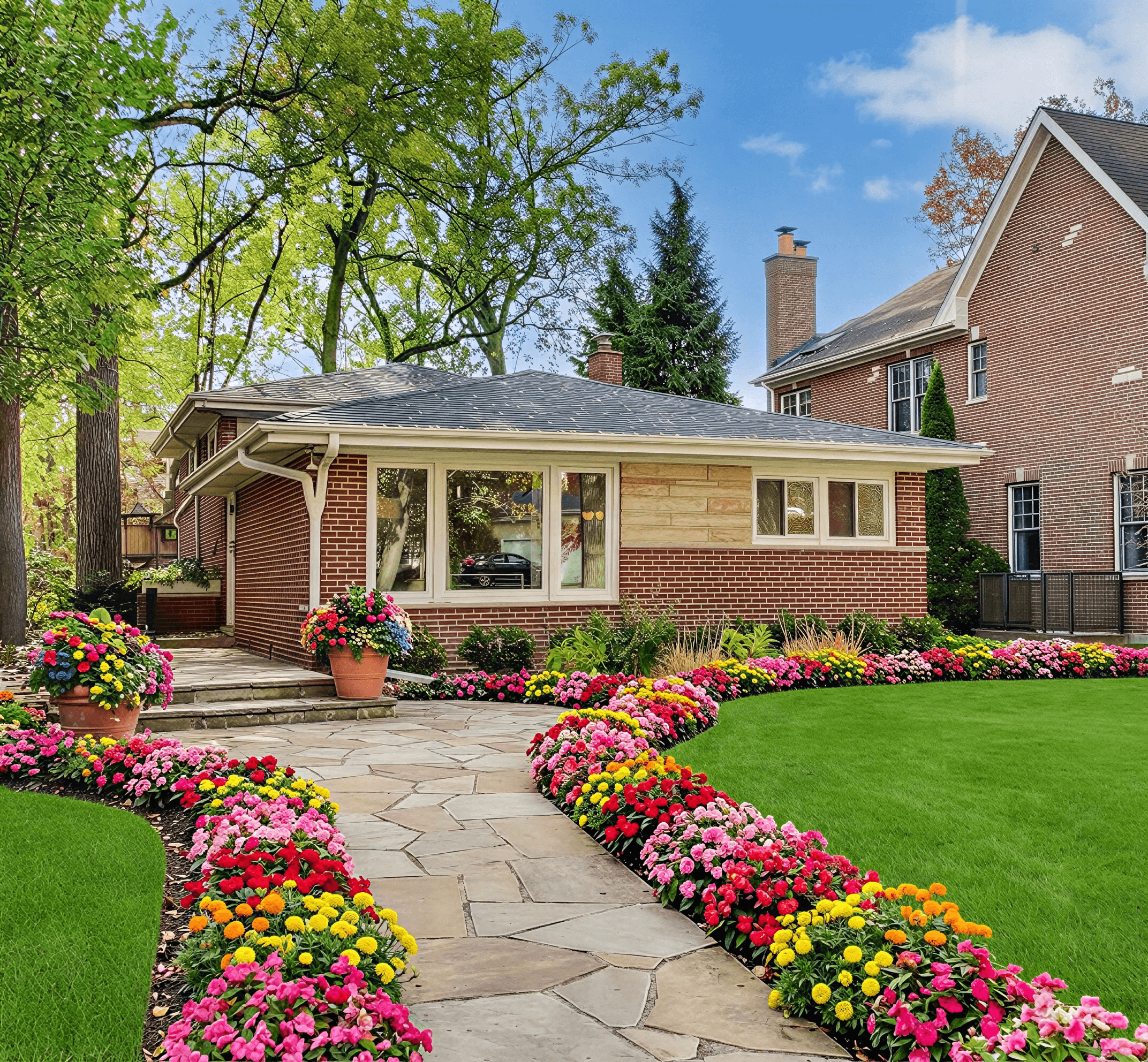
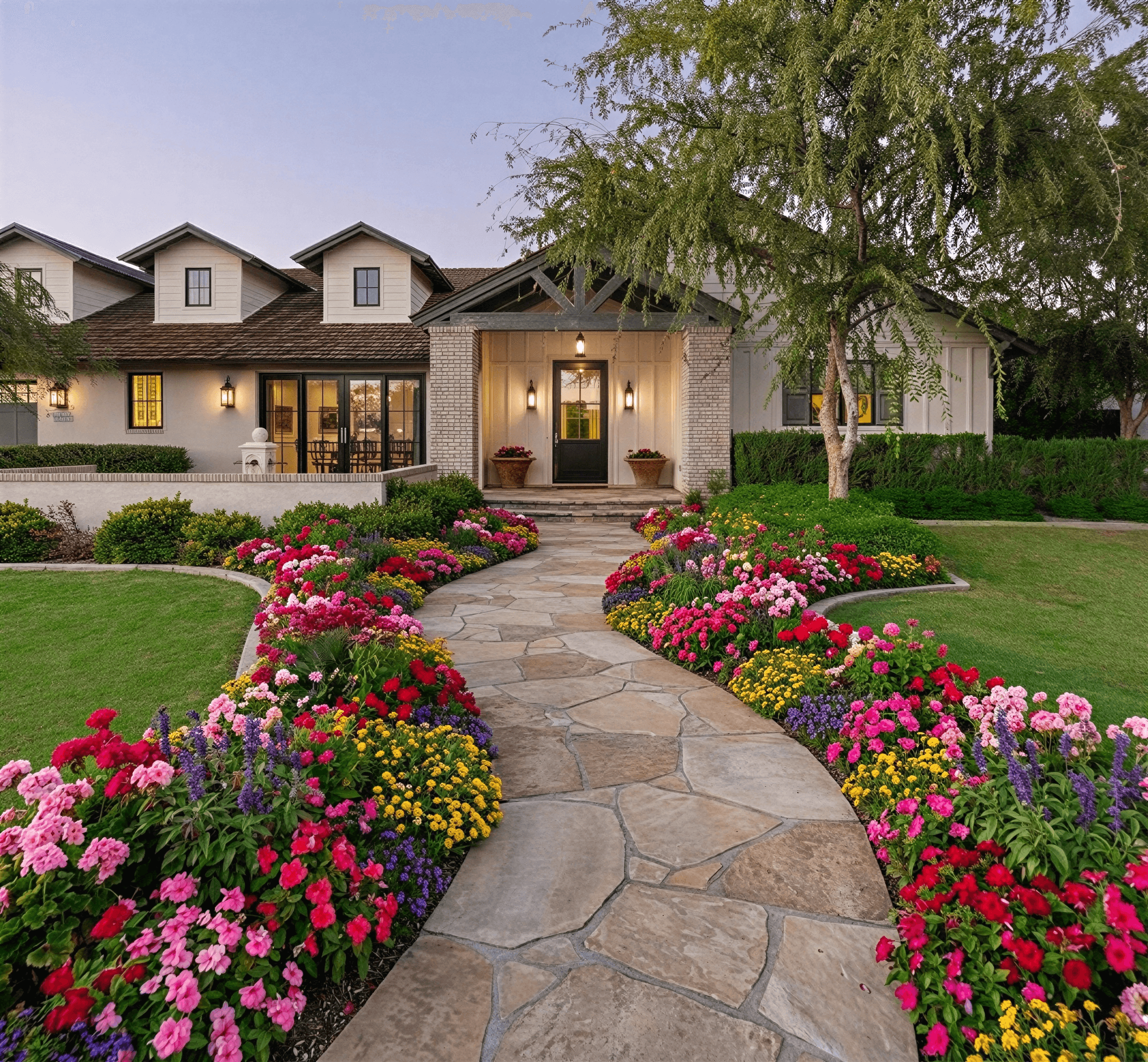
Feeling inspired but unsure how to visualize these ideas for your own home? Curb Appeal AI can instantly show you how different potted plant arrangements will look on your property. Simply upload a photo of your patio, balcony, or yard, and our tool generates photorealistic designs, helping you choose the perfect plants and layout before you even visit the nursery. See your vision come to life at Curb Appeal AI.