8 Inspiring Landscaping in Florida Ideas for 2026
Florida's unique climate offers a dazzling array of landscaping possibilities, but it also presents specific challenges like sandy soil, intense sun, and seasonal hurricanes. Creating a beautiful, thriving outdoor space is not about luck; it is about smart design choices that work with the environment, not against it. This guide provides a detailed roundup of landscaping in Florida ideas, specifically curated for different aesthetic styles, budget levels, and local hardiness zones.
Forget generic advice. Here, you will find actionable plans whether you are dreaming of a lush tropical paradise, a water-wise xeriscape, or a sleek modern oasis. We will explore specific plant recommendations that can withstand the heat and humidity, practical layout strategies for various yard types, and realistic maintenance tips to keep your garden flourishing.
Key Takeaway: The best Florida landscapes balance stunning visual appeal with environmental resilience, creating yards that are both beautiful and sustainable.
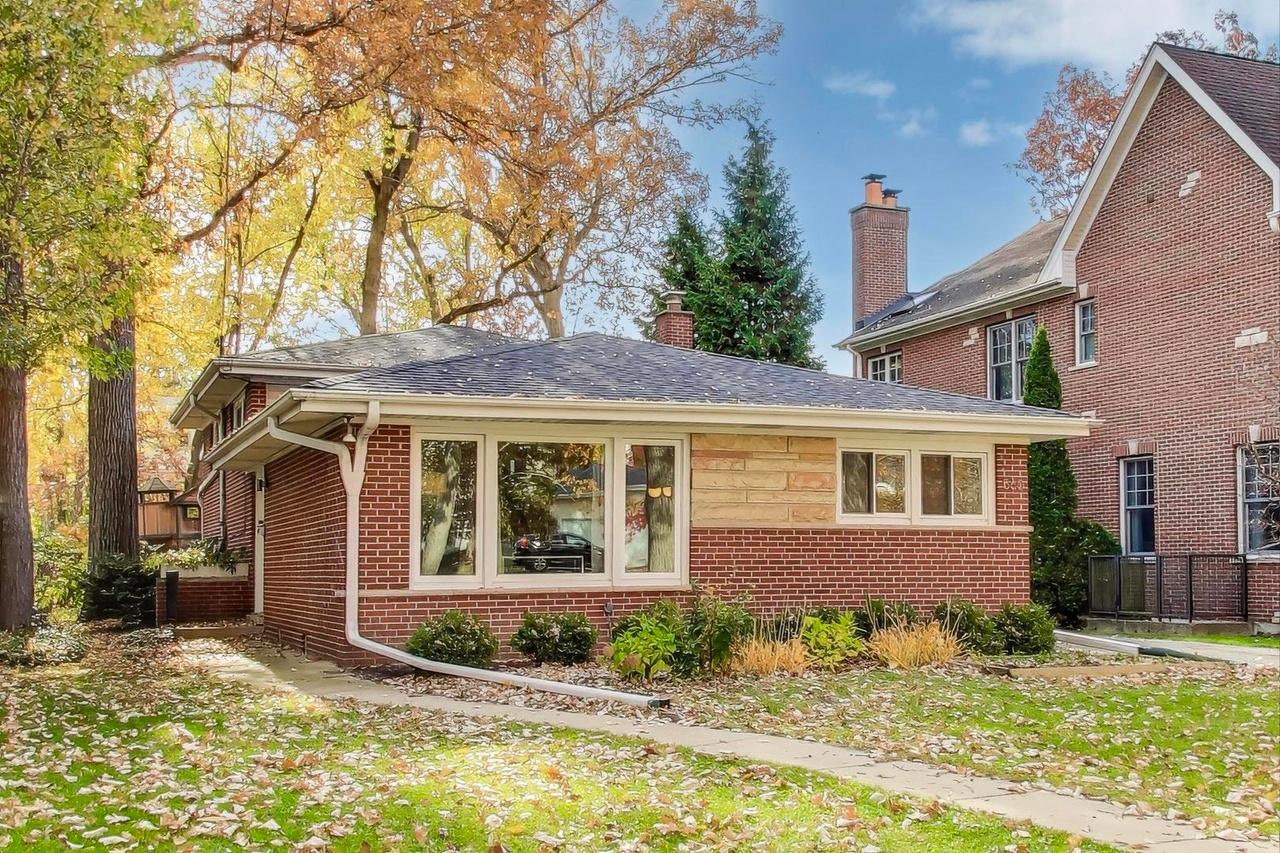
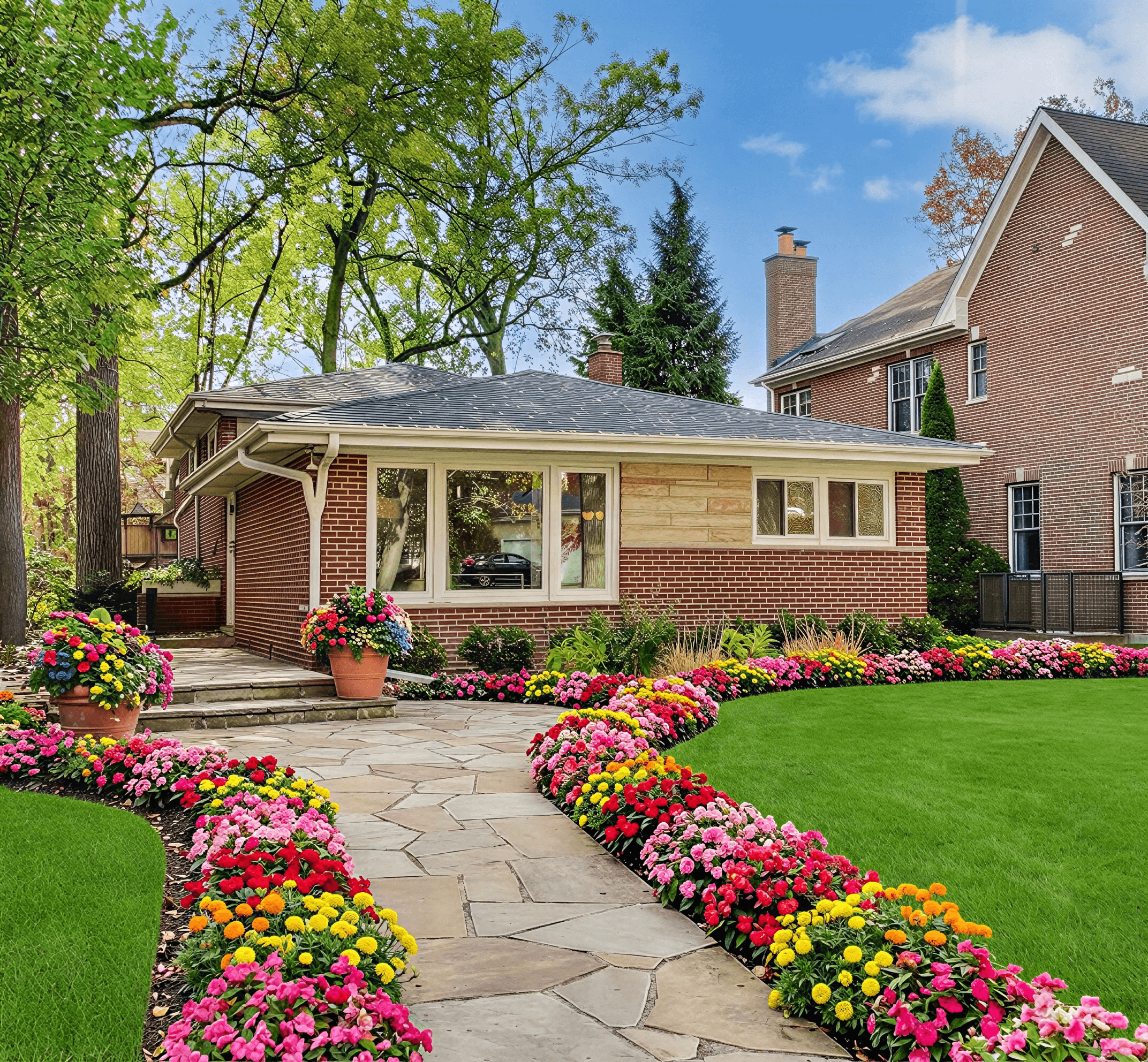
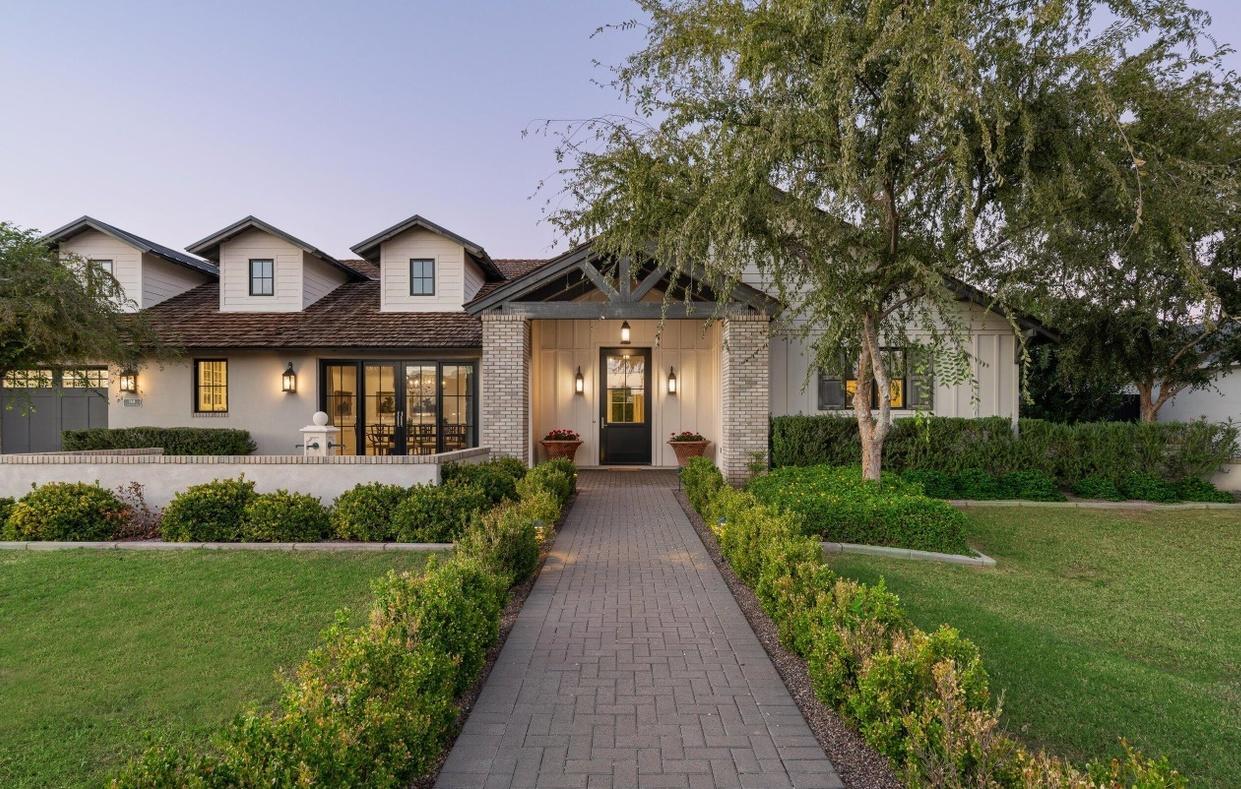
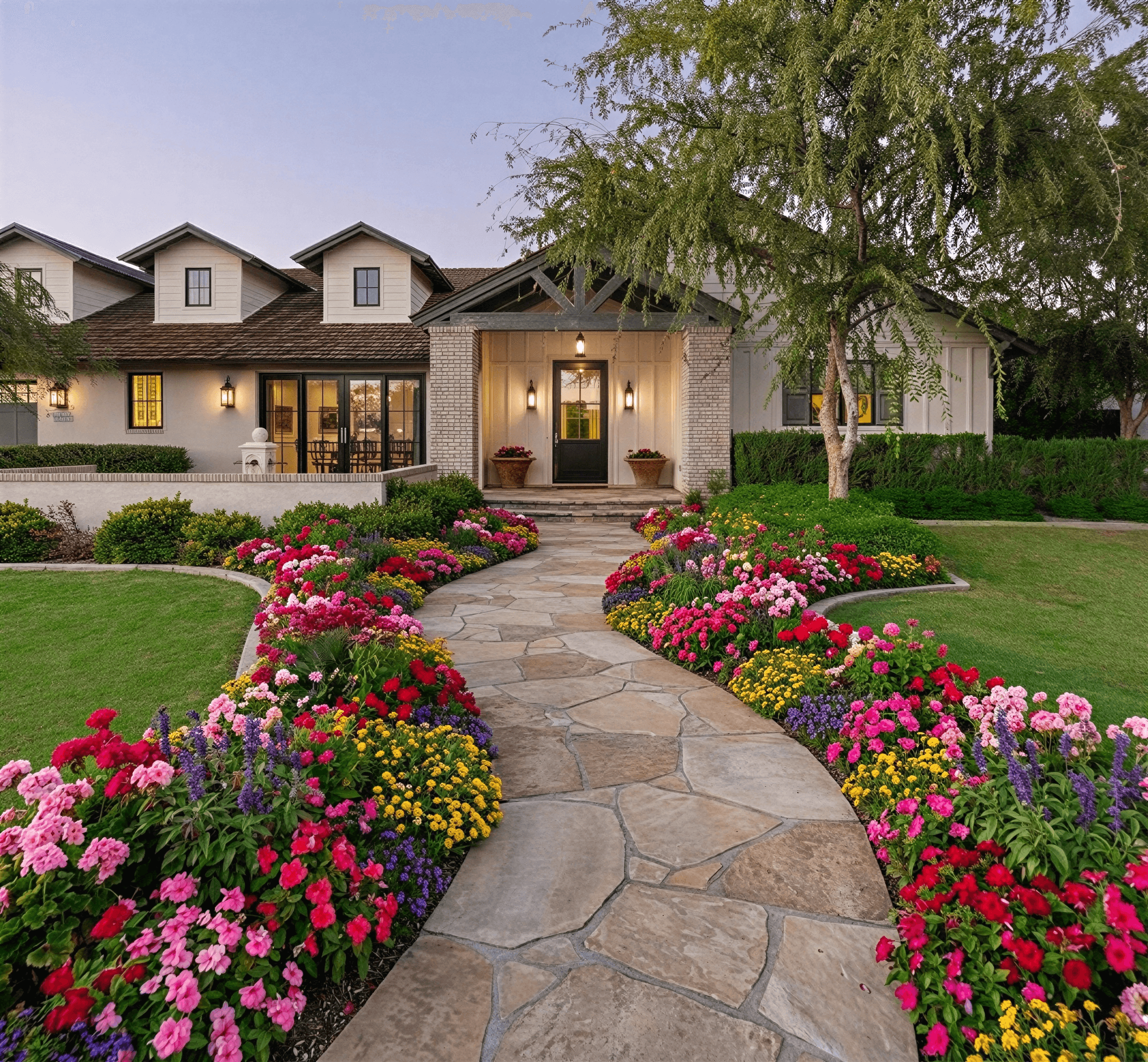
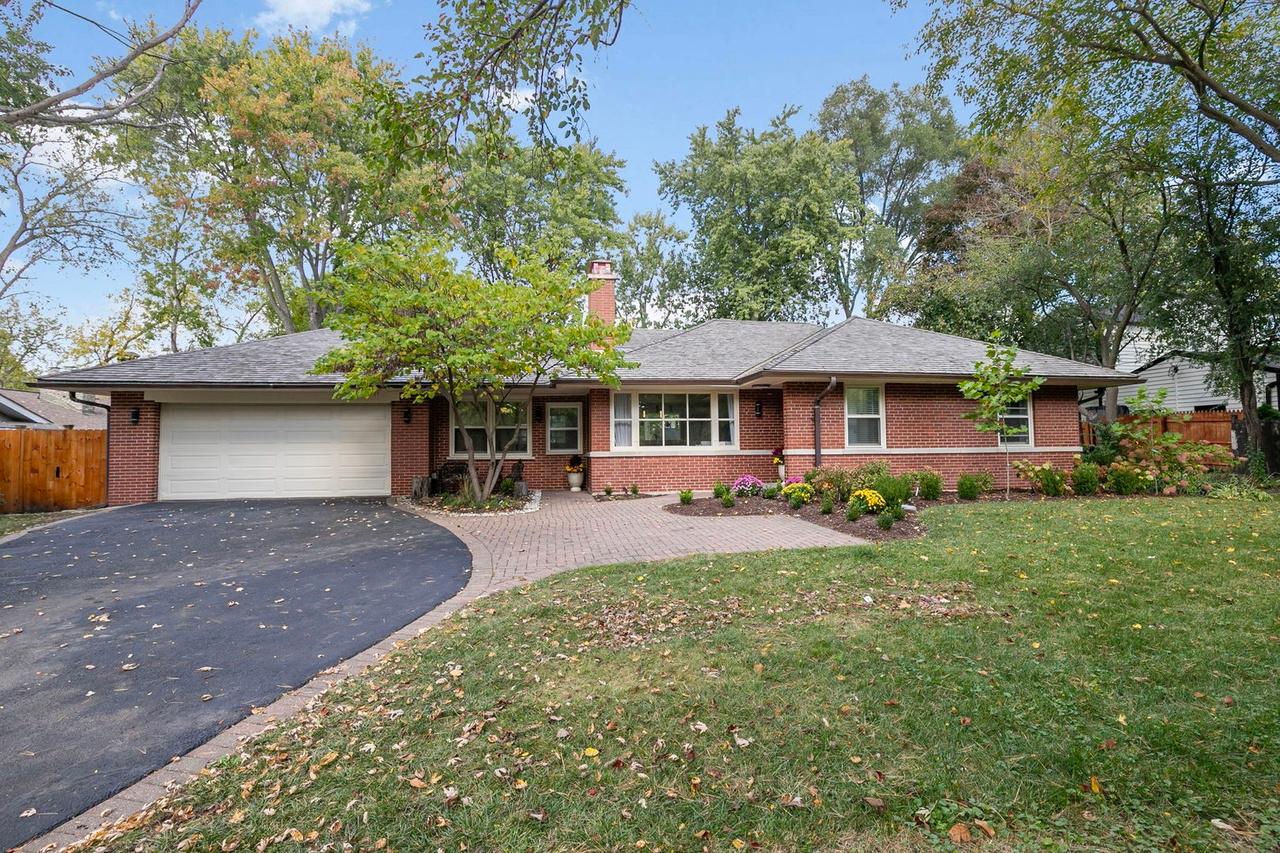
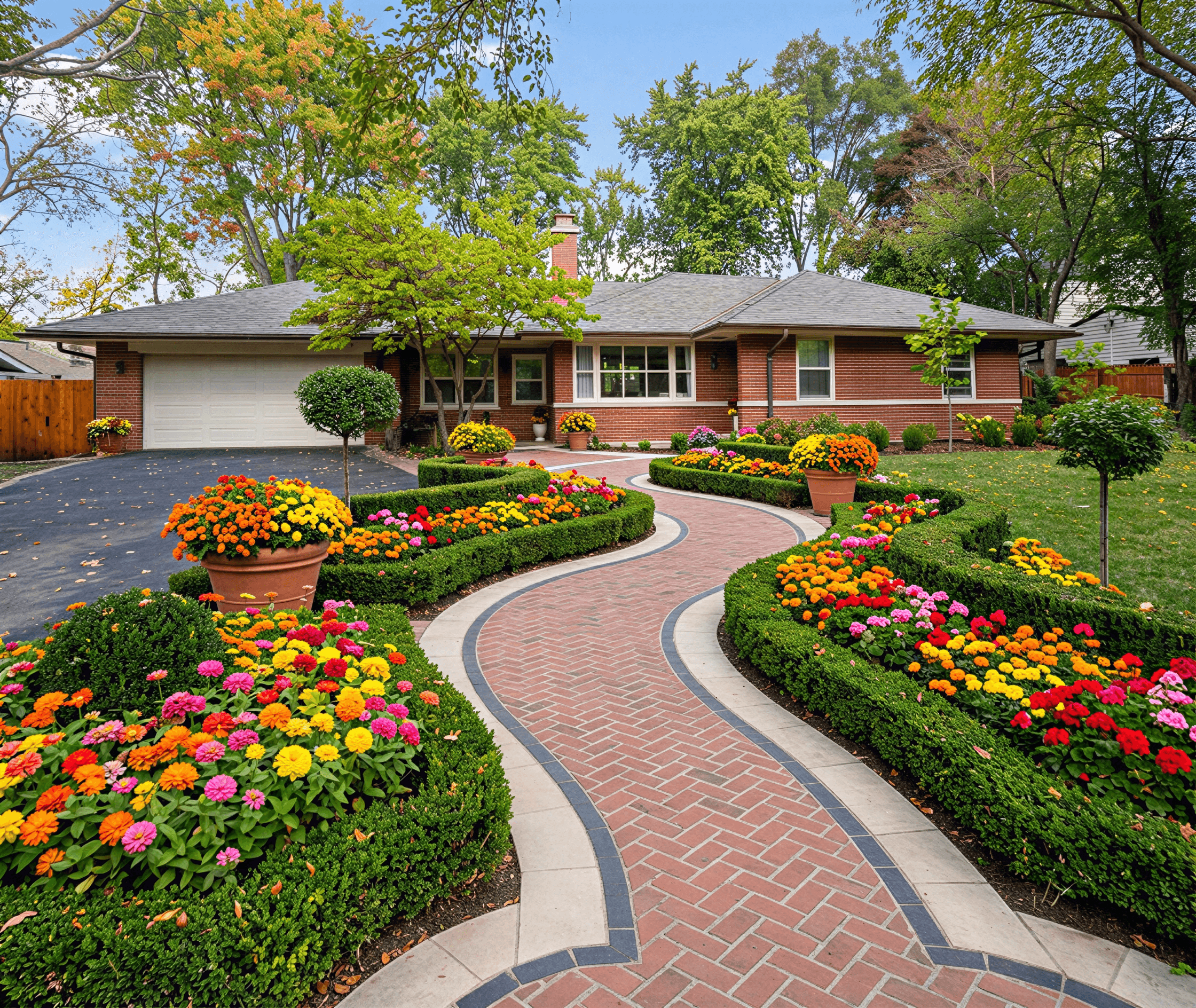
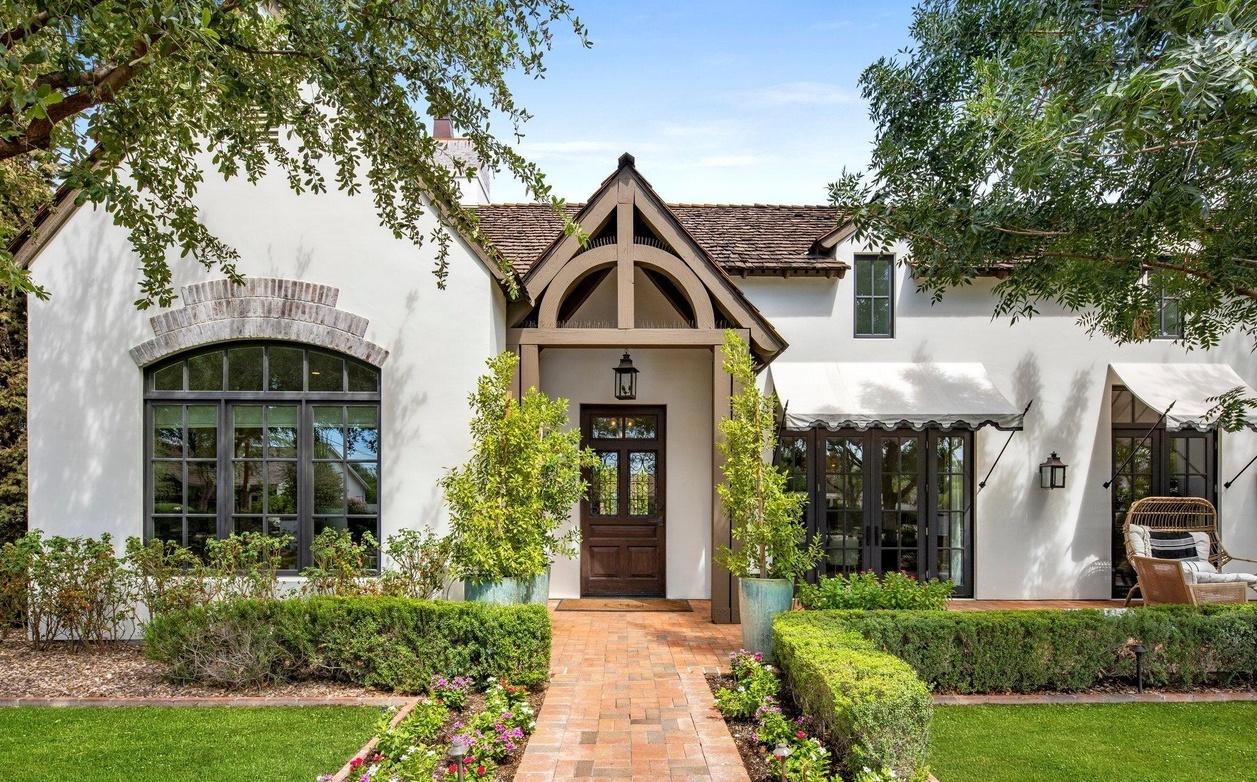
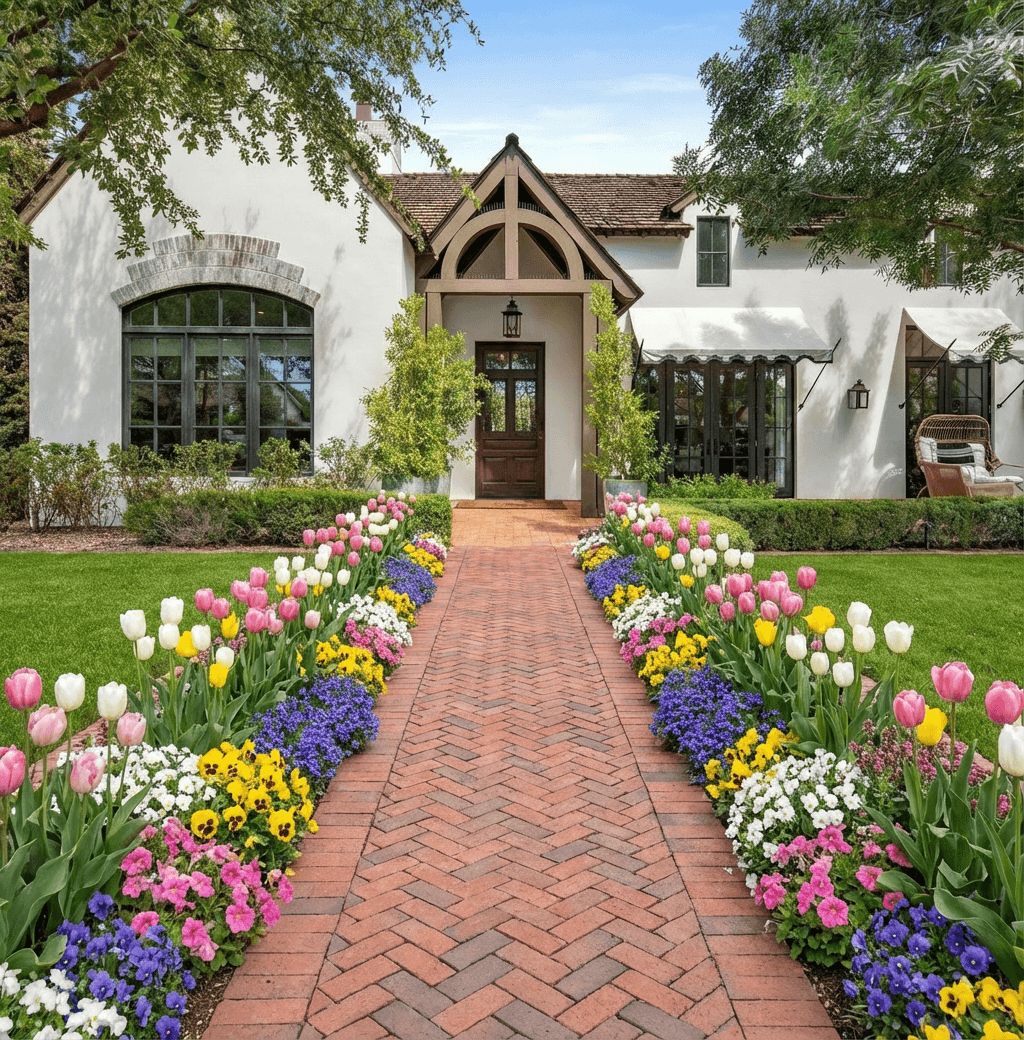
To help you move from concept to reality, we will also demonstrate how you can instantly preview these distinct styles on your own property. This allows you to see how different designs will look on your home before committing time or money, turning inspiration into a concrete, actionable plan. This article is your direct path to achieving exceptional curb appeal that is perfectly suited for the Sunshine State.
1. Tropical Paradise Landscaping
For many homeowners, the ultimate goal of landscaping in Florida is to create a personal, resort-style retreat. Tropical Paradise design achieves exactly this, leaning into the state's natural, humid climate to cultivate a lush, vibrant, and immersive environment. This style is defined by dense, layered vegetation, bold foliage, and often incorporates elements like water features or natural stone pathways to evoke the feeling of a secluded oasis.
Drawing inspiration from iconic locations like the Fairchild Tropical Botanic Garden or the historic estates of Coral Gables, this approach transforms a standard yard into an exotic escape. It is particularly effective in South and Central Florida (Zones 9b-11), where a wider array of tender tropical plants can thrive year-round with minimal frost protection. The core principle is creating visual depth and a sense of discovery through strategic plant placement and texture variation.
Implementation and Plant Selection
Success with a tropical theme hinges on smart plant selection and layout. Think in layers, creating a dense, jungle-like effect that also provides privacy.
- Canopy Layer: Start with taller, wind-resistant palms to establish the overhead structure. Varieties like the Royal Palm (Roystonea regia) or Foxtail Palm (Wodyetia bifurcata) offer height without casting excessively dense shade, allowing understory plants to flourish.
- Mid-Layer: Fill the space below with large-leafed plants that create a wall of green. Monstera deliciosa, Elephant Ears (Alocasia and Colocasia species), and various Philodendrons are excellent choices for adding dramatic texture and scale.
- Color and Accent Layer: Weave in pops of vibrant color with flowering tropicals. Hibiscus, Bird of Paradise (Strelitzia reginae), and Bromeliads (which can be mounted on trees or planted in well-draining soil) provide stunning, exotic blooms.
- Groundcover: Use low-growing plants like Blue Daze (Evolvulus glomeratus) or Mondo Grass to fill in gaps, suppress weeds, and complete the layered look.
Pro Tip: Use plenty of organic mulch, such as pine bark or eucalyptus, to retain moisture in Florida's sandy soil, regulate soil temperature, and provide a clean, defined edge for your garden beds.
A well-executed tropical landscape offers more than just beauty; it creates a functional outdoor living space that feels both luxurious and intimately connected to Florida's natural environment. For a quick preview of how these plants can transform your property, consider using a tool like Curb Appeal AI to visualize different combinations before you start digging.
2. Xeriscaping and Desert-Inspired Design
Contrary to popular belief, xeriscaping isn't just for arid climates; it's a water-efficient landscaping approach that’s becoming a cornerstone of sustainable design throughout Florida. This style prioritizes drought-tolerant plants, strategic irrigation, and hardscape materials like gravel and stone to create a beautiful, low-maintenance yard. While Florida receives abundant rain, its sandy soil drains quickly, making water conservation a smart, eco-friendly goal for any homeowner.

Inspired by modern aesthetics seen from Miami to Scottsdale and promoted by organizations like the Florida Nursery, Growers and Landscape Association (FNGLA), this method moves away from lush, thirsty lawns. Instead, it focuses on creating visual interest through texture, form, and the interplay between plants and hardscape elements. This approach is particularly effective for contemporary homes, sustainable developments, and properties with challenging, sun-baked areas where traditional turf struggles to survive.
Implementation and Plant Selection
A successful xeriscape relies on choosing plants adapted to Florida's climate that require minimal water once established. The design principle is to group plants with similar water needs (a practice known as hydrozoning) and use hardscape to define spaces and reduce plant mass.
- Structural Plants: Use architectural plants as focal points. Agave species, Yucca, and Coontie Palm (Zamia integrifolia), Florida's only native cycad, provide strong, sculptural forms that define the garden's structure.
- Grasses and Perennials: Soften the hardscape with ornamental grasses and tough perennials. Muhly Grass (Muhlenbergia capillaris) offers stunning pink plumes in the fall, while Esperanza (Tecoma stans) provides bright yellow, bell-shaped flowers through the hottest months.
- Color and Groundcover: Add pops of color with resilient bloomers. Lantana, Pentas, and Gaillardia (Blanket Flower) are excellent choices that attract pollinators and thrive in the heat. For groundcover, consider Perennial Peanut (Arachis glabrata) as a durable, flowering lawn alternative.
- Drought-Tolerant Shrubs: Build a mid-layer with hardy shrubs like Yaupon Holly (Ilex vomitoria) or Simpson's Stopper (Myrcianthes fragrans), which are both native and require very little care once mature.
Pro Tip: Use light-colored gravel or stone mulch instead of traditional wood mulch in full-sun areas. It reflects heat, reducing soil temperature and moisture loss, while giving your landscape a clean, modern look.
Creating a water-wise garden is one of the most practical landscaping in Florida ideas, saving you time and money on maintenance and irrigation. For a deeper look into plant choices, you can learn more about building a drought-resistant landscape before you begin planting.
3. Native Florida Plant Landscaping
For the environmentally conscious and low-maintenance gardener, embracing native Florida plant landscaping is the most sustainable approach. This design philosophy centers on using plants that have adapted over thousands of years to the state's specific soil, rainfall patterns, and climate. The result is a self-sufficient, resilient landscape that requires minimal irrigation, fertilizer, or pest control once established, making it a cost-effective and ecologically responsible choice.
This style supports local wildlife by providing essential food and habitat for birds, pollinators, and other beneficial creatures. It draws inspiration from natural Florida ecosystems, with examples seen in the demonstration gardens at Bok Tower Gardens and certified wildlife habitats in Audubon-recognized neighborhoods. As municipalities increasingly adopt native plant ordinances, this style is not just beautiful but also forward-thinking, aligning with modern conservation values.
Implementation and Plant Selection
Creating a successful native landscape means mimicking the layered plant communities found in nature. Sourcing plants from a specialty Florida native plant nursery is key to getting healthy, genetically appropriate specimens for your specific ecoregion.
- Canopy Layer: Use native trees that provide structure and shade. The Live Oak (Quercus virginiana) is an iconic choice, providing a robust, spreading canopy. For a more vertical accent, consider the Slash Pine (Pinus elliottii) or the flowering Southern Magnolia (Magnolia grandiflora).
- Mid-Layer: Fill the understory with shrubs that offer food and shelter for wildlife. Firebush (Hamelia patens) is a magnet for hummingbirds and butterflies, while Simpson's Stopper (Myrcianthes fragrans) provides fragrant flowers and edible berries.
- Color and Accent Layer: Integrate native perennials and wildflowers for seasonal interest. Blanket Flower (Gaillardia pulchella) offers cheerful, long-lasting blooms in hot, dry spots, and Purple Coneflower (Echinacea purpurea) is a classic pollinator favorite.
- Groundcover: Replace turfgrass with native groundcovers that thrive in sun or shade. Sunshine Mimosa (Mimosa strigillosa) is a tough, sun-loving option with pink puffball flowers, while Twinflower (Dyschoriste oblongifolia) works well in partial shade.
Pro Tip: Be patient. Native plants often spend their first one to two growing seasons establishing deep root systems. This "sleep, creep, leap" growth pattern means you may not see dramatic top growth immediately, but the long-term payoff is a tough, drought-tolerant landscape.
By choosing plants perfectly suited to your location, you create a garden that works with Florida's environment, not against it. Learn more about how to incorporate these and other ideas for landscaping in Florida. For a preview of how a native garden could look on your property, try a tool like Curb Appeal AI to visualize plant combinations and layouts.
4. Mediterranean and Coastal Design
Blending the elegance of Old World Europe with Florida's seaside charm, Mediterranean and Coastal design creates a sophisticated, sun-drenched landscape. This style uses warm earth tones, drought-tolerant ornamental plants, and refined hardscaping to evoke the feeling of a luxurious waterfront estate. It is a premier choice for those seeking to infuse their property with timeless, resort-style appeal, making it a popular landscaping idea in Florida’s upscale communities.

Inspired by the historic work of architect Addison Mizner in places like Palm Beach and Coral Gables, this design is perfectly suited for coastal properties from Naples to St. Petersburg. It prioritizes structure and form, often using symmetrical layouts and architectural features as focal points. The goal is to create a clean, elegant environment that feels both grand and inviting, complementing the architectural style of the home itself.
Implementation and Plant Selection
A successful Mediterranean and Coastal landscape balances soft plantings with strong structural elements. The design should feel intentional, with clear lines and a cohesive color palette of terracotta, white, and sea-inspired blues.
- Architectural Plants: Use plants with strong silhouettes to create structure. Italian Cypress (Cupressus sempervirens) provides verticality, while Bougainvillea trained over walls or arches adds vibrant color and classic Mediterranean character.
- Drought and Salt-Tolerant Choices: For true coastal resilience, select plants that can handle salt spray and dry conditions. Sea Oats (Uniola paniculata) are essential for dune stabilization and texture, while Muhly Grass (Muhlenbergia capillaris) offers stunning plumes of pinkish-purple haze in the fall.
- Fragrant and Textural Fillers: Add sensory details with fragrant, silvery foliage plants. Coastal Rosemary (Westringia fruticosa) and Lavender are excellent choices that thrive in Florida's sun and offer a distinct Mediterranean aroma and texture. Agave and Yucca provide bold, sculptural forms that contrast well with softer grasses.
- Hardscape and Accents: Quality stone is fundamental. Use travertine pavers for patios and walkways and terracotta pots for container plantings. A tiered fountain or a simple water bowl can serve as a calming central feature.
Pro Tip: Embrace symmetry in your design. Frame a doorway with identical oversized urns planted with topiaries or line a walkway with matching rows of clipped hedges to achieve the formal, balanced look characteristic of Mediterranean estates.
This style provides a polished and enduring landscape that enhances property value and creates a powerful sense of place. To see how these elegant elements could frame your own home, use a tool like Curb Appeal AI to visualize different layouts and plant combinations.
5. Modern Minimalist Landscaping
In a state celebrated for its lush, sometimes untamed growth, Modern Minimalist landscaping offers a striking counterpoint. This contemporary design approach emphasizes clean lines, geometric forms, and a highly curated plant palette. Rather than dense, layered vegetation, this style strips away ornamental excess to celebrate functional beauty, creating sophisticated outdoor spaces through restraint and architectural precision.
This approach is a perfect fit for contemporary Florida homes, from the sleek architectural properties in Miami's Design District to new developments in Tampa and Orlando. It complements modern aesthetics by treating the landscape as an extension of the building's form. The core principle is "less is more," where every plant and hardscape element is deliberately placed to contribute to a cohesive, uncluttered, and powerful visual statement. It is one of the more intentional landscaping in Florida ideas, requiring careful planning.
Implementation and Plant Selection
Success with a minimalist theme is about repetition, structure, and high-quality materials. The design should feel calm, orderly, and intentional, with a focus on form and texture over a riot of color.
- Architectural Plants: Select plants with strong, sculptural forms. Clumping Bamboo (like Bambusa multiplex 'Alphonse Karr') creates a living screen, while Agave and Yucca varieties provide dramatic, spiky focal points. Ornamental grasses like White Fountain Grass (Pennisetum setaceum 'Alba') add soft texture and movement.
- Geometric Hedges: Create clean lines and define spaces with precisely clipped hedges. Podocarpus (Podocarpus macrophyllus) and Japanese Boxwood (Buxus microphylla var. japonica) are excellent for forming low walls, borders, or geometric shapes.
- Strategic Repetition: Choose a very limited palette of 3-5 plant species and repeat them in organized groups or lines throughout the design. This creates a powerful sense of rhythm and cohesion, which is fundamental to the minimalist look.
- Hardscape as a Feature: The hardscape is just as important as the plants. Use large-format concrete pavers, linear gravel beds, or raised steel planters to establish strong geometric patterns. Clean, defined edges for garden beds are critical.
Pro Tip: Incorporate subtle outdoor lighting to highlight the architectural qualities of your plants and hardscape at night. Uplighting a single statement tree or washing a textured wall with soft light can dramatically elevate the modern aesthetic.
A modern minimalist landscape is a testament to thoughtful design, turning a yard into a serene and stylish outdoor gallery. If you want to see how geometric pavers and sculptural plants could redefine your property, use a tool like Curb Appeal AI to visualize a clean, contemporary design.
6. Cottage Garden and English Garden Style
For homeowners seeking a romantic, charming, and personality-filled landscape, the Cottage Garden style offers a delightful alternative. This approach swaps formal structure for an abundant, seemingly informal mix of colorful flowers, herbs, and climbing plants. While rooted in English tradition, a Florida-friendly cottage garden adapts this aesthetic by using plants that can withstand the state's heat and humidity, creating a welcoming and established look.
Drawing inspiration from the heritage gardens of St. Augustine or the quaint yards surrounding Victorian homes, this style feels personal and well-loved. It is characterized by dense plantings, soft, curved bed lines, and a "happily jumbled" appearance that is carefully planned. This approach works beautifully for Craftsman, Victorian, and traditional Florida homes, adding a layer of storybook charm that is both inviting and visually complex.
Implementation and Plant Selection
Success with a cottage garden in Florida depends on choosing resilient plants and layering them for continuous color and texture throughout the seasons. The goal is a lush, full appearance that invites exploration.
- Structural Elements: Begin with a backdrop of evergreen shrubs or small flowering trees. Sweet Viburnum (Viburnum odoratissimum), Loropetalum (especially weeping varieties), and climbing roses like the 'Louis Philippe' on a trellis provide year-round structure and a classic cottage feel.
- Perennial Foundation: Build the core of your garden with hardy perennials that thrive in Florida. Pentas, Salvia, Coreopsis (Florida's state wildflower), and Gaura provide reliable blooms and attract pollinators. Arrange them in drifts and clusters rather than rigid rows.
- Annual Color: Weave in seasonal annuals for vibrant, non-stop color. Heat-loving choices like Vinca, Zinnias, and Angelonia are perfect for filling gaps during the hot summer months. In the cooler season, add Petunias, Snapdragons, and Alyssum.
- Texture and Fillers: Add fine textures and fill lower levels with plants like Dusty Miller, ornamental grasses such as Pink Muhly Grass, and fragrant herbs like Rosemary and Lavender. These plants soften edges and complete the full, layered aesthetic.
Pro Tip: Embrace curved, flowing lines for your garden beds instead of sharp, straight edges. This simple design choice immediately softens the landscape and enhances the informal, organic feel that is central to the cottage garden style.
A Florida cottage garden is a fantastic choice for those who enjoy spending time in their yard and appreciate a dynamic, ever-changing display. To explore more about this charming approach, you can find inspiration and ideas for cottage garden landscaping that are perfectly suited for our climate.
7. Hardscape-Focused Contemporary Design
For homeowners who prioritize functional outdoor living and sleek, modern aesthetics, a hardscape-focused contemporary design is one of the most effective landscaping in Florida ideas. This philosophy places architectural elements like pavers, decks, pergolas, and outdoor kitchens at the forefront, with plants serving as curated accents rather than the dominant feature. The result is a clean, organized, and highly usable space that extends the home's living area into the outdoors, perfect for entertaining or quiet relaxation.
This design approach is often seen in luxury urban properties in Miami and Tampa or modern waterfront estates where maximizing views and creating sophisticated entertainment zones is key. It's an excellent choice for those seeking a low-maintenance landscape that looks sharp year-round, as its appeal isn't dependent on seasonal plant growth. The structure of the hardscape provides permanent beauty and form.
Implementation and Plant Selection
Success with this style is rooted in a well-defined layout and the selection of high-quality, durable materials that can withstand Florida’s sun and humidity. Plants are used strategically to soften edges, add texture, and provide targeted color.
- Foundation and Flooring: Begin with the core surfaces. Large-format, light-colored porcelain or travertine pavers are excellent for pool decks and patios, as they help reduce heat absorption. For a warmer feel, composite or Ipe wood decking creates beautiful, long-lasting lounge areas.
- Vertical Structures: Incorporate pergolas, privacy screens, or covered patios to define distinct "rooms" for dining, lounging, or cooking. These structures provide essential shade and add architectural interest.
- Focal Points: An integrated water feature, such as a sleek fountain, a reflection pool, or a custom spa, can serve as a stunning centerpiece. A modern fire pit or a fully equipped outdoor kitchen also creates a natural gathering spot.
- Strategic Plantings: Soften the hardscape with minimalist, architectural plants. Use clumping bamboo for vertical screening, plant Agave or Snake Plants (Dracaena trifasciata) in large, modern containers, and use mondo grass or gravel as groundcover for a clean, manicured look.
Pro Tip: Install a layered lighting system. Use ambient lighting for general illumination, task lighting over cooking or dining areas, and accent uplighting on specimen plants or architectural features to create dramatic visual impact after sunset.
This video provides an excellent visual example of how hardscape elements, from patios to retaining walls, form the structural backbone of a polished and functional landscape design.
By prioritizing structure and function, a hardscape-focused design creates a resort-like atmosphere that is both practical and visually impressive, adding significant value and usability to any Florida property.
8. Pollinator and Wildlife-Focused Habitat Design
For the environmentally conscious Florida homeowner, landscaping can be more than just aesthetic; it can be an act of stewardship. A Pollinator and Wildlife-Focused Habitat Design is an ecological approach that turns your yard into a sanctuary for native species. This style intentionally creates a thriving ecosystem that supports bees, butterflies, birds, and other beneficial creatures by providing essential food, water, and shelter. It's a living landscape that buzzes with activity and natural beauty.

Inspired by Audubon certified properties and Monarch Waystations, this design prioritizes native plants that have co-evolved with local wildlife. By mimicking natural Florida habitats, you create a self-sustaining garden that requires fewer pesticides and fertilizers, making it a low-impact and rewarding choice. This approach is one of the most functional landscaping in Florida ideas, as it actively contributes to local biodiversity and ecological health.
Implementation and Plant Selection
Creating a successful wildlife habitat involves more than just planting flowers; it requires providing a complete life-cycle support system. A layered approach ensures resources are available for a wide variety of species.
- Host Plants for Caterpillars: To attract butterflies, you must feed their young. Include native host plants like Milkweed (Asclepias species) for Monarchs, Passion Vine (Passiflora incarnata) for Gulf Fritillaries, and Coontie Palm (Zamia integrifolia) for the Atala butterfly.
- Nectar Sources for Adults: Plant a succession of blooming native perennials to provide a year-round food supply. Good choices include Blanket Flower (Gaillardia pulchella), Black-Eyed Susan (Rudbeckia hirta), Coral Honeysuckle (Lonicera sempervirens), and Firebush (Hamelia patens).
- Shelter and Nesting: Create structural diversity with small trees, shrubs, and even a "wild" corner with leaf litter for ground-nesting bees and insects. Dense native shrubs like Simpson's Stopper (Myrcianthes fragrans) provide excellent cover for birds.
- Water Source: A simple, shallow bird bath or a basin with pebbles provides a safe place for birds and insects to drink and bathe. Ensure you clean and refill it regularly to prevent mosquito breeding. If your vision includes a more structured approach, focusing on elements like pavers, stone, and other built features, you might want to explore specialized hardscaping services.
Pro Tip: Avoid "deadheading" or removing all spent flower heads at the end of the season. The seeds of plants like sunflowers and coneflowers provide a vital food source for birds like finches and cardinals through the winter months.
A pollinator-focused design offers a dynamic, ever-changing garden that brings nature right to your doorstep, providing educational opportunities for families and a deep sense of connection to Florida's unique environment.
8-Style Florida Landscaping Comparison
| Style | 🔄 Implementation Complexity | ⚡ Resource Requirements | ⭐ Expected Outcomes | 📊 Ideal Use Cases | 💡 Key Tips |
|---|---|---|---|---|---|
| Tropical Paradise Landscaping | High — complex layering, water features | High water use, regular maintenance, skilled labor | High-impact luxury aesthetic; strong resale value | South Florida estates, resorts, luxury yards | Select adapted tropicals; install drip irrigation; mulch; plan for hurricanes |
| Xeriscaping and Desert-Inspired Design | Moderate — strategic plant grouping and hardscaping | Low long-term water & maintenance; moderate hardscape costs | Low-water, low-maintenance, contemporary curb appeal | Sustainable properties, sandy soils, urban lots | Group by water needs; use Florida-adapted drought plants; smart irrigation |
| Native Florida Plant Landscaping | Low–Moderate — planning native communities | Low irrigation/fertilizer long-term; moderate sourcing effort | High ecological benefit; very low maintenance; regulatory appeal | Conservation-minded homes, all Florida zones, municipal incentive projects | Use regional native lists; source local nurseries; allow 1–2 seasons to establish |
| Mediterranean and Coastal Design | Moderate–High — coordinated hardscape and plant selection | Moderate resources; quality stone/pavers; salt-tolerant plants | Elegant, timeless curb appeal; strong ROI in luxury/coastal markets | Beachfront and upscale communities, coastal estates | Use salt-tolerant species; invest in durable materials; integrate water features |
| Modern Minimalist Landscaping | High — precise geometry and material execution | Moderate material costs; low plant diversity; skilled installation | Sophisticated, low-maintenance, highly marketable aesthetic | Contemporary homes, urban lots, tech-forward buyers | Repeat 3–5 plant varieties; invest in quality hardscape; use strong focal points |
| Cottage Garden and English Garden Style | Moderate — dense mixed plantings and seasonal care | Moderate–high ongoing maintenance; varied plant sourcing | Warm, inviting curb appeal with continuous seasonal color | Historic homes, family properties, garden-focused buyers | Choose Florida-adapted perennials; mulch; schedule regular deadheading and upkeep |
| Hardscape-Focused Contemporary Design | High — major construction and coordination | Very high upfront cost; heavy materials and skilled labor | Maximizes usable outdoor living; strong market value increase | Luxury and entertaining-focused homes, urban lots needing functional space | Use light/permeable pavers; layer lighting; design distinct functional zones |
| Pollinator and Wildlife-Focused Habitat Design | Moderate — habitat planning and seasonal diversity | Low irrigation long-term; moderate sourcing; habitat structures | Supports pollinators/wildlife; educational value; certification potential | Audubon/Monarch projects, schools, eco-conscious homeowners | Plant succession blooms; provide water and nesting sites; avoid pesticides |
From Vision to Reality: Start Designing Today
We've explored a diverse collection of landscaping ideas for Florida, moving far beyond the simple notion of planting a few palm trees. From the lush, dense foliage of a Tropical Paradise to the water-wise intelligence of Xeriscaping, the options for creating a stunning and sustainable Florida yard are immense. Each style, whether it's the breezy elegance of a Coastal design or the structured beauty of a Modern Minimalist layout, offers a distinct path to elevating your home's curb appeal and your personal enjoyment of the space.
The journey from a vague idea to a fully realized landscape can feel daunting. The critical first step is to synthesize the inspiration from these styles with the practical realities of your specific property. This means considering your USDA hardiness zone, your soil type, the amount of direct sunlight your yard receives, and your personal tolerance for maintenance. A successful landscape is not just beautiful; it is a functioning ecosystem that works with Florida's unique climate, not against it.
Synthesizing Your Florida Landscaping Ideas
The true power of these concepts emerges when you start combining them. Perhaps you love the low-maintenance aspect of native plants but are drawn to the clean lines of modern design. There's no rule against integrating native grasses and wildflowers into a structured, hardscape-heavy layout. Similarly, a Cottage Garden can be adapted for Florida by substituting traditional English flowers with heat-tolerant, colorful alternatives like pentas, vinca, and coreopsis, all while supporting a Pollinator Habitat.
The key takeaways to guide your planning process are:
- Right Plant, Right Place: This is the golden rule of Florida gardening. A sun-loving bougainvillea will not thrive in a shady corner, and a moisture-loving fern will perish in a dry, sandy patch. Matching plant needs to your site conditions is non-negotiable for long-term success.
- Embrace Your Zone: Acknowledge the differences between North, Central, and South Florida. The plant palette that flourishes in Jacksonville (Zone 9a) is vastly different from what succeeds in Miami (Zone 11a). Resisting this reality leads to frustration and wasted investment.
- Plan for Maintenance: Be honest about the time and effort you are willing to dedicate. A formal, manicured landscape requires consistent upkeep, while a native or xeriscape design is far more forgiving once established. Your choice should align with your lifestyle.
Making a Confident Decision
Moving forward, your goal is to translate these ideas into a concrete plan. Start by taking a simple inventory of your property. Sketch out the existing features, note the sun's path throughout the day, and identify problem areas like poor drainage or bare spots. Then, revisit the styles that resonated most with you. Begin creating a "plant wish list," cross-referencing your choices with your specific hardiness zone and site conditions.
This planning phase is where you prevent costly mistakes. It’s far easier to erase a plant on paper (or a screen) than it is to dig up and move a mature shrub. By thoughtfully considering layout, plant selection, and hardscape elements before a single shovel hits the dirt, you ensure the final result matches your vision. A well-designed Florida landscape is more than just an aesthetic upgrade; it's a valuable investment that increases property value, reduces water consumption, and creates a personal sanctuary for you and your family. Mastering these landscaping in Florida ideas is the first step toward achieving that outcome.
Feeling inspired but struggling to picture these styles on your own home? Stop guessing and start visualizing with Curb Appeal AI. Simply upload a photo of your property to see photorealistic mockups of any design, from a tropical oasis to a modern masterpiece, using plants and materials perfect for your Florida climate. It’s the fastest, most effective way to refine your vision and create a plan you can execute with confidence.