Top 10 Landscaping Ideas Around House to Boost Curb Appeal in 2026
Your home's exterior is the first impression it makes, a visual introduction to your personal style. Well-planned landscaping not only boosts curb appeal but can significantly increase property value and create a space you'll love coming home to. However, knowing where to start can feel overwhelming. From selecting the right plants for your climate to choosing hardscape materials that complement your home's architecture, the options are endless. Many homeowners find themselves stuck, unsure how to translate their vision into a practical, beautiful reality.
This guide is designed to cut through that confusion. We will break down the most impactful landscaping ideas around house, offering actionable advice for every style, budget, and skill level. Whether you're working with a brand-new build or revitalizing an established yard, you'll find strategies that fit your needs. For those starting from a clean slate, exploring foundational concepts like these 10 essential landscaping ideas for new homes can provide excellent inspiration.
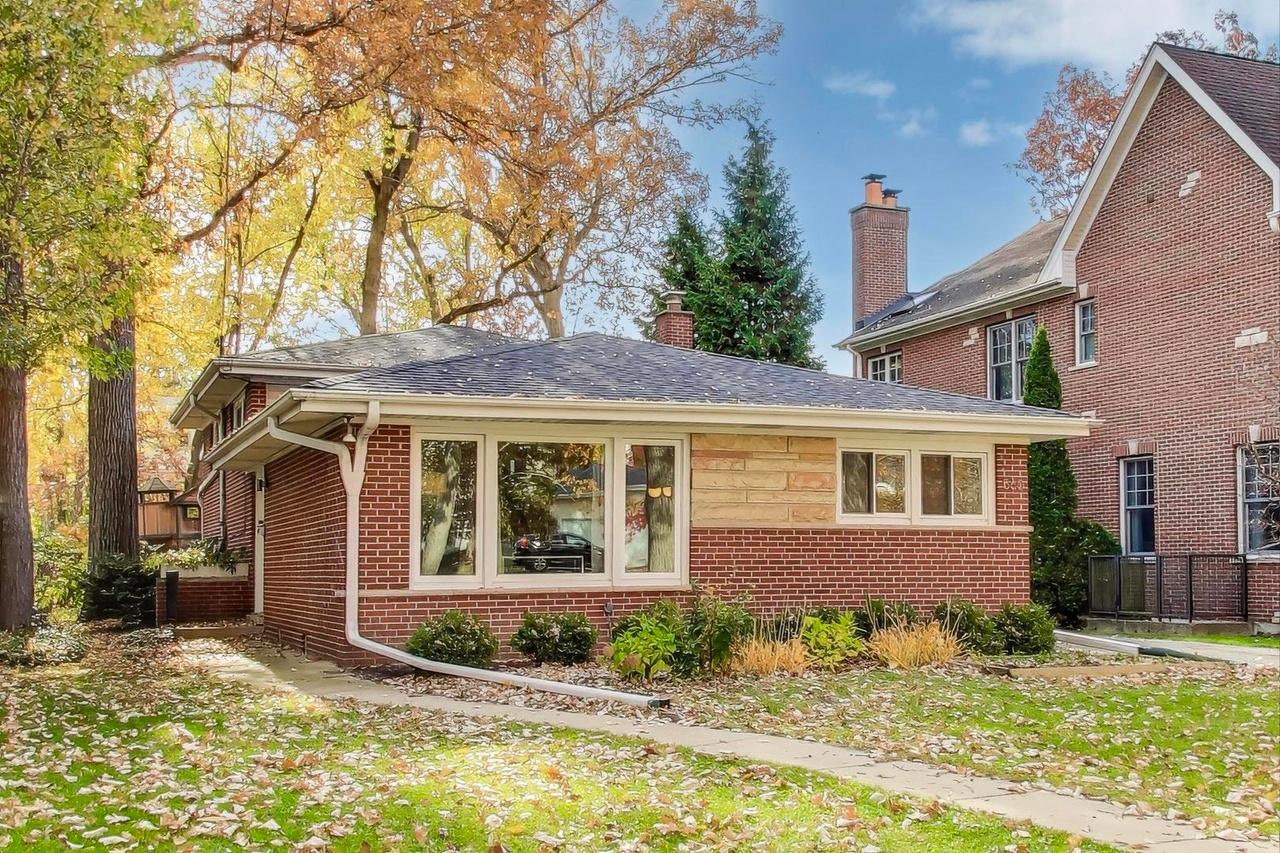
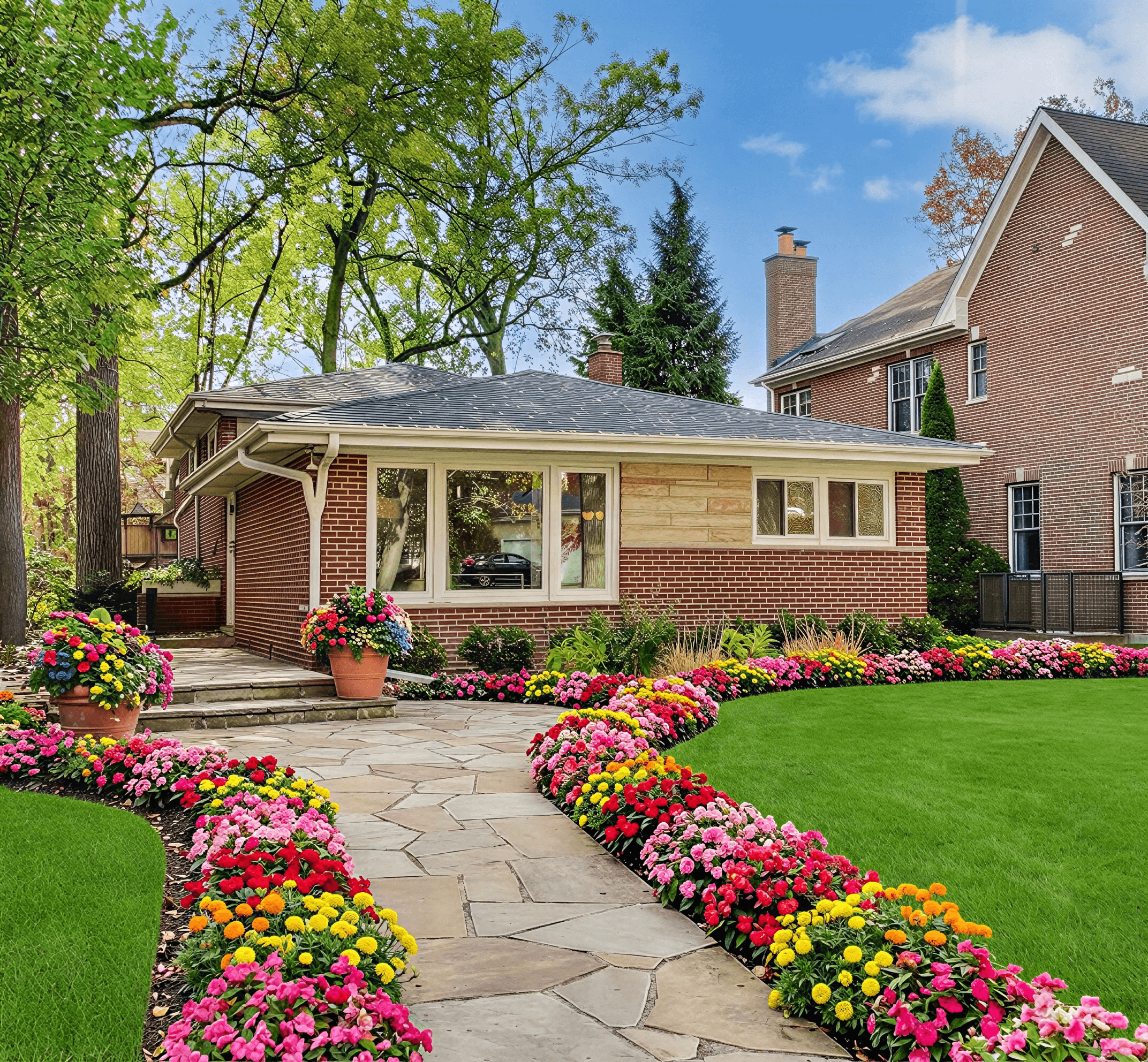
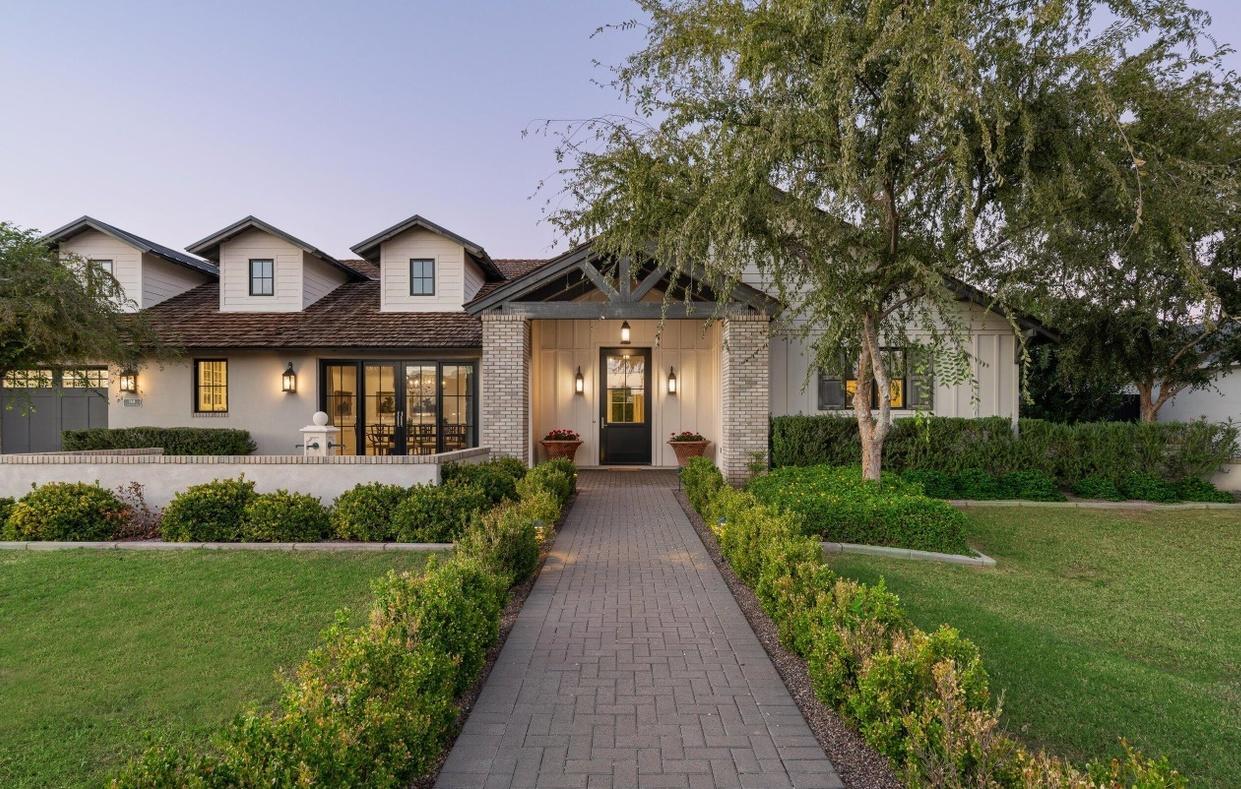
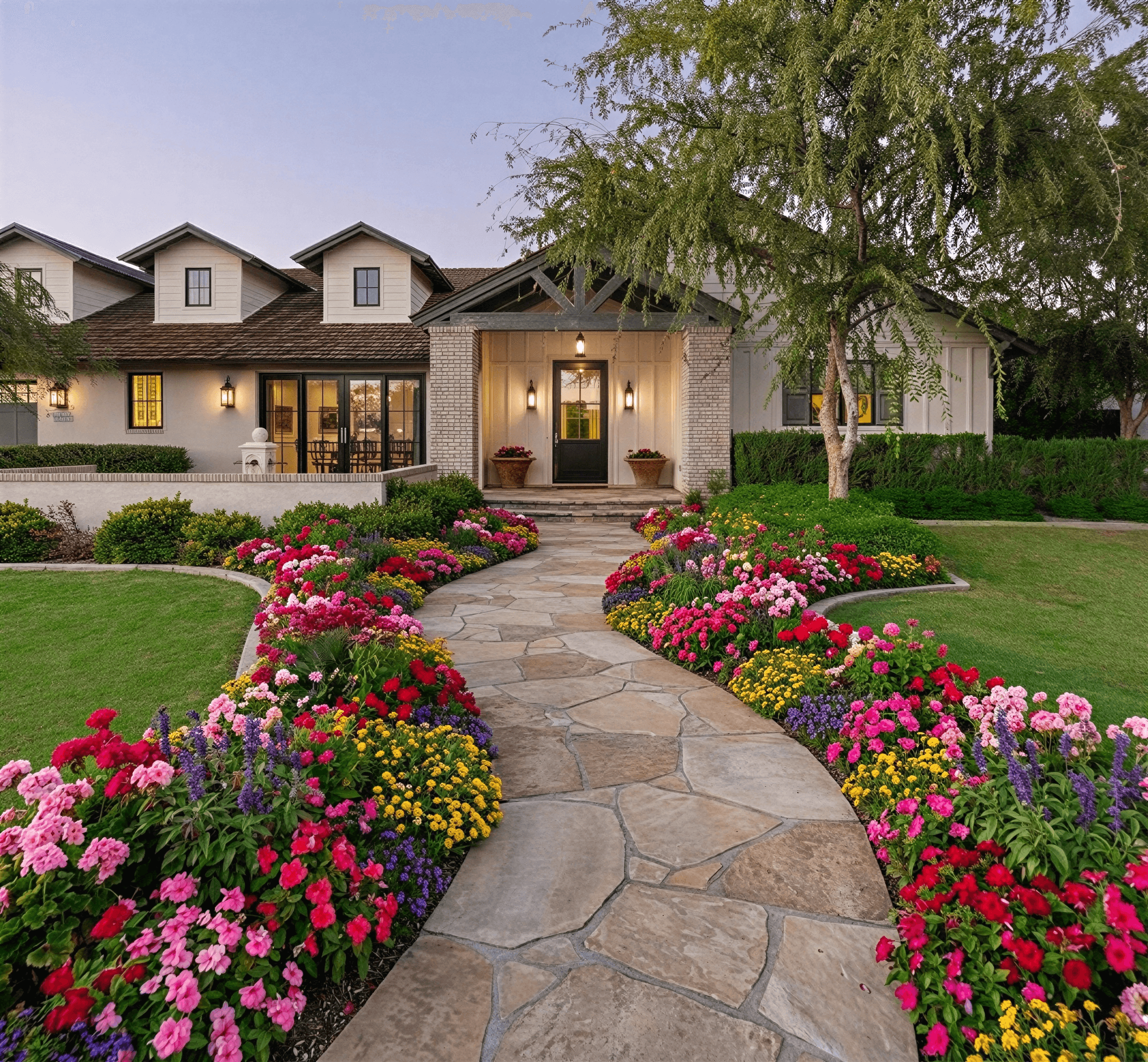
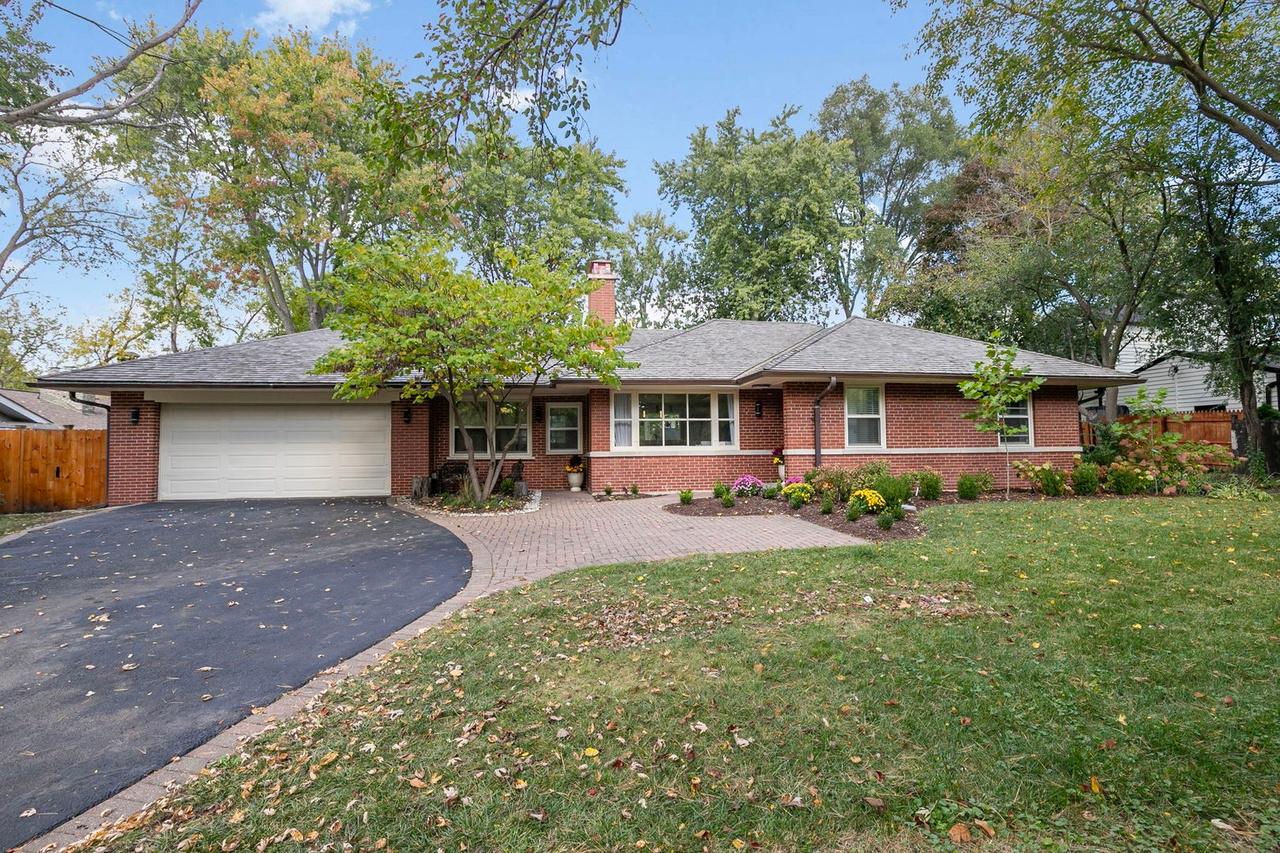
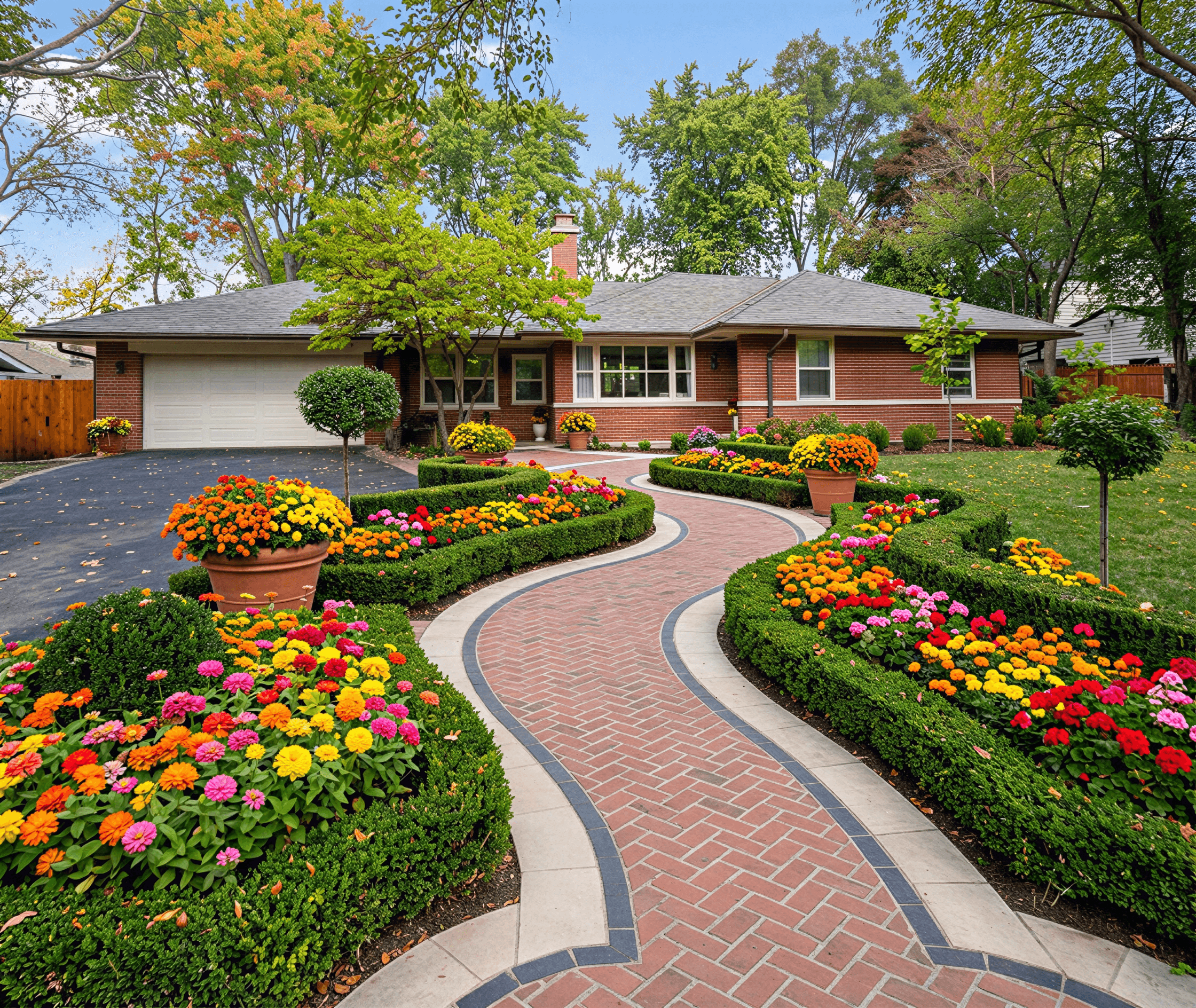
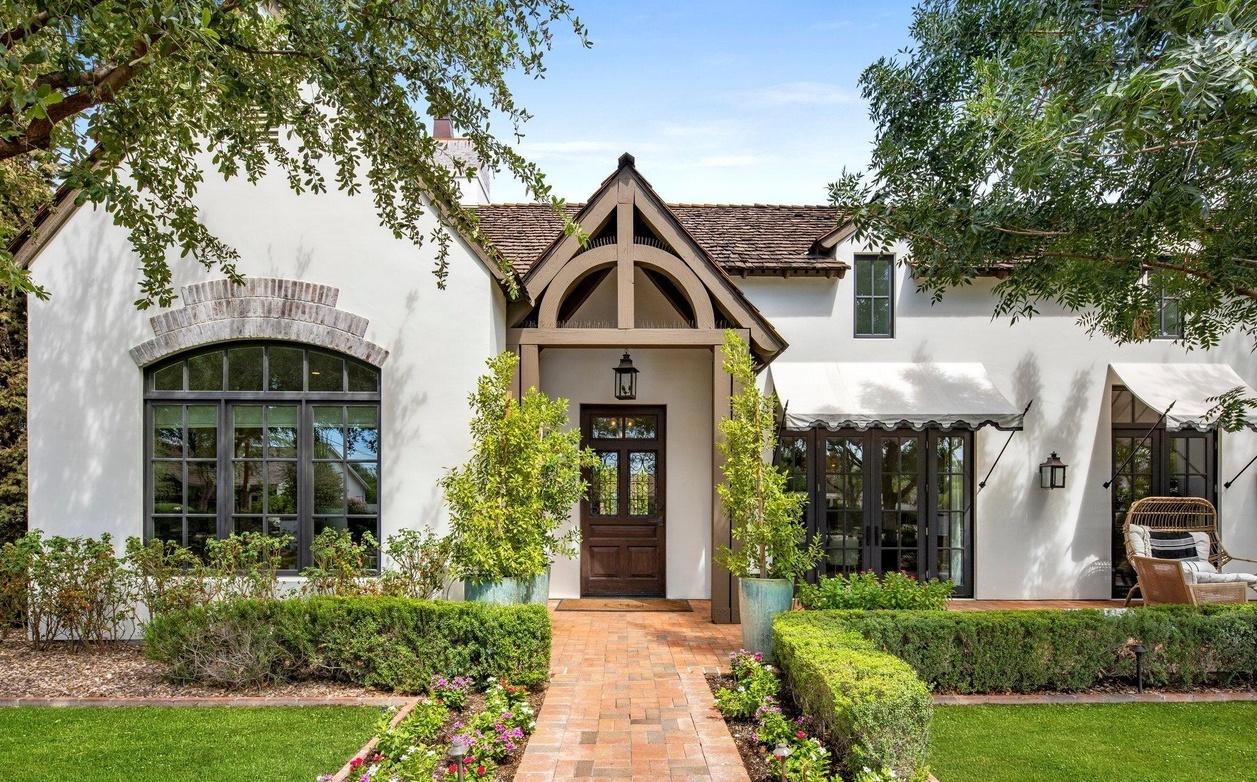
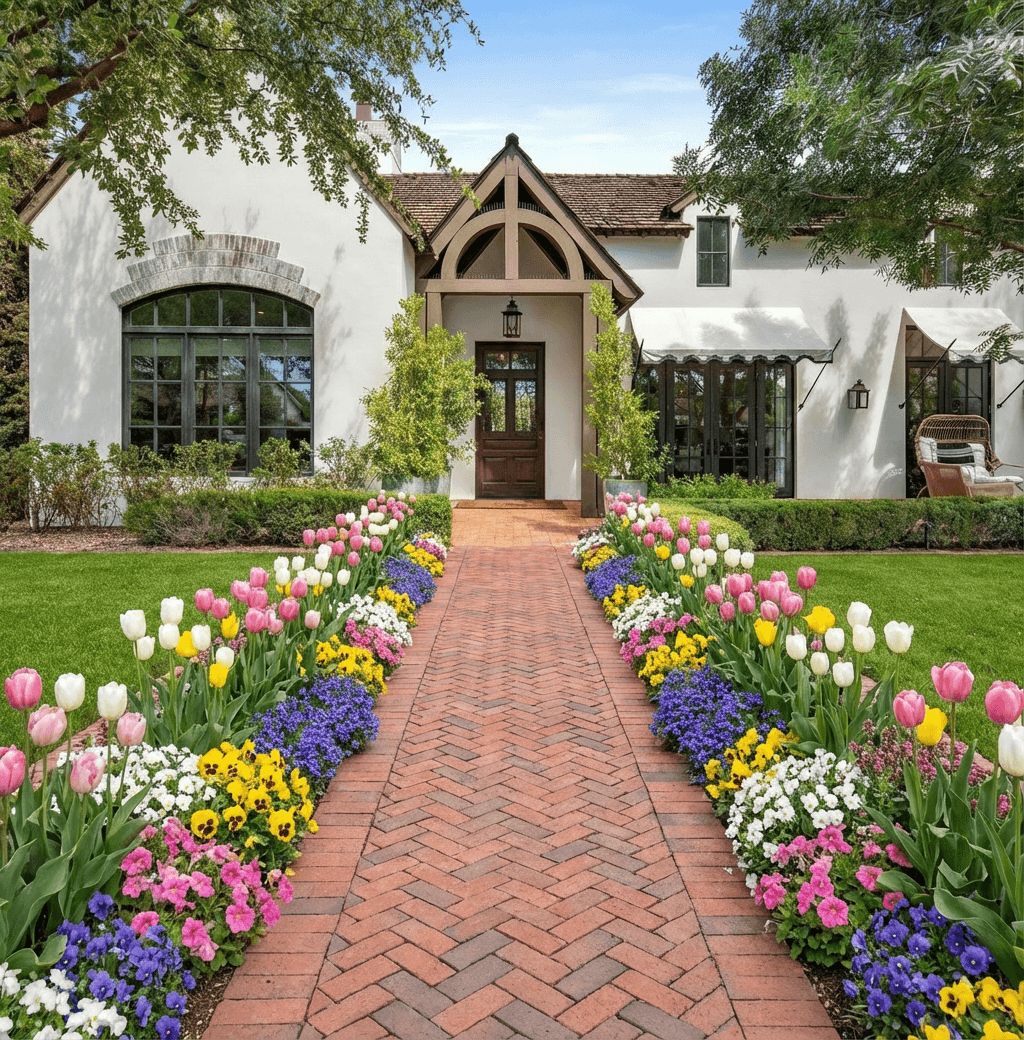
Here, we will detail ten proven approaches, covering everything from foundation planting and xeriscaping to modern minimalist designs and brilliant landscape lighting. Each idea includes specific plant and material suggestions, maintenance tips, and professional insights. To make the process even easier, we'll show you how to use a tool like Curb Appeal AI to visualize these concepts on your own home, eliminating guesswork and ensuring you achieve the perfect look before a single shovel hits the ground. Let's dig in and explore how you can create an outdoor space that is both functional and breathtaking.
1. Foundation Planting
Foundation planting is the classic technique of arranging plants directly against your home's exterior walls. This fundamental approach to landscaping ideas around the house serves a critical purpose: it softens the hard, vertical lines of your architecture and creates a graceful transition between the built structure and the natural yard. Done well, it anchors the house to the landscape, making it feel settled and intentional rather than just placed on top of the ground.
, medium-sized shrubs in the middle, and low-growing perennials or groundcover in the front. This creates depth and visual interest.
- Mind the Gap: A common mistake is planting too close to the foundation. Always leave adequate space between the house and the back row of plants-at least 2-3 feet-to allow for air circulation and root growth. Also, be sure to space plants according to their mature width to avoid an overcrowded, jungle-like appearance later on.
- Year-Round Structure: Incorporate a backbone of evergreen shrubs like Boxwood, Holly, or Rhododendron. These provide color and form even in the winter months when perennials are dormant.
- Embrace Odd Numbers: For a more natural and visually pleasing arrangement, group plants in odd numbers, such as threes, fives, or sevens.
Pro Tip: Before committing to a design, consider your home's specific features. Place taller plants at the corners to soften sharp edges, and use lower-growing plants under windows so you don't block the view or light. For a deeper dive into specific combinations and layouts, explore these detailed foundation planting ideas to find inspiration tailored to your home's style.
2. Hardscape Features & Pathways
Hardscaping refers to the non-living elements of your landscape, such as walkways, patios, retaining walls, and decorative stonework. These structural features are the backbone of any well-designed yard, providing definition, improving functionality, and establishing the overall flow of your outdoor space. Effective hardscaping is one of the most impactful landscaping ideas around the house because it grounds the design and directs how you and your visitors interact with the property.
The right hardscape materials, from natural stone and brick to modern concrete pavers, can dramatically elevate your home’s style. For instance, a traditional home might feature a classic red brick walkway, while a modern design could use large-format geometric pavers with clean steel edging. Mediterranean-style homes often incorporate rustic natural stone for patios and low walls, creating an inviting, old-world feel.
How to Implement Hardscape Features & Pathways
A successful hardscape plan requires careful thought about both form and function. It’s about creating a durable, beautiful foundation that complements your home and supports your planting design. Beyond permanent structures, selecting the right outdoor furnishings, such as sustainable teak garden furniture, can significantly define and enhance your outdoor living spaces.
- Establish the Layout First: Always plan your walkways, patios, and walls before you start planting. This prevents having to move established plants later and ensures the "bones" of your landscape are correctly placed.
- Choose Complementary Materials: Select materials that match your home's architectural style and color palette. Brick often suits traditional homes, while sleek concrete or dark stone works well with modern aesthetics.
- Ensure Proper Drainage: Any solid surface can create water runoff issues. Make sure walkways and patios are slightly sloped away from your house's foundation to prevent pooling and water damage. Consider permeable pavers as an eco-friendly option that allows water to seep into the ground.
- Create Visual Interest: Use contrasting materials to define different zones. For example, you could use smooth concrete pavers for a main patio and then transition to a gravel path leading to a garden bench.
Pro Tip: Define the edges of your hardscape features. Installing a durable edging material like steel, stone, or composite plastic between a walkway and a garden bed creates a crisp, clean line that prevents mulch from spilling over and grass from creeping in. To understand more about how these elements fit into a larger design, check out this guide on the differences between landscaping and hardscaping.
3. Xeriscaping & Drought-Tolerant Landscaping
Xeriscaping is a water-wise landscaping philosophy that minimizes the need for supplemental irrigation. This sustainable approach to landscaping ideas around the house is not about creating a barren rock garden; instead, it focuses on selecting beautiful, drought-tolerant plants and using smart design principles to create a lush, low-maintenance, and eco-friendly yard. It’s a practical and increasingly popular choice for homeowners looking to reduce utility bills, conserve water, and create a resilient garden that can withstand dry conditions.
This method is incredibly versatile. A desert Southwest home might feature a dramatic mix of Agave, Yucca, and vibrant groundcovers like Ice Plant. In California, a garden could be filled with native sages and California poppies, while a modern urban home could showcase a structured arrangement of succulents, ornamental grasses, and smooth river rocks. The key is choosing plants that are naturally adapted to your region's climate, ensuring they thrive with minimal human intervention once established.
How to Implement Xeriscaping
A successful xeriscape relies on thoughtful planning, efficient water use, and a deep understanding of your local environment. The goal is to create a self-sustaining ecosystem that looks great year-round.
- Group Plants by Water Needs: Arrange your garden in "hydrozones," placing plants with similar water requirements together. This allows you to irrigate efficiently, giving thirsty plants the water they need without overwatering drought-tolerant ones.
- Mulch Generously: Apply a 2-3 inch layer of organic mulch like wood chips or shredded bark around your plants. Mulch helps retain soil moisture, suppresses weeds, and regulates soil temperature.
- Install Efficient Irrigation: Drip irrigation and soaker hoses deliver water directly to the plant's root zone, minimizing evaporation and runoff. This is far more efficient than traditional spray sprinklers.
- Incorporate Hardscaping: Reduce the amount of water-needy turf by adding patios, walkways, or decorative gravel areas. This adds structure and reduces the overall area that requires watering.
Pro Tip: Native plants are the cornerstone of a successful xeriscape. They are already adapted to your local soil and rainfall patterns, making them incredibly resilient and low-maintenance. Use a tool like Curb Appeal AI, which incorporates hardiness zone intelligence, to identify climate-appropriate plants that will flourish in your specific area.
4. Modern Minimalist Landscapes
Modern minimalist landscaping strips away ornamental excess, focusing instead on clean lines, geometric shapes, and the strategic placement of a few carefully chosen elements. This design philosophy champions the idea that "less is more," creating a sophisticated and uncluttered outdoor space. It's a powerful approach to landscaping ideas around the house that complements contemporary architecture by using negative space, a restrained color palette, and structural plants as focal points.
This style is highly effective for a range of properties. Mid-century modern homes are elevated by structured boxwood hedges and flowing decorative grasses. Urban townhouses gain a sense of serene order with a single Japanese maple set in a bed of river rock. Even suburban homes can adopt this look through mass plantings of a single species, defined by crisp hardscape edges. The result is a purposeful, low-clutter environment that feels both calm and intentional.
How to Implement Modern Minimalist Landscapes
Success in minimalist design comes from discipline and a focus on form, texture, and structure. Every plant and material must serve a clear purpose, contributing to a cohesive and unified whole.
- Limit Your Plant Palette: Choose just three to five plant varieties and repeat them in organized groups or linear arrangements. This repetition creates a powerful sense of rhythm and calm.
- Focus on Form and Texture: Select plants with interesting architectural shapes or distinct textures. Think sculptural like Agave, linear like Horsetail Reed, or soft like Mondo Grass. The interplay between these forms is central to the design.
- Embrace Negative Space: Resist the urge to fill every inch of your garden beds. Open areas of gravel, smooth concrete pavers, or a simple lawn are intentional design elements that allow the feature plants to stand out.
- Maintain Crisp Edges: The transition between planting beds, lawns, and hardscaping must be sharp and well-defined. Use steel edging, concrete curbs, or precisely laid pavers to create these clean lines.
Pro Tip: Illuminate your design's best features. Use subtle, strategically placed outdoor lighting to uplight an architectural tree, wash a textured wall, or highlight the clean lines of a pathway after dark. To explore different minimalist layouts and how they interact with your home's unique architecture, check out these principles of landscape design for more detailed guidance.
5. Colorful Perennial & Annual Beds
Creating beds with a mix of perennial and annual flowers is one of the most effective landscaping ideas around the house for injecting vibrant, evolving color. This strategy combines the reliability of perennials, which return each year, with the show-stopping, season-long bloom power of annuals. The result is a dynamic garden that changes its appearance from spring through fall, offering continuous visual interest and boosting curb appeal.

The beauty of this approach lies in its versatility. For a classic cottage garden, you might mix perennials like roses and delphiniums with annuals such as cosmos and zinnias. A modern design could feature structural ornamental grasses and alliums, accented by the sharp colors of annual celosia. By carefully selecting plants with different bloom times, you can orchestrate a sequence of color, from a burst of spring tulips and daffodils to a finale of fall asters and sedums.
How to Implement Colorful Flower Beds
Success with mixed flower beds depends on thoughtful planning around color, height, and bloom succession. The objective is to design a cohesive display that looks full and intentional throughout the growing season.
- Plan for Continuous Color: Select a variety of plants with staggered bloom times. Include early spring bulbs, mid-summer perennials like Coneflower and Black-Eyed Susan, and late-season bloomers such as Asters to ensure there's always something in flower.
- Layer by Height: Arrange your bed in tiers for a professional look. Place taller plants like Delphiniums or Foxgloves in the back, medium-height plants like Salvia and Peonies in the middle, and low-growing options like Petunias or Creeping Phlox at the front edge.
- Use Annuals Strategically: Fill gaps between newly planted perennials with colorful annuals. This makes the bed look established and lush in its first year while the perennials mature. Annuals also allow you to experiment with new color schemes each season.
- Plant in Groupings: For a more natural and impactful look, group plants in odd numbers (threes, fives, or sevens) rather than dotting them around individually. This creates substantial drifts of color.
Pro Tip: Before buying plants, use a color wheel to plan your palette. Complementary colors (like purple and yellow) create high-contrast, energetic displays, while analogous colors (like pink, red, and purple) produce a more serene, harmonious feel. Keep a simple journal to track what thrives in your garden, making it easier to refine your design year after year.
6. Elegant Entryway & Portal Design
The entryway is your home’s first impression, serving as the primary focal point that sets the tone for the entire property. An elegant entryway and portal design goes beyond simple door decoration; it involves creating a deliberate journey from the curb to the front door using pathways, architectural elements, lighting, and curated plantings. This approach to landscaping ideas around the house crafts a welcoming and high-end experience, signaling attention to detail that significantly boosts curb appeal.
A well-designed portal can frame your home's entrance, making it feel more substantial and inviting. For a formal look, think of a traditional home with symmetrical topiaries in classic urns flanking the door. A modern minimalist entry might use architectural plants like snake plants or horsetail reeds paired with a steel arbor to create clean, strong lines. Cottage homes often feature charming arched doorways enveloped in flowering vines like clematis or climbing roses, while Mediterranean styles can be defined by stucco archways and pergolas.
How to Implement an Elegant Entryway & Portal Design
Creating a standout entryway involves orchestrating several elements to work in concert, guiding the eye and the visitor directly to your front door. The goal is to establish a clear, beautiful, and functional focal point.
- Define the Path: Create a clear, direct pathway from the street or driveway to the door. Use materials like bluestone, brick, or stamped concrete to define the walkway and guide movement.
- Frame the Entrance: Use architectural elements to add dimension. Arbors, pergolas, or low garden walls can create a sense of arrival and transition from the public space of the yard to the private space of the home.
- Employ Symmetry (or Asymmetry): For a traditional or formal look, use symmetrical plantings like matched containers or identical shrubs on either side of the door. For a more relaxed, modern, or cottage feel, an asymmetrical arrangement can add dynamic visual interest.
- Illuminate Key Features: Install quality outdoor lighting. Use path lights to ensure safe passage, uplighting to highlight specimen plants or architectural columns, and a stylish sconce or pendant light to illuminate the door itself.
Pro Tip: Containers are your most flexible tool for entryway design. Use large, statement-making pots to add height and presence. You can easily swap out the plants seasonally to keep the look fresh, from spring tulips and summer petunias to fall mums and winter evergreen arrangements. Ensure your house numbers are well-lit and clearly visible for both guests and emergency services.
7. Native Plant Landscaping
Native plant landscaping involves using species that are indigenous to your specific geographic region. This ecological approach to landscaping ideas around the house creates a self-sustaining garden that is perfectly adapted to the local climate, soil, and wildlife. By choosing plants that have evolved in your area, you reduce the need for excessive water, chemical fertilizers, and pesticides, creating a resilient and low-maintenance yard that supports local biodiversity.
This method results in landscapes with authentic regional character. A yard in the Northeast might feature vibrant clusters of Bee Balm and Black-Eyed Susans, while a California property could showcase the golden hues of California Poppies and the silvery foliage of native sages. In the Pacific Northwest, the lush, layered look is achieved with Sword Ferns and Oregon Grape, creating a garden that feels deeply connected to its natural surroundings and provides crucial resources for local pollinators and birds.
How to Implement Native Plant Landscaping
Success with native landscaping comes from understanding your local ecosystem and sourcing the right plants for your specific conditions. The goal is to build a thriving habitat that reflects the beauty of your region.
- Regional Research: Go beyond state-level recommendations and research plants native to your specific county or eco-region. Local nature preserves, botanical gardens, and native plant societies are excellent resources for inspiration and accurate information.
- Create Habitat Tiers: Mimic natural landscapes by layering your plantings. Start with a canopy of native trees, add an understory of smaller trees and shrubs, and fill in with perennials, grasses, and groundcovers. This structure provides food and shelter for a variety of wildlife.
- Source Smartly: Purchase plants from reputable native plant nurseries. These growers can provide healthy, ethically sourced plants and offer advice on which species will perform best in your yard’s specific light and moisture conditions.
- Group by Need: Arrange plants with similar water and sun requirements together. This practice, known as hydrozoning, makes watering more efficient and ensures that all your plants receive the care they need to thrive, especially during their first year of establishment.
Pro Tip: Resist the urge to over-tidy your native garden. Allowing plants to go to seed and leaving leaf litter in place provides food for birds and shelter for overwintering insects. Connect with a local Audubon chapter to learn how your plant choices can directly support regional bird populations.
8. Accent Trees & Specimen Plants
Accent trees, also known as specimen plants, serve as living sculptures in your landscape. They are a powerful tool among landscaping ideas around the house, acting as a primary focal point that provides structure, height, and year-round visual interest. Placing a single, remarkable tree with unique foliage, form, blooms, or bark can instantly create a professional, intentional appearance that anchors the entire design.
The impact of a well-chosen specimen plant cannot be overstated. A Japanese Maple with its sculptural form and vibrant fall color becomes the centerpiece of a modern garden. For a more traditional home, the glorious spring bloom of a Redbud or ornamental cherry tree adds classic charm. Southern properties benefit from the striking summer flowers and exfoliating bark of a Crape Myrtle, while the white bark of a Birch tree provides stark, beautiful contrast in a woodland or northern setting.
How to Implement Accent Trees & Specimen Plants
Success with this technique comes from careful selection and strategic placement to maximize visual impact without overwhelming your property.
- Select for Multi-Season Interest: Choose a tree that offers more than one season of beauty. Look for combinations like spring flowers, interesting summer foliage, brilliant fall color, and distinctive winter bark or structure. A Serviceberry (Amelanchier) is a prime example, offering spring blossoms, summer fruit, and stunning autumn leaves.
- Consider Mature Size: This is the most critical factor. Before you plant, know the tree's mature height and spread. Avoid placing a future giant too close to the house, under power lines, or over underground utilities. Columnar evergreens are excellent for adding verticality in tight spaces.
- Strategic Positioning: Place the tree where it can be appreciated from multiple viewpoints, such as from the street, a kitchen window, or a back patio. Use it to frame a view, soften a hard corner of the house, or create a destination point in your yard.
- Proper Planting and Care: Plant in spring or fall to allow the root system to establish before the stress of extreme heat or cold. Stake new trees for the first year if they are in a windy location and mulch around the base, but be sure to keep the mulch a few inches away from the trunk to prevent rot.
Pro Tip: Don't limit your thinking to just one specimen. A grouping of three identical trees, like River Birch, can create an even more dramatic focal point. For expert advice on planting large or complex trees, it's always wise to consult a certified arborist to ensure the long-term health and safety of your investment.
9. Curb Appeal-Focused Staging & Seasonal Displays
Strategic seasonal staging is the art of using rotating plants and decor to maximize your home's curb appeal throughout the year. More than just planting flowers, this is a dynamic approach to landscaping ideas around the house, often used by real estate professionals to make a property shine during a critical sales window. It ensures your home always looks fresh, inviting, and well-maintained, creating a powerful first impression for guests or potential buyers.
This method treats your front yard like a stage, with elements swapped out to reflect the season and create a specific mood. For a home on the market, this demonstrates its potential and helps it stand out in listing photos. Spring might feature pots overflowing with tulips and pansies, while fall could showcase a sophisticated arrangement of mums, ornamental kale, and pumpkins. In winter, evergreen boughs, winterberry branches, and tasteful lighting maintain a polished look.
How to Implement Seasonal Staging
Success with seasonal staging depends on timely updates and quality materials that complement your home's architecture. The key is to create a vibrant, cohesive look that can be easily refreshed.
- Invest in Quality Containers: Choose high-quality, weather-resistant pots and planters that match your home’s style. These form the permanent base for your rotating seasonal displays.
- Time Your Plantings: Plan your planting schedule so that flowers and foliage are at their peak when you need them most, such as before a party or during a real estate showing. For sales, this means fresh mulch and pristine plantings just before photos are taken.
- Layer Seasonal Decor: Combine plants with non-perishable decor. In autumn, mix chrysanthemums with decorative gourds and corn stalks. For the holidays, add weather-proof ornaments and ribbon to evergreen containers.
- Focus on Maintenance: A staged yard must be immaculate. Regularly deadhead spent flowers, remove fallen leaves, and ensure everything is well-watered. Power-washing walkways and driveways is a crucial step before any major event or showing.
Pro Tip: Use accent lighting to highlight your seasonal displays in the evening. A simple spotlight on a beautifully arranged container or a wreath on the front door can dramatically elevate your home’s nighttime curb appeal. This is especially effective during the shorter days of fall and winter.
10. Landscape Lighting & Nighttime Curb Appeal
Strategic outdoor lighting is one of the most impactful landscaping ideas around the house, transforming a property after dark. It extends the beauty of your design into the evening hours, highlighting architectural features, defining pathways, and showcasing specimen plants. Beyond aesthetics, a well-designed lighting scheme significantly boosts safety and security, creating a warm, inviting glow that makes a home feel both occupied and well-cared for.

The difference between a DIY setup and a professional-quality design is dramatic. Layered lighting creates depth and visual interest far beyond simple path lights. For instance, uplighting a mature Japanese Maple or Crepe Myrtle creates a stunning silhouette against the night sky. Wall-washing techniques can bathe a stone or brick facade in a soft, even light, accentuating its texture. Spotlights draw the eye to specific details like a beautiful front door, an entry arbor, or a house number, guiding visitors and adding a touch of elegance.
How to Implement Landscape Lighting
Effective lighting is about subtlety and strategy, not just brightness. The goal is to create ambiance and highlight key elements without creating harsh glare or an airport-runway effect.
- Choose Warm Tones: Use low-voltage LED lights with a warm color temperature (around 2700K) to produce a welcoming, natural ambiance rather than a stark, bluish-white light.
- Focus on Key Features: Identify the most attractive elements of your landscape and architecture that are visible from the street. This could be a specimen tree, a stone column, or a textured wall.
- Employ Layering Techniques: Combine different lighting methods for a rich, sophisticated look. Use path lights for safety, uplights for drama on trees and walls, and spotlights for architectural details.
- Prevent Glare: Angle fixtures carefully to illuminate the target without shining directly into windows (yours or your neighbors') or toward the street. The light source itself should ideally be hidden.
Pro Tip: Before finalizing placement, conduct a nighttime test. Temporarily position the lights and walk to the street to see the effect from a visitor's perspective. Make adjustments to angles and positions to eliminate "hot spots" and ensure the composition is balanced and appealing.
10-Item Comparison of Landscaping Ideas Around the House
| Item | 🔄 Implementation Complexity | ⚡ Resource & Cost | ⭐ Expected Outcomes | Ideal Use Cases | 📊 Key Advantages |
|---|---|---|---|---|---|
| Foundation Planting | Medium — layered planting and sizing planning | Low–Medium — plants, soil, mulch; DIY possible | ⭐⭐⭐⭐ — fast curb-appeal lift, year-round structure | Most residential facades; entry framing | Softens architecture, year-round structure, boosts value |
| Hardscape Features & Pathways | High — grading, drainage, precise installation | High — materials and professional labor | ⭐⭐⭐⭐⭐ — durable, high-value transformation | Patios, walkways, retaining walls, high-traffic yards | Defines space, improves function, long lifespan |
| Xeriscaping & Drought-Tolerant Landscaping | Medium — plant selection and irrigation planning | Low–Medium — drought plants, drip systems | ⭐⭐⭐⭐ — major water savings and low long-term upkeep | Arid regions, water-restricted properties | Low water use, low maintenance, climate-resilient |
| Modern Minimalist Landscapes | Medium–High — requires design discipline | Medium — quality materials and curated plants | ⭐⭐⭐⭐ — sophisticated, low-clutter aesthetic | Contemporary/urban homes, minimalist seekers | Clean lines, low-maintenance, highlights architecture |
| Colorful Perennial & Annual Beds | Medium — seasonal planning and layering | Medium — plants, soil, seasonal replacements | ⭐⭐⭐⭐ — strong seasonal visual impact | Cottage, traditional, listing photo enhancement | Vibrant seasonal color, attracts pollinators |
| Elegant Entryway & Portal Design | High — detailed design, hardscape + planting | High — quality materials, lighting, specimen plants | ⭐⭐⭐⭐⭐ — immediate strong first impression | Homes prioritizing curb-first impressions, listings | Directs visitors, maximizes perceived value |
| Native Plant Landscaping | Medium — regional research and sourcing | Low–Medium — native stock, minimal inputs | ⭐⭐⭐⭐ — sustainable, low-input once established | Eco-focused homeowners, habitat restoration | Supports wildlife, low fertilizer/water needs |
| Accent Trees & Specimen Plants | Medium — placement and species selection | Medium–High — specimen cost and planting care | ⭐⭐⭐⭐ — long-term focal point and shade benefits | Yards needing a single focal anchor or shade | Strong focal interest, seasonal multi-year value |
| Curb Appeal Staging & Seasonal Displays | Low–Medium — quick installs and rotations | Low–Medium recurring — containers, plants, decor | ⭐⭐⭐⭐ — rapid, targeted boost for showings | Sellers, real estate staging, short-term updates | Fast visual refresh, cost-effective for listings |
| Landscape Lighting & Nighttime Curb Appeal | Medium–High — electrical design and placement | Medium — fixtures, transformers, installation | ⭐⭐⭐⭐ — dramatic night impact; safety benefits | Night visibility, security, evening curb appeal | Enhances safety, highlights features, extends use |
Bringing Your Vision to Life with Confidence
You now possess a powerful toolkit filled with diverse landscaping ideas around house, from the foundational plantings that ground your architecture to the dramatic nighttime effects of strategic lighting. We’ve explored everything from the structured beauty of modern minimalist designs and the water-saving intelligence of xeriscaping to the charming chaos of a native plant garden teeming with life. Each concept offers a distinct path toward elevating your property's exterior.
The journey from inspiration to a beautifully finished landscape, however, is paved with careful planning. A successful outcome depends on creating a unified design that speaks to your home's unique character, respects your regional climate, and aligns with your personal maintenance capacity. Simply picking one idea from the list is a start, but the real magic happens when you begin to layer these concepts. Perhaps you’ll combine the low-maintenance principles of xeriscaping with the clean lines of modern hardscaping, or use accent trees to create a focal point within a larger curb appeal-focused seasonal display.
From Ideas to a Cohesive Plan
The most common point of failure in any landscaping project isn't a lack of ideas; it’s a lack of clear vision. Doubt can be paralyzing, causing you to second-guess choices about plant placement, material colors, or the overall style. This is where moving beyond mental images and sketches becomes essential.
Your primary takeaway should be the importance of a well-defined plan. Before the first shovel hits the dirt, you must have a concrete understanding of how each element works together. Consider these key questions as you move forward:
- Architectural Harmony: Does your chosen style complement or clash with your home’s existing lines, colors, and materials? A modern landscape might feel out of place against a Victorian home, while a cottage garden could beautifully soften its formal structure.
- Climate & Zone Reality: Are the plants you’ve selected genuinely suited for your USDA Hardiness Zone? Resisting the temptation to plant a tropical hibiscus in a cold climate will save you significant money and disappointment. Focus on native and zone-appropriate species for a resilient, thriving garden.
- Functionality & Flow: How will you and your family use the space? The pathways you design, the placement of seating areas, and the choice between open lawn and dense garden beds should all support your daily life and activities.
The Power of Visualization
Answering these questions conceptually is one thing, but seeing the result is another. The single most effective action you can take to ensure your project's success is to visualize your landscaping ideas around house before you commit your time and budget. This step bridges the gap between imagination and reality, providing a crucial proof of concept.
By using a tool that can render your ideas onto an actual photo of your property, you eliminate guesswork. You can test the scale of a specimen tree against your entryway, see how a dark-colored paver path looks next to your brick facade, or experiment with different perennial color schemes for your flower beds. This process allows you to make informed decisions with confidence, get enthusiastic buy-in from partners or contractors, and move forward knowing your investment will produce a beautiful, functional, and valuable outdoor space that you will enjoy for many years. A well-executed landscape is more than just an aesthetic upgrade; it’s an extension of your home, a boost to its value, and a daily source of pride and enjoyment.
Ready to stop guessing and start seeing? Upload a photo of your home to Curb Appeal AI and instantly apply dozens of professional landscaping styles, from modern to Mediterranean. See exactly how different plants, hardscapes, and lighting will look on your property and create your perfect design in minutes.