Top 10 Flowers for Full Sun in Florida That Will Thrive in 2026
Florida's relentless sun and sandy soil can be a formidable challenge for even the most enthusiastic gardener. Finding beautiful flowers that don't just survive, but actively thrive under these intense conditions, is the secret to creating breathtaking, low-maintenance curb appeal. Forget the endless cycle of trial and error with delicate plants that wilt by midday; this guide is your definitive roadmap to selecting the toughest, most vibrant flowers for full sun in Florida.
We've curated a list of ten proven performers that will transform your sun-baked yard into a lush, colorful oasis. Inside, you'll discover everything you need to know about each plant, including:
- Bloom Season & Hardiness: When to expect color and how much heat they can handle.
- Soil & Water Needs: Specific advice for Florida's unique sandy and loamy soils.
- Planting & Maintenance Tips: Actionable steps for successful planting and long-term care.
- Design & Placement Ideas: How to use each flower to maximize visual impact.
Beyond selecting the right flowers, cultivating a vibrant landscape significantly contributes to your home's curb appeal and home value, making your property more attractive to potential buyers. This comprehensive list, featuring everything from the resilient Blanket Flower to the spectacular Esperanza, gives you the confidence to create a stunning garden that flourishes all year, even when the heat is on. Get ready to plant with purpose and enjoy a landscape that is both beautiful and built to last.
1. Blanket Flower (Gaillardia pulchella)
For homeowners seeking relentless color that can withstand Florida’s most intense sun and heat, the Blanket Flower (Gaillardia pulchella) is a top-tier choice. This native Florida wildflower is celebrated for its fire-wheel blooms, featuring vibrant rings of red, orange, and yellow that bring dynamic energy to any landscape. It’s a workhorse plant that blooms profusely from late spring through the first frost, providing nearly year-round interest with very little demand for water or attention once established.

Its exceptional drought and salt tolerance make it one of the best flowers for full sun in Florida, especially in challenging coastal areas or sandy, nutrient-poor soils. You will often see it thriving in median plantings along central Florida highways or holding its own in xeriscaped gardens where other flowers might fail.
Key Details & Planting Tips
- Bloom Season: Late spring through fall; can bloom nearly year-round in South Florida.
- Hardiness & Heat: Thrives in USDA Zones 9-11, tolerating extreme heat and humidity.
- Soil & Water: Prefers sandy, well-draining soil. Highly drought-tolerant once established; avoid overwatering and "wet feet," which can cause root rot.
- Pests & Diseases: Generally pest-free but can be susceptible to fungal issues like powdery mildew in overly moist or humid conditions with poor air circulation.
Pro Tip: Plant Blanket Flowers in groups of 3 to 5 for a dense, impactful display of color that is visible from the street. Their mounding growth habit fills in spaces quickly, creating a continuous "blanket" of blooms.
For maximum curb appeal, regular maintenance is simple but effective. Deadhead spent flowers weekly to encourage a longer, more prolific blooming season and prevent the plant from becoming leggy. While it self-seeds, removing old blooms helps control its spread in more formal garden designs. For a cohesive and low-maintenance native garden, pair it with other sun-lovers like Coreopsis. These strategies are a core part of effective landscaping for Florida, ensuring a beautiful yard that works with the local climate, not against it.
2. Pentas (Pentas lanceolata)
For a continuous explosion of color that serves as a magnet for butterflies and hummingbirds, Pentas (Pentas lanceolata) are one of Florida's most dependable full-sun performers. These tropical shrubs produce dense, rounded clusters of star-shaped flowers that bloom relentlessly from spring through the first frost. Available in vibrant shades of red, pink, white, and lavender, Pentas are a staple in Florida landscaping for their ability to thrive in intense heat and humidity while providing constant visual appeal.
Their robust nature makes them one of the best flowers for full sun in Florida, delivering a lush, tropical look without demanding excessive care. You'll frequently see them used in front foundation plantings in subdivisions across the state or adding a pop of color to entry gardens in Palm Beach County, where they complement palms and other tropical foliage perfectly. They are a workhorse plant for any sunny spot that needs reliable, season-long flowering.
Key Details & Planting Tips
- Bloom Season: Spring through fall; can bloom year-round in frost-free South Florida.
- Hardiness & Heat: Ideal for USDA Zones 9-11, performing exceptionally well in Florida’s sustained summer heat and high humidity.
- Soil & Water: Prefers well-draining, fertile soil. Requires regular water during its first season to establish a strong root system but becomes more drought-tolerant once mature.
- Pests & Diseases: Generally resilient but can occasionally attract caterpillars or be subject to root rot if the soil remains consistently waterlogged.
Pro Tip: For a full, bushy plant that never stops blooming, deadhead spent flower clusters 2-3 times per week. In late winter, prune the entire plant back by one-third to remove any leggy growth and encourage vigorous new shoots in the spring.
To create a dynamic and pollinator-friendly garden, plant Pentas in masses. Their upright, mounding habit fills spaces effectively, creating a dense display of color. Dwarf varieties, which typically grow 18-24 inches tall, are perfect for smaller entry gardens or as a colorful border along a walkway. For a cohesive design, pair them with other sun-loving bloomers like salvias and zinnias, which share similar water and sun requirements. Planting in the spring allows them to establish strong roots before the peak summer heat sets in, ensuring a beautiful display all season long.
3. Purple Coneflower (Echinacea purpurea)
For a classic, pollinator-friendly perennial that adds structure and long-lasting color, the Purple Coneflower (Echinacea purpurea) is an excellent addition to Florida gardens. Known for its distinctive, drooping purple-pink petals and a prominent, spiky orange-bronze central cone, this wildflower brings a touch of the meadow to more cultivated landscapes. While it's a North American native, specific cultivars have been improved to better handle Florida’s heat, extending its blooming season and garden performance.
Its sturdy, long stems make it a fantastic cut flower, and it serves as a critical food source for bees, butterflies, and other beneficial insects. In Florida, you’ll find it performing beautifully in the wildflower meadows and cottage gardens of North and Central Florida, or as a key component in rain gardens in Gainesville and Tallahassee where good drainage can be provided. Its upright growth habit contrasts wonderfully with lower, mounding plants.
Key Details & Planting Tips
- Bloom Season: Late spring through summer; can be extended with deadheading.
- Hardiness & Heat: Most successful in North and Central Florida (USDA Zones 8-9). Can struggle in the intense, prolonged summer humidity of South Florida.
- Soil & Water: Demands well-draining soil. Amend heavy clay or sandy soils with organic matter. Water regularly during establishment, but it becomes more drought-tolerant once mature.
- Pests & Diseases: Generally robust, but watch for aphids and Japanese beetles. Poor air circulation and wet conditions can lead to fungal spots.
Pro Tip: In Florida, the best time to plant Purple Coneflower is in the fall (October-December). This allows the plant's root system to become well-established during the cooler, drier months, preparing it for vigorous growth and flowering in the spring.
To maximize its bloom period, deadhead spent flowers regularly. However, consider leaving some of the last blooms of the season to go to seed. The dried seed heads provide a valuable food source for finches and other birds in the fall and winter, and they allow the plant to self-seed for the following year. For a stunning cottage-style design, pair Purple Coneflowers with other sun-loving flowers for full sun in Florida like Black-Eyed Susans and Coreopsis to create a layered, multi-season pollinator haven.
4. Lantana (Lantana camara & L. horrida)
For an almost indestructible flowering shrub that thrives on neglect and Florida's intense sun, Lantana is an unparalleled choice. This tough-as-nails plant produces dense, beautiful clusters of small, multi-colored flowers that act as a magnet for butterflies. It blooms prolifically from late spring through the first frost, often year-round in South Florida, making it a cornerstone for vibrant, low-maintenance landscapes.

Its ability to handle extreme heat, drought, and even poor, sandy soil makes it one of the most reliable flowers for full sun in Florida. You can see it flourishing in demanding locations like highway medians, hurricane-resilient coastal gardens, and xeriscaped entryways where other plants would struggle. The consistent color and wildlife appeal offer significant curb appeal with minimal effort.
Key Details & Planting Tips
- Bloom Season: Late spring through fall; often blooms all year in Central and South Florida.
- Hardiness & Heat: Ideal for USDA Zones 8-11, showing exceptional tolerance for extreme heat and humidity.
- Soil & Water: Adapts to almost any soil type as long as it's well-draining. Highly drought-tolerant once established after the first six weeks.
- Pests & Diseases: Generally robust but can be susceptible to the lantana lace bug. Treat infestations with horticultural oil if they become severe.
Pro Tip: Prune your Lantana back by one-third to one-half in late winter or early spring. This hard pruning rejuvenates the plant, prevents it from becoming woody and sparse, and encourages vigorous new growth for a fuller, more flower-packed form.
To achieve a dense, mounding look, space plants about 3 to 4 feet apart to account for their mature spread. For smaller garden beds or entryways, select dwarf cultivars that stay a manageable 2 to 3 feet tall. For a striking color display, pair Lantana with the deep purples of Salvia or Purple Heart, a popular combination in many full sun landscaping ideas. Occasional deadheading will promote more branching and even more flowers, ensuring your yard remains a vibrant butterfly haven.
5. Desert Rose (Adenium obesum)
For a touch of the exotic that thrives in Florida’s intense sun, the Desert Rose (Adenium obesum) is an exceptional choice. This slow-growing succulent provides incredible architectural interest with its thick, sculptural trunk (caudex) and stunning trumpet-shaped flowers in shades of red, pink, white, and bicolor patterns. While not a native, its ability to store water in its base makes it perfectly suited for Florida's heat and periodic dry spells, delivering dramatic blooms with minimal fuss.

Its dramatic form and low water needs make it one of the best flowers for full sun in Florida, particularly for modern or xeriscaped entry gardens. You’ll often see it featured as a container specimen on patios in Sarasota or integrated into the contemporary landscapes of Miami, where its unique silhouette stands out. Because it is sensitive to frost, it is best grown in pots in North Florida to be moved indoors during cold snaps.
Key Details & Planting Tips
- Bloom Season: Spring through fall; can bloom intermittently year-round in warm, frost-free climates.
- Hardiness & Heat: Thrives in USDA Zones 10-12. In zones 8b-9, plant in containers for winter protection. Extremely heat tolerant.
- Soil & Water: Demands excellent drainage. Use a cactus/succulent mix or amend sandy soil to prevent root rot. Water sparingly and allow the soil to dry out completely between waterings.
- Pests & Diseases: Generally pest-resistant. Watch for oleander caterpillars and scale insects. Overwatering is the primary cause of failure, leading to root and caudex rot.
Pro Tip: Showcase the Desert Rose’s unique caudex by planting it in a shallow, wide bowl or pot. Plant it at the same depth it was in its nursery container, ensuring the swollen base is not buried, as this can lead to rot.
To encourage a healthy, compact plant, avoid fertilizing, which promotes soft, weak growth. Pruning should be minimal and focused on removing dead branches or shaping the plant after its main flowering cycle. Its sculptural quality makes it a perfect fit for a low-maintenance, high-impact design; for more ideas on this style, explore the principles of drought-resistant landscaping.
6. Coreopsis (Coreopsis tinctoria & C. verticillata)
Coreopsis, often called Tickseed, is Florida's official state wildflower and an indispensable asset for any sunny garden. Its cheerful, daisy-like flowers in shades of yellow, red, pink, and vibrant bi-colors bring a classic cottage or wildflower aesthetic to front yards. These hardy perennials and annuals are celebrated for their long bloom season and ability to flourish in the state's most challenging conditions, including poor, sandy soils and relentless sun.
This plant is one of the best flowers for full sun in Florida because it requires almost no supplemental inputs once established. You can see it adding bright, airy texture to wildflower meadow plantings in North Florida residential areas or defining charming cottage garden entries in Panhandle homes. Its low-maintenance nature and high-impact color make it a go-to for effortless curb appeal.
Key Details & Planting Tips
- Bloom Season: Late spring through fall, with peak blooms often occurring in early summer.
- Hardiness & Heat: Most varieties thrive in USDA Zones 9-11 and handle Florida's heat and humidity with ease.
- Soil & Water: Prefers well-draining, even poor or sandy soil. It is very drought-tolerant; avoid over-fertilizing, which can cause floppy growth and fewer flowers.
- Pests & Diseases: Generally robust and pest-free. Occasionally susceptible to aphids or powdery mildew if airflow is poor.
Pro Tip: Direct seed in the fall for a spectacular spring and early summer bloom. The seeds benefit from the cooler, wetter winter months to germinate, giving you a head start on the growing season for a dense, natural-looking display.
For the biggest visual impact from the street, plant Coreopsis in clusters of 5 to 7. Space individual plants 12 to 18 inches apart to allow for their mature spread. Deadhead spent blossoms every week or two to encourage continuous flowering and prevent aggressive self-seeding in more formal beds. However, in a naturalized or wildflower-style garden, let some late-season flowers go to seed to ensure they return the following year. For a beautiful, cohesive planting, combine Coreopsis with other sun-lovers like blanket flowers and salvias.
7. Salvia (Salvia splendens, S. greggii, & native spp.)
For a versatile plant that delivers vertical interest and acts as a magnet for pollinators, Salvia is an essential addition to any Florida garden. These plants produce iconic tall spikes of tubular flowers in a rich palette of red, purple, blue, and white. Their ability to thrive in full sun and bloom for extended periods makes them invaluable for creating lasting color, especially in hummingbird gardens where their nectar-rich flowers are a major attraction.
From tender tropical annuals like Salvia splendens to hardy, shrub-like varieties such as Salvia greggii (Autumn Sage) and robust native species, there is a Salvia perfectly suited for every Florida region. Their performance in foundation plantings, pollinator corridors, and mixed borders makes them one of the most reliable flowers for full sun in Florida, providing structure and vibrancy with minimal fuss.
Key Details & Planting Tips
- Bloom Season: Varies by species; many bloom from spring through fall, with some offering nearly year-round color in South Florida.
- Hardiness & Heat: Species-dependent. S. splendens is a tender annual in most of Florida, while S. greggii and native salvias are hardy perennials through Zone 8. All types tolerate high heat and humidity exceptionally well.
- Soil & Water: Prefers well-draining soil and performs best with consistent moisture, though many varieties are drought-tolerant once established. Good drainage is key to preventing root rot.
- Pests & Diseases: Generally resilient but can occasionally attract aphids or spider mites. Ensure good air circulation by spacing plants 18-24 inches apart to minimize the risk of powdery mildew.
Pro Tip: Prune Salvias back by about one-third in late winter or early spring. This hard pruning rejuvenates the plant, encouraging a flush of new growth and a more compact, bushy habit with significantly more flower spikes.
To maximize visual impact, plant Salvias in groups of 3 to 5. This creates a dramatic display of colorful spires that draws the eye. Regular deadheading of spent flower stalks during the blooming season will promote continuous flowering throughout the warm months. For a classic, low-maintenance Florida look, combine different colored Salvias with other sun-lovers like pentas and lantana, creating a multi-layered, pollinator-friendly garden design that thrives in the heat.
8. Zinnias (Zinnia elegans & Z. angustifolia)
For budget-conscious homeowners seeking immediate, explosive color and cottage-style charm, Zinnias are an unbeatable annual choice. These fast-growing flowers come in nearly every imaginable color, from soft pastels to electric neons, and produce a continuous show from late spring until the first frost. Their simple cultivation and rapid growth make them perfect for filling in new flower beds or creating a vibrant, welcoming entryway display that matures in a single season.
Zinnias are quintessential flowers for full sun in Florida because they adore the heat and produce more blooms under intense light. You can see them thriving in community butterfly gardens, lining walkways in contemporary landscapes, and creating naturalized drifts in informal cottage settings. Their ability to deliver such a high-impact floral display from seed in just a few months makes them a favorite for seasonal color.
Key Details & Planting Tips
- Bloom Season: Late spring through fall; blooms until first frost.
- Hardiness & Heat: Grown as an annual in all Florida zones (9-11), it performs exceptionally well in summer heat and humidity.
- Soil & Water: Prefers well-draining soil with consistent moisture, especially during establishment. Becomes more drought-tolerant but performs best with regular watering.
- Pests & Diseases: Susceptible to powdery mildew, especially during Florida's humid rainy season. Improve air circulation by spacing plants 12-18 inches apart.
Pro Tip: Pinch back young zinnia seedlings when they are 4 to 6 inches tall. This encourages the plant to branch out, creating a much bushier, sturdier form with significantly more flowers instead of a single, tall stalk.
To ensure a non-stop flower show, deadhead spent blooms weekly. This simple task channels the plant’s energy into producing new flowers rather than seeds. Better yet, cut flowers regularly for indoor arrangements; the more you cut, the more they bloom. At the end of the season, allow a few flowers to mature and drop seeds, and you may be rewarded with volunteer seedlings the following spring, adding to their budget-friendly appeal.
9. Black-eyed Susan (Rudbeckia fulgida & R. hirta)
For a classic, cheerful addition to any sunny Florida garden, the Black-eyed Susan stands out with its iconic golden-yellow, daisy-like petals and dark, button-like center. These native perennials (Rudbeckia fulgida) and their annual or short-lived perennial cousins (Rudbeckia hirta) are renowned for their resilience and ability to produce a profusion of blooms from summer through fall with minimal fuss. They bring a touch of wildflower charm to both cultivated and naturalistic landscapes.
Their robust nature makes them one of the most reliable flowers for full sun in Florida, particularly in North and Central Florida gardens. You will often see them blanketing wildflower meadows at state conservation areas or adding a bright, welcoming touch to cottage-style home entries. As an essential pollinator plant, they are a staple in botanical gardens and eco-friendly yards, attracting bees, butterflies, and other beneficial insects.
Key Details & Planting Tips
- Bloom Season: Summer through fall, providing crucial late-season nectar for migrating butterflies.
- Hardiness & Heat: Most varieties are hardy in USDA Zones 9-11 and tolerate Florida’s high heat and humidity well.
- Soil & Water: Adapts to a wide range of conditions but performs best in well-draining soil. It is moderately drought-tolerant once established but appreciates consistent moisture during prolonged dry spells. Avoid poor drainage.
- Pests & Diseases: Generally hardy, but can occasionally be affected by powdery mildew or fungal leaf spots, especially in crowded, humid conditions with poor air circulation.
Pro Tip: For a stunning, street-view impact, plant Black-eyed Susans in large drifts of 5 to 7 plants. Spacing them about 18-24 inches apart allows them to reach their mature size and create a continuous, dense wave of golden color.
To maintain a tidy appearance, you can deadhead spent flowers, which encourages more blooms. However, leaving the seed heads in place toward the end of the season provides food for birds like goldfinches and allows the plants to self-sow for the following year. For a vibrant pollinator meadow, pair Black-eyed Susans with other sun-lovers like Purple Coneflower and Coreopsis, creating a long-blooming, low-maintenance garden that supports local wildlife. No fertilizer is needed; a top dressing of compost in the spring is sufficient.
10. Esperanza / Yellow Bells (Tecoma stans)
For a spectacular tropical statement, Esperanza (Tecoma stans), also known as Yellow Bells, delivers a stunning performance. This large shrub or small tree produces masses of brilliant golden-yellow, trumpet-shaped flowers that command attention. It offers substantial curb presence, making it an ideal choice for homeowners looking to create a bold, high-impact focal point in their landscape. Its naturally attractive vase-shaped form adds architectural interest even when not in full bloom.
As one of the most striking flowers for full sun in Florida, Esperanza thrives in the intense heat, blooming profusely in spring and fall. Its size and showy nature make it a perfect fit for foundation plantings or as a standalone specimen in South Florida estates, particularly those with Mediterranean or tropical design styles. You'll often see it anchoring entryways in Miami-Dade and Broward counties or as a vibrant accent in Key West gardens.
Key Details & Planting Tips
- Bloom Season: Heaviest blooming in spring and fall; may flower sporadically year-round in South Florida.
- Hardiness & Heat: Best for South Florida (USDA Zones 10-11) but can be grown as a die-back perennial in Zone 9b. It flourishes in extreme heat.
- Soil & Water: Demands well-draining soil. If you have heavy clay, amend it with sand and compost. Water regularly during the first season to establish, then it becomes highly drought-tolerant.
- Pests & Diseases: Generally robust and pest-free. Occasionally may attract caterpillars, which can be managed manually.
Pro Tip: Give this plant room to grow. A mature Esperanza can easily reach 6 to 8 feet tall and wide. Planting it too close to a walkway or other plants will create a maintenance headache and obscure its beautiful natural form.
To keep your Esperanza looking its best, plan to plant it in the spring to allow its root system to establish before the peak summer heat. Pruning is minimal; simply remove any dead wood or lightly shape the plant after a major bloom cycle. Periodically removing the long, bean-like seedpods will prevent litter and encourage the plant to direct its energy into producing more flowers. For a dynamic, multi-season color display, pair it with other sun-lovers like lantana and bougainvillea.
Top 10 Full-Sun Florida Flowers Comparison
| Plant | 🔄 Implementation Complexity | 💡 Resource Requirements | 📊 Expected Outcomes | Ideal Use Cases | ⭐ Key Advantages |
|---|---|---|---|---|---|
| Blanket Flower (Gaillardia pulchella) | Low — easy seed/planting; occasional deadheading | Very low water once established; prefers sandy, well-draining soil | Long seasonal color (May–Nov); pollinator visits; may self-seed | Low‑maintenance curb, xeriscape medians, massings | ⭐ Heat/drought tolerant; inexpensive; native-friendly |
| Pentas (Pentas lanceolata) | Moderate — regular deadheading & pruning to avoid legginess | Moderate water first season; well‑draining soil; available at nurseries | Continuous blooms to frost (South FL); strong hummingbird/pollinator attraction | Foundation beds, tropical and hummingbird gardens | ⭐ Fast‑growing; prolific blooms; multi‑color options |
| Purple Coneflower (Echinacea purpurea) | Moderate — best planted in fall; may need division | Low once established; excellent drainage required; deeper root system | Long stems for cut flowers; 6–8 week bloom; winter seedheads | Wildflower meadows, rain gardens, pollinator borders | ⭐ Excellent pollinator support; durable in North/Central FL |
| Lantana (L. camara & L. horrida) | Low–Moderate — vigorous habit; pruning to control spread | Very low water; tolerates poor sandy soils; monitor for pests | Continuous prolific flowering to frost; strong butterfly attractor | Highway medians, xeriscape entries, butterfly gardens | ⭐ Very heat/humidity tolerant; continuous blooms; low cost |
| Desert Rose (Adenium obesum) | Moderate–High — frost‑sensitive; best in containers or protected sites | Very low water; requires cactus mix/sandy soil; frost protection in N FL | Architectural form with prolific summer blooms; long‑lived specimen | Contemporary xeriscape, container focal points, modern entries | ⭐ Sculptural caudex; exceptional heat tolerance; low pests |
| Coreopsis (C. tinctoria & C. verticillata) | Low — direct seed or plug; occasional deadheading | Very low water; thrives in poor soils; minimal fertility | Extended bloom (May–Nov); self‑seeding; attracts pollinators | Cottage and wildflower styles, mass plantings | ⭐ Extremely low‑maintenance; economical; great for naturalized looks |
| Salvia (S. splendens, S. greggii & natives) | Moderate — choose species per region; regular deadheading/prune | Moderate water initially; good drainage and air circulation | Tall floral spikes; extended bloom season; strong hummingbird magnet | Hummingbird gardens, foundation plantings, vertical accents | ⭐ Versatile species selection; vertical interest; pollinator favorite |
| Zinnias (Z. elegans & Z. angustifolia) | Low — very easy from seed; rapid establishment ⚡ | Moderate water during establishment; annual reseeding or replant | Rapid color in 6–8 weeks; continuous blooms to frost; great cut flowers | Seasonal beds, cottage entries, quick curb impact | ⭐ Immediate show; wide color range; very easy and affordable |
| Black‑eyed Susan (Rudbeckia spp.) | Low — simple to establish; may self‑seed | Low water once established; prefers good drainage | Long bloom (June–Oct); attracts bees/birds; winter seed interest | Native wildflower gardens, pollinator meadows, cottage borders | ⭐ Native, resilient, long‑blooming and low‑cost |
| Esperanza / Yellow Bells (Tecoma stans) | Moderate — large shrub form; space and drainage needed | Moderate water first season; requires well‑draining soil; frost‑sensitive | Spectacular spring & fall displays; strong curb presence; hummingbird visits | Specimen or focal plantings in Tropical/Mediterranean landscapes | ⭐ Bold seasonal displays; low maintenance once established; long‑lived |
Bringing Your Sun-Drenched Vision to Life
You now have a powerful roster of ten resilient performers, each one ready to stand up to the relentless Florida sun and deliver spectacular color. From the fiery Blanket Flower to the stately Esperanza, this guide has provided a detailed look at some of the best flowers for full sun in Florida, equipping you with the knowledge to create a landscape that is both beautiful and sustainable. The journey from a sun-baked patch of yard to a vibrant, blooming oasis is no longer a matter of guesswork. It's about strategic selection.
The most critical takeaway from this deep dive is the principle of "right plant, right place." This concept goes far beyond simply noting a spot is sunny. It involves a thoughtful assessment of your specific site's conditions. Is your soil sandy and quick-draining, or does it hold more moisture? Are you dealing with salt spray near the coast? What is the mature size of the plant, and will it obstruct a walkway or window in a few years? By answering these questions before you plant, you set the stage for a low-maintenance garden that thrives naturally, rather than one that constantly struggles.
Synthesizing the Strategy for Success
Creating a stunning Florida garden is not about fighting the environment; it’s about working with it. The plants detailed in this article - Lantana, Pentas, Coneflower, and their sun-loving peers - are your allies in this effort. They have been naturally selected or cultivated over generations to tolerate the exact conditions that cause other, less-suited plants to fail.
Here’s a quick synthesis of the core principles for success:
- Embrace Native and Adapted Varieties: Prioritize Florida natives like Coreopsis and Black-eyed Susan or well-adapted stalwarts like Lantana and Salvia. These plants are already genetically programmed to handle the heat, humidity, and common pests of our region.
- Soil is Your Foundation: Remember that even the toughest plants benefit from good soil preparation. Amending sandy soil with organic compost improves water and nutrient retention, giving roots a strong start and reducing your long-term watering and fertilizing duties.
- Water Wisely, Not Weakly: Deep, infrequent watering is the mantra. This encourages roots to grow deep into the soil, making them more resilient during dry spells. A soaker hose or drip irrigation system is your best tool for efficient, targeted watering that minimizes waste and prevents fungal issues.
- Design with a Purpose: Think about layers and texture. Use taller plants like Esperanza as a backdrop, mid-sized shrubs like Pentas and Salvia for the middle ground, and low-growing groundcovers like Blanket Flower at the front. This creates visual depth and a more professional, intentional look.
From Idea to Actionable Plan
Choosing the right flowers for full sun in Florida is the first, most important step. Now, it's time to bring that vision to life. The true value of this knowledge comes when you apply it to your own property, transforming your entryway, patio, or poolside area into a personal paradise. You can avoid the costly and frustrating trial-and-error that plagues many gardeners by starting with a solid plan. Visualize how the silver-green foliage of a Desert Rose might contrast with the deep purple of a Salvia, or how a mass planting of brilliant yellow Coreopsis can create a stunning focal point. This is where your creativity meets climate-smart practicality. By selecting from this curated list, you are investing in enduring beauty, enhanced curb appeal, and a garden that adds value to your home and your daily life.
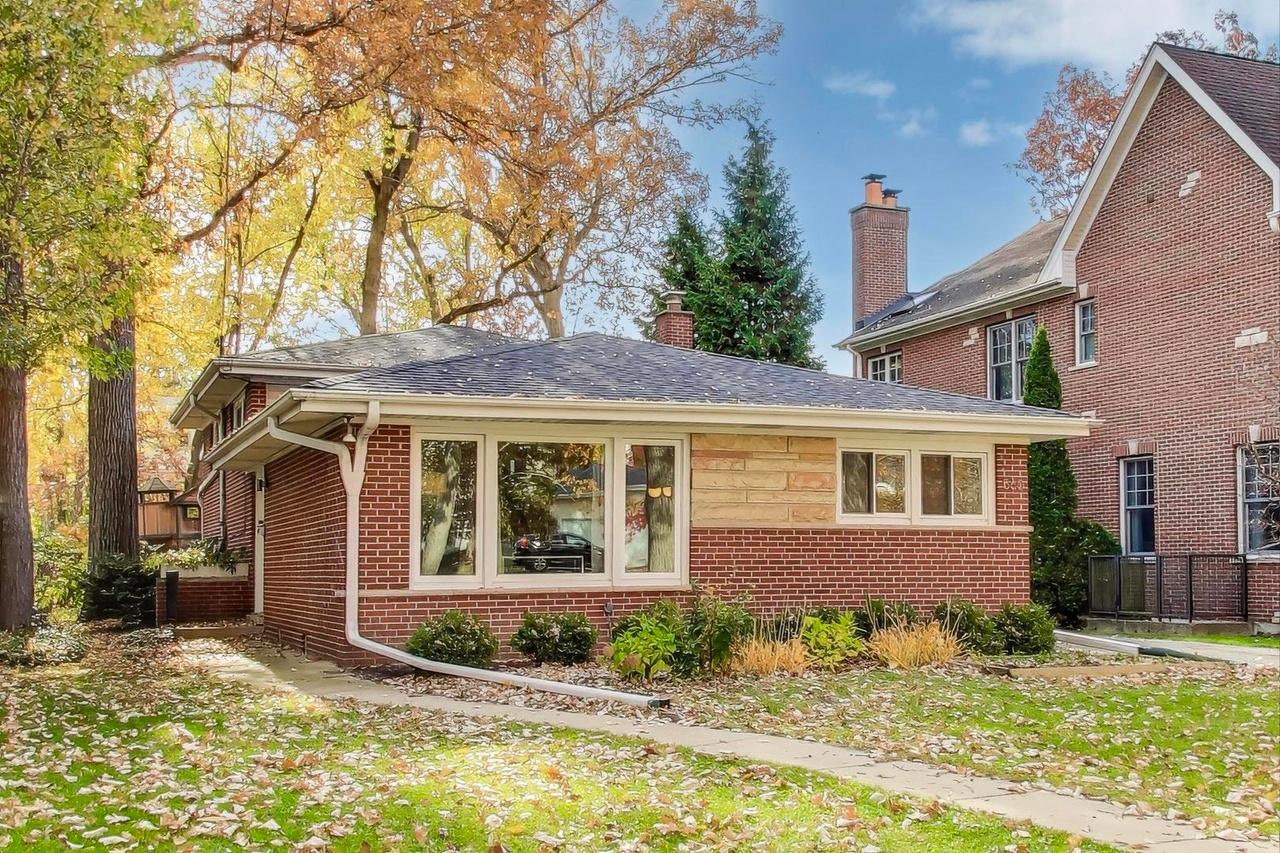
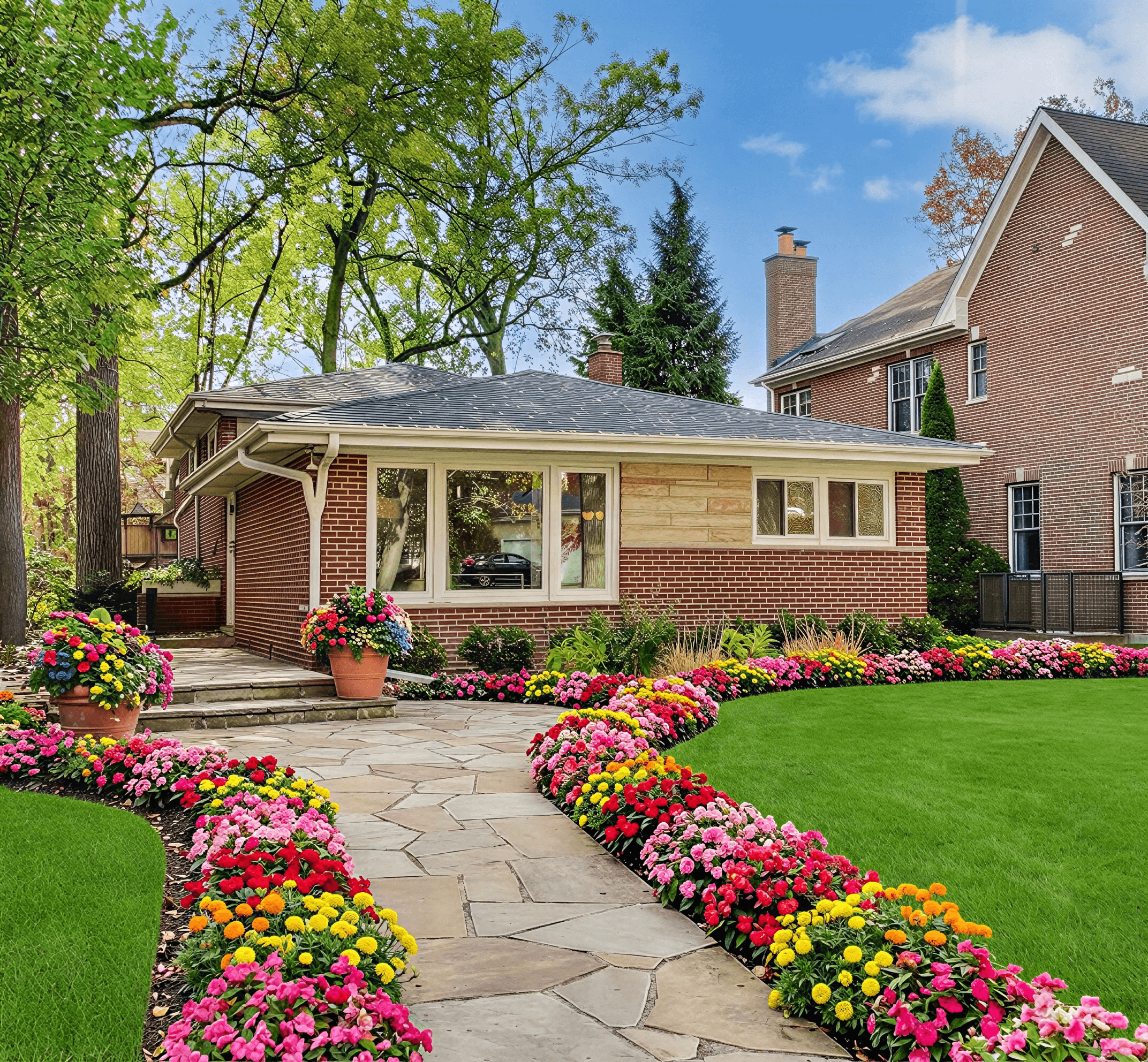
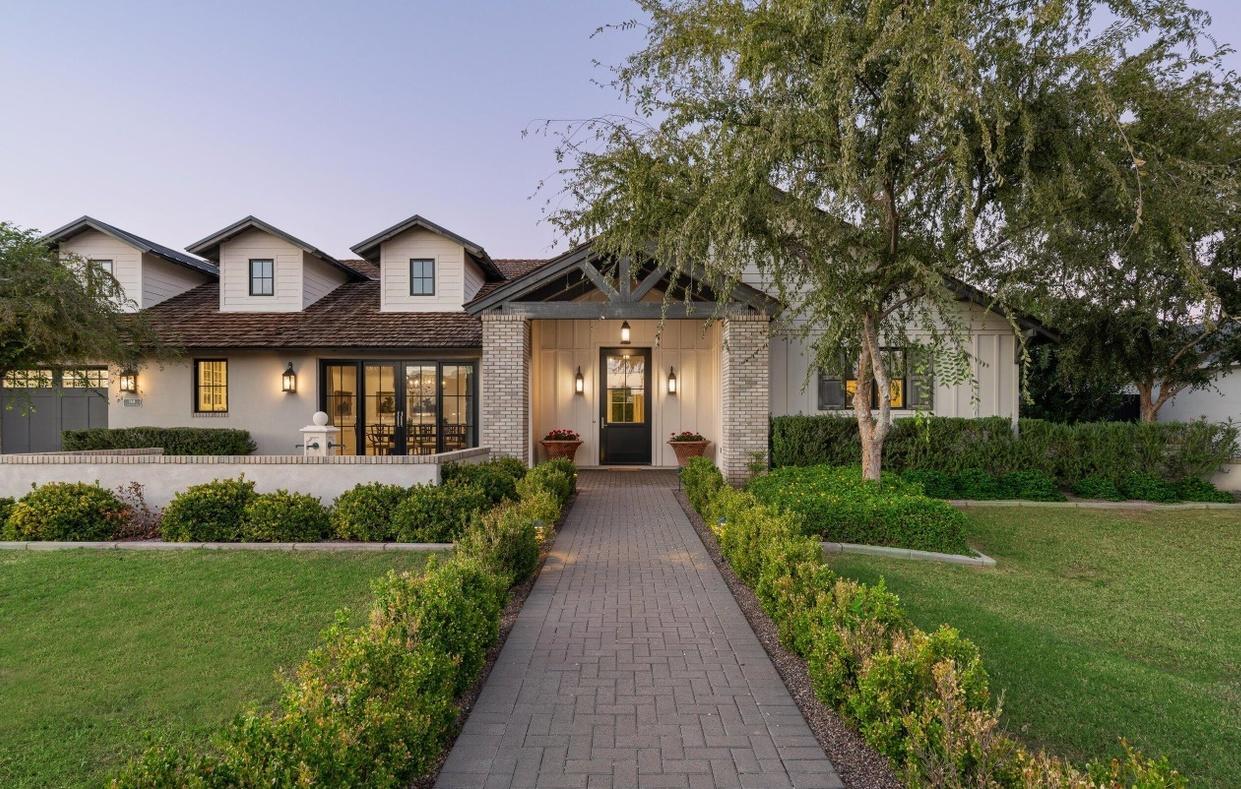
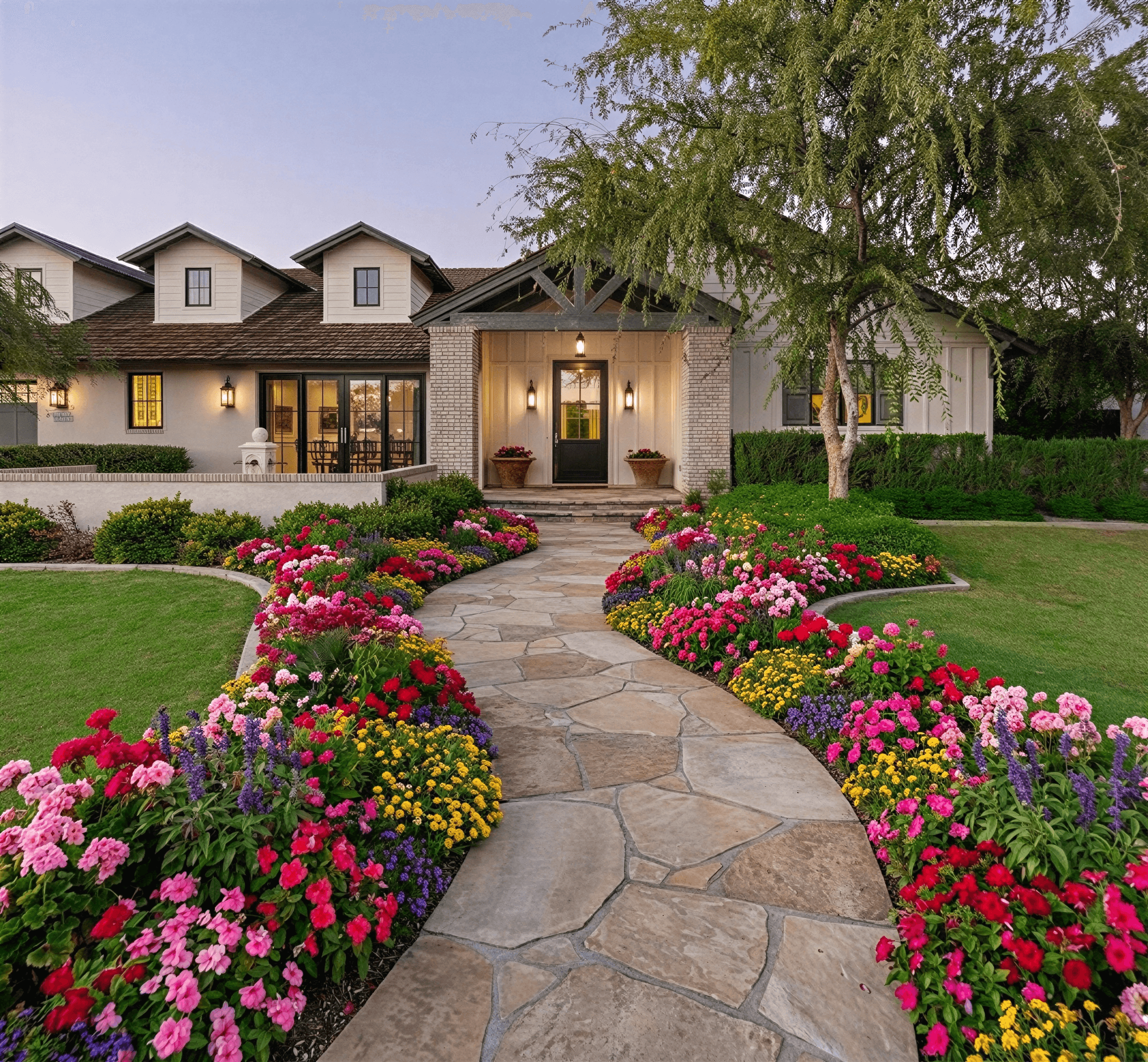
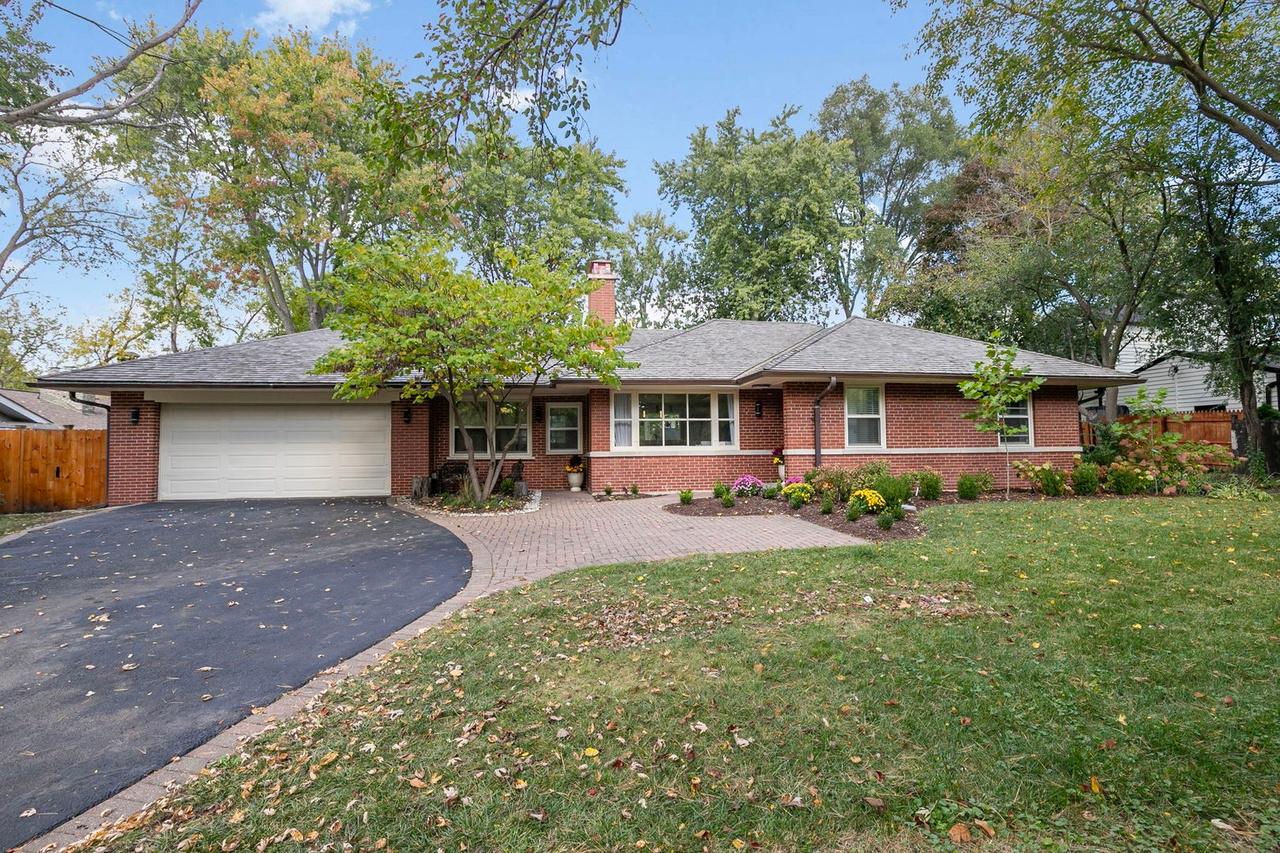
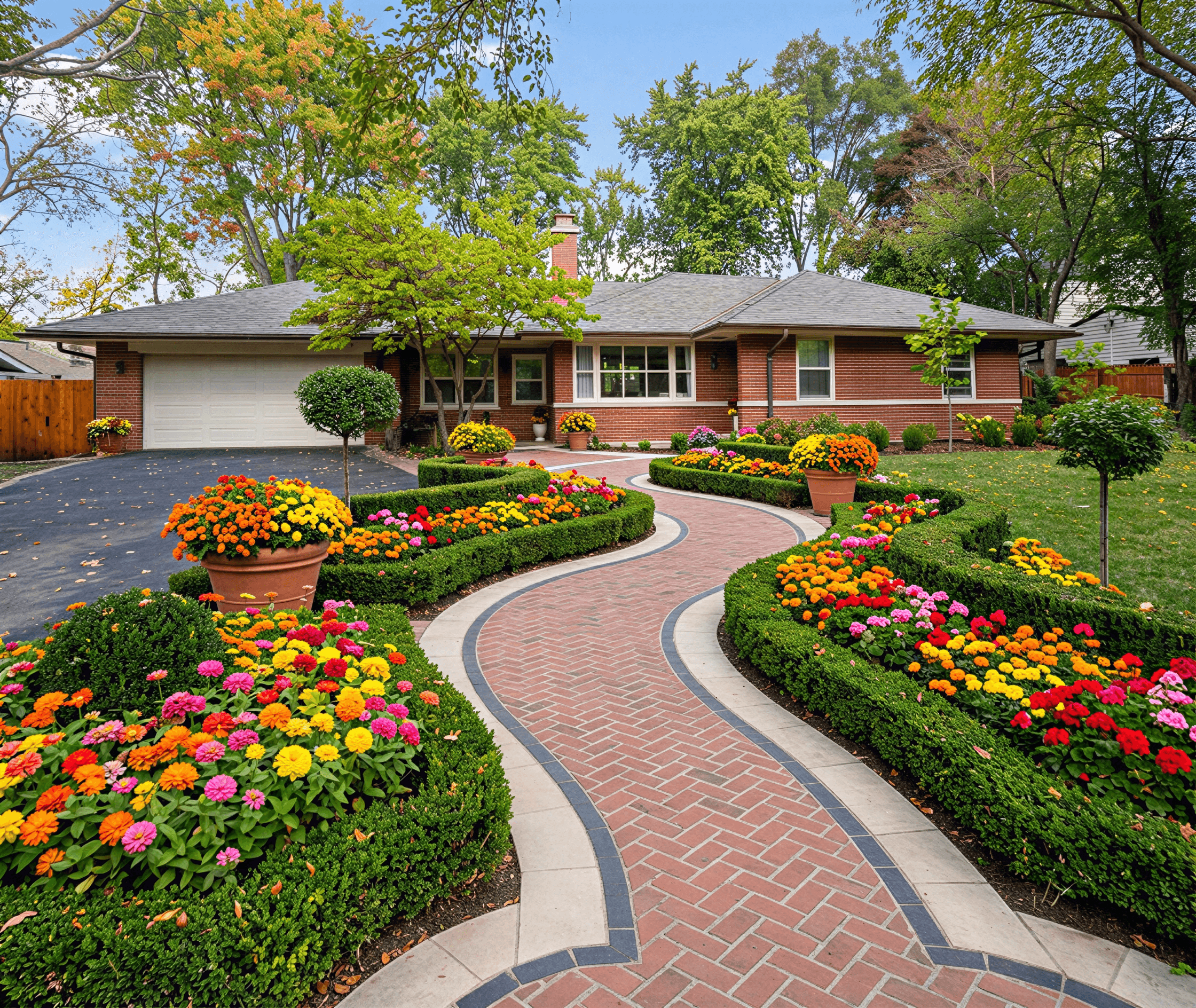
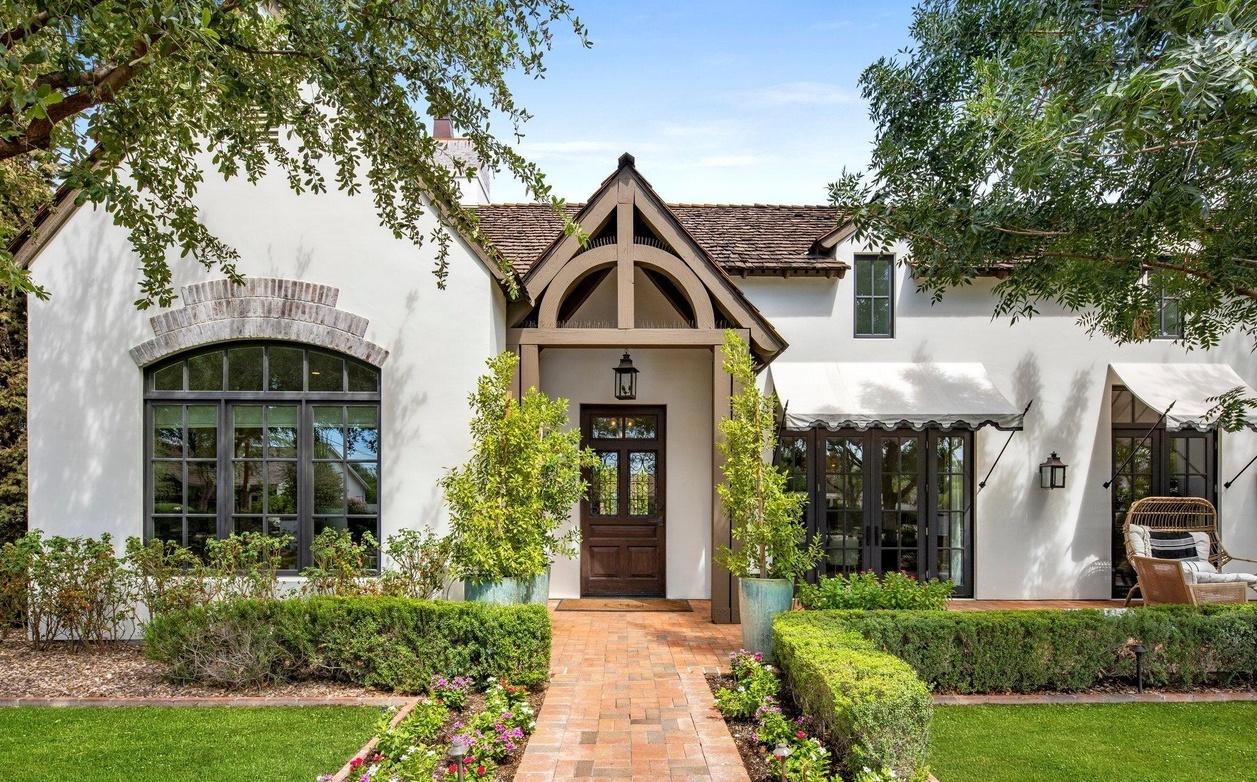
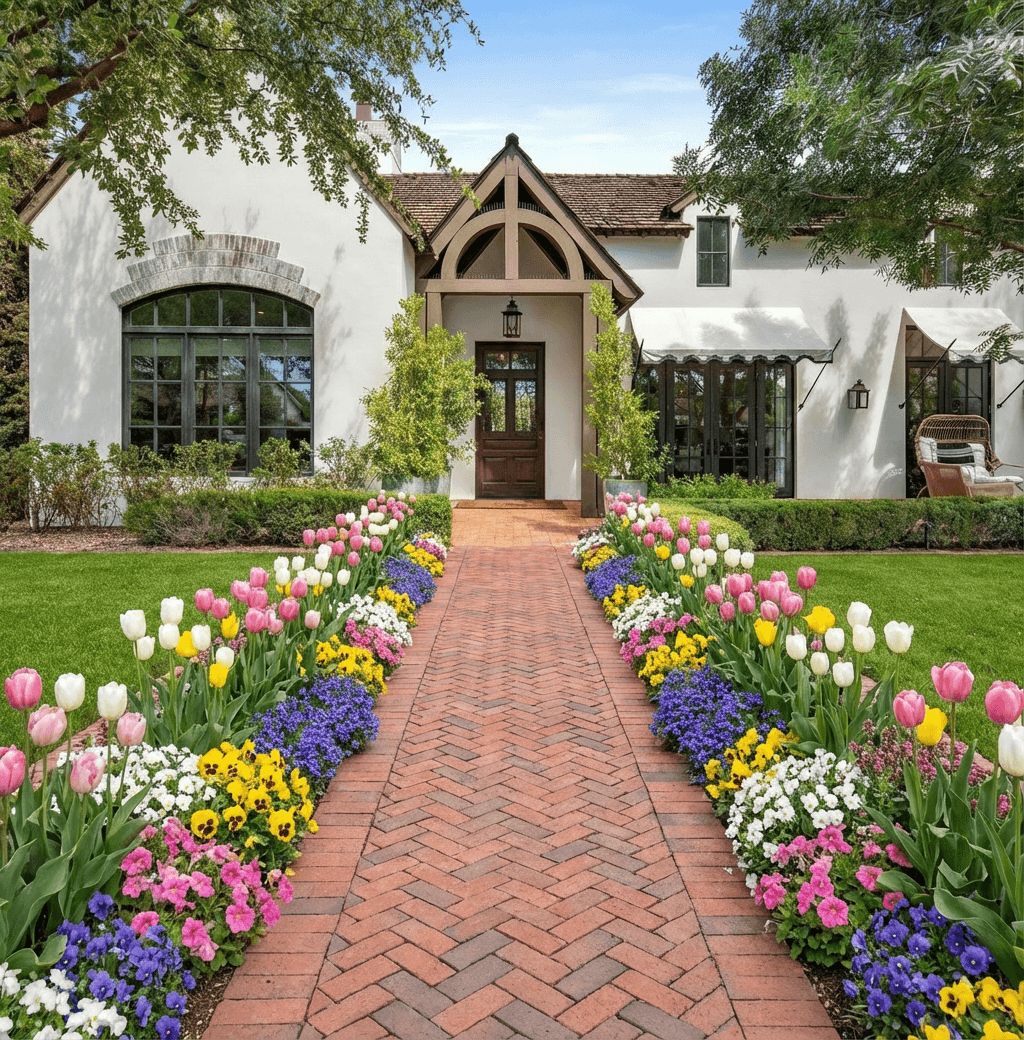
Ready to stop guessing and start visualizing? Upload a photo of your property to Curb Appeal AI and see how these sun-loving flowers could look in your yard instantly. Our tool allows you to experiment with different plant combinations and design styles, generating photorealistic renderings that turn your ideas into an actionable plan. Visit Curb Appeal AI to design your perfect, climate-smart Florida landscape today.